bluename
 How to Adjust Fertilization Frequency for Indoor Aloe Vera
If your indoor aloe vera looks a bit pale, grows oddly stretched, or has tips turning yellow after feeding, the real problem is rarely the fertilizer brand. It’s how often you are fertilizing. Aloe vera is a lean feeder. In most homes, feeding once or twice a year is enough. I keep my own indoor aloe on a very light schedule: once in mid-spring and maybe once in late summer if I remember. That’s it. If you are fertilizing monthly, you are almost certainly overdoing it. And yes, 90% of indoor plants die from overwatering, but overfertilizing causes its own quiet damage too. I learned this the hard way after burning the roots off a beautiful five-year-old aloe with liquid cactus food.
Aloe vera is one of the easiest houseplants to keep alive, until we start treating it like a hungry tropical foliage plant. It stores water and nutrients in its thick leaves. It grows slowly indoors. It does not need a strict feeding schedule. What it does need is the right soil, strong light, a warm spot, and a pot that actually drains. When those basics are right, fertilization becomes a tiny footnote in your care routine.
I have grown aloe indoors for over a decade. I have also killed three of them. One died from a pot with no drainage hole. One rotted after a winter watering schedule that belonged in July. The third one, my favorite, turned soft and brown at the base after I fed it too often. That one hurt. It had produced four healthy pups the year before. Then I got greedy with “boosting growth” and destroyed the root system in two months.
This guide is for home gardeners in the US, Canada, the UK, and Australia who keep aloe on a kitchen windowsill or a bright shelf. I am going to walk you through exactly how to adjust fertilization frequency for indoor aloe vera. No fluff. No generic plant-care filler. Just the practical rhythm that keeps these plants firm, green, and unburned.
Understanding How Aloe Vera Actually Grows Indoors
Aloe vera is a succulent native to dry, rocky, nutrient-poor regions. Its natural habitat is not a rich forest floor. It grows in sandy, mineral-heavy soil where rainfall is scarce and nutrients wash away quickly. That changes everything about how we should feed it indoors.
In a pot, aloe roots grow slowly. They store what the plant needs inside the leaves. When you feed a plant that already carries its own reserves, the extra fertilizer does not make it grow faster in a healthy way. It makes the leaves soft and floppy. It can create salt buildup in the soil. It damages the fine root tips that absorb water. And once those roots are damaged, the plant cannot drink properly even if you water less.
A lot of indoor aloe problems look like watering issues. Yellow leaves. Soft brown spots. Sudden drooping. But if you have been feeding regularly, the culprit is sometimes fertilizer burn. Salt from synthetic fertilizers pulls moisture out of the roots. The leaves then look thirsty no matter how wet the soil is.
The Royal Horticultural Society (RHS) recommends very light feeding for succulents, usually only during active growth and often at half or quarter strength. The American Horticultural Society (AHS) also points out that most succulents prefer lean soil conditions. They are not heavy feeders. This aligns with everything I have observed growing aloe in a dry indoor climate and in a humid coastal climate. Light feeding works in both.
How Often Should You Fertilize Indoor Aloe Vera?
The short answer: once or twice per year. The realistic answer: many indoor aloes need no feeding at all in the first year or two after repotting.
If your aloe is sitting in fresh succulent potting mix with compost or worm castings in it, the plant already has enough nutrients. Feeding it again can do more harm than good.
My current routine looks like this. I feed my mature indoor aloe once in late spring. That’s usually May where I live. If the plant pushed out several pups or had a very bright growing season, I might feed very lightly again in August. But I skip the second feed about half the time. I also do not feed at all between late autumn and late winter.
For a plant in a smaller pot, maybe four inches, the schedule is even simpler. I often do not fertilize it at all. Small pots dry out quickly. Fertilizer salts concentrate in the soil. When in doubt, skip feeding.
There are a few long-tail questions I get often. One is how often to fertilize aloe vera indoors in winter. The answer is never. Another is how often to fertilize indoor aloe in summer. At most once, early in summer, and only if you did not feed in spring. And the third is how much fertilizer to use for potted aloe vera. I use one-quarter of the label strength.
Best Type of Fertilizer for Indoor Aloe Vera
I do not use strong synthetic lawn or houseplant fertilizers on aloe. I use either a liquid succulent fertilizer diluted to quarter strength or a mild organic option like compost tea. You can also use a balanced houseplant fertilizer such as 10-10-10, but only if you dilute it heavily. Weak is better.
Liquid fertilizers are easy to control. I mix one-quarter teaspoon per gallon when the label calls for one teaspoon per gallon. Then I water the soil lightly first. Never feed a dry root ball. That is one of the fastest ways to burn roots.
If you prefer granular slow-release fertilizers, use them sparingly. A tiny pinch of a low-nitrogen formula in spring can work. But I have moved away from granules with aloe. It is too easy to overapply. And once the granules release too much salt on a hot windowsill, the damage is done before you notice.
My go-to is a cactus and succulent liquid fertilizer with an NPK ratio around 2-7-7 or similar low nitrogen blend. Low nitrogen keeps the leaves firm and compact. High nitrogen encourages weak, watery growth and makes aloe more attractive to pests like mealybugs.
One mistake I made years ago was feeding aloe with a high-nitrogen orchid fertilizer because it was the only bottle I had. The leaves grew noticeably longer in three weeks, which I thought was success. Then they started bending over the edge of the pot. The new growth was pale and soft. I stopped feeding, moved the plant to brighter light, and waited two months for new growth to firm up. It recovered. But the stretched leaves never fully corrected.
Signs You Are Overfertilizing Aloe Vera
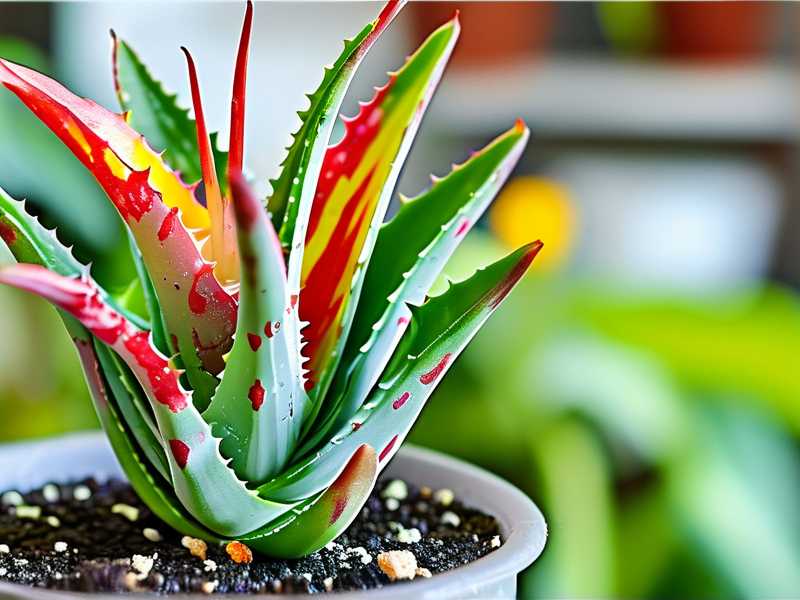
The earliest sign is usually a white or yellow crust on the soil surface. That is salt buildup. Another early sign is brown or crispy leaf tips, especially on older leaves. Over time, you may notice soft lower leaves that break easily.
I once kept an aloe on a bright south-facing windowsill and fed it monthly because I was also feeding my pothos and just added the aloe to the same routine. That was a mistake. Within six weeks, the outer leaves began yellowing from the base upward. The soil had a white film. I flushed the pot with plain water until it drained clear from the bottom. Then I left the plant alone for four months. It survived, but it took a full year to look strong again.
If you suspect overfertilization, stop feeding immediately. Place the pot in a sink or bathtub. Pour room-temperature water slowly through the soil. Let it drain completely. Repeat a couple of times to wash out excess salts. Do not fertilize again for at least six months.
An overfertilized aloe can also look like an overwatered aloe. The leaves go mushy, the base softens, and you might panic and water less, when the real issue is root damage from salt. In both cases, removing the plant from the pot to inspect the roots is the fastest way to know what is going on.
Soil and Pot Setup That Makes Fertilizer Less Necessary
Here is a point many indoor gardeners miss. If you use the right soil, you reduce the need to fertilize at all. Aloe does not want rich potting soil. It wants a gritty, fast-draining mix.
I make my own mix with one part standard cactus soil, one part perlite or pumice, and one part coarse sand or fine chicken grit. Sometimes I add a small handful of compost for slow, mild nutrition. The compost is usually enough for the first six to eight months. After that, a quarter-strength liquid feed once in spring handles the rest.
The pot matters just as much. Aloe roots need oxygen. A pot without drainage is a death sentence. I use terracotta or unglazed clay pots for most of my indoor succulents. The porous sides allow moisture to evaporate. Plastic pots can work if you water carefully, but they hold moisture longer and increase the risk of soggy roots.
The three fatal mistakes I see most often with indoor aloe are watering too often, placing the plant in light that is too dim, and using the wrong pot. I have made all three. My first aloe died in a decorative ceramic pot with no hole. My second one stretched pale and leggy in a north-facing bathroom. My third one rotted because I watered every week in winter. Fertilizer was not the original cause of any of those deaths. That is worth remembering. If your basic care is off, adjusting fertilizer frequency will not save the plant.
Light and How It Affects Feeding Frequency
Light drives growth. Growth drives nutrient use. The more bright light your aloe gets, the more it grows and the more often it can use a light feed. But even in bright light, aloe is still a slow grower indoors.
In a south-facing window in the northern hemisphere, or a north-facing window in Australia, aloe gets strong direct light for hours. In those conditions, I might fertilize twice a year at most. In a lower-light east or west window, I might feed once a year or not at all.
If your aloe is stretching, turning pale, or bending toward the window, do not reach for fertilizer. The plant needs more light, not more food. Adding fertilizer in low light makes the stretching worse. The new growth elongates faster but without the strength to support itself.
I made this exact mistake with an aloe on a dim stair landing. It started looking weak. I fed it, thinking it needed a boost. The plant got taller and paler over the next month. Eventually I moved it to a bright windowsill and stopped feeding. The new growth came in darker and firmer. Lesson learned. Light first. Fertilizer second.
Watering and Fertilizing Together
Aloe should never be fertilized when the soil is bone dry. I water the plant lightly the day before feeding, or I mix the fertilizer into water that I already intended to give during a normal watering session.
The soil should be slightly moist before fertilizing. This protects the roots from direct contact with a concentrated solution. Then I water just enough for a little runoff. In the days after feeding, I watch the leaf tips. If I see any browning, I flush the soil with plain water.
Never fertilize a stressed aloe. If the plant is recovering from repotting, dealing with pests, or looking sunburned, skip the feed. Feeding a stressed plant does not help it recover faster. It adds another burden to the root system.
Seasonal Fertilization Schedule for Indoor Aloe Vera
Spring is the main feeding window. This is when indoor aloe wakes up from its winter rest. Days lengthen, temperatures rise, and new leaves push out from the center. A light feed in mid-spring supports this flush of growth.
Summer can be a second feeding window, but only in early summer and only for plants in very bright light. By late summer, I stop feeding. The plant needs time to harden off new growth before autumn.
Autumn is a period of adjustment. The light drops. Growth slows. This is the time to stop feeding completely and begin reducing water. Any fertilizer given in autumn can produce soft growth that will not survive the darker months.
Winter is a no-feed zone. Indoor aloe is semi-dormant. Feeding in winter leads to weak growth and salt buildup because the plant is not actively using nutrients. Watering is also reduced. I let my aloe dry out almost completely between winter waterings. A lot of indoor aloe deaths happen between December and February, almost always from too much water or too much food. Not from cold, not from pests. From love.
Repotting and Fertilizer Interactions
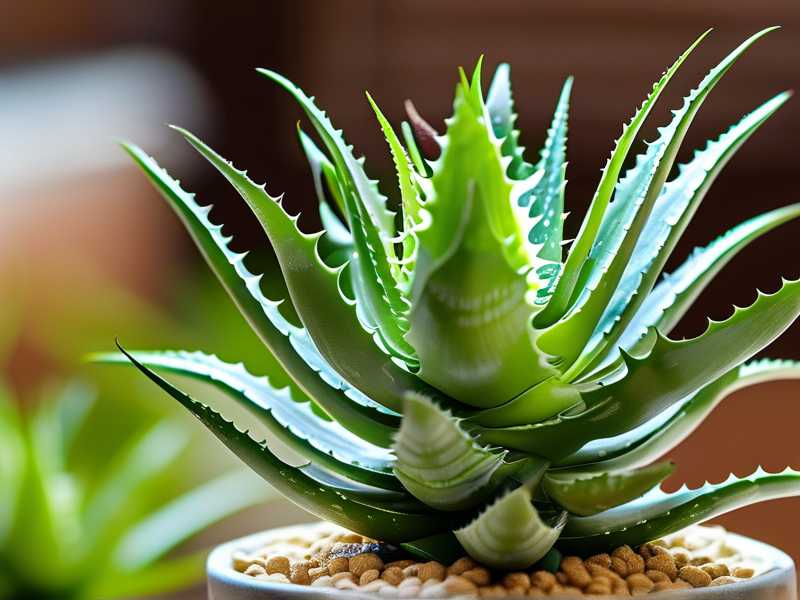
Fresh succulent mix already contains some nutrients. That is why I do not fertilize a newly repotted aloe for at least four to six months. The plant has everything it needs. Feeding right after repotting can burn freshly disturbed roots.
If you are repotting to refresh the soil every two to three years, you may find you rarely need to fertilize at all. That is the secret. Repotting is the best fertilizer for indoor aloe.
I repot my mature aloe about every two years. I do not always move it to a bigger pot. Sometimes I keep the same pot and just replace the old soil with fresh gritty mix. This removes accumulated salts, replenishes the mineral content, and gives the roots aeration. After repotting, I skip feeding until the following spring.
A quick side note on pot size. Aloe likes to be slightly root-bound. Moving it into a much larger pot can cause the soil to stay wet too long. That leads to root rot. Go up one pot size at a time. Repot in spring or early summer. Never in winter.
Common Problems That Look Like Fertilizer Issues But Are Not
Yellow leaves on indoor aloe can come from overwatering, poor drainage, low light, cold drafts, or root damage. Before adjusting fertilizer frequency, rule those out first.
If the yellowing starts at the outer leaves and the soil is wet, you are overwatering. Let the soil dry fully. Check the drainage hole. Move the pot somewhere warmer and brighter. If the yellowing starts at the tips with a white crust on the soil, it is more likely a fertilizer or salt issue.
Brown tips can also come from tap water with high fluoride or chlorine. I use rainwater or filtered water on my aloe when I can. When I used heavily chlorinated tap water for a full season, the tips browned even though I never fertilized. Switching to filtered water stopped the tip burn within a couple of months.
Mealybugs and aloe scale are common indoor pests. Mealybugs look like tiny white cotton tufts in the leaf joints. Scale looks like small brown bumps. Both can cause yellowing and weak growth. A plant under pest stress should not be fertilized. Treat the pests first with a cotton swab dipped in rubbing alcohol or an insecticidal soap. Then return to normal care after the plant recovers.
How I Monitor My Aloe After Adjusting Fertilizer Frequency
When I cut back on fertilizer or flush overfertilized soil, I give the plant two weeks before judging the results. Recovery is slow. Aloe does not bounce back overnight.
In the first week, I keep the plant in bright indirect light. I do not water again until the soil is dry. I watch for any new yellowing. If yellowing continues, I check the roots. I gently remove the plant from the pot and look for brown, mushy roots. Healthy aloe roots are pale yellow or white. If I find rot, I trim the bad roots with clean scissors, let the plant sit out for a day to callus, and repot in fresh dry succulent mix. No fertilizer. No water for several days.
In the second week, I look at the center of the rosette. Healthy new growth should be green and firm. If the center is greening up, the plant is recovering. I then resume a very light watering routine. I do not feed again for at least six months.
I kept notes on one aloe that I overfertilized in early summer. After flushing the soil, I left it unfertilized for eight months. By the following spring, the new leaves were firm and the yellow tips had stopped spreading. The damaged leaves did not fully recover, but they were slowly replaced by healthy growth. A year later, the plant produced its first pup since the stress. That was the sign it had fully bounced back.
Fertilizer Frequency for Aloe Pups and New Plants
Aloe pups, or offsets, need even less fertilizer than mature plants. I separate pups in spring when they are a few inches tall. I pot them in the same gritty mix. I do not fertilize them at all for the first six months. Their small root systems are delicate. Feeding too early can burn them.
After six months, if the pup is growing well in bright light, I give it one very light feed at quarter strength. Or I simply repot into fresh soil and skip the fertilizer altogether. Honestly, with pups, fresh soil is enough.
Newly purchased aloe from a garden center has usually been grown in optimal nursery conditions. The soil may already contain slow-release fertilizer. I do not feed a new aloe for at least three months after bringing it home. Let it adjust to your light and watering routine first.
What the Experts Say
The RHS advises that succulents require only occasional feeding during the growing season. Their general guidance is to feed sparingly, often at a reduced rate. The AHS similarly notes that succulent plants have low fertility needs compared with tropical foliage plants. Both organizations emphasize that overwatering and poorly drained soil are far more common causes of indoor succulent failure than nutrient deficiency.
This matches my own experience. I have grown aloe in five different homes across two countries. The healthiest plants were always the ones I mostly ignored. Bright light. Gritty soil. Occasional water. Rare feeding. That is the formula.
Frequently Asked Questions About Fertilizing Indoor Aloe Vera
How do I know if my aloe needs fertilizer at all?
Look at the new growth. If leaves are firm, green, and growing at a steady pace, the plant does not need feeding. If the soil is fresh and the plant is in good light, it probably has enough nutrients. Fertilizer is only useful when a healthy plant is actively growing in bright conditions and the soil is old or depleted. Most indoor aloe plants never show true nutrient deficiency. Weak growth is far more likely caused by low light or overwatering than by a lack of fertilizer.
Can I use compost instead of liquid fertilizer for aloe?
Yes. A small amount of screened compost or worm castings mixed into the soil at repotting time works well. I add about one part compost to three or four parts gritty mineral mix. This gives a slow release of nutrients without the salt risk of synthetic fertilizers. I then skip liquid feeding entirely for the growing season. The compost does the job. If you use compost, do not also feed with liquid fertilizer. That would be double feeding and can push the soil nutrient level too high.
What is the safest way to fertilize a potted aloe without burning the roots?
Dilute a liquid succulent fertilizer to one-quarter of the recommended strength. Water the soil lightly first. Apply the weak fertilizer solution until a little water drains from the bottom. Do not get fertilizer on the leaves, especially in the center of the rosette. Do it in the morning so any moisture on the leaves dries during the day. Then do not fertilize again