bluename
 If you are trying to figure out how to supplement nutrients for slow-growing aloe plants, the fastest fix is usually not more fertilizer. Most of the time, stalled growth comes down to soil, light, or watering. I learned this the hard way after nearly killing my first three aloes with liquid plant food. Once I corrected the root zone and switched to a lean feeding schedule, my aloes started pushing out new leaves within about two weeks. Breaking the old care habits made a bigger difference than any product I bought.
Aloe plants are often sold as unkillable houseplants. That reputation is both a blessing and a curse. They do tolerate neglect better than many succulents. However, a slow-growing aloe is usually trying to tell you something. The plant is not lazy. It is responding to stress, pot size, light quality, or a nutrient imbalance that has quietly built up over months.
My name is Mara, and I have been growing aloes indoors and on a sheltered balcony for over a decade. I am not a botanist. I am just someone who has made almost every aloe mistake possible and kept notes along the way. In this guide, I want to share what actually worked for me when my aloe plants stopped growing. You will also see what did not work, because knowing what to avoid is half the battle.
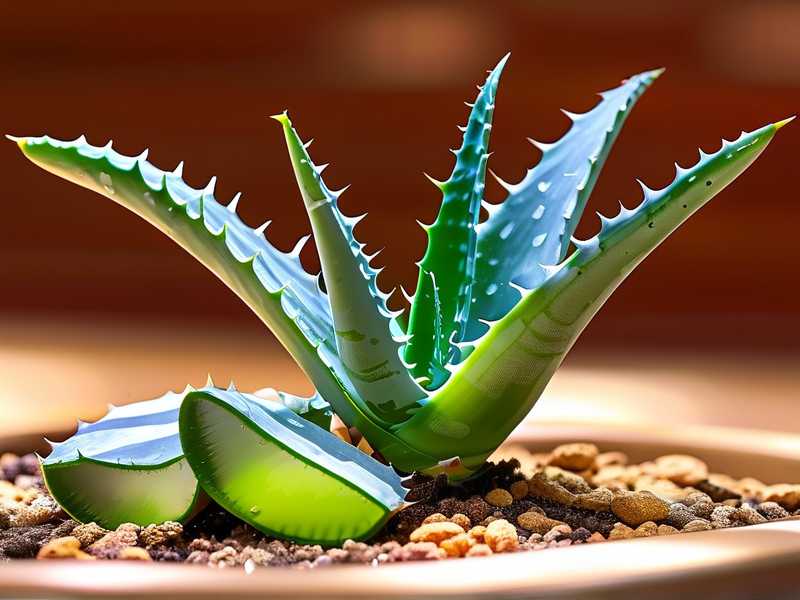
Before I get into the feeding details, here is the most important sentence in this whole article. 90% of indoor plants die from overwatering. That includes aloes. When an aloe is overwatered, its roots stop functioning well. No amount of fertilizer will fix that. In fact, feeding a stressed, wet aloe can make things worse. So we start with the roots, then we talk about nutrients.
The real goal is not to pump the plant full of supplements. It is to create conditions where the aloe can actually absorb what is already in the soil. Once that happens, growth resumes naturally.
Why Your Aloe Is Growing Slowly
Slow growth in aloe plants rarely has one single cause. It is usually a combination of low light, old compacted soil, a pot that is too large or too small, and feeding at the wrong time. I have seen aloes sit unchanged for six months, then flush out three new leaves within a few weeks after a soil refresh.
One of my worst cases was an Aloe vera pup I separated from a garden center plant. It sat in a dark corner of my kitchen for most of a winter. I fed it every month, thinking I was helping. The leaves stayed thin and pale. The roots were barely moving. When I finally moved it to a bright east-facing windowsill and stopped fertilizing for a while, the center of the rosette started greening up within two weeks.
That case taught me something important. Nutrients are only useful when the plant is actively photosynthesizing and the root zone is healthy. If those basics are off, supplements will not compensate.
How Aloe Growth Works
Aloes are succulents adapted to bright, dry environments. They store water in their thick leaves. Their root systems are relatively shallow and fibrous. In nature, they often grow in rocky or sandy soil with low organic matter. That means their nutrient needs are naturally modest.
An aloe that is warm, well-lit, and slightly root-bound will grow steadily. It does not need constant feeding. It needs consistency. The most active growth usually happens in spring and early summer. During those months, a lean feeding routine can support new leaf production. Outside that window, I feed very little or not at all.
Light Before Nutrition
If you want to supplement nutrients for slow-growing aloe plants, you first need to give the plant enough light to use those nutrients. Aloes need bright light for at least six hours a day. Direct morning sun is excellent. Hot afternoon sun can be too intense, especially indoors behind glass or on a scorching balcony.
I have grown Aloe vera, Aloe aristata, and a few hybrid aloes. They all responded differently to light. The common Aloe vera handled a south-facing window well in winter but burned slightly in July. That surprised me, because everyone says aloes love full sun. The truth is indoor aloes and potted balcony aloes need some adjustment time.
Signs of Too Little Light
A light-starved aloe often looks stretched. The leaves may bend outward or downward. The plant may become top-heavy. The color shifts toward a dull, washed-out green. Growth slows dramatically. This is the classic picture of an aloe that is surviving but not thriving.
I kept an aloe in a north-facing bathroom for about a year. It never rotted. It also never grew. When I moved it to a bright windowsill, the difference was visible in under three weeks. The center leaves stood upright and became more rigid.
Signs of Too Much Light
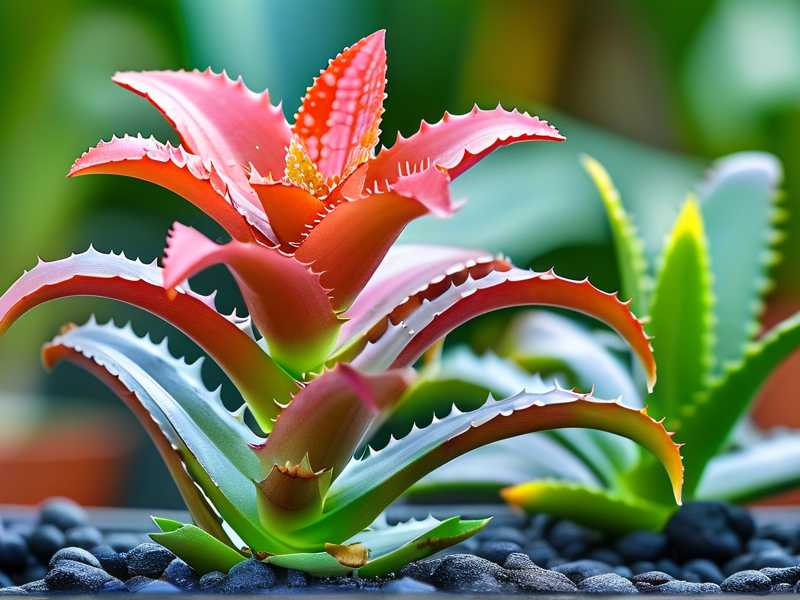
Too much direct sun, especially after a dark winter, can cause reddish or brown patches on the leaves. Some aloe varieties naturally blush red or orange in bright sun. That is not always a problem. But if the tissue looks dry, sunken, or crispy, the plant is stressed.
My balcony aloe burned once during a heatwave. The temperature hit 40°C, and the afternoon sun reflected off a white wall. The outer leaves developed bleached patches. I moved the pot to a spot with filtered afternoon shade and stopped feeding for a month. The plant survived, but those scars never faded.
Practical Light Advice
Indoors, an east- or west-facing windowsill works for many aloes. South-facing windows are great in cooler months. Outdoors, morning sun with afternoon shade is safest. If you are moving an aloe from indoors to outdoors in spring, harden it off over a week or two. Start with one hour of morning sun and increase gradually.
According to the Royal Horticultural Society, most aloes need a minimum temperature of around 10°C and do best in bright, well-ventilated conditions. The RHS also recommends a very free-draining compost for succulents, which brings me to the next point.
The Root Zone Matters More Than Fertilizer
Before you supplement nutrients for slow-growing aloe plants, check the soil. If the aloe has been in the same pot for two or three years, the soil may be compacted. Peat-based mixes break down over time. They hold more water and less air. The roots sit wet for too long. The plant stalls.
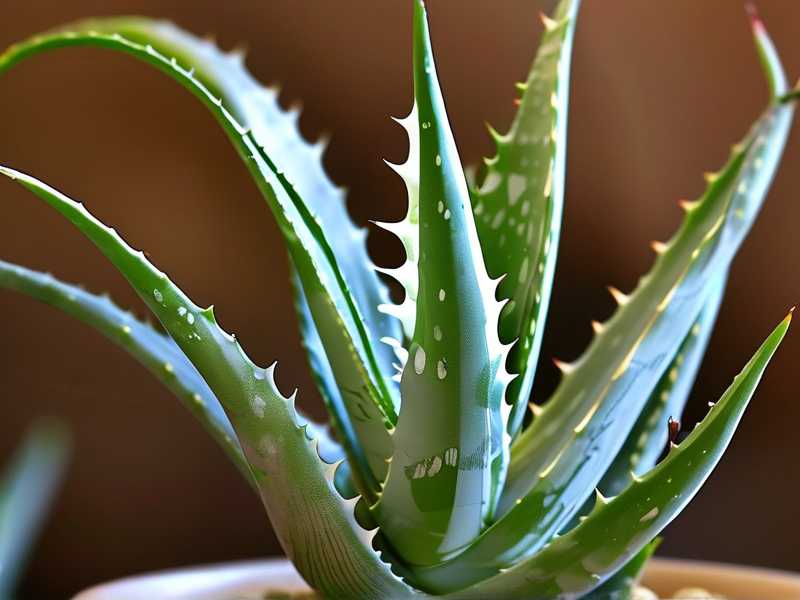
I once repotted an aloe that had not grown in months. The soil had shrunk away from the sides of the pot. It was hard and hydrophobic. Water was running straight down the gap without wetting the root ball. The plant was effectively starving while standing in damp pockets. After repotting into a gritty mix, it recovered quickly.
Best Soil Mix for Aloes
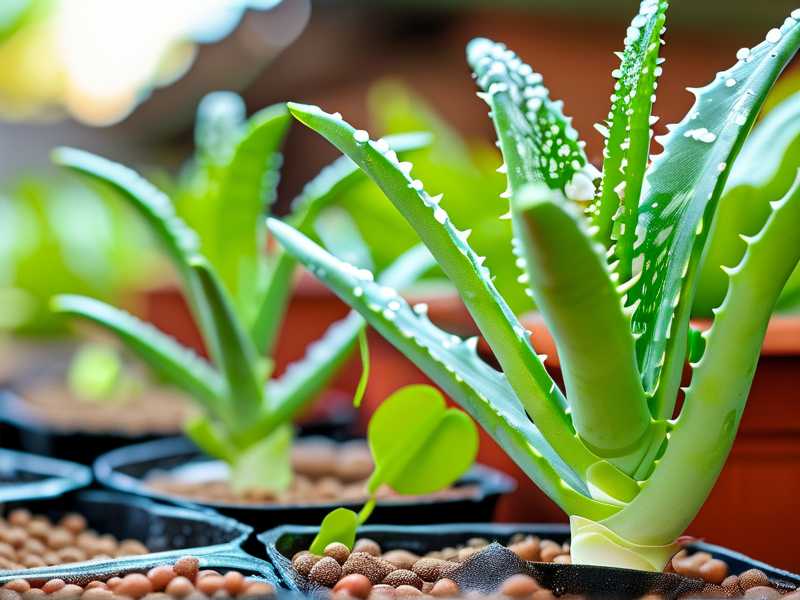
I use a simple mix. Two parts cactus and succulent potting mix to one part coarse perlite or pumice. For outdoor pots in a rainy climate, I use even more grit. The goal is for water to drain through within seconds, not minutes.
The American Horticultural Society notes that succulents generally prefer a loose, well-aerated growing medium and containers with drainage holes. The AHS also emphasizes matching container size to the root system, which is something I ignored for years.
Why Pot Size Affects Growth
Aloes like to be slightly snug. A pot that is too large holds excess soil. That soil stays wet longer. The roots sit in moisture and grow slowly. A pot that is too small can restrict growth and tip over. I usually choose a pot that is about two to three centimeters wider than the root ball.
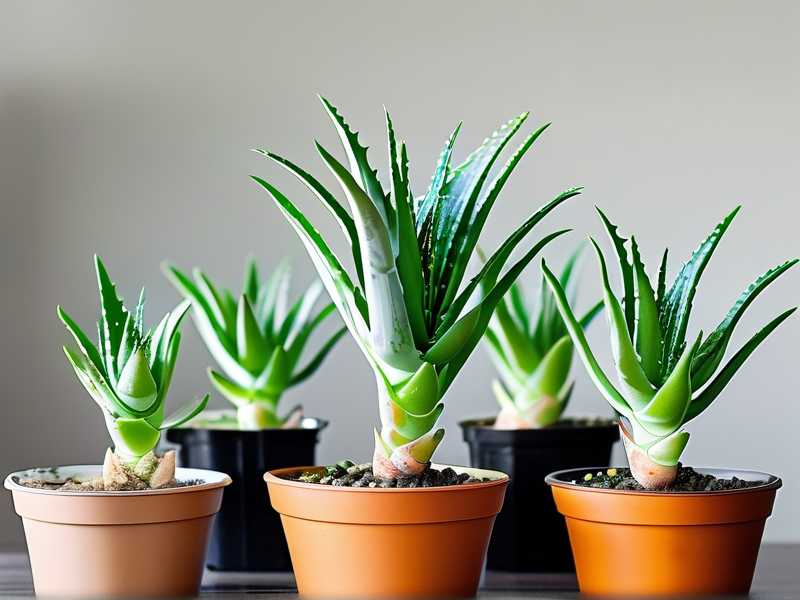
I planted a small aloe pup in a large decorative pot because I wanted it to look nice. The plant stayed the same size for almost a year. When I moved it into a smaller terracotta pot, it doubled in size over one growing season. Terracotta also helps because it breathes and allows moisture to escape through the walls.
How to Supplement Nutrients for Slow-Growing Aloe Plants Without Overdoing It
Now we get to the feeding part. The phrase “how to supplement nutrients for slow-growing aloe plants” usually makes people reach for a bottle of fertilizer. I get it. When a plant stalls, feeding feels like doing something. But with aloes, less is more.
I feed my aloes only during active growth. That means spring and early summer. I skip feeding in late autumn and winter. I also skip feeding after repotting for at least six to eight weeks, because fresh soil already contains nutrients.
Choosing a Fertilizer
For aloes, I prefer a balanced liquid fertilizer diluted to half or quarter strength. A formula with an NPK ratio around 10-10-10 or 5-10-10 works, but the dilution matters more than the brand. I have also used tomato fertilizer at quarter strength in spring. It gave a slight boost without causing floppy growth.
Some growers use slow-release granules. I have tried them, but I found them harder to control. If a heatwave hit or the plant went dormant early, the granules kept releasing. For indoor aloes, I now stick to liquid feeds that I can control.
My Two-Week Observation
This spring, I ran a small experiment on three aloe plants of the same size. One got no fertilizer. One got half-strength liquid feed every two weeks. One got full-strength feed every week. The half-strength group produced the firmest new growth. The full-strength group grew slightly faster at first, but the leaves were softer and paler. The unfed group lagged behind.
After two weeks, the half-strength aloe had a noticeably brighter center and one new leaf emerging. The unfed plant was stable but slow. The overfed plant began to look a bit stretched. I stopped the full-strength feeding and flushed the soil with plain water. It took another month for that plant to firm up again.
When Not to Fertilize
Never feed a dry, stressed, or recently repotted aloe. Never feed a plant that is sitting in cold, dark conditions. Never feed to “fix” yellow leaves without checking the roots first. I have made that mistake. The yellowing was from root rot, and the fertilizer only accelerated the decline.
If you are unsure, wait. Aloes can survive months without feeding. They cannot survive root damage from overfeeding or overwatering.
Watering Before Feeding
An aloe with damaged roots cannot absorb nutrients, no matter what you add. So before any supplement routine, I check my watering habits.
The classic mistake is watering on a weekly schedule. I used to do this. Every Sunday, I watered all my succulents. Some were fine. Others rotted. Aloes do not need a schedule. They need dry soil between waterings.
How I Water Now
I wait until the soil is completely dry. For indoor aloes, that can take two to four weeks depending on the season. I check with a wooden skewer or my finger. If there is any moisture at the bottom of the pot, I wait. When I do water, I soak the soil thoroughly until water runs from the drainage holes. Then I let it drain completely.
I also avoid getting water in the center of the rosette. Water sitting in the crown can cause rot. I water the soil directly, not the leaves.
The Overwatering and Underfeeding Connection
Overwatered aloe leaves often turn yellow, soft, or translucent. Some people mistake this for a nutrient deficiency. They then add fertilizer. That is the worst possible response. If the roots are drowning, the plant cannot process the feed. The soil becomes a salty, soggy mess.
If your aloe looks pale and soft, check the roots before adding anything. Slide the plant out of the pot. Healthy roots are firm and light-colored. Rotted roots are dark, mushy, and smell bad. I have saved a few aloes by trimming rotted roots and repotting in dry gritty mix. But I have lost more by waiting too long.
Common Nutrient Deficiencies in Aloe Plants
True nutrient deficiencies are less common than people think. But they do happen, especially in very old potting soil or heavily leached outdoor pots.
Nitrogen Deficiency
A lack of nitrogen can cause slow growth and pale older leaves. The plant looks washed out. This is more common in aloes that have been in the same soil for several years. A light feeding in spring usually resolves it.
Potassium Deficiency
Potassium issues sometimes show as brown or yellow edges on older leaves. The leaf tips may look scorched. Potassium also helps with water regulation, which matters for succulents. But before blaming potassium, rule out sunburn or salt buildup from hard water.
Magnesium Deficiency
Magnesium deficiency is rare in aloes but can appear as interveinal yellowing on older leaves. I have seen it once in a plant watered exclusively with very soft water. A diluted Epsom salt solution once in spring helped, but I keep that to a minimum.
In most home situations, a standard balanced feed at quarter to half strength is enough. I do not chase deficiencies unless I have ruled out watering, light, and root problems first.
Seasonal Care and Feeding Schedule
The way I supplement nutrients for slow-growing aloe plants changes with the seasons. Aloes are not equally hungry all year.
Spring Routine
Spring is when I repot if needed. I trim off any dead outer leaves. I check the roots. After repotting, I wait at least six weeks before feeding. If I am not repotting, I start feeding with a diluted liquid fertilizer every three to four weeks.
Spring is also when I gradually increase light exposure. I do not move a dark winter aloe straight into full sun. The plant needs time to adjust.
Summer Routine
Summer is active growth time for many aloes, but it is also heat stress season. I water more often if the plant is outdoors and drying quickly. I feed lightly. If temperatures exceed 35°C, I stop feeding and focus on ventilation and shade.
One summer, I left an aloe in a closed sunroom. The heat was extreme. The leaves went limp from heat stress, not underwatering. I moved the pot to a cooler spot with air movement. The plant recovered within days.
Autumn Routine
In autumn, I reduce feeding. The days shorten, and growth slows. I water less. I also move outdoor aloes indoors before night temperatures drop too low. I clean the leaves gently with a dry brush to remove dust and check for pests.
Feeding in autumn is usually unnecessary. The plant is not growing quickly. Extra nutrients can sit in the soil and cause salt buildup.
Winter Routine
Winter is the most dangerous season for indoor aloes. The plant is in a rest phase. I stop fertilizer completely. I water very sparingly, sometimes only once a month or less. The pot stays in the brightest available spot.
Cold windowsills can be a problem at night. I use a thin cork mat under the pot if the sill is freezing. I keep the plant away from radiators, which dry the air and overheat the root zone.
Repotting as a Nutrient Reset
Sometimes the best way to supplement nutrients for slow-growing aloe plants is not to feed them. It is to repot them. Fresh soil resets the root environment. It provides new minerals and better drainage.
I repot most aloes every two to three years. If the roots are circling the pot or pushing out of the drainage holes, it is time. I repot in spring when the plant is entering active growth.
Repotting Steps I Follow
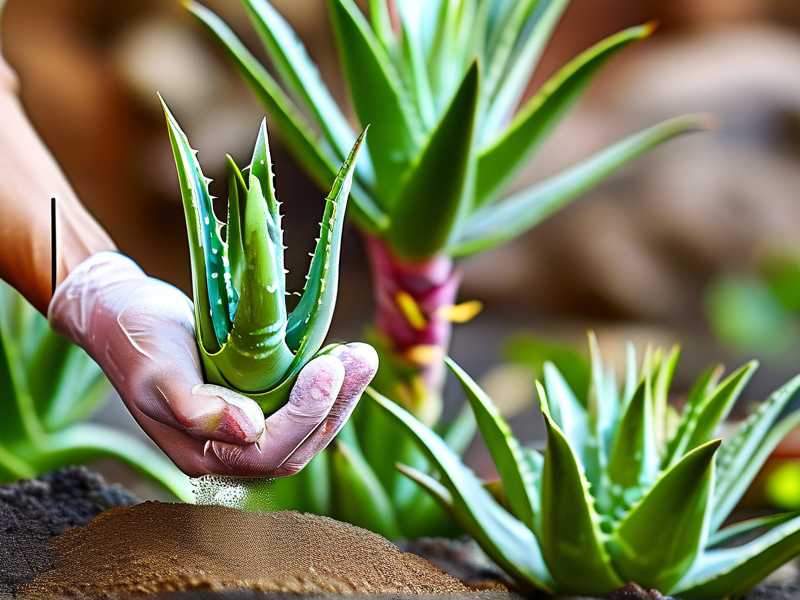
First, I water the plant lightly a day or two before repotting. That makes the root ball easier to handle. I choose a pot only slightly larger than the old one. I place a small piece of mesh over the drainage hole. Then I add a layer of gritty mix.
I remove the aloe from the old pot and gently shake off old soil. I do not wash the roots aggressively. If I see rot, I trim it with clean scissors. I set the plant in the new pot at the same depth as before. Then I fill around the roots with dry gritty mix and wait about a week before watering.
That waiting period is important. It lets damaged roots heal. Watering immediately after repotting can introduce rot into small tears.
The Three Fatal Mistakes Beginners Make
I see the same three mistakes again and again. I made them all myself in the beginning.
Mistake One: Overwatering
This is the big one. New aloe owners often water too frequently because the soil surface looks dry. They do not check deeper. The lower roots sit in moisture. Over time, the roots rot. The plant looks limp, so the owner waters more. The cycle gets worse.
I lost my first aloe this way. I watered it every five days because the top of the soil was bone dry. The pot had no drainage hole. When I finally pulled the plant out, the roots were black and smelled terrible. The soil at the bottom was soaked.
Mistake Two: Wrong Light Placement
Many people place aloes in low-light rooms because the plant is “low maintenance.” Aloes can survive low light for a while, but they will not grow well. They lean toward the window and lose their compact shape.
I kept an aloe in a dim hallway for months. It did not die. It just existed in limbo. The leaves were thin and curved. When I moved it to a bright window, the new growth was upright and thick. The old misshapen leaves never corrected, but the plant itself improved.
Mistake Three: Using the Wrong Pot
Pots without drainage holes are the enemy of succulents. I used a pretty glazed pot with no hole for one of my first aloes. I thought a layer of pebbles at the bottom would help. It did not. The water pooled below the roots and caused rot.
Now I only use pots with drainage. Terracotta is my favorite because it dries evenly. Glazed ceramic and plastic can work, but they need less frequent watering.
Pests and Problems That Slow Growth
Sometimes a slow-growing aloe has pests. They are not always obvious. I found mealybugs on one of my aloes after noticing the plant had stopped growing and the leaves looked slightly fuzzy at the base.
Mealybugs
Mealybugs look like small white cottony clusters. They often hide in the leaf joints. I treat them by dabbing the insects with isopropyl alcohol on a cotton swab. For heavier infestations, I use insecticidal soap. I isolate the plant to prevent spread.
Scale
Scale insects are small brown bumps on the leaves. They can slow growth by sucking sap. I have removed them with a soft toothbrush and soapy water. Repeating the treatment weekly for a month usually clears them.
Fungus Gnats
Fungus gnats are more of a nuisance than a serious threat, but their larvae can damage roots in moist soil. Letting the soil dry completely between waterings is the best prevention.
Leaf Problems
Yellow lower leaves can be normal aging. If the leaf is dry and papery at the outer edge, it is often just old. I leave it until it fully withers. Soft yellow leaves are more concerning and usually point to overwatering.
Brown tips on aloe leaves are common. They can come from dry air, sunburn, or salt buildup. If I see brown