bluename
 How to Apply Base Fertilizer for Newly Potted Aloe Vera
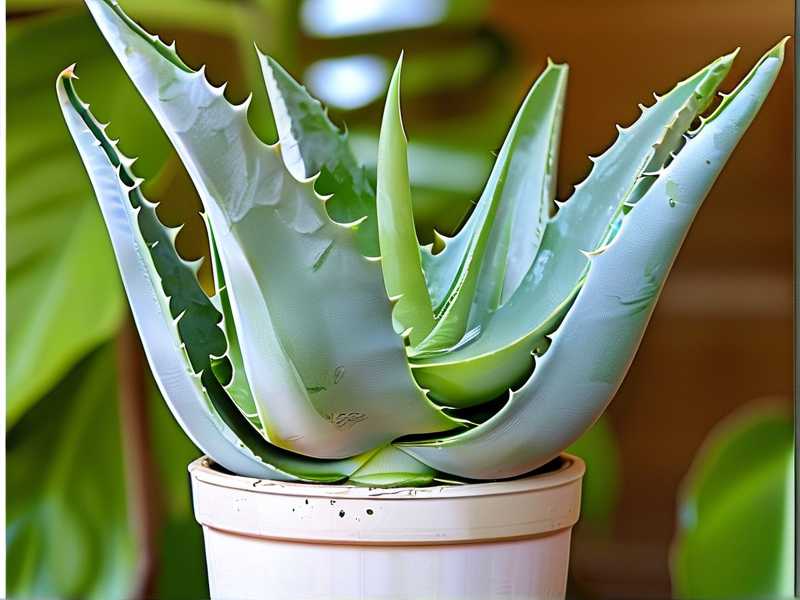
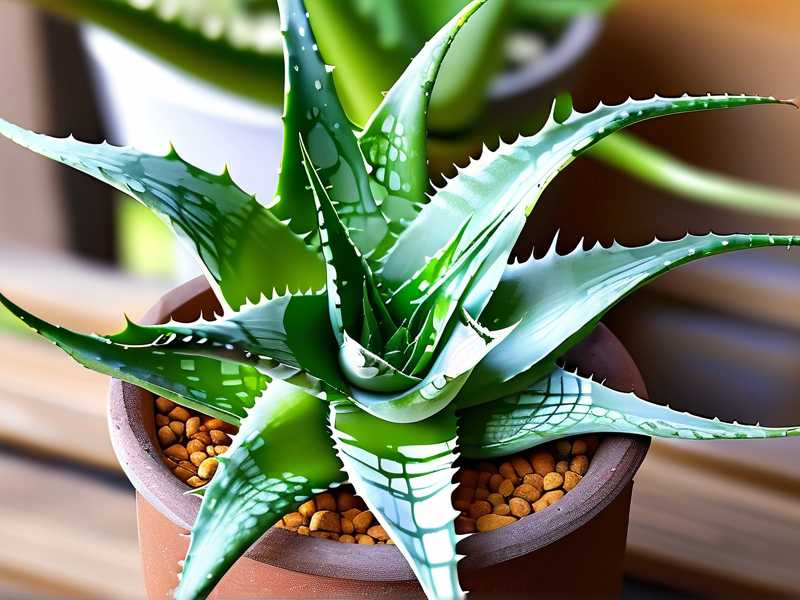
If you just potted an aloe vera and you are wondering whether to feed it right away, the short answer is: do not rush. The best way to apply base fertilizer for newly potted aloe vera is to work a small amount of slow-release, low-nitrogen granular feed into the lower third of the potting mix, away from the roots, or to skip fertilizer entirely for the first six to eight weeks. I learned this after burning the roots on my second aloe with a liquid feed the same week I repotted it. The plant turned pale, went soft at the base, and never fully recovered. Aloe vera is not a heavy feeder. It is a tough succulent that stores nutrients in its thick leaves and shallow roots. Most potting mixes already contain enough nutrition for the first couple of months. So when people ask me how to fertilize a freshly potted aloe, I tell them that the base fertilizer is more about soil structure and mild nutrient reserve than about pushing fast growth.
I have grown aloe vera on a sunny kitchen windowsill in the UK and on a covered balcony in a hot, dry climate. The plant behaves a little differently depending on light and temperature, but one thing stays the same: it forgives neglect more than it forgives overfeeding. Newly potted aloe vera has enough stored energy to settle in without extra food. In fact, 90% of indoor plants die from overwatering, and aloe is no exception. Add fertilizer too early and you are stacking stress on top of stress. Let me break down exactly how I apply base fertilizer now, what I use, and what I avoid.
What Base Fertilizer Means for Aloe Vera
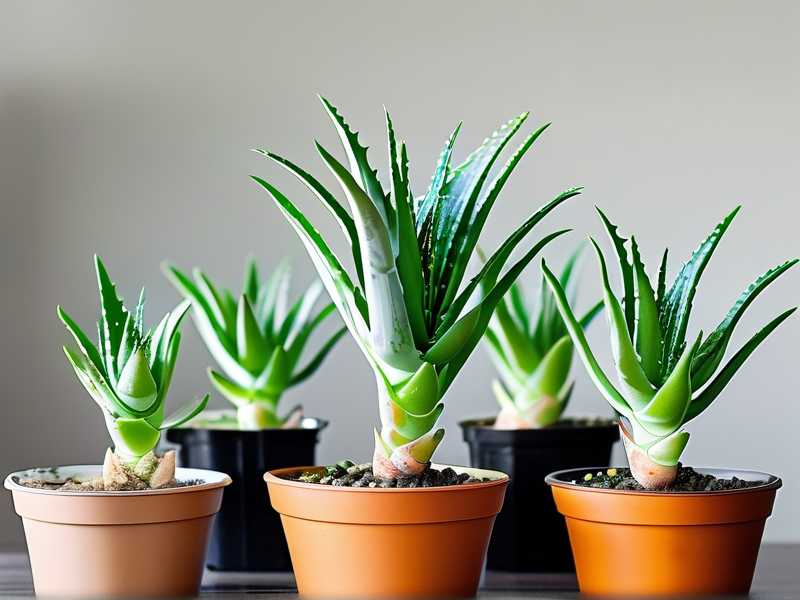
Base fertilizer is not a special product. It simply means the slow-release feed you mix into the soil before or during planting so the roots have a gentle nutrient supply later. For aloe vera, I keep this extremely light. The plant comes from arid, rocky soils in places like the Arabian Peninsula. Those soils are not rich. Aloe has evolved to handle low fertility.
I use a granular succulent fertilizer with an NPK around 1-1-1 or 2-1-2. Anything too high in nitrogen will push soft, floppy growth. That makes the leaves weak and more attractive to pests. I only use organic or coated mineral granules that break down over two or three months. I never use a strong liquid feed as a base fertilizer for newly potted aloe vera because the roots are too sensitive right after transplant.
My simple rule is this: if the potting mix already says “with added slow-release fertilizer” on the bag, I do not add anything. Most good cactus and succulent mixes contain enough for at least eight weeks. Adding more is wasted and can burn the root tips.
Step-by-Step: How I Apply Base Fertilizer for Newly Potted Aloe Vera
Let me walk you through the method I use now after several failed attempts with overfed plants.
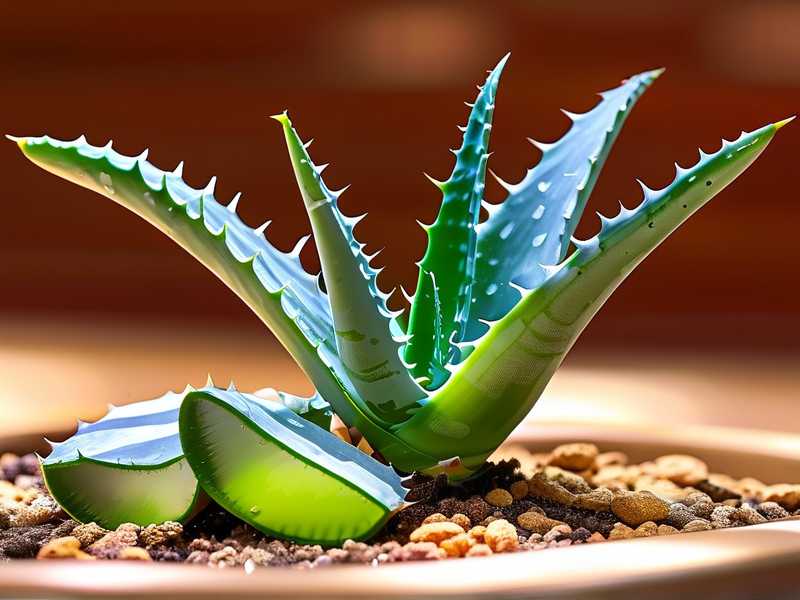
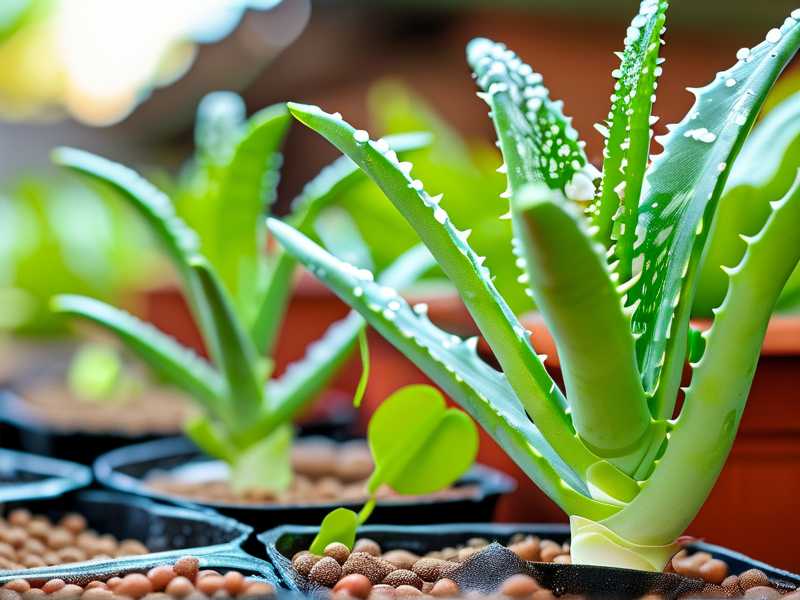
First, I choose the right pot. It must have at least one drainage hole. Terracotta is my favorite because it breathes. Plastic works too, but I water less often. The pot should only be one size up from the old root ball. A huge pot holds too much damp mix around the roots and that is a recipe for rot.
For the soil, I build a simple mix. Two parts cactus soil, one part perlite or pumice, and a little coarse sand if I have it. This mix drains fast. Aloe hates sitting in water. If you want to be precise, the RHS recommends free-draining gritty compost for succulents, and that guidance matches what I have found through trial and error. You can dig deeper into their care notes on the RHS website here.
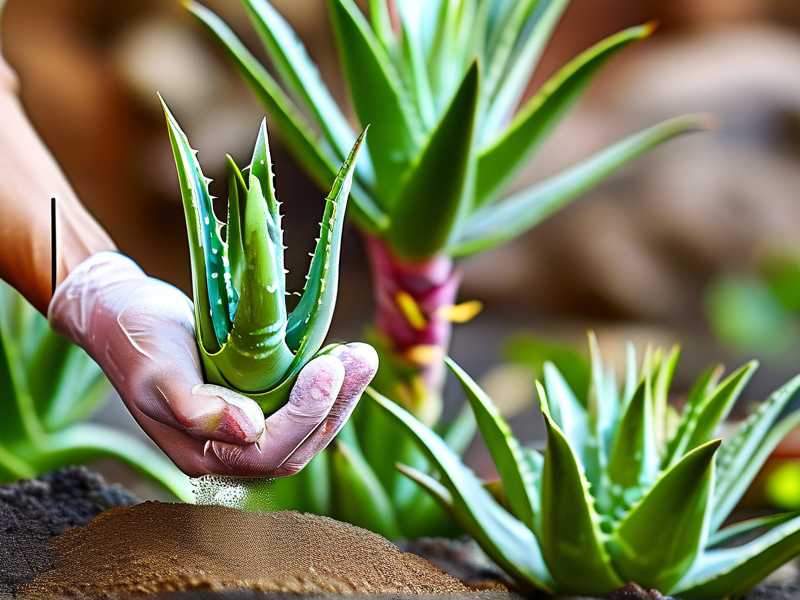
Now for the base fertilizer itself. After adding a few inches of soil to the bottom of the pot, I sprinkle about a quarter teaspoon of slow-release granules over that layer. If the pot is very small, I use even less. Then I add a thin layer of plain soil on top so the roots do not sit directly on the granules. This buffer layer is important. It lets the roots grow downward and reach the nutrients slowly rather than getting scorched on day one.
Next, I set the aloe in place and fill around the roots with more plain mix. I do not mix extra fertilizer into the upper layers. The base fertilizer stays low. The topsoil stays unfertilized. This encourages roots to grow down. It also prevents nutrient salts from concentrating right at the stem base. After planting, I do not water for two or three days. This gives any tiny root damage time to callus. When I do water, I water from the top until it runs out the bottom, but only once the soil is dry.
What I Observed Over Two Weeks
I repotted a small aloe pup this spring using exactly this method. For the first week, I kept it in bright indirect light. I did not water it. I did not feed it anything extra. The outer leaves looked a little dull for a few days, which is normal after transplant shock.
By day seven, the center of the rosetette looked firmer and slightly greener. I moved it to a spot with about four hours of direct morning sun. By day ten, I gave it its first light watering. I noticed the leaves plumped up but did not become translucent or yellow, which told me the roots were drawing water properly.
By day fourteen, I saw the first sign of new root activity. I could tell because the plant stopped wobbling when I touched the pot. The base fertilizer had not caused any leaf burn. There was no crust of white salts on the soil surface. The plant looked settled, not stressed. That is exactly what I want after two weeks.
Common Mistakes I Made Before
I used to mix liquid tomato feed into the water right after repotting. That was a bad move. The new roots are raw and easily damaged. Within a week the leaves started turning brown at the tips and the plant went limp. I thought it needed more water, so I watered again. That made it worse. I lost that plant to root rot.
On another occasion, I used a rich houseplant compost with lots of nitrogen. The aloe grew fast but the leaves stayed narrow and pale. They bent over the pot rim. It looked nothing like a healthy succulent. Now I understand that aloe prefers lean soil. Slow growth is fine. Compact, thick leaves are healthier than long, soft ones.
Another mistake was choosing a decorative pot with no hole. I thought I could just water carefully. I could not. One extra splash during a cloudy week and the bottom stayed wet. The roots suffocated. Aloe roots need air as much as water. A pot without drainage is a slow death sentence for most succulents.
Three Fatal Beginner Errors
One, watering too much. Aloe stores water in its leaves. It can go weeks without a drink. New growers often water on a weekly schedule regardless of soil moisture. This is the fastest way to kill it. 90% of indoor plants die from overwatering, and aloe is especially sensitive because its roots rot quickly in wet soil.
Two, wrong light. Aloe loves bright light, but a newly potted plant can sunburn if you move it straight into hot afternoon sun. I transition mine over ten days. Not enough light is also a problem. In low light, the leaves stretch, lose their upright shape, and can become pale. The right balance is bright indirect light at first, then gentle direct morning sun.
Three, using the wrong pot. No drainage hole, or a pot that is far too big, creates a soggy root zone. Terracotta with drainage holes is the safest starting point. I have never lost an aloe to under-potting. I have lost several to over-potting.
When to Skip Base Fertilizer Completely
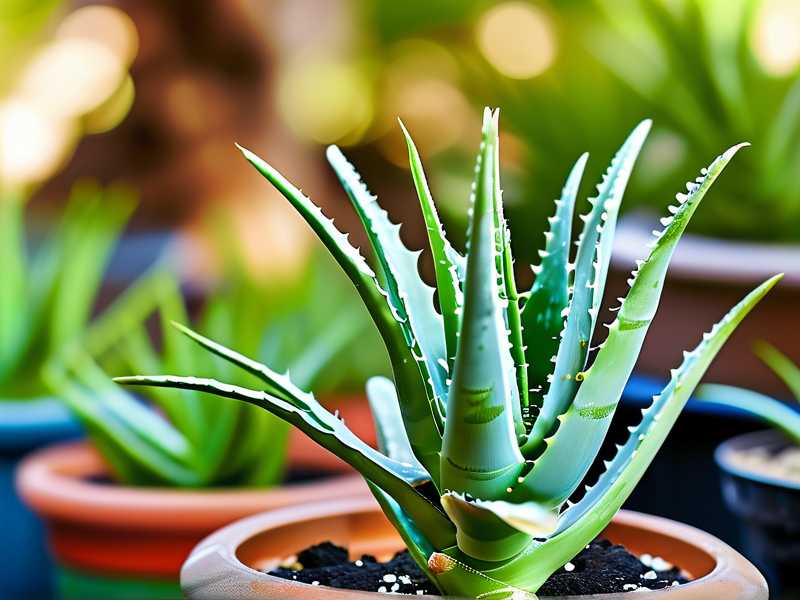
There are a few situations where I do not use any base fertilizer for newly potted aloe vera.
If the aloe is a small pup with very thin roots, I plant it in plain gritty mix and wait a full two months before thinking about feed. Young roots are too delicate.
If I repot during autumn or winter, I skip fertilizer entirely. The plant is slowing down. It will not use the nutrients. They just sit in the soil and can build up around the roots.
If the aloe looks stressed, yellowed, or just recovered from root rot, I give it clean, well-draining soil and no fertilizer. Recovery comes from stable moisture and good light, not from feeding.
If the bagged soil already contains fertilizer, I always skip extra base fertilizer. Double feeding is a common mistake. I check the bag label before doing anything else.
Feeding After the Base Fertilizer Runs Out
After about two or three months, the slow-release granules in my base layer are mostly spent. That is when I start with very diluted liquid succulent feed during the active growing season. I fertilize once every four to six weeks in spring and summer. I use a quarter to half the dose on the label. I never feed in autumn or winter because the plant rests.
I only feed when the soil is already moist. Feeding dry roots can burn them. I also skip feeding if the aloe looks stressed or if the weather has been very hot. Heat plus fertilizer can push weak growth and make the plant more vulnerable to pests.
Signs That Your Newly Potted Aloe Is Getting Too Much Fertilizer
If I see white crust on the soil surface, I know salts are building up. This can come from hard water or too much fertilizer. I flush the pot with plain water until it runs freely from the bottom, then let it dry completely before watering again.
If the leaf tips turn brown but the soil is dry, that can also be salt burn. I flush the mix and hold off feeding for a month.
If the leaves become soft and yellow at the base, that is often water or root damage. Too much fertilizer can mimic rot because damaged roots cannot take up water properly. I unpot the plant, check the roots, trim away any black or mushy sections, and repot in fresh gritty mix with no fertilizer at all.
Now I treat aloe like a low-maintenance desert plant, not a leafy houseplant. That shift in mindset fixed most of my problems.
A Few Practical Tips I Wish I Had Known Earlier
I keep a wooden chopstick near my aloe pots. Before watering, I push it into the soil. If it comes out clean and dry, I water. If bits of soil stick to it, I wait. This simple check has saved more aloes than any product or gadget.
I lift the pot after watering and again a few days later. A dry pot feels noticeably lighter. After a few weeks you learn the difference by hand. It sounds old-fashioned, but it works.
I put my aloe outside during warm, dry summer weeks, but only in a sheltered spot with bright shade at first. Outdoor air movement helps the soil dry faster and keeps the leaves firm. I bring it in before nighttime temperatures drop below 10°C. The National Gardening Association and AHS both highlight proper airflow and drainage for succulent health, and my own experience lines up with that advice. You can browse their resources here if you want a broader perspective on water-wise gardening.
Does Base Fertilizer Change Watering?
Not really. I still water based on soil dryness, not a calendar. The only difference is that I make sure the first few waterings drain well so the slow-release granules do not sit in a soggy layer. I water slowly around the outer edge of the pot rather than pouring it right at the stem. This pushes moisture through the mix evenly and prevents a permanently wet crown.
I also avoid saucers full of standing water. If water collects after ten minutes, I empty it. In winter, I water about once every four to six weeks, sometimes less. The plant’s leaves will tell you when it is thirsty. They get slightly thinner and the inner leaf surface looks a little concave. That is your cue.
A Note on Soil pH and Hard Water
Aloe is adaptable, but very hard tap water can raise soil pH over time. That can lock up nutrients and make the base fertilizer less effective. I occasionally water with collected rainwater when I can. It is soft and slightly acidic. If I only have tap water, I fill a jug and let it sit overnight so some chlorine dissipates. It is a small thing, but my aloes seem to respond well.
Frequently Asked Questions
Should I water immediately after potting aloe with base fertilizer?
No. Wait two or three days before the first watering. This allows any damaged roots to heal and prevents the slow-release granules from releasing too much too fast into open root tissue. After that, water only when the soil is dry.
Can I use regular houseplant fertilizer as a base fertilizer for newly potted aloe vera?
I would not recommend it. Regular houseplant feeds often contain too much nitrogen. That produces weak, soft growth. Use a granular succulent or cactus fertilizer with a low NPK, or skip base fertilizer altogether if the soil already has feed added.
How do I know if my newly potted aloe is root-burned from base fertilizer?
Look for brown leaf tips, pale or yellow leaves, a soft stem base, and no improvement after watering. If you suspect fertilizer burn, flush the pot with plain water and move the plant to bright indirect light. Do not feed again for at least a month. In severe cases, repot into fresh plain gritty mix.
The real trick with newly potted aloe vera is restraint. Give it a lean, gritty medium. Use a tiny amount of slow-release feed at the bottom of the pot, buffered by plain soil. Then leave it alone. Let the soil dry fully. Let the roots search for moisture. Let the plant settle in before you try to push growth. Every healthy aloe I have now grew slowly in poor soil with little fuss. The ones I lost were the ones I fussed over the most. If you are new to aloes, start with no base fertilizer at all and see how the plant does. You can always add a weak feed once it is actively growing. That simple, patient approach will take you further than any elaborate feeding schedule.