bluename
 Here’s how I use diluted fertilizer on my mature aloe without burning the roots or turning the leaves soft. Mix a balanced liquid houseplant food at quarter strength. Apply it only during spring and early summer. Water the soil first, then pour the dilute feed around the root zone. Do this once every four to six weeks. Skip feeding in fall and winter. If your aloe is rootbound, recovering from repotting, or sitting in low light, do not fertilize at all. I learned this the hard way after killing one aloe with kindness and another with soggy soil.
Aloe is one of those plants that quietly punishes overcare. It wants bright light, dry feet, and very little food. Mature plants store moisture and nutrients in their thick leaves, so they rarely need a heavy feeding schedule. Once you understand that, the whole routine becomes easier.
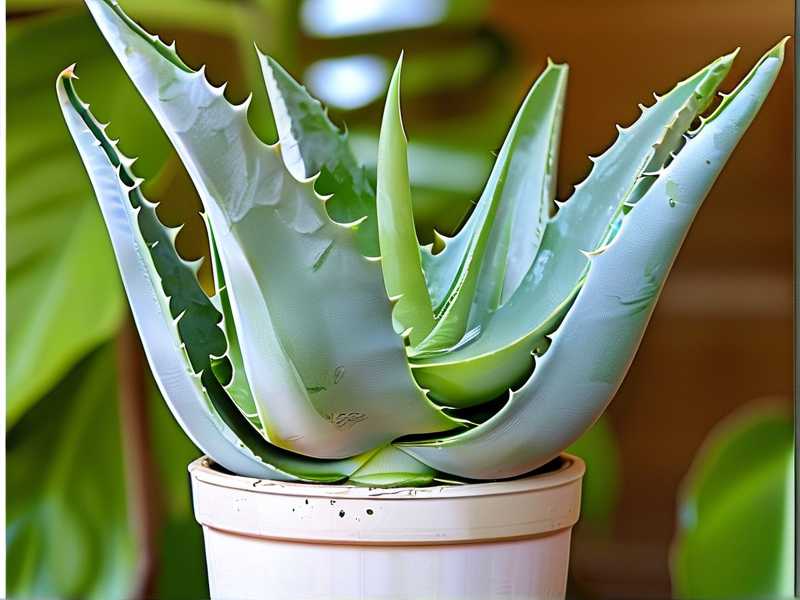
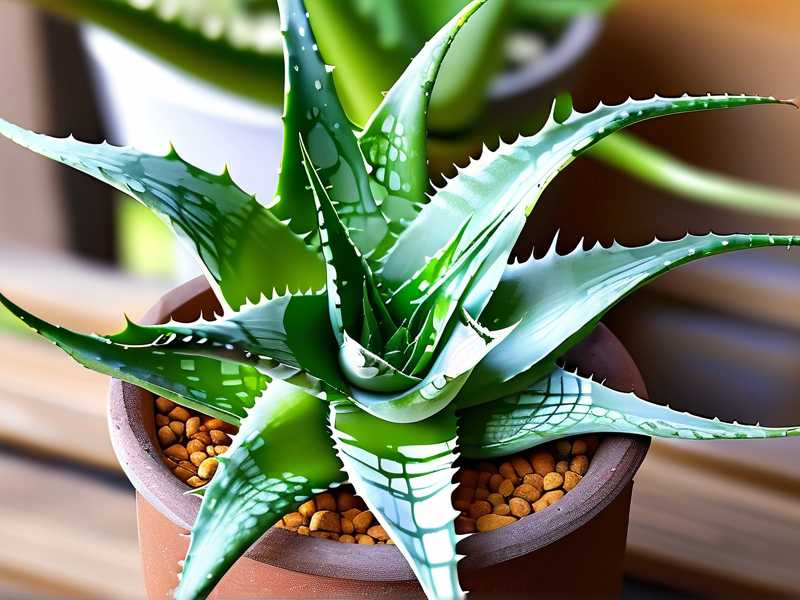
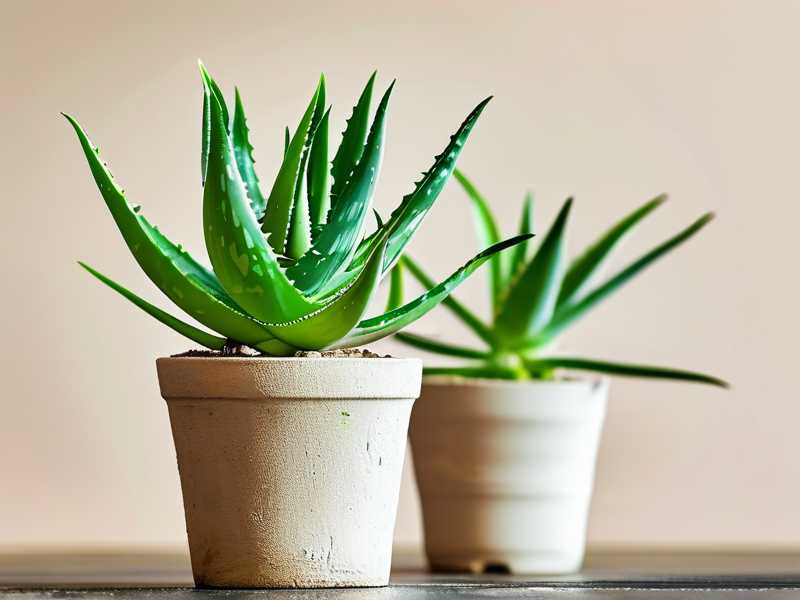
I keep several aloe plants on a south-facing windowsill. One of them is over eight years old. It has thick, gray-green leaves and produces pups every spring. I used to think it needed regular fertilizer to stay healthy. It didn’t. What it needed was less water and a very light touch with nutrients.
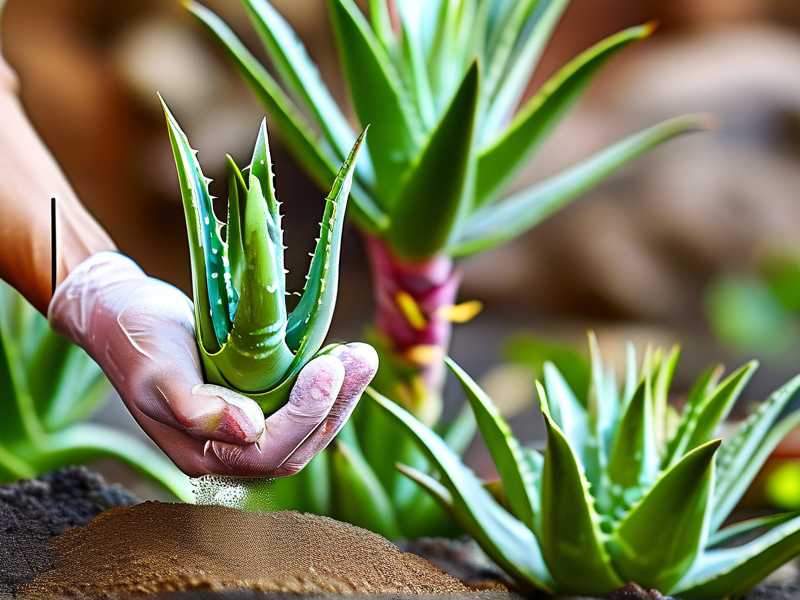
How to Use Diluted Fertilizer for Mature Aloe Maintenance
If you have a mature aloe that has been in the same pot for a few years, you might wonder whether it ever needs feeding. The short answer is yes, but only lightly and only at the right time. Mature aloes do use up some nutrients in their potting mix. However, they are succulents. Their native environments are lean and rocky. Too much fertilizer causes weak, floppy growth. It can also burn the roots and invite rot.
I now feed my mature aloe vera with a dilute liquid fertilizer once in late spring and sometimes once in early summer. That’s it. The plant stays firm and compact. The leaves keep their natural color. Most importantly, the roots stay healthy.
What Mature Aloe Actually Needs
Aloe plants, especially Aloe vera and similar varieties, are adapted to dry, nutrient-poor soils. In the wild, they grow in sandy or rocky ground. Rain comes rarely. Nutrients wash through quickly. That means aloe has evolved to survive on very little.
Because of this, fertilizer is not a major part of aloe care. Think of it as a small supplement, not a regular meal. When you feed too often or too strong, the plant absorbs more nitrogen than it can handle. The leaves grow too fast. They become pale, water-filled, and weak. The outer leaves may split. The plant loses that tight, sculptural shape.
I have done this before. I used a general-purpose fertilizer at full strength on a young aloe. Within three weeks, the center leaves turned yellow-green and grew tall and thin. It looked stretched. The lower leaves felt mushy. I flushed the soil with plain water and moved the plant to better light. It survived but took a full season to recover.
The lesson stuck. Mature aloe wants a lean diet.
When to Use Diluted Fertilizer
Timing matters more than brand. I feed mature aloe only during active growth. In the northern hemisphere, that means late spring through early summer. The plant is pushing out new leaves and possibly offsets.
I skip feeding in autumn and winter. During those months, aloe slows down. Extra nutrients just sit in the soil. They can build up as salts and stress the roots. If your home stays warm and bright all winter, your aloe may still grow a little. Even then, I don’t feed. It is easier to wait until spring.
If the plant was just repotted, I wait at least two or three months before feeding. Fresh potting mix has enough nutrients to support the plant. Adding fertilizer too soon can burn new roots.
If the aloe is stressed from pests, disease, or overwatering, I don’t feed. Fertilizer is not medicine. It makes stressed plants worse.
Best Type of Fertilizer for Aloe
I use a balanced liquid houseplant fertilizer. Something like a 10-10-10 or 20-20-20 works fine if diluted properly. Some gardeners prefer a fertilizer formulated for cacti and succulents. Those are often lower in nitrogen, which is even better.
I have used both. My current routine is simple. I take a liquid cactus fertilizer and mix it at one-quarter of the recommended strength. If the label says one teaspoon per gallon, I use a quarter teaspoon per gallon. When I used a standard houseplant fertilizer, I did the same. Quarter strength, no more.
Aloe responds well to mild feeding. It doesn’t need bloom boosters or special formulas. In fact, high-phosphorus fertilizers are unnecessary unless you are trying to force flowers. Mature aloe may bloom on its own if it gets enough light and a cool winter rest. Fertilizer is not the key to blooming.
There are also organic options. Diluted fish emulsion or seaweed extract can work. I have tried both. They smell a little indoors, but they are gentle. I still dilute them to quarter strength. However, any liquid fertilizer works if you keep the dose low.
How I Mix Diluted Fertilizer for Aloe
My process is very simple. I use a clean gallon jug. I fill it with room-temperature water. Then I add a quarter of the fertilizer dose recommended on the label.
One thing I learned is to never feed bone-dry soil. Fertilizer salts can burn dry roots. So I water the plant lightly first. I wait about ten minutes. Then I pour the dilute fertilizer slowly over the soil surface. I stop when a little liquid drains from the bottom.
During the two weeks after feeding, I keep an eye on the leaves. If they stay firm and the color looks good, the dose was fine. If the leaf tips turn brown or the plant looks softer, I flush the soil with plain water. That has only happened once. The plant bounced back after a week.
I repeat this only once more in early summer if the plant is actively growing. After that, I stop feeding.
The Two-Week Observation After Feeding
I want to be honest about what I actually saw. The first time I fed my mature aloe with diluted fertilizer, I was nervous. I had overfed a plant years before and the memory stuck.
Day one: I watered lightly, then applied quarter-strength liquid feed. The soil drained well. No standing water in the saucer.
Day three: No visible change. Leaves felt the same.
Day seven: The center of the rosette looked a little brighter green. That was expected. New growth was responding.
Day ten: The new inner leaves looked plump but not bloated. The outer leaves stayed firm. No yellowing.
Day fourteen: The plant looked healthy. The color was balanced. The texture was still rigid. No soft spots.
I repeated the application once more four weeks later. The plant continued to grow at a steady, natural pace. It didn’t stretch. It didn’t flop. That is exactly what you want with a mature aloe.
How Often to Fertilize Mature Aloe
I feed mature aloe once or twice a year. If the plant is in fresh soil and good light, once may be enough. If it has been in the same pot for two or three years, I may feed twice in spring and early summer.
Some people feed every month in the growing season. I think that’s too much for aloe. Even with dilute fertilizer, monthly feeding can lead to salt buildup. The plant simply does not use that many nutrients. I prefer to keep the soil lean.
It’s also fine to skip a year entirely. If the plant looks healthy and the leaves are firm, it doesn’t need food. I have skipped feeding on my oldest aloe for a full year. It didn’t complain.
The truth is that light and proper watering do far more for aloe than fertilizer ever will.
Watering Before Fertilizing Matters
I mentioned this earlier, but it deserves its own section. Never apply fertilizer to dry soil. The roots are already stressed from lack of moisture. Fertilizer salts can pull water out of the root tissue. That causes tip burn and root damage.
My rule is simple. Water first. Then feed. Or feed the same day you would normally water. The soil should be evenly damp but not soggy. After feeding, I make sure the pot drains completely. I remove any water that collects in the saucer. Aloe roots hate sitting in water.
Overwatering is the biggest killer of indoor aloe. Actually, let me say it clearly. 90% of indoor plants die from overwatering. That includes aloe. Feeding a waterlogged plant only makes things worse.
Soil and Pot Choice Affect Feeding
Diluted fertilizer works best when the soil drains freely. If your aloe is in heavy potting soil that holds moisture, the roots stay wet too long. Adding liquid fertilizer to that mix increases the risk of rot.
I use a mix of roughly two parts cactus soil to one part perlite or coarse sand. This creates the sharp drainage aloe needs. In that kind of mix, water and dilute fertilizer move through quickly. The roots get a brief drink, then the soil dries out.
The pot also matters. I use terracotta or unglazed clay pots for most of my aloes. The porous sides help moisture evaporate. That reduces the chance of root rot. Plastic pots are fine if you are careful, but the soil stays wet longer. That means you need to water and feed less often.
Never fertilize an aloe that is sitting in a pot without drainage holes. That is a recipe for disaster. The water and nutrients collect at the bottom. The roots rot silently. By the time you see yellow leaves, it’s often too late.
Signs Your Aloe Doesn’t Need Fertilizer
I have learned to read my plants before reaching for the fertilizer bottle. If the leaves are firm and plump, the color is even, and the plant is producing new growth, it doesn’t need food.
If the tips are brown and crispy, that’s usually a watering or humidity issue, not a nutrient deficiency. If the leaves are pale and stretched, that’s usually a light problem. If the lower leaves are soft and yellow, that’s often overwatering.
Fertilizer will not fix any of those problems. It will only add stress. Mature aloe is slow-growing and self-contained. It doesn’t need constant input.
What I Learned from Killing My First Aloe
My first aloe died from a combination of overwatering and too much fertilizer. I treated it like a tropical houseplant. I watered it twice a week. I fed it with full-strength plant food every month. The leaves turned brown at the base. Then they collapsed. The roots had turned to mush.
I was convinced I just needed to water less. But I kept feeding. The second aloe lasted longer, but the inner leaves stretched and the lower ones split. It looked terrible.
It wasn’t until I ignored the plant for a few months that it started to improve. Less water, brighter light, and no fertilizer. That plant is still alive today. It taught me more than any care guide.
Mature aloe thrives on neglect. It wants you to leave it alone most of the time.
The Three Fatal Mistakes Beginners Make
If you’re new to aloe care, these are the three mistakes I see most often. I made all of them myself.
First, watering too often. Aloe stores water in its leaves. It can go weeks without a drink, especially in winter. If the soil is damp, don’t water. Wait until it’s completely dry.
Second, wrong light. Aloe needs bright, indirect or direct light. A dark room or a north-facing window will weaken it. The leaves will stretch and turn pale. But harsh, intense afternoon sun through a hot window can scorch it. A sunny east or south window works well. If you put it outside in summer, acclimate it slowly.
Third, using the wrong pot or soil. No drainage hole or heavy potting mix will hold too much moisture. Use a gritty, fast-draining soil and a pot with drainage. That prevents most root problems before they start.
Seasonal Feeding and Care for Mature Aloe
Spring
Spring is when I resume care after winter. I look for new growth in the center of the rosette. If the plant has outgrown its pot, this is the best time to repot. I use fresh cactus soil and a pot one size up.
After repotting, I do not fertilize for at least two months. If I don’t repot, I may apply a diluted feed once the plant is actively growing. Spring is also the time to remove dead lower leaves and separate pups if you want more plants.
I usually water slightly more often in spring, but only after the soil dries out. The plant wakes up and starts using more moisture.
Summer
Summer is the active growing season. Mature aloe can handle more light, but intense heat through glass can burn the leaves. I move my plants back from south-facing windows during heatwaves. Good air circulation helps prevent fungal issues.
I may apply a second round of diluted fertilizer in early summer if the plant is growing well. After that, I stop feeding. I water only when the soil is completely dry. I check the leaves weekly. If they feel slightly soft, it’s time for a drink. If they are firm, I wait.
If I move my aloe outside for summer, I start it in bright shade. Then I gradually move it into morning sun. A sudden move into full sun will scorch the leaves white or brown.
Autumn
In autumn, I start cutting back. No fertilizer. Less water. The plant begins to slow down. I bring outdoor plants inside before nights drop below about 50°F.
I also clean up any ragged lower leaves. This reduces places for pests to hide. I move the plant to a bright windowsill, but I don’t worry if growth slows. That’s normal.
I make sure the pot isn’t sitting near a cold draft or a heating vent. Both can stress the plant.
Winter
Winter is the rest period. I stop fertilizing completely. I water very little. My mature aloe may go four to six weeks between waterings. The soil needs to be bone dry all the way through before I water again.
I keep the plant in a bright spot. A south or west window is ideal. If natural light is low, I may use a grow light, but I usually don’t need one if the plant is near a good window.
The ideal winter temperature for aloe is between 55°F and 70°F. It can survive cooler nights, but I don’t let it freeze. Frost kills aloe quickly. If your plant is near a cold window at night, move it or put a layer of cardboard between the plant and the glass.
Winter is also when mature aloe sometimes forms flower spikes. That usually happens if the plant gets bright light and cool nights. I don’t force it, but it’s a nice surprise.
Common Pests and Problems
Aloe is generally tough, but a few pests show up now and then.
Mealybugs look like tiny white cotton clusters in the leaf joints. I remove them with a cotton swab dipped in rubbing alcohol. I check weekly until they’re gone. For larger infestations, insecticidal soap helps.
Scale appears as small brown bumps on the leaves. They can be scraped off gently. The alcohol treatment works too. I isolate any infected plant so the pests don’t spread.
Spider mites cause fine webbing and speckled leaves. They thrive in dry, warm conditions. A good rinse with water and increased humidity usually helps.
Fungus gnats are more of an annoyance than a threat. They come from wet soil. Letting the top inch of soil dry out between waterings usually breaks their life cycle.
Yellow, soft leaves usually mean overwatering. Brown, crispy tips often mean underwatering or too much direct heat. Pale, stretched growth means not enough light. If the base of the plant turns dark and mushy, that’s root rot. I have saved a few by removing the plant, cutting away rotten roots, and repotting in dry, gritty soil. But early action is key.
My Honest Take on Fertilizing Mature Aloe
Most of the time, mature aloe doesn’t need fertilizer. What it needs is enough light, dry soil, and a pot that drains. I feed mine once or twice a year with a very weak solution. That’s it.
If you’re unsure, skip the fertilizer. Wait until spring. Then water with plain water and watch the plant. If it’s growing and firm, you’re doing fine. If it’s been in the same pot for years and growth is slow, a mild feed can help. But never feed a stressed plant.
I’ve gone from overfeeding and overwatering to barely fertilizing at all. My plants look better than ever. The leaves are thick. The color is deep. The roots stay healthy. Less really is more with aloe.
FAQ
Can I use coffee grounds or compost tea on mature aloe?
I wouldn’t. Coffee grounds can make the soil too acidic and hold too much moisture. Compost tea is mild, but it’s still unnecessary for aloe. A diluted liquid fertilizer designed for houseplants or succulents is safer and easier to control.
How do I know if I overfertilized my aloe?
Overfertilized aloe often shows brown or yellow leaf tips, soft new growth, or a crusty white layer on the soil surface. The leaves may look water-filled and floppy. If this happens, stop feeding. Flush the soil with plain water several times to wash out excess salts. Let the pot drain completely.
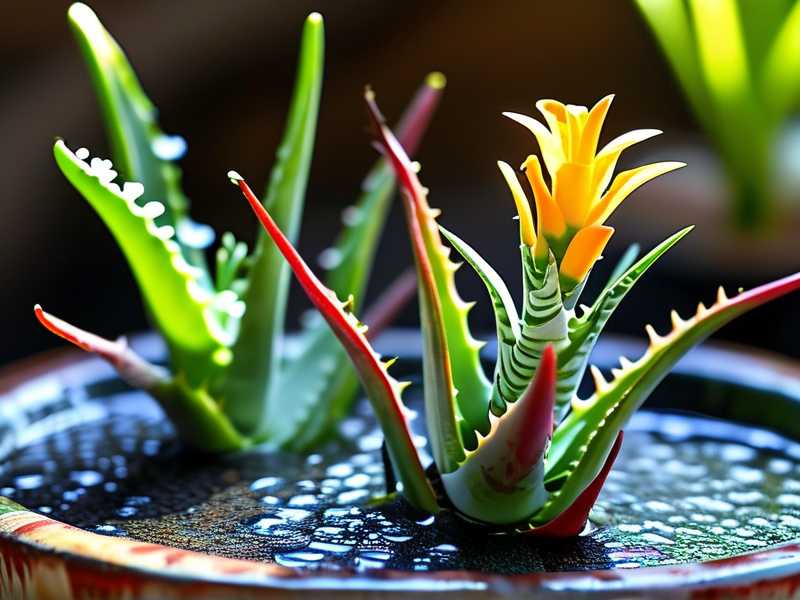
Should I fertilize aloe pups differently than mature plants?
No. Pups should not be fertilized until they are well established in their own pots. Even then, they need even less than mature plants. I wait until a pup has been rooted for at least a few months before considering a very light feed. In most cases, fresh soil provides everything a pup needs for its first year.
If I had to sum this up in one line, it would be this. Give your mature aloe bright light, dry soil, and maybe one or two very light feedings a year. That’s more than enough. The RHS and AHS both emphasize that succulents like aloe grow best in lean conditions with excellent drainage. Trust the plant. It knows what it’s doing.