bluename
 I used to think feeding an aloe was just about sunlight and luck. Then I nearly killed a five-year-old plant with a bottle of cheap liquid fertilizer. The leaves went soft, turned brown at the base, and the roots smelled like old compost. I pulled it out of the pot on a Sunday afternoon and just stood there. The root ball was mush. That was the day I learned that learning how to supplement balanced nutrients for bushy aloe growth is not about pushing the plant harder. It is about giving it small, steady, correct support at the right time.
Aloe vera is one of the most forgiving houseplants you can own. It handles some neglect. It tolerates dry indoor air. It looks sculptural on a kitchen windowsill. But bushy, thick, upright growth does not happen by accident. You need light, water, soil, and nutrients working together. When one piece goes wrong, the whole plant slows down or collapses. Most people think fertilizer is the answer. I did too. The real answer is balance.
You can grow a dense, wide, healthy aloe indoors or outdoors in zones 9 to 11. It needs less food than a tomato plant. But it still needs food. In this guide, I will walk you through exactly what I do now. I will share what worked, what failed, and what changed after two weeks of close observation. I will also point out the three biggest beginner mistakes. One of them still haunts me. That mistake is overwatering. It really is true: 90% of indoor plants die from overwatering.
How Much Light Does Aloe Really Need
Best Light for Thick Leaves
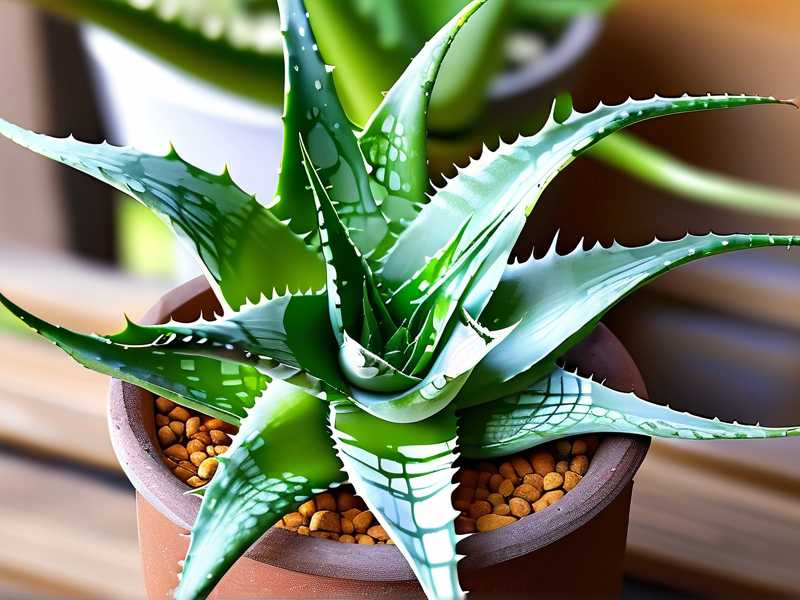
Aloe loves bright indirect light. South-facing windows work well in the US, UK, Canada, and Australia. A west-facing window can also work if the afternoon sun is not too harsh. Outdoors, aloe does best with morning sun and some afternoon shade.
Direct sun for six hours a day is fine for mature plants. It makes the leaves thicker and the color deeper. I grow one aloe on my back patio in Texas. It gets direct sun from sunrise until noon. The leaves are plump and slightly bronze at the tips. That is healthy stress. The plant is telling you it is getting enough light.
What Happens When Light Is Too Low
Indoor aloe in a dark corner stretches. The leaves get long, narrow, and pale. The center flops outward. You lose the bushy shape completely. I tried growing one in my bathroom for a month. No direct light. Just a small frosted window. The plant survived. But it looked like a sad green spider.
Low light also slows water use. That means wet soil lingers longer. Root rot risk rises. So poor light and overwatering often happen together. That is a dangerous combo.
What Happens When Light Is Too Strong
Too much direct afternoon sun can scorch leaves. You will see white, tan, or brown patches. The leaf surface may feel thin and papery. Once aloe leaf tissue burns, it does not recover. You can cut off the damaged leaf at the base. But prevention is better. If you move an indoor aloe outside for summer, do it gradually. I give mine one week of morning-only sun before letting it sit out all day.
Watering Aloe Without Killing It
The Only Watering Rule That Matters
Let the soil dry completely between waterings. I mean completely. Stick your finger two inches down. If it feels even slightly damp, wait. In summer, I water my indoor aloe every two to three weeks. In winter, once a month or less. Outdoor aloe in hot weather may need water every week. But the soil must dry out fast.
The amount is less important than the frequency. I water until it runs out of the drainage holes. Then I empty the saucer. Never let the pot sit in water.
My Two-Week Overwatering Test
I once bought two small aloe plants from the same nursery. Same size. Same pot. Same window. I gave one a normal soak every week. The other got the same soak every eighteen days. After two weeks, the weekly-watered plant looked fine on top. But when I slipped it out of the pot, the roots were brown and soft. The less-watered plant had white fuzzy roots and a new pup forming. That sealed it for me. Less water means more root growth.
What Soft, Yellow Leaves Mean
Soft yellow leaves are usually overwatering. If your aloe looks like it is melting from the center, check the roots. Mushy roots have a smell. I know that smell too well. If you act fast, you can save the plant. Remove the aloe. Cut away rotten roots with clean scissors. Let the plant sit bare-root in a shaded spot for two days. Then repot in fresh dry soil. Wait one week before the next light watering.
Soil and Repotting for a Bushier Aloe
The Soil Mix I Use Now
Regular potting soil holds too much water. I mix my own. It is simple:
- 2 parts cactus or succulent potting mix
- 1 part perlite or pumice
- 1 part coarse sand
This drains fast. The roots get oxygen. Aloe roots are shallow and fine. They hate dense wet soil. If you cannot find cactus mix, use regular potting soil but cut it with extra perlite. I aim for at least fifty percent drainage material in a humid climate.
Choosing the Right Pot
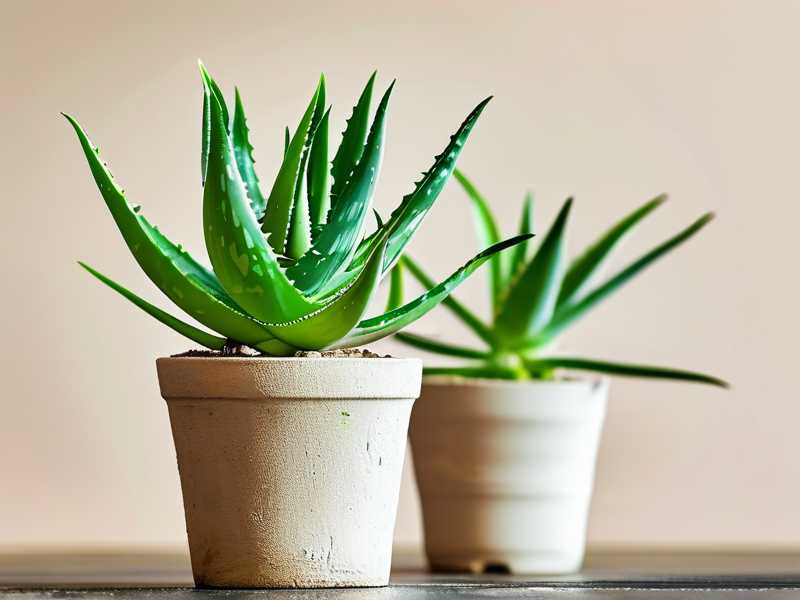
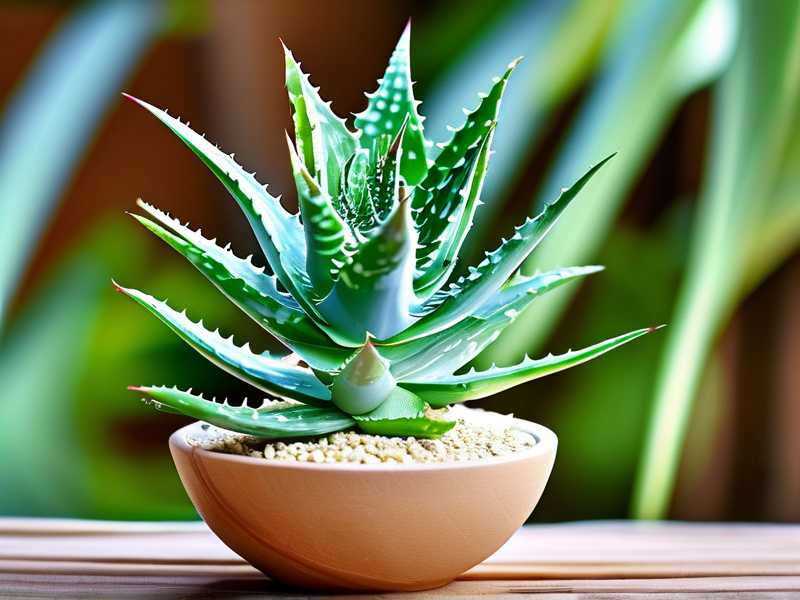
Terracotta is ideal. It breathes. Plastic holds moisture longer. Ceramic without drainage is a death trap. I killed my second aloe in a pretty glazed pot with no hole. It looked great for three months. Then one day the whole plant slumped. The soil was sour and waterlogged at the bottom. Now I only use pots with drainage holes. I also place a small piece of mesh or a coffee filter over the hole so soil does not wash out.
How Often to Repot
Aloe likes being slightly root-bound. That stress encourages pups. Repot every two to three years. Or when the roots are pushing out of the drainage holes. Spring is best. I repot mine in early April. I move up just one pot size. A huge pot holds too much wet soil around the roots. That slows growth and causes rot. The correct pot helps the plant focus energy on new leaf growth instead of fighting wet feet.
Fertilizing Aloe for Balanced Nutrients and Thick Growth
What Nutrients Does Aloe Actually Need
Aloe needs very little. The main nutrients are nitrogen, phosphorus, and potassium. For bushy growth, potassium matters a lot. It strengthens cell walls and helps roots. Phosphorus supports root and pup development. Too much nitrogen makes leaves soft and watery. That is the opposite of what you want.
I look for a balanced succulent fertilizer with an NPK ratio around 1-1-1 or 2-4-2. Dilute it more than the label says. If the bottle says one teaspoon per gallon, I use half or a quarter. Aloe roots burn easily.
My Fertilizer Mistake
I once used a standard houseplant fertilizer at full strength. Within two weeks, the lower leaves turned yellow. The plant drooped. I flushed the soil with plain water to remove excess salts. Then I stopped all feeding for three months. It barely recovered. That is when I started researching balanced nutrients for bushy aloe growth. The answer almost always is less.
How I Feed Aloe Now
I fertilize only during active growth. That is spring and early summer. I use liquid succulent fertilizer. One quarter strength. I water the plant normally first. Then I pour the diluted feed into moist soil. Never on dry roots. Never on the leaves. I feed once in April and once in June. Sometimes a light feed in early August if the plant is outdoors and growing fast. Then I stop completely by September.
What I Observed Over Two Weeks
Last spring I tested this on three equal-sized aloe pups. The first got no fertilizer. The second got one-quarter-strength succulent feed. The third got half-strength. I kept everything else identical. After two weeks, the no-feed plant looked the same. The quarter-strength plant pushed out slightly wider new leaves. The half-strength plant showed tiny brown leaf tips. That is a sign of salt burn. Quarter strength was the clear winner. It gave visible improvement without damage.
Organic Options
If you prefer organic, use worm castings. I add one tablespoon of worm castings to the soil surface in spring. Water lightly. It releases nutrients slowly. Compost tea works too. But avoid manure. It is too rich. Aloe needs lean soil. The best nutrient program is modest. A little goes a long way.
Seasonal Aloe Care Calendar
Spring
Spring is the time to repot, prune, and feed. I start by cutting off any dead outer leaves. Use a clean sharp knife. Cut at the base. Remove leaves that are brown, shriveled, or lying flat on the soil. This opens up air flow.
Then I check the roots if the plant is root-bound. Repot if needed. I wait two weeks after repotting before feeding. Then I give the first quarter-strength fertilizer. Spring sun is intense enough indoors to wake the plant up. Increase watering slightly as temperatures rise. But always check the soil first.
Summer
Summer is for sun management and wind. Outdoors, aloe loves warmth. But in extreme heat above 95°F, I move pots to a spot with afternoon shade. Leaves can cook in direct sun when the pot is black plastic. Terracotta stays cooler.
Water more often but only when dry. I check every five to seven days outdoors. Pests appear now. Mealybugs love humid shade. Spider mites love hot dry air. I rinse leaves with a gentle hose spray every two weeks. That knocks off dust and pests.
Autumn
Stop feeding by early fall. The plant is preparing for rest. I move outdoor aloe back inside before nights drop below 50°F. That is usually October in my area. I reduce water gradually. Let the plant adjust to indoor light for a week before placing it in its winter spot. I also clean the leaves with a damp cloth. No fertilizer. No repotting unless it is an emergency.
Winter
Winter is survival mode. Keep aloe in a bright cool room. Ideal temperature is 55 to 70°F. Do not place it near a drafty window or a heating vent. Dry forced air is not a big problem for aloe. But hot air blowing directly on the plant can dry leaf tips.
I water once a month. Maybe less. The soil must be bone dry. No fertilizer at all. The plant is not growing. Feeding now forces weak soft growth and stresses the roots. I also rotate the pot a quarter turn every two weeks so the plant does not lean toward the window.
Common Problems and What They Mean
Yellow or Mushy Leaves
Overwatering. Check the roots. Remove rot. Repot in dry mix. Water less. This is the number one killer. Repeat it until you believe it: 90% of indoor plants die from overwatering.
Brown Crispy Tips
This can be salt buildup from fertilizer or very dry air. Flush the soil with water if you have fed recently. Snip off brown tips if they bother you. Increase humidity slightly around the plant if you also see curling leaves. But aloe tolerates normal indoor humidity fine.
Thin Stretched Leaves
Not enough light. Move to a brighter window. If the plant is leaning hard, rotate it weekly. The growth will not thicken on old leaves. But new leaves will be wider if light improves. You can cut off the stretched old leaves at the base.
White Cottony Specks
Mealybugs. Isolate the plant. Dab each bug with a cotton swab dipped in rubbing alcohol. Repeat every three days for two weeks. Keep the plant out of direct sun while treating. I saved an aloe from mealybugs this way. It took three rounds. But the bugs never came back.
Small Black Flies Around the Pot
Fungus gnats. This means wet soil. Let the top two inches dry out completely. Sticky traps help. A layer of coarse sand on top of the soil stops them from laying eggs. Fix the watering first. The gnats will leave.
No Pups
Some aloe plants do not pup until they are three or four years old. But stress can also stimulate pups. A slightly root-bound plant in bright light with dry soil often makes more offsets. Feed lightly in spring. Give it one season. If no pups appear, the plant may just be a slow clone. Some commercial aloe varieties are bred to be sterile.
Three Fatal Beginner Mistakes
1. Watering Too Much
This is the one I see most. People water aloe like a fern. Aloe is a succulent. Its leaves store water. Its roots need dry periods. I water mine less than my pothos. Way less. If you are unsure, wait three more days. The plant will tell you when it is thirsty. The leaves get slightly thinner and less shiny.
2. Wrong Light Position
A dark living room corner will not work. A scorching afternoon window may burn the leaves. Find bright indirect light first. Then slowly increase sun exposure. I keep my indoor aloe one foot away from a south-facing glass. That is enough. Direct glass contact can magnify heat and burn leaves.
3. Using the Wrong Pot
No drainage hole means slow death. A pot too large means wet soil. A glazed pot in a cool room means soggy roots. Terracotta with a drainage hole and fast-draining mix is the safest setup. I learned this after losing one aloe to a cute ceramic pot and another to a giant planter I thought gave it room to grow. It gave it room to rot.
What I Learned From My Failures
I have killed three aloe plants. The first died from overwatering. The second died from a pot with no drainage. The third died from too much nitrogen. Each failure taught me one lesson. Less water. More drainage. Less food. The plants that survived my learning curve are now thick and heavy. They produce pups every year. The main plant sits in a terracotta pot by my kitchen window. It gets morning sun. It gets water twice a month in summer. It gets one light feed in April. That is all. And it is the bushiest aloe I have ever grown.
The truth is boring. Balanced nutrients for bushy aloe growth do not come from a magic bottle. They come from a balanced routine. Good light. Fast-draining soil. A snug pot. Sparse but deep watering. And a light touch with fertilizer. Once you get that combination right, the plant does the rest.
Frequently Asked Questions
How often should I fertilize my aloe vera?
Feed only in spring and early summer. Twice a season is enough for indoor plants. Use a succulent fertilizer at quarter strength. Outdoor plants in hot climates can handle three light feeds. Stop all feeding by September. Aloe resting in fall and winter does not need food.
Can I use coffee grounds or banana peels on my aloe?
I would not. Coffee grounds lower soil pH and hold moisture. Banana peels rot and attract gnats. Aloe likes lean, fast-draining, slightly alkaline to neutral soil. Stick with diluted succulent fertilizer or a small amount of worm castings. Homemade kitchen scraps cause more problems than they solve for potted succulents.
Why is my aloe growing tall but not wide?
That is almost always a light problem. The plant is stretching toward the brightest source. Move it closer to a bright window. Rotate it every few weeks. If the leaves are also soft, reduce watering. Wide bushy growth needs bright light, dry periods, and a little potassium-rich feed in spring. Old stretched leaves will not shrink back. But new growth can come in thicker.
Is it better to feed aloe with pellets or liquid?
Liquid is easier to control. Pellets release slowly but can dump too much in hot weather. I use liquid feed diluted to one quarter strength. Apply it to moist soil in the morning. Never pour it on the leaves. Never feed a sick or freshly repotted plant. For beginners, liquid feed is the safest path to balanced nutrients for bushy aloe growth without burning the roots.
The whole thing comes down to respect. Aloe does not ask for much. It wants a bright spot, a tight pot, dry roots, and an occasional sip. Feed it like a succulent, not like a houseplant. Water it like a cactus, not like a tropical. Do that and the bushy shape you want will come. Not overnight. But within one growing season, you will see the difference. I did.