bluename
 How to Stop Fertilizing Dormant Aloe Vera the Right Way (Without Killing It)
If you're wondering how to stop fertilization correctly for dormant aloe vera, here's the short answer: stop feeding the moment growth stalls, usually when nighttime temperatures drop below 50°F (10°C), and don't resume until you see fresh green tips pushing out in spring. That's it. No gradual tapering, no "just a tiny bit" in winter. I learned this the hard way after feeding a dormant aloe in November and watching its roots rot by January.
Aloe vera is one of those plants that looks bulletproof but really isn't. It's forgiving in summer. It's brutal in winter if you get the care wrong.
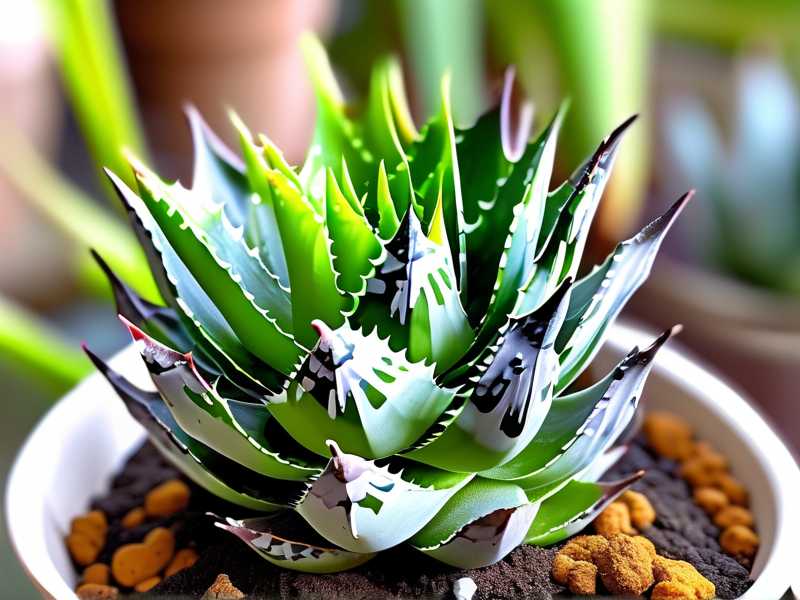
I've killed my fair share of aloes. Two, actually. The first one drowned. The second one got fertilized to death. That second loss is what pushed me to really understand dormancy, and I want to save you from making the same mistake.
Why Dormancy Changes Everything About Fertilizing
Aloe vera doesn't grow at the same pace year-round. When light fades and temperatures drop, it slows down. Sometimes it stops entirely.
During this period, the plant isn't using nutrients. Its metabolism is basically paused. If you keep feeding it, those salts just sit in the soil. They build up. They burn roots.
It's like forcing a sleeping person to eat a full meal. The body isn't ready. Same logic with your aloe.
The RHS notes that most succulents, including aloe, need a clear rest period with reduced water and no fertilizer to stay healthy long-term. And the AHS backs this up, pointing out that feeding dormant succulents is one of the most common reasons home growers lose plants over winter.
How to Tell Your Aloe Is Actually Dormant
Not every slow-looking aloe is dormant. Sometimes it's just stressed.
Here's what I check:
Real dormancy signs:
- No new leaves for 3-4 weeks
- Existing leaves stop plumping up after watering
- Growth point at the center looks static, not tight and shiny
Stress signs (not dormancy):
- Leaves curling or going brown at tips
- Soft, mushy base
- Sudden leaf drop
If it's stress, you've got a different problem. Probably watering or light. Don't confuse the two.
For most of us in North America, the UK, and parts of Australia, aloe dormancy kicks in around late October and lasts until early March. In warmer zones like Southern California or Queensland, it might only be 6-8 weeks. Pay attention to your plant, not the calendar.
My 2-Week Test: What Happened When I Stopped Feeding
I want to share exactly what I did and what I saw, because this is the part most articles skip.
Week 1: I stopped all fertilizer. I also cut watering back to once every 3 weeks. The aloe was indoors, near a south-facing window. Nothing changed visually. Leaves stayed firm but didn't grow.
Week 2: Still no change. I was tempted to feed it. I didn't. The soil dried out completely between waterings. No new growth, but no decline either.
By week 4, I noticed the oldest bottom leaf was slightly thinner. That's normal. The plant is using stored energy. By week 6, it was stable. Not growing, not dying. Just resting.
That's what success looks like in winter. Boring is good.
The 3 Biggest Mistakes New Growers Make With Dormant Aloe
Let me be blunt. I made all three of these.
Mistake #1: Overwatering
This is the big one. 90% of indoor plants die from overwatering, and aloe is no exception. In dormancy, your aloe needs maybe 1/4 of the water it gets in summer. Maybe less.
If you water on a schedule, stop. Stick your finger in the soil. If it's not bone dry 2 inches down, wait.
Mistake #2: Light Misplacement
Aloe still needs light in dormancy. Not as much, but it can't sit in a dark corner. I once moved mine to a "cozy" spot away from the window because I thought it was resting. It stretched out, got leggy, and never recovered properly.
Keep it near a bright window. South or west-facing is ideal. If your winters are gloomy, a grow light for 6-8 hours helps.
Mistake #3: Wrong Pot
I used a glazed ceramic pot with no drainage hole. That was a disaster. Water sat at the bottom. Roots rotted. The plant collapsed in 10 days.
Terra cotta or unglazed ceramic with drainage holes is what you want. Always. The porous material helps soil dry out faster.
When Exactly to Stop Fertilizing
Timing matters more than most people think.
Stop feeding when:
- Nighttime temps consistently drop below 50°F (10°C)
- You bring the plant indoors for winter
- New growth stops for 3+ weeks
- Daylight drops under 10 hours
Don't stop feeding when:
- The plant is still actively growing (warm climate, indoor grow lights)
- You're in a tropical zone where it grows year-round
For indoor growers in cold climates, I'd say stop by mid-to-late October. If you're in Australia, flip it. Stop around May.
The key is to stop before the plant stops, not after. Fertilizer sitting in already-dormant soil is worse than no fertilizer at all.
What About That "Last Feeding" Before Dormancy?
Some growers do a light phosphorus-potassium feed in early fall to prep for winter. I've tried it. Honestly? I didn't see a difference. If anything, it delayed dormancy by a week or two.
I'd skip it. A healthy aloe doesn't need a pre-winter boost. Just let it wind down naturally.
If you really want to do something helpful in fall, reduce watering first. That signals dormancy better than any fertilizer schedule.
How to Resume Fertilizing in Spring (Without Overdoing It)
This is where people mess up on the other end.
Don't dump full-strength fertilizer on your aloe the first warm day. It's been resting for months. Its roots are sensitive.
Here's my routine:
Step 1: Wait until you see 2-3 new leaves or clear new growth at the center. Step 2: Water thoroughly first. Let the soil dry. Step 3: Feed at half strength with a balanced succulent fertilizer (2-7-7 or 10-10-10 diluted). Step 4: Repeat every 4-6 weeks during growing season. Never more.
I use a liquid succulent fertilizer. The kind you mix with water. Slow-release granules work too, but they're harder to control. And with aloe, control is everything.
What I Feed My Aloe (and What I Avoid)
I've experimented with a few things over the years.
What works:
- Liquid succulent fertilizer diluted to half strength
- Balanced NPK (like 8-8-8 or 10-10-10)
- Worm castings as a gentle top-dress in spring
What I avoid:
- General-purpose houseplant fertilizer (too much nitrogen)
- Fertilizer spikes (they release unevenly and can burn roots)
- Anything during dormancy (obviously)
Aloe isn't a heavy feeder. It grows in poor soil in the wild. A little goes a long way. I'd rather underfeed than overfeed any day.
Signs You Overfed Your Dormant Aloe
This happens more than people admit.
Symptoms to watch for:
- Brown, crispy leaf tips (not just the usual dry tips)
- Soft, dark spots on leaves
- White crust on soil surface (salt buildup)
- Root rot smell when you repot
If you catch it early, flush the soil with plain water. Let it drain completely. Skip feeding for 2-3 months. If roots are already rotting, you'll need to repot and remove damaged roots.
I had to do this once. The plant survived, but it took 4 months to recover. Not worth the risk.
Soil and Drainage: The Real Secret to Dormancy Success
You can stop fertilizing perfectly and still lose the plant if your soil holds water.
Aloe needs fast-draining mix. I use 50% cactus soil, 25% perlite, 25% coarse sand.
If yours is in regular potting soil, it's probably staying wet too long. That's a problem in dormancy when the plant isn't drinking.
Repot in spring if you need to. Not in fall or winter. Disturbing roots during dormancy is another stress the plant doesn't need.
Common Questions I Get About Dormant Aloe
"Can I fertilize just a little in winter?" No. Even diluted fertilizer adds salts. The plant isn't using them. Skip it entirely.
"What if my aloe is indoors under grow lights and still growing?" Then it's not dormant. You can feed lightly, maybe once every 6-8 weeks. But watch for signs of slow growth and stop immediately.
"How do I know if my aloe is dead or just dormant?" Check the base. If it's firm and green, it's alive. If it's mushy and brown, it's rot. Dormant aloe won't look dead. It'll just look unchanged.
A Quick Word on Light During Dormancy
I mentioned this earlier, but it deserves its own note.
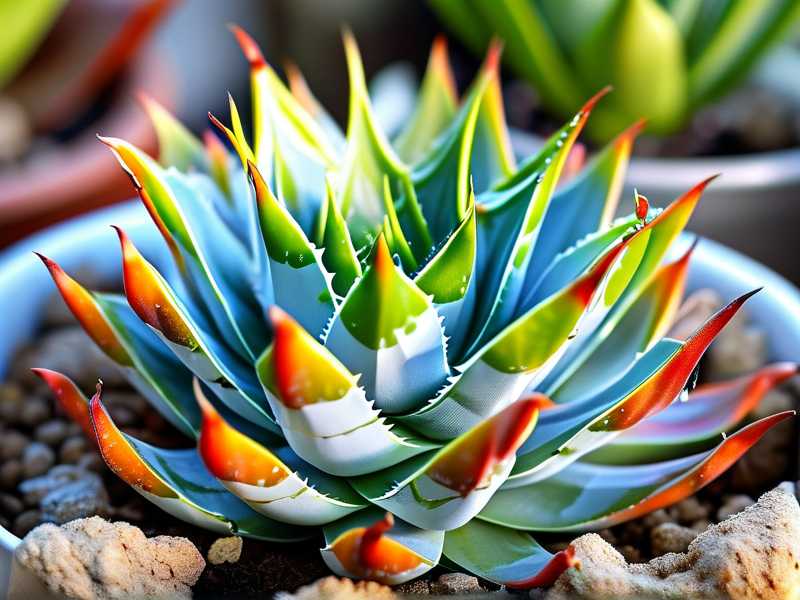
Aloe needs bright, indirect light year-round. In winter, that means your brightest window. If you're in the UK or Pacific Northwest where winters are gray, a grow light isn't a bad idea.
I use a simple LED grow light for 6 hours a day. Nothing fancy. It keeps the plant from stretching and helps it bounce back faster in spring.
Don't move it to a dark corner thinking it needs rest. Rest doesn't mean darkness.
Temperature and Dormancy
Aloe tolerates a range. But it doesn't like cold.
Keep it above 50°F (10°C). If you're in a cold climate, bring it indoors before the first frost.
Indoor air can be dry in winter, but aloe handles that fine. It's the cold and wet that kills it.
Don't put it near drafty windows or heating vents. Stable temps matter more than exact temps.
Final Thoughts From Someone Who Learned the Hard Way
Stopping fertilization for dormant aloe isn't complicated. But it's easy to get wrong because we're wired to "do something" when a plant looks inactive.
The best thing you can do is nothing.
Stop feeding. Cut back water. Keep it bright. Wait.
Your aloe will thank you in spring with fresh growth and a stronger root system. I've seen it happen with mine. The ones I babied in winter are the ones that struggled. The ones I ignored (within reason) thrived.
If you're unsure, err on the side of less. Less fertilizer, less water, less fuss.
That's how you stop fertilization correctly for dormant aloe vera. Not with a fancy schedule or a special product. Just paying attention and knowing when to back off.