bluename
 How to Adjust Fertilization Timing for Seasonal Aloe Growth
If your aloe looks stalled, pale, or just plain moody, the problem usually isn't the plant. It's the feeding schedule. I learned this the hard way after killing three aloes in five years, and the turning point came when I stopped treating fertilizer like a year-round habit. Aloe vera doesn't want food in December. It wants a break. Adjust your fertilization timing to match its seasonal rhythm, and you'll see firmer leaves, more pups, and fewer brown tips within about two weeks of getting it right.
I'm writing this as someone who has killed more succulents than I'd like to admit. Not a lab researcher. Just a home gardener with a sunny windowsill, a few pots, and a stubborn willingness to try again. So this is practical, not academic.
Why Fertilization Timing Matters More Than Fertilizer Choice
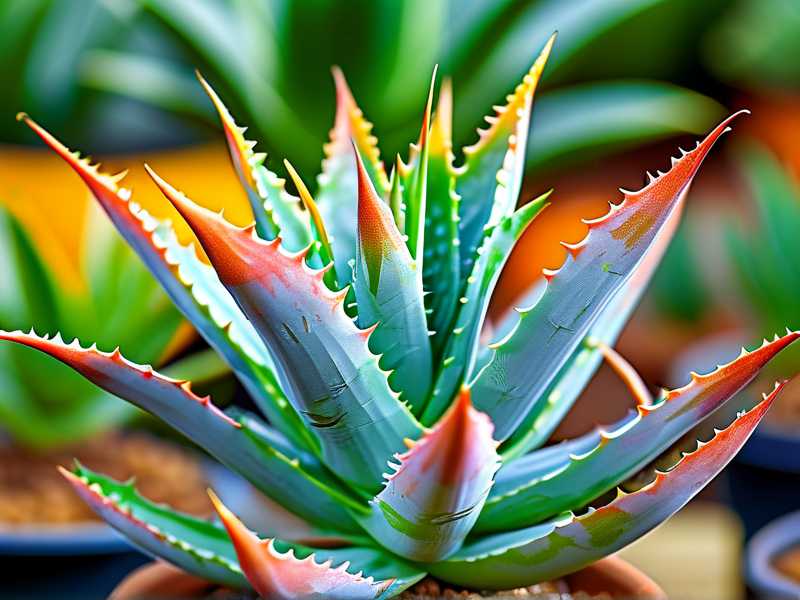
Most people obsess over which fertilizer to buy. That's backwards. When you feed matters more than what you feed. Aloe vera is a CAM plant. It opens its stomata at night, stores water in its leaves, and grows in bursts tied to light and temperature. Feed it during a growth burst, and it uses the nutrients. Feed it during dormancy, and those salts just sit in the soil, burning roots.
The Royal Horticultural Society (RHS) notes that succulents like aloe have distinct active and dormant periods, and fertilizing during dormancy is one of the most common causes of root damage in container-grown plants. That matches what I've seen. My healthiest aloe gets maybe four feedings a year. My sickliest one got twelve.
For most home growers in the US, Canada, the UK, and Australia, the pattern is simple. Feed in spring and summer. Ease off in autumn. Stop in winter. But the details are where people slip up. Let me walk through what I actually do.
The Two-Week Test That Changed How I Feed
Two springs ago, I ran a simple experiment. I had two aloe veras from the same mother plant, same size, same potting mix. One got a diluted feed every three weeks starting in early March. The other got nothing until May.
By mid-March, the fed plant had pushed out a new leaf and the leaf tips were a deeper green. The unfed one sat still. By early April, the difference was obvious. The fed aloe had two new leaves and visible pups forming at the base. The unfed one finally started moving but lagged behind.
Two weeks is roughly how long it takes for a well-timed feeding to show up in leaf color and firmness. If you feed at the wrong time, you won't see improvement in two weeks. You'll see stagnation, or worse, soft brown patches on the lower leaves.
That experiment taught me the core rule. Fertilization is a seasonal trigger, not a monthly chore.
Spring: The Wake-Up Call
Spring is when aloe breaks dormancy. In most climates, that's March through May. In warmer zones like USDA 10 or Australian zone 3, it can start in February. In colder spots, wait until you see actual new growth. Don't feed on a calendar date. Feed on a plant signal.
I start with a half-strength liquid fertilizer. Something balanced, like a 10-10-10 or a cactus-specific blend. I dilute it to about 25% of the label recommendation. Aloe roots are shallow and sensitive. Full strength burns them fast.
I feed once every three weeks in spring. That's it. Three or four feedings across the whole season. I stop by late May or early June, right before the summer heat peaks.
One thing I do in spring that helps more than fertilizer: I repot if the plant is root-bound. Fresh soil gives more benefit than any bottle. I use a mix of two parts potting soil, one part perlite, and one part coarse sand. Terra cotta pots are my default because they wick moisture away from the roots.
Summer: Feed Light, Watch the Heat
Summer is tricky. Aloe grows, but extreme heat can push it into a semi-dormant state. If daytime temps stay above 90°F (32°C) for weeks, the plant slows down. Feeding it then is a waste and can cause salt buildup.
I feed once in early summer if the plant is still actively growing. After that, I stop. No fertilizer in July or August for me. I've tried feeding through a heatwave, and the result was ugly. The leaf tips turned brown and crispy, and the soil developed a white crust of unused salts. That's a sign the plant wasn't taking anything up.
Instead of fertilizer in peak summer, I focus on airflow and shade. A sheer curtain or a spot with morning sun and afternoon shade works well. Aloe can handle full sun, but container plants in a heatwave can scorch.
Autumn: The Slow Fade
Autumn is the transition. Growth slows. Light drops. The plant is preparing for dormancy. This is where most people overfeed because they think the plant needs a boost before winter. It doesn't.
I stop all fertilizer by early September in the Northern Hemisphere. In Australia, that's early March. If I'm in a mild climate and the plant is still pushing new leaves in late September, I might give one last quarter-strength feed. But that's rare. Usually, I just stop.
The RHS recommends withholding fertilizer from succulents in late autumn and winter to avoid soft, frost-sensitive growth. That soft growth is a real risk. A late-season nitrogen feed pushes tender new leaves that cold weather kills.
Winter: Zero Fertilizer, Zero Exceptions
This is the rule I wish I'd learned earlier. No fertilizer in winter. Period. Aloe is dormant or nearly dormant. Its metabolism is slow. It can't process nutrients. Feeding now is like handing a sleeping person a steak dinner.
I've made this mistake. I fed a struggling aloe in January because it looked pale. Two weeks later, the lower leaves were mushy and yellow. Root rot. The plant never recovered. I lost it by February.
Winter care is about light and restraint, not food. I move my aloes to the brightest window I have. I water maybe once every three to four weeks, and only if the leaves start to look slightly thin. I never water on a schedule in winter. I check the soil with a wooden skewer. If it's dry all the way down, I water lightly. If there's any moisture, I wait.
Temperature matters too. Aloe prefers 50–60°F (10–15°C) in winter if you can manage it. That cool period helps set up a strong spring flush. If your home is warm year-round, the plant may not go fully dormant, but you still shouldn't fertilize. Just water less and give maximum light.
The Three Mistakes That Kill Most Aloes
I've made all three. More than once.
Mistake one: overwatering. It's the classic. "90% of indoor plants die from overwatering" is a line I've heard from growers, and it's not far off for aloe. The leaves store water. Wet soil suffocates the roots. I water only when the top two inches of soil are bone dry. In winter, that might mean once a month.
Mistake two: wrong light. Aloe wants bright, indirect light. A south-facing window with a sheer curtain is ideal in most homes. Too little light makes it leggy and pale. Too much direct afternoon sun in summer scorches the leaves. I learned this after placing a pot on a west-facing sill in July. The leaves turned red-brown and crispy in three days.
Mistake three: wrong pot. I used a glazed ceramic pot with no drainage hole for my first aloe. It died in six weeks. Now I use unglazed terra cotta with a drainage hole, always. The pot should be only slightly larger than the root ball. A too-big pot holds too much moisture.
What I Feed and How I Mix It
I keep it simple. A balanced liquid fertilizer diluted to quarter strength. Sometimes I use a cactus fertilizer with a lower nitrogen ratio, like 2-7-7. That works well in spring. I never use slow-release granules in the pot because they release nutrients regardless of season. That defeats the whole point of seasonal timing.
I mix the fertilizer into room-temperature water. Cold water shocks the roots. I pour it slowly around the edge of the pot, not directly on the leaves. If any gets on the leaves, I wipe it off with a damp cloth. Fertilizer sitting on leaves can cause burn spots.
For my outdoor aloes in summer, I might feed once with a diluted fish emulsion. It's gentle and adds organic matter. But I stop by mid-summer. Outdoor plants in the ground need less feeding than potted ones because their roots can forage.
A Quick Seasonal Cheat Sheet
Spring: Feed every three weeks at quarter strength. Repot if needed. Increase watering slightly.
Summer: Feed once in early summer if growth is active. Stop in peak heat. Focus on shade and airflow.
Autumn: Stop feeding by early autumn. Reduce watering. Clean up dead leaves.
Winter: No fertilizer. Minimal water. Maximum light. Cool temperatures if possible.
Frequently Asked Questions
Can I fertilize aloe when it's blooming?
Aloe blooms in late winter or early spring in most climates. If your plant is sending up a flower spike, it's entering active growth. A light feed at quarter strength is fine. But don't overdo it. The bloom itself is a sign the plant has enough stored energy.
What if I miss a spring feeding?
Nothing catastrophic. Aloe is forgiving. Just feed at the next scheduled time. Don't double up to compensate. That's a fast way to burn roots.
Should I fertilize a newly repotted aloe?
Wait at least four weeks. Fresh potting mix often contains enough nutrients for the first month. Feeding too soon can stress the roots as they adjust.
Final Thoughts
Getting fertilization timing right for seasonal aloe growth isn't complicated. It's about paying attention. Watch the plant, not the calendar. Feed when it's growing. Stop when it's resting. Dilute more than you think you need to. And when in doubt, don't feed. I've killed enough aloes to know that restraint beats enthusiasm every time. Your plant will tell you what it needs if you slow down and look.