bluename
 How to Supplement Trace Elements for Healthy Aloe Growth
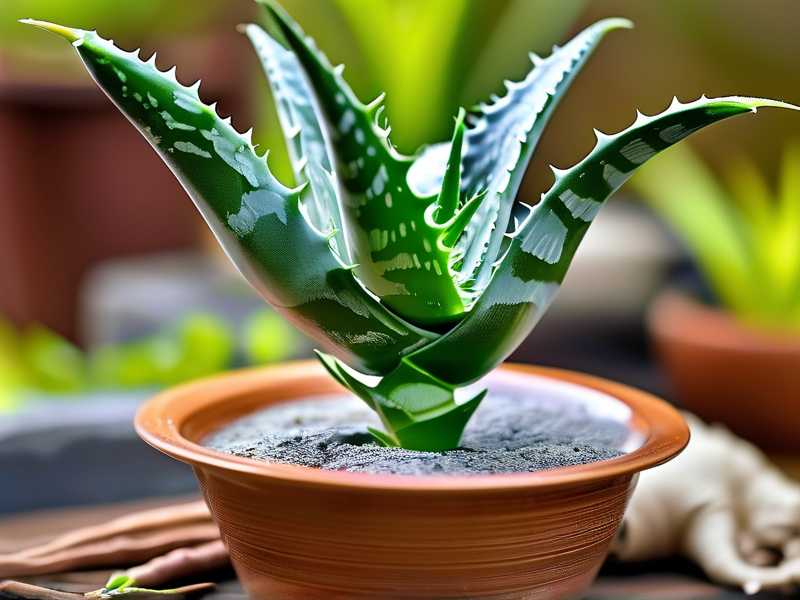
If your aloe vera looks dull, has brown tips, or just refuses to grow, here’s the short answer: you need to supplement with trace elements like magnesium, zinc, and iron. I’ve been there myself. I thought aloe was bulletproof. I killed three plants before I realized they were starving, not dying from lack of water. After two weeks of adjusting their micronutrients, I saw new green growth pushing through the center. Let me walk you through exactly how I fixed it.
Most people think aloe only needs sunlight and neglect. That’s not true. Aloe needs a balanced diet, just like any other living thing. But here’s the catch: you can’t just dump fertilizer on it. Aloe is sensitive. Get it wrong, and you’ll burn the roots. I’ve done that too.
My First Big Mistake: Ignoring the Soil pH
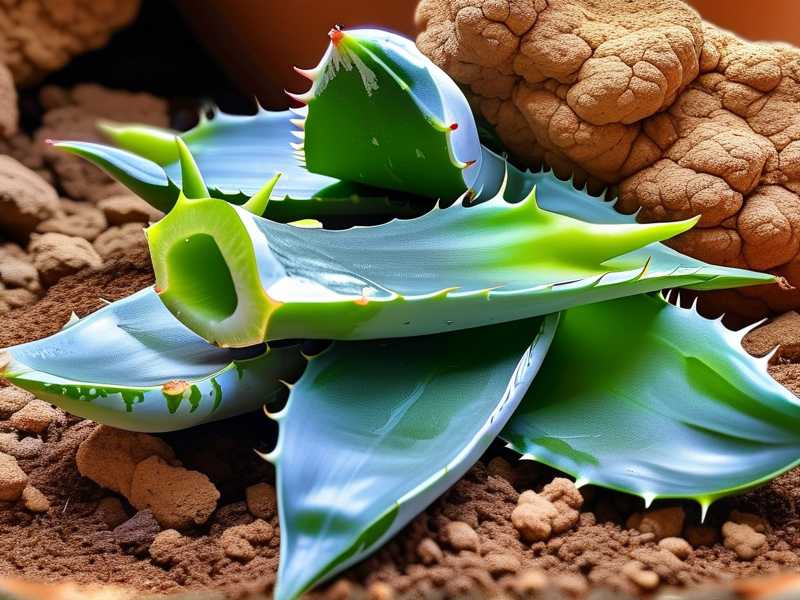
I used to grab any potting mix off the shelf. Big mistake. Aloe prefers a pH range of 6.0 to 7.0. Outside that range, it just can’t absorb trace elements like iron or manganese. I noticed yellow leaves on my second aloe. I thought it needed more water. So I watered more. The leaves got mushier. It died within two months.
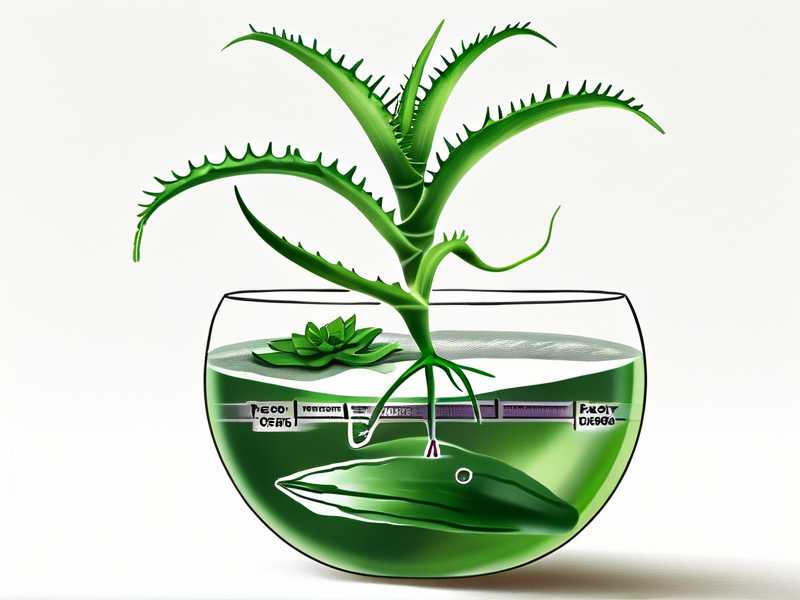
Only later did I learn that 90% of indoor plants die from overwatering. But in my case, the real problem was a pH lockout. The iron was stuck in the soil, but my aloe couldn’t use it. Simple fix: test your soil pH with a cheap meter from Amazon. I keep mine under $15. If it’s too high, add a little sulfur. If it’s too low, limestone works. I adjusted mine to 6.5. Then I waited one week. The newer leaves turned darker green.
The Three Fatal Mistakes Beginners Make
1. Overwatering: The Silent Killer
Honestly, this one is the most common. Aloe stores water in its leaves. If you keep the roots wet, they rot. I used to water mine every three days in winter. Dead plant within a month. Now I check the soil with my finger. If the top two inches feel dry, I water deeply. That’s usually once every two weeks. In winter, I go three weeks.
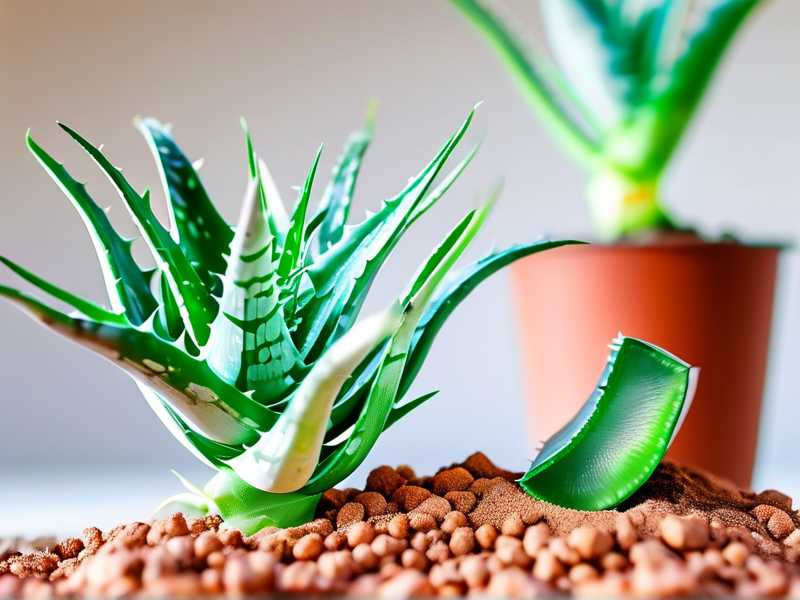
The Royal Horticultural Society recommends letting the soil dry out completely between waterings. I follow that rule religiously. It works.
2. Wrong Light Placement
I put my first aloe on a north-facing windowsill. The leaves grew long and skinny, then flopped over. I thought it was normal. It wasn’t. Aloe needs bright, indirect light. Direct sun in the afternoon will scorch it. But too little light makes it stretch out like a skinny freak.
I moved my plant to a south-facing window behind a sheer curtain. Within one week, the center started growing tighter. The leaves got thicker. That’s the sweet spot.
3. The Wrong Pot Size
I bought a huge ceramic pot for my first aloe. I thought it looked nice. The soil stayed wet for two weeks. The roots suffocated. Aloe likes tight spaces. A pot that’s just one inch wider than the root ball is perfect. I use terra cotta now. It breathes. Plastic pots hold moisture too long.
How I Supplement Trace Elements in Two Weeks
Here’s my exact routine. It’s simple. You don’t need a chemistry lab.
Step 1: Start with a Balanced Liquid Fertilizer
I use a liquid fertilizer made for succulents. It contains nitrogen, phosphorus, and potassium, plus trace elements. The American Horticultural Society suggests using a half-strength solution for succulents. I mix one teaspoon per gallon of water. That’s it.
I water my aloe with this mix once every two weeks during the growing season (spring and summer). In fall and winter, I stop completely. Aloe goes semi-dormant. It doesn’t need food.
Step 2: Add Epsom Salt for Magnesium
Magnesium is crucial for chlorophyll production. Without it, leaves turn pale. I once had an aloe with yellow lower leaves. I tried more water. Nothing worked. Then I added one teaspoon of Epsom salt to one gallon of water. I watered with that solution once.
Within two weeks, the leaves in the center darkened. The older yellow leaves didn’t recover, but the new growth was healthy. I do this once a month in summer. That’s sufficient.
Step 3: Use a Spray for Iron Deficiency
Iron deficiency shows up as yellowing between leaf veins. I noticed this on my third aloe, a potted plant on my kitchen counter. The leaves looked pale green with darker veins. That’s a classic sign.
I bought a chelated iron spray from a garden center. I sprayed the leaves directly, once a week for three weeks. After the first week, I saw improvement. After two weeks, the leaves were uniformly green again. I don’t spray in direct sunlight. That causes burn.
Step 4: Check Your Water Quality
Tap water in many parts of the UK and US has chlorine and fluoride. Aloe is sensitive to these. I switched to using filtered water or rainwater. The difference was noticeable within two weeks. The leaf tips stopped browning. I keep a rain barrel outside. It’s free and effective.
What I Learned from Killing Four Aloe Plants
I’ve killed more aloes than I care to admit. Here’s what changed my approach:
- Don’t fertilize a dry plant. I used to pour fertilizer into dry soil. That shocked the roots. Now I water the soil first with plain water, then apply the fertilizer solution.
- Less is more. I used to think more food meant faster growth. Wrong. Aloe is slow by nature. Overfeeding leads to salt buildup, which can cause root damage.
- Watch the leaves. Aloe leaves tell you everything. If they’re plump and green, leave it alone. If they’re thin and pale, check your soil and light.
Common Questions from Fellow Gardeners
Q: Can I use coffee grounds for my aloe?
I tried this once. Coffee grounds add nitrogen, but they also acidify the soil. Aloe prefers neutral pH. Adding too many grounds can drop the pH below 6.0, locking out magnesium and calcium. I don’t recommend it. Stick to a balanced succulent fertilizer.
Q: How often should I water my aloe in winter?
In winter, I water my aloe once every three to four weeks. The soil dries out slower because the plant is resting. If you water more, you risk root rot. I learned this the hard way when my fourth aloe turned into brown mush in January.
Q: What are the best trace element supplements for aloe?
I use a general purpose micronutrient mix from a brand called Dyna-Gro. It includes iron, zinc, manganese, and boron. I use it at quarter strength. Overdoing trace elements can cause toxicity. A little goes a long way. The RHS suggests following the packaging instructions for succulents.
Final Thoughts from a Former Aloe Killer
Aloe is not a houseplant you can just ignore. But it’s also not one you should fuss over constantly. I’ve found that supplementing trace elements in a controlled way, combined with proper watering and light, transforms a struggling aloe into a thriving one. After two weeks of my current regimen, I see tighter rosettes, thicker leaves, and no more brown tips.
Start small. Test your soil pH. Use a half-strength fertilizer. Watch how your aloe responds. You’ll be surprised how much it can bounce back with just a little attention.