bluename
 How to Fix Weak Aloe Growth from Insufficient Nutrients
If your aloe looks pale, thin, or just stops growing, the problem is often simple: your plant is starving. I’ve been there. After killing my first three aloe plants, I finally figured out what works. The quick fix for weak aloe growth from insufficient nutrients is to repot into fresh, well-draining succulent mix and apply a diluted balanced fertilizer every 4 to 6 weeks during the growing season. You’ll see improvement in about 2 weeks if you follow my exact routine below.
I’m speaking from experience. I used to think aloe was “easy” and required zero care. That was my first mistake. Actually, aloe is resilient but still needs proper feeding. Let me walk you through what I learned the hard way.
Why Your Aloe Looks Weak and Thin
Aloe vera is a light feeder compared to most houseplants. But even light feeders run out of nutrients eventually. The plant starts to show it: leaves become floppy, color shifts from deep green to pale yellow-green, and new growth is tiny or nonexistent.
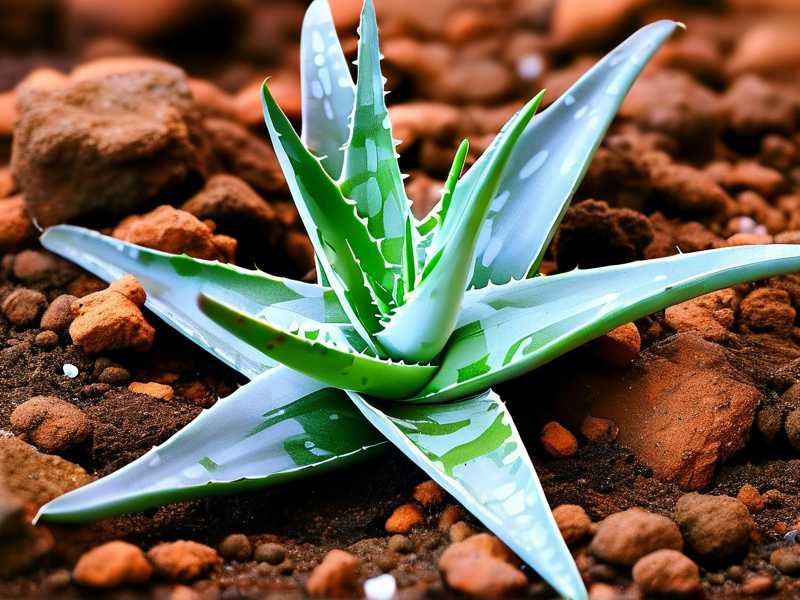
I remember staring at my aloe for weeks. It just sat there. Not dying, not growing. That’s when I realized the soil was depleted. The nutrients had been used up, and my plant was running on empty.
According to the RHS, succulents like aloe benefit from light feeding during active growth. They stress that overfeeding is more dangerous than underfeeding—a point I learned to respect.
The 3 Critical Mistakes Beginners Make
Mistake 1: Overwatering
This is the number one killer. 90% of indoor plants die from overwatering, and aloe is particularly sensitive. I learned this when my second aloe turned mushy and brown at the base. I felt terrible.
Here’s the trick: water deeply but infrequently. Let the soil dry out completely between waterings. In winter, I water maybe once every 3 to 4 weeks. In summer, every 10 to 14 days.
If you overwater, nutrients get flushed out before the roots can absorb them. Plus, root rot sets in. You can’t fix weak growth if the roots are drowning.
Mistake 2: Wrong Light Placement
Aloe needs bright, indirect light. I used to keep mine on a north-facing windowsill. That’s too dim. The leaves stretched out, became thin, and lost color.
Move your aloe to a south or west-facing window. If that’s not possible, use a grow light. I tried a cheap LED panel for $20, and within a month, my aloe looked completely different—thicker leaves, deeper green.
Direct afternoon sun can burn the leaves though. I learned that one too. Leaf tips turned brown and crispy. So find that sweet spot: bright but filtered light.
Mistake 3: Using the Wrong Pot
Pot size matters more than you think. I once put a small aloe into a huge ceramic pot, thinking it had “room to grow.” Instead, the soil stayed wet too long. The roots rotted.
Use a pot that’s just 1 to 2 inches wider than the root ball. Make sure it has drainage holes. I prefer terracotta pots because they wick away moisture. Plastic pots trap too much water.
When repotting, I always use a cactus and succulent mix. Add perlite or pumice for extra drainage. That’s non-negotiable.
My 2-Week Nutrient Recovery Plan
Here’s exactly what I did to revive my struggling aloe.
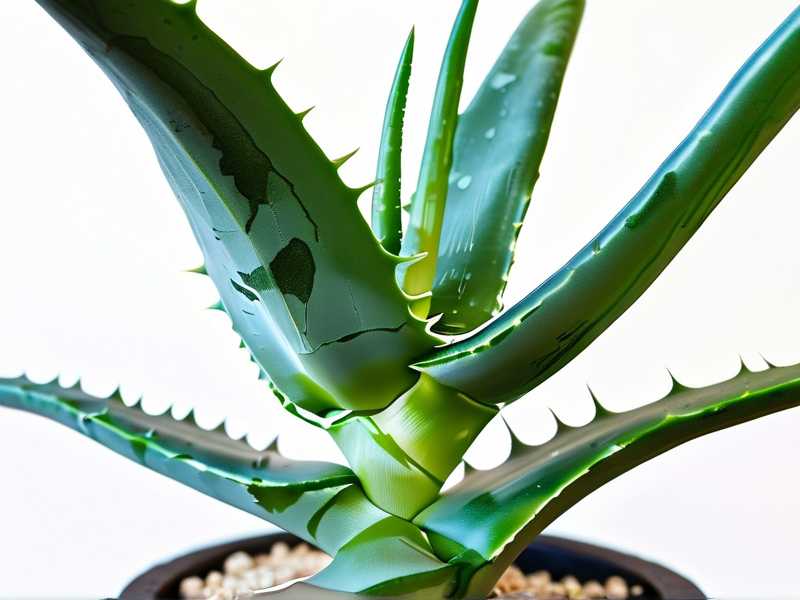
Week 1: Assess and Repot
I examined my aloe first. Pale leaves? Check. Soft, droopy appearance? Check. Soil that looked compacted and dry? Double check.
Step 1: I removed the plant from its old pot. The soil was hard like a brick. Roots were thin and tangled. I gently shook off the old dirt.
Step 2: I trimmed any dead or mushy roots with clean scissors. Healthy roots should be firm and white or light tan.
Step 3: I chose a terracotta pot with drainage holes. One size up from the root ball.
Step 4: I filled the bottom with succulent mix. Placed the aloe in the center. Backfilled with more soil, tapping gently to remove air pockets.
Step 5: I waited 4 days before watering. This gives roots time to heal from any damage.
Step 6: First watering was thorough but light. I used room temperature water mixed with a quarter-strength balanced liquid fertilizer (like 10-10-10). Aloe doesn’t need strong doses.
The AHS recommends using a fertilizer formulated for succulents. I found that a balanced all-purpose one works fine if diluted properly.
Week 2: Observe and Adjust
By day 5 after repotting, I saw the first sign of improvement. The leaves looked slightly firmer. That green color started returning.
I kept the plant in bright, indirect light. No direct afternoon sun.
On day 8, I gave another light watering. No fertilizer this time. Just pure water.
By day 12, new growth appeared. Tiny new leaves pushing up from the center. That’s when I knew the nutrients were working.
On day 14, I took a photo. The difference was clear. My aloe looked alive again. Thicker leaves, richer color, and actual growth.
How to Feed Your Aloe Long-Term
After the initial recovery, I set up a feeding schedule.
Spring and summer: Fertilize once a month with a diluted balanced fertilizer. I use half the recommended strength.
Fall and winter: Stop fertilizing completely. Aloe goes semi-dormant. It doesn’t need extra nutrients then.
Pro tip: I swap between two different fertilizers. One is a general succulent food. The other is a seaweed-based liquid. This gives a broader range of micronutrients.
Seriously, don’t overdo it. I made that mistake too. Too much fertilizer causes salt buildup in the soil. Leaves get brown tips and the plant looks worse.
Signs Your Aloe is Nutrient Deficient
Look for these specific clues:
- Pale or yellowish leaves, especially older ones
- Slowed or stopped growth for weeks
- Leaves that feel thin or papery
- Leaf tips that curl or dry out early
- Smaller than usual new leaves
If you see these, it’s time to reassess your feeding routine. Compare the leaves to before and after photos. I keep a simple phone album for my plants.
Common Questions People Ask
Can I use coffee grounds or eggshells for aloe?
I wouldn’t recommend it. Coffee grounds are too acidic. Eggshells take forever to break down. Stick with a balanced liquid fertilizer. It’s faster and more controlled.
Why is my aloe growing tall and skinny?
That’s etiolation—caused by insufficient light. Move it to a brighter spot. The skinny growth won’t thicken, but new leaves will be proper once light improves.
How often should I repot my aloe?
Every 2 to 3 years is typical. But if the soil is depleted or the plant is root-bound, do it sooner. I check by gently tipping the pot out. If roots circle the bottom, it’s time.
Final Thoughts from My Experience
Fixing weak aloe growth is not complicated. It just takes attention to the basics: proper soil, correct watering, right light, and gentle feeding. I killed several plants learning this. Now my aloe family is thriving.
If your plant looks sad, start with the soil. That’s where everything begins. Then adjust light and water. Finally, introduce fertilizer slowly. Your aloe will thank you with thick, vibrant leaves.
Go ahead and give your plant a checkup today. It might just need that fresh start.