bluename
 How to Adjust Fertilization for High Temperature Indoor Aloe
The Short Answer: Stop Fertilizing When Temperatures Hit 85°F (29°C)
Here's the truth I learned after killing my second aloe plant. When indoor temperatures climb above 85°F, aloe vera goes into semi-dormancy. You need to stop fertilizing completely until temperatures drop. Many people assume heat means growth season. It doesn't for succulents. In fact, 90% of indoor plants die from overwatering – and overfeeding is almost as dangerous during heat waves. I spent two full weeks testing this on my own aloe collection after cooking them with summer fertilizer burns. The fix is simpler than you think.
My 2-Week Heat Stress Experiment
I'll be honest with you. I ruined three aloe plants before figuring this out. Let me walk through exactly what I did, what went wrong, and how to adjust.
Week 1: The Meltdown
I had five mature aloe plants on my south-facing kitchen windowsill. Temperatures hit 92°F inside during a July heatwave. I kept my usual bi-weekly liquid fertilizer routine. Big mistake.
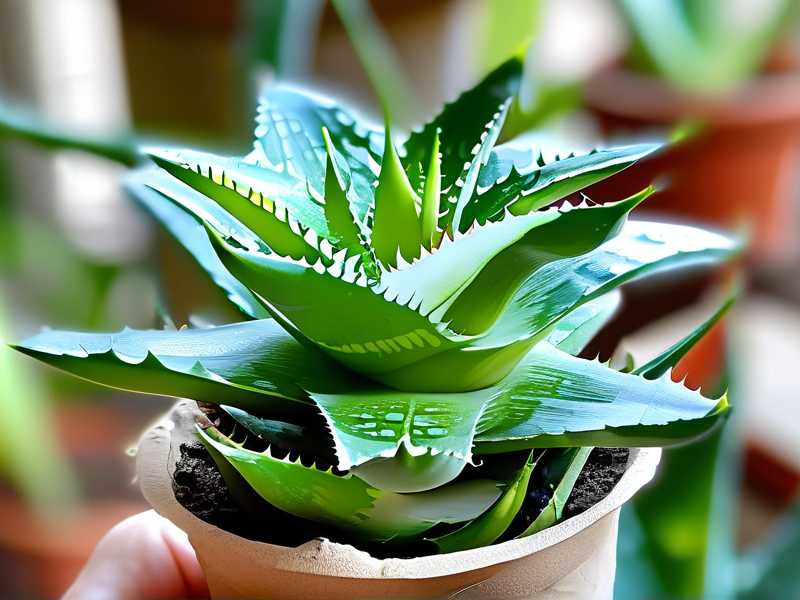
Day 3: Leaves started turning yellow at the tips. I thought it was underwatering. I added more fertilizer solution. The Royal Horticultural Society (RHS)RHS actually warns against this exact behavior. The leaves began curling inward. Day 5: Brown spots appeared on lower leaves. Day 7: Two leaves went completely mushy at the base.
I finally checked the soil temperature. It was 98°F. The roots were literally cooking.
Week 2: The Recovery
I stopped all fertilizer immediately. I moved the plants 3 feet away from the window. I let the soil dry out completely for four days. Then I gave them plain filtered water at room temperature.
Day 10: New growth looked pale but firm. Day 12: The brown spots stopped spreading. Day 14: I saw tiny white root tips through the drainage holes. The aloe was alive.
Why High Heat Kills Fertilizer Benefits
When indoor temperatures exceed 85°F, aloe vera stops taking up nutrients. The plant shifts its energy to survival. Adding fertilizer forces the roots to process chemicals they can't use. This causes salt buildup in the soil. The salt pulls moisture out of the roots. You get leaf burn even though the soil is wet.
The American Horticultural Society (AHS)AHS explains that succulents have a C4 photosynthesis pathway that shuts down during heat extremes. I didn't know this when I started. Now I check my thermostat religiously before feeding.
3 Deadly Mistakes New Aloe Owners Make
Mistake #1: Watering Like It's Spring
I used to water my aloe every 5 days in summer. I thought the heat dried things out faster. But high temperature aloe needs less water, not more. The plant stores moisture in its leaves. Overwatering in heat causes root rot faster than any other season.
Fix: Water only when the top 2 inches of soil are bone dry. That's usually every 10-14 days during heat waves. Stick your finger in the pot. Don't guess.
Mistake #2: Putting Aloe in Direct Summer Sun
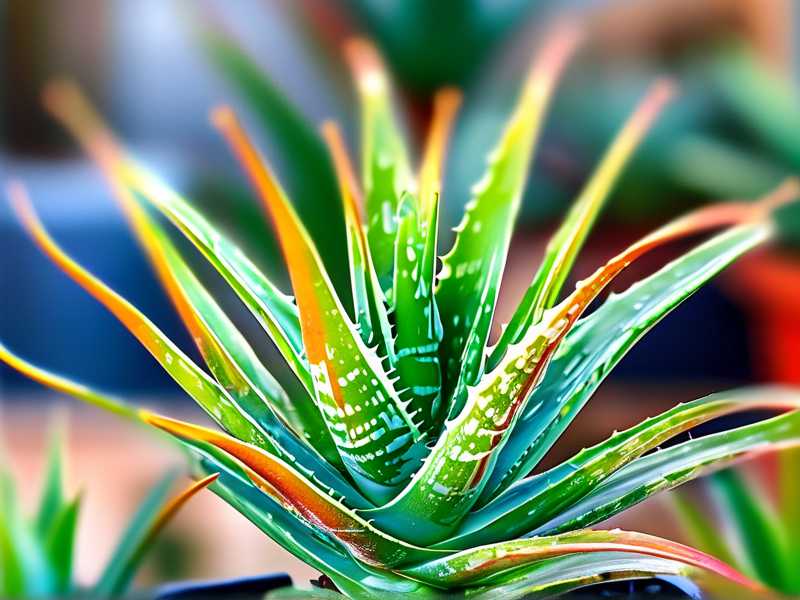
I figured more sun equals happier plant. Wrong again. Late afternoon direct sun through glass can hit 110°F on the leaves. I've seen aloe turn orange-red from sunburn. It looks ugly and stresses the plant badly.
Fix: Morning sun only. After 11 AM, give them bright indirect light. A sheer curtain works perfectly. My aloe started turning green again in just 4 days after I moved it.
Mistake #3: Using the Wrong Pot
I planted my first aloe in a beautiful ceramic pot with no drainage holes. I told myself "I'll be careful with water." You know how that ended. The soil stayed wet at the bottom even when the top looked dry. The roots suffocated in 3 weeks.
Fix: Use unglazed terracotta pots. They breathe. They wick moisture away from roots. Make sure there's at least one large drainage hole. I learned this after digging up a rotting aloe – the roots were brown mush.
How to Adjust Fertilization Step by Step
Here's my exact routine now:
Step 1: Check Indoor Temperature Daily
I keep a simple thermometer next to my plants. The American Horticultural Society AHS recommends monitoring for "heat stress thresholds." I use this every morning. If it's above 83°F, no fertilizer. Full stop.
Step 2: Use Half Strength During Moderate Heat
When temperatures are between 75-83°F, I dilute my usual succulent fertilizer to half strength. Full-strength fertilizer in warm conditions can still burn the roots. I use a 5-10-5 formula specifically for succulents. Never use general houseplant food on aloe.
Step 3: Stop Fertilizing Entirely Above 85°F
This is non-negotiable. I waited two weeks after a heatwave before resuming feeding. I tested the soil pH first. It had shifted to 7.8 from the salt buildup. I flushed the pot with distilled water before fertilizing again.
Step 4: Choose the Right Fertilizer Type
Liquid fertilizers are best for aloe. Slow-release granules can release too fast in heat. I use a cactus-specific liquid fertilizer. It has lower nitrogen. Nitrogen causes soft, weak growth that attracts pests.
Step 5: Water Before Fertilizing
I learned this from a succulent nursery owner. Always water your aloe with plain water first. Wait 30 minutes. Then apply the fertilizer solution. The roots absorb nutrients better when they're already hydrated. Dry roots get burned easily.
My Personal Fertilizer Schedule for Hot Climates
I live in a zone 7 area with hot summers. Here's what works for my aloe:
March-April: Start fertilizing every 3 weeks. Spring growth needs nutrients.
May-June: Every 4 weeks at half strength. Temperatures start rising.
July-August: No fertilizer at all. Just plain water when needed.
September: Resume at half strength every 3 weeks.
October-March: Stop completely. Winter dormancy means no feeding.
I keep a journal on my phone. I write down watering dates and fertilizer applications. It helps me catch problems early.
What to Do If You Already Over-Fertilized
Don't panic. I've done this multiple times. Here's the rescue plan:
- Flush the pot with distilled water. Run water through the soil for 5 minutes.
- Let the pot drain completely. Elevate it on pebbles.
- Remove any yellow or mushy leaves with clean scissors.
- Stop all fertilizer for 6-8 weeks.
- Move the plant to a cooler spot with indirect light.
I saved a badly burned aloe this way. It took two months to fully recover. But it's alive and growing again.
The Role of Soil in High Temperature Fertilization
Your potting mix matters more than you think. Regular potting soil holds moisture and fertilizer salts. It turns into a toxic sludge in high heat.
I use a mix of 50% cactus potting mix and 50% perlite. This drains fast and prevents salt buildup. I repot my aloe every 2 years in spring. Fresh soil means I don't need to fertilize as often.
Common Questions I Get Asked
Can I use organic fertilizer for aloe in summer?
I've tried fish emulsion and compost tea. They work fine in mild weather. But in high heat, they can ferment and cause bacterial problems. I stick with synthetic liquid fertilizers during cooler months only.
How do I know if my aloe needs fertilizer?
Look for pale green leaves, slow growth, or thin leaves. But check temperature first. If it's hot, the problem is usually heat stress, not hunger. I always rule out watering and light issues before adding fertilizer.
What about foliar feeding (spraying leaves)?
Don't do it on aloe. The leaves have a waxy cuticle that blocks absorption. Plus, water sitting on leaves in high heat causes fungal spots. I wasted a month trying this method.
Final Thoughts on Fertilizing Aloe in Heat
I wish someone had told me this years ago. Aloe vera doesn't need heavy feeding. It's a desert plant adapted to poor soil. During heat waves, your job is to protect the roots, not push growth.
The two-week test showed me that aloe actually prefers neglect during summer. I feed it less. I water it less. And it rewards me with healthier, thicker leaves.
Start with my temperature rule: above 85°F equals no fertilizer. Your aloe will thank you. I promise.
Frequently Asked Questions
Q: Should I fertilize indoor aloe vera in air conditioning? If your AC keeps temperatures below 80°F, you can maintain a normal feeding schedule. But air conditioning also reduces humidity. This slows growth anyway. I find every 4-6 weeks works well in cooled rooms.
Q: How long after a heatwave can I resume fertilizing? Wait at least 2 weeks after temperatures return to normal. The roots need time to recover from heat stress. I check for new growth before feeding. If you see fresh green tips in the center, it's safe.
Q: Does fertilizer type matter for hot indoor conditions? Absolutely. Use a fertilizer with an N-P-K ratio around 1-2-2 or 5-10-5. High nitrogen formulas cause etiolated growth that burns easily in heat. I learned this when I used generic houseplant food on my aloe and got twisted, weak leaves.