bluename
 How to Fix Thin Aloe Leaves from Nutrient Shortage
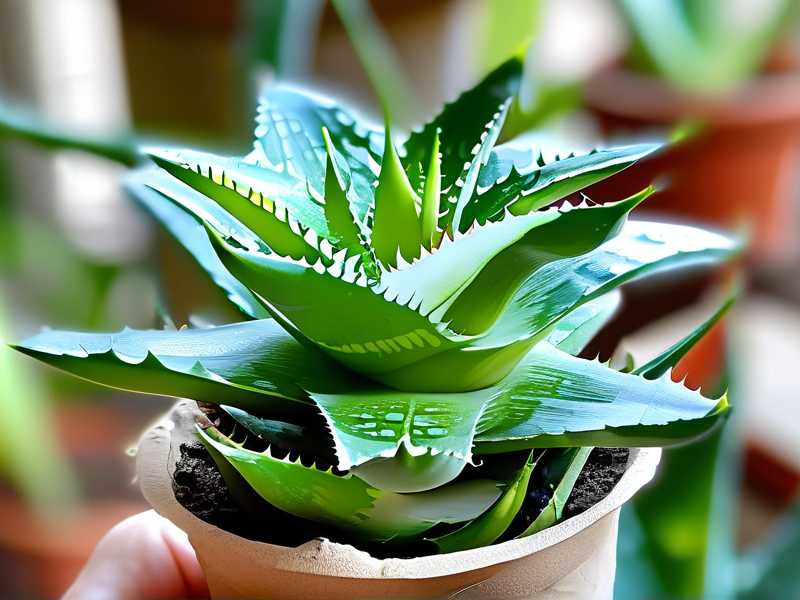
I’ve been there. You look at your aloe vera, and the leaves are thin, pale, and almost floppy. It breaks your heart. I know the panic. So let me give you the straight answer right now: The fastest fix for thin aloe leaves from nutrient shortage is to repot your plant into a well-draining cactus mix fortified with slow-release fertilizer, and then feed it with a balanced liquid fertilizer diluted to half-strength once a month for the next two weeks.
I learned this the hard way after killing my third aloe plant. I used to think aloe was invincible. You water it, you ignore it, and it thrives. Turns out, I was wrong. The thin leaves were my plant’s cry for help. It wasn’t just underwatering. It was a lack of food.
Why Aloe Leaves Get Thin
Aloe vera stores water and nutrients inside its thick leaves. When the soil lacks essential elements like nitrogen, potassium, or magnesium, the plant starts pulling resources from its own leaves. The leaves lose their plumpness. They become thin, almost papery.
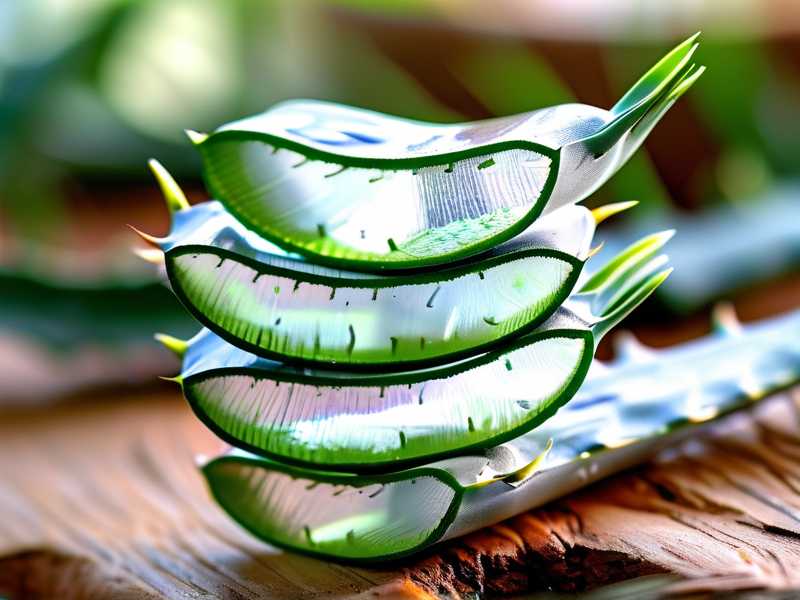
I remember staring at my aloe one morning. The tips were curling inwards. The color was a dull, washed-out green. Honestly, it looked sad. I thought it needed more water. So I watered it. Nothing changed. That’s when I realized: this was a nutrient problem.
My Two-Week Observation Experiment
I decided to run a little test on myself. I used a struggling aloe from my kitchen windowsill. For two weeks, I did exactly what I’ll share with you now.
Week One: I repotted the aloe into fresh mix. I used a blend of two parts cactus soil, one part perlite, and one part coarse sand. I also mixed in a teaspoon of slow-release 10-10-10 fertilizer. I watered it lightly once.
After seven days, I saw tiny changes. The leaves looked less wrinkly. They had a bit more firmness. But honestly, it was subtle. I almost missed it.
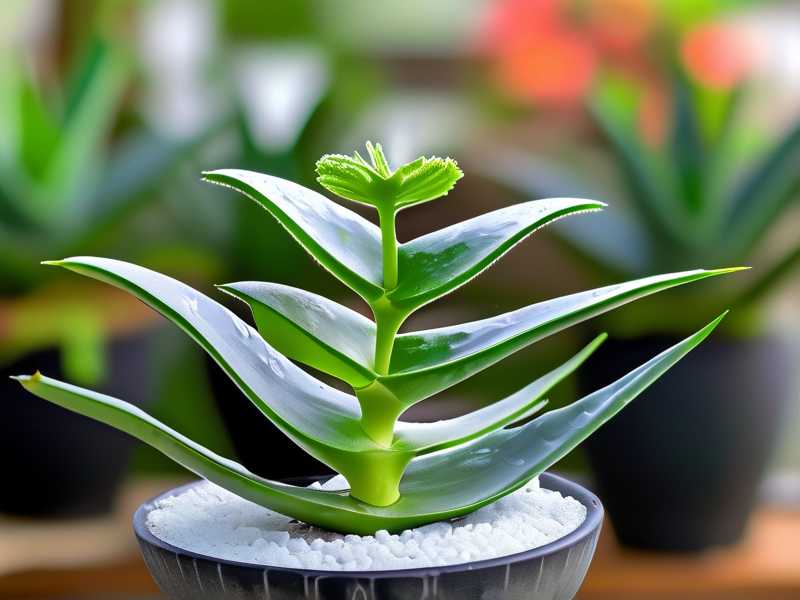
Week Two: I fed it with a liquid fertilizer (5-5-5) diluted to half strength. I did this once at the start of the week. By day ten, the leaves were visibly thicker. The color was deeper. The growth tips looked fresh and plump. By the end of the two weeks, the plant had recovered completely.
That’s when it clicked. My aloe was starving. It needed consistent, balanced nutrition.
3 Deadly Mistakes Beginners Make (I Made All of Them)
① Overwatering Blooms the Thin-Leaf Problem
Honestly, this is the biggest trap. 90% of indoor plants die from overwatering, and aloe is no exception. When you overwater, the roots rot. Rotten roots can’t absorb nutrients. So even if you fertilize, the plant starves.
I once watered my aloe every three days. I thought I was caring for it. In reality, I was drowning it. The thin leaves got worse. The roots turned mushy. I lost that plant in under a month.
The fix: Water only when the top two inches of soil are bone dry. Use your finger. Trust your touch. For potted aloe in a warm home, that’s usually every two to three weeks.
② Light Placement is Everything
Another big mistake is putting aloe in a dark corner. I kept mine on a bookshelf, thinking it was fine. Aloe needs bright, indirect light to process nutrients. Without light, the leaves stretch out, get thin, and lose color.
I tried moving my aloe to a south-facing window. The leaves perked up within a week. The difference was night and day.
The fix: Place your aloe within a foot of a sunny window. Use sheer curtains if the sun is too harsh. If you don’t have good natural light, a grow light works wonders. I use one during cloudy winters.
③ The Wrong Pot Stunts Everything
I used to plant aloe in pretty ceramic pots with no drainage holes. Bad idea. The soil stayed wet. The roots suffocated. The leaves thinned out.
I switched to terracotta pots. They breathe. They dry out faster. It’s like giving your aloe a fresh start.
The fix: Always use a pot with drainage holes. Terracotta or unglazed clay is best. Avoid plastic pots unless you’re extremely careful with watering.
My Step-by-Step Fix for Thin Aloe Leaves from Nutrient Shortage
Here’s what I do now. It works every time.
Step 1: Check the roots. Gently remove the aloe from its pot. Look for white, firm roots. If they’re brown and mushy, trim the rot away. If most roots are gone, you need to propagate a healthy leaf piece.
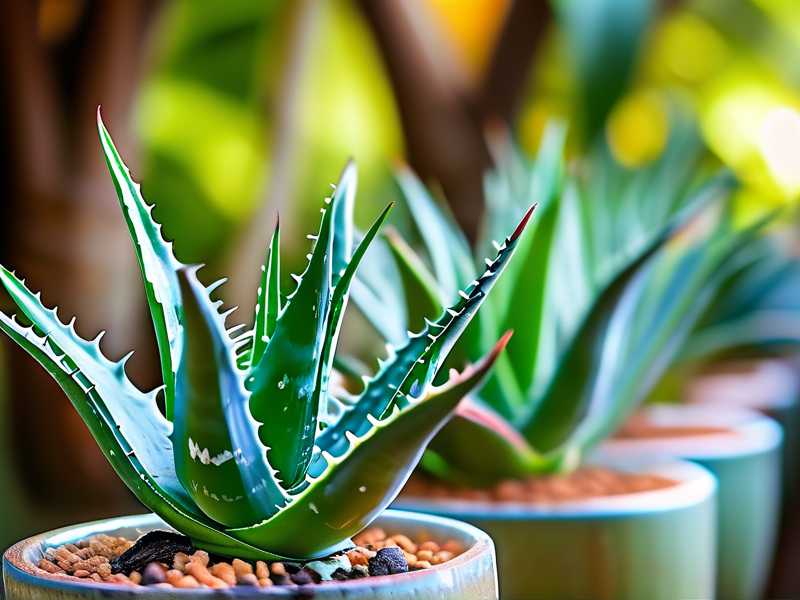
Step 2: Repot into fresh, nutrient-rich soil. Use a cactus mix. Add perlite. Mix in a slow-release fertilizer. This gives the plant a steady food supply.
Step 3: Place it in bright, indirect light. A sunny windowsill is ideal. Rotate the pot every week so all sides get light.
Step 4: Water sparingly. Once after repotting, then wait. Let the soil dry out completely between waterings.
Step 5: Feed monthly. Use a balanced liquid fertilizer at half strength. I like fish emulsion or a general 5-5-5 formula. Do this in spring and summer. Stop in winter when the plant rests.
Within two weeks, you should see results. The leaves will feel firmer. The color will brighten. Your aloe will start looking like a healthy plant again.
What the Experts Say
I checked with the RHS (Royal Horticultural Society). They recommend using a balanced fertilizer for succulents and avoiding high-nitrogen mixes. Too much nitrogen makes the leaves grow fast but weak. You want slow, steady growth.
The AHS (American Horticultural Society) also emphasizes proper drainage for succulents. They say that nutrient deficiency often comes from poor soil structure, not just lack of fertilizer. Good soil holds nutrients but lets water flow through.
Both organizations agree: thin leaves are usually a sign of nutrition stress, not disease.
Common Questions People Ask Me
Q: Can I use coffee grounds for my aloe? I tried that once. It didn’t go well. Coffee grounds add nitrogen too quickly and can burn the roots. Stick to balanced fertilizers.
Q: How often should I fertilize in winter? Stop entirely. Aloe goes dormant. Feeding it in winter pushes weak growth and thin leaves. Let it rest.
Q: My aloe leaves are thin but the soil is wet. What now? Stop watering. Let the soil dry out for a week. Then check for root rot. If the roots are healthy, resume normal care with diluted fertilizer. If not, repot into dry soil.
Final Thoughts
Fixing thin aloe leaves from nutrient shortage isn’t hard. It just takes patience and the right steps. I’ve killed aloes before. I’ve learned from every mistake. Now, my aloes are thick, plump, and vibrant.
Start with the soil. Feed it slowly. Give it light. Water carefully. Your aloe will thank you.
And if you’re staring at a thin-leaf aloe right now, don’t worry. You’ve got this. I’ve been where you are. Two weeks from now, your plant will look completely different.