bluename
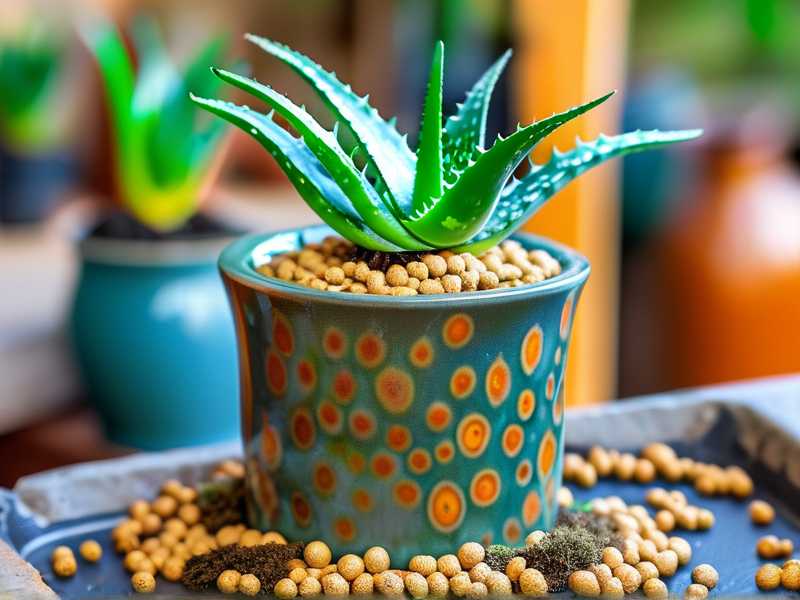
 Your aloe vera plant is thriving one week, then suddenly its plump, green leaves turn thin, brown, and mushy. You’ve followed the watering advice, but something’s still wrong. The culprit is often not how you care for it, but where you’ve placed it. Finding the best location for aloe vera in your home is the single most important decision for its long-term health and vitality.
This guide will walk you through the perfect environmental recipe for your aloe, room by room and window by window. By understanding its core needs for light, temperature, and airflow, you can transform your struggling plant into a resilient, beautiful centerpiece that also offers a handy supply of soothing gel.
Understanding What Your Aloe Vera Plant Craves
To find the ideal spot, we must first think like an aloe. Native to arid regions of the Arabian Peninsula, Aloe barbadensis miller is a succulent built for survival in bright, sunny, and dry conditions. Its needs are simple but non-negotiable.
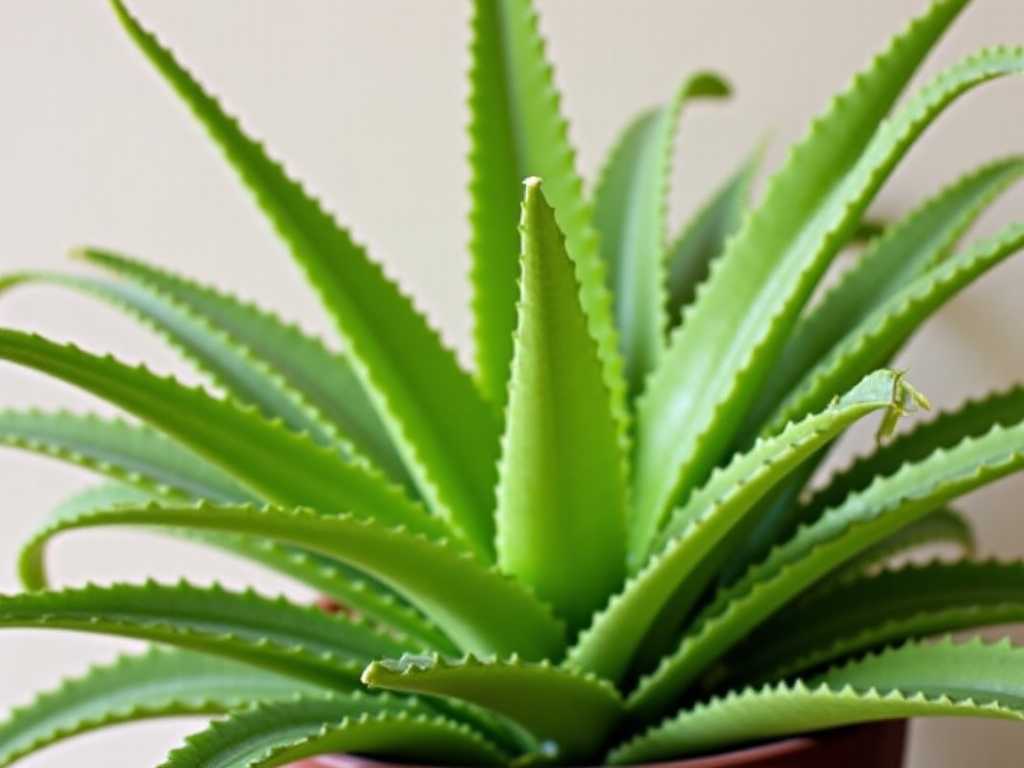
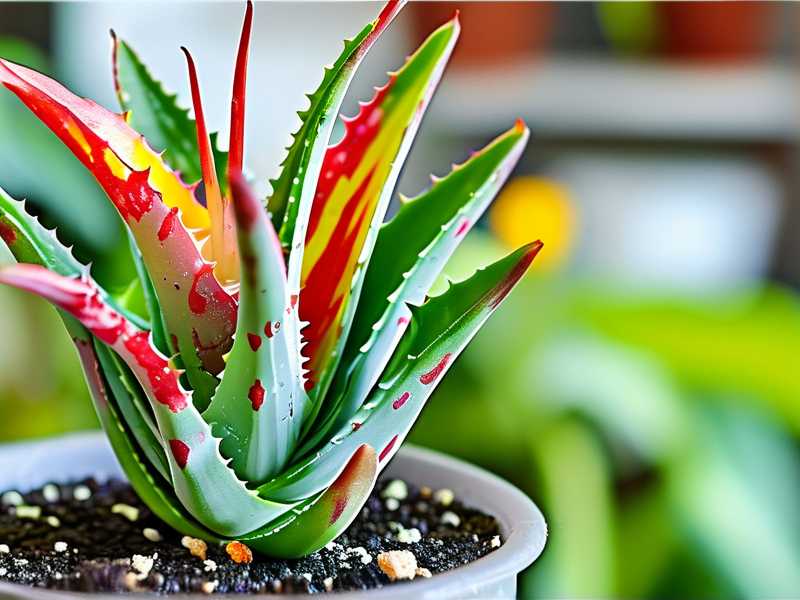
Abundant, Bright, Indirect Light is Non-Negotiable Light is the primary driver of aloe vera health. It fuels the photosynthesis process, which gives the plant energy to grow those thick, gel-filled leaves. A perfect location provides very bright, indirect sunlight for most of the day. Direct morning sun (east-facing) is usually excellent, while intense, hot afternoon sun (south or west-facing in summer) can scorch the leaves, causing unsightly brown or red discoloration. If you only have a very sunny spot, a sheer curtain can perfectly diffuse the light.
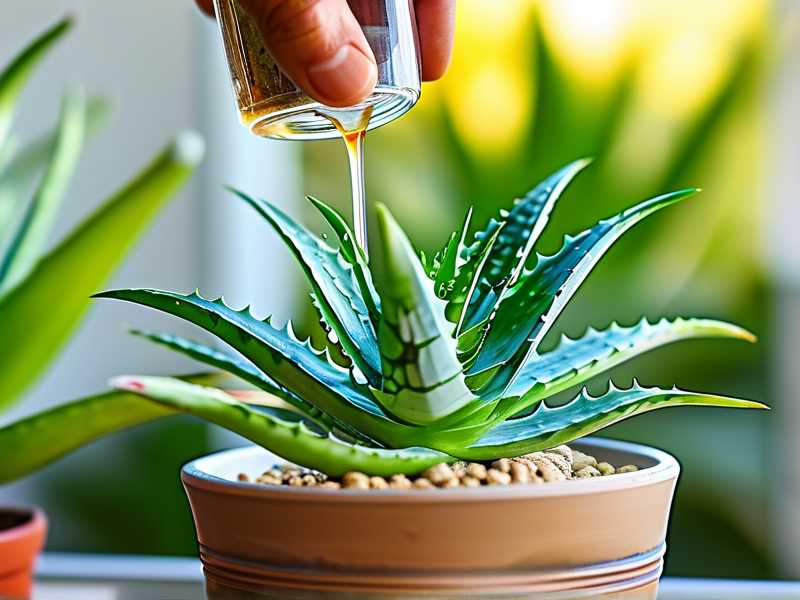
The Critical Balance of Water and Drainage Aloe vera stores water in its leaves. Overwatering is a far more common killer than underwatering. Placement directly influences this. A cool, dark corner will cause soil to stay wet for too long, leading to root rot. The ideal location supports the "soak and dry" method: the soil can dry out completely between waterings. This means warm, well-ventilated areas are best.
Preferring Warm, Stable Temperatures As a desert dweller, aloe vera prefers temperatures between 55°F (13°C) and 80°F (27°C). It thrives in the same comfort range as most humans. Crucially, it despises drafts and sudden temperature changes. Placing it next to a frequently opened door in winter or directly under an air conditioning vent in summer can send it into shock, stunting growth.
Room-by-Room Analysis: The Best and Worst Places for Your Aloe
Not all rooms are created equal for plant placement. Let’s evaluate the most common options in your home.
The Prime Real Estate: South or East-Facing Windows A south-facing window (in the Northern Hemisphere) is often the best place to keep an aloe vera plant for consistent, year-round light. Position the plant within 1-3 feet of the window. If the sun becomes too intense, simply pull it back a few feet or use a curtain. An east-facing window is arguably the gold standard, offering gentle, direct morning sunlight and bright indirect light for the rest of the day, with minimal risk of scorching.
The Good Contenders: West-Facing Windows and Bright Kitchens A west-facing window provides strong afternoon sun. This can work well, but monitor for scorching during summer. A few feet back from the window is often perfect. A bright kitchen with a south or east window is a fantastic ideal spot for aloe vera plants. It typically enjoys warm temperatures, good airflow, and humidity from cooking, which the aloe can appreciate. Plus, having fresh aloe gel for minor kitchen burns is incredibly convenient.
Proceed with Caution: North-Facing Windows and Low-Light Rooms A north-facing window provides the weakest light. While it might suffice in summer, it’s usually insufficient in other seasons, leading to etiolation—where the plant stretches out thinly and palely toward the light. Bathrooms, unless exceptionally bright with a large window, are generally too dark and humid. Hallways and rooms with small windows often fail to provide the sustained brightness your aloe requires.
The Absolute No-Gos: Drafty Areas and Direct Heat Sources Avoid placing your aloe next to radiators, fireplaces, or heating vents. The direct, dry heat will rapidly dehydrate it. Similarly, drafty windowsills in winter or blasting AC vents in summer create stressful temperature fluctuations. The top of the television or refrigerator is also poor due to consistent gentle heat and typically low light.
Advanced Placement Tips for Optimal Health and Growth
Once you’ve chosen the right room and window, fine-tuning the placement can make a big difference.
Managing Light Throughout the Year The sun’s path changes with the seasons. A spot that’s perfect in spring might be too intense in July. Be prepared to rotate your plant a quarter-turn weekly for even growth and adjust its distance from the window seasonally. In winter, when light is weak, move it to the brightest possible spot, even if it means temporary direct sun.
The Importance of Air Circulation Good airflow around your aloe vera helps strengthen its structure, reduces the risk of pest infestations (like mealybugs), and helps soil dry appropriately. Avoid cramming it into a crowded plant corner where air becomes stagnant. A slight breeze from a fan (not directly on it) or a naturally breezy area is beneficial.
Using Grow Lights as a Strategic Supplement If your home lacks natural bright light, don’t despair. LED or fluorescent grow lights are an effective solution for growing aloe vera indoors successfully. Place the light 6-12 inches above the plant and keep it on for 12-14 hours a day. This allows you to create a "perfect location" on a shelf, desk, or in a basement.
Signs Your Aloe Vera is in the Wrong Spot and How to Fix It
Your plant will communicate its distress. Here’s how to diagnose and remedy placement issues.
- Brown, Crispy Leaves or Reddish Tinge: This is sunburn. Your plant is getting too much direct, hot sun. Solution: Move it further from the window or filter the light with a sheer curtain.
- Pale, Thin, and Stretched Leaves (Etiolation): The plant is desperately reaching for more light. Solution: Immediately relocate it to a much brighter location. You may need to supplement with a grow light.
- Soft, Mushy, Brown Leaves at the Base: This is a classic sign of overwatering, often exacerbated by a cool, dark location where soil won’t dry. Solution: Stop watering. Check for root rot. Repot if necessary, and move the plant to a warmer, brighter, and airier spot.
- Slow or No Growth: While aloe isn’t a fast grower, a complete halt usually indicates insufficient light or temperatures that are too cool. Solution: Assess light levels and ensure the room is within its preferred temperature range.
Can I put my aloe vera outside? Yes, but with a crucial transition period. In warm summer months, aloe can thrive outdoors. Start by placing it in dappled shade for a week, then gradually move it to a spot with morning sun and afternoon shade. Never move it directly from indoors to full outdoor sun, as it will scorch. Always bring it back inside before nighttime temperatures drop near 50°F (10°C).
How often should I water my aloe based on its location? Frequency is entirely location-dependent. A plant in a hot, south-facing window may need water every 2-3 weeks in summer. The same plant in a cooler, east-facing room might only need water every 4-5 weeks. Always let the soil dry out completely, then water deeply until it runs out the drainage holes.
My aloe is leaning heavily to one side. What should I do? This is phototropism—it’s leaning toward the light source. Simply rotate the pot a quarter-turn every time you water. This encourages straight, even growth. For a severely leaning plant, you can repot it, positioning it more upright in the new soil.
Finding the best location for your aloe vera is a dynamic process of observation and slight adjustment. Start with the fundamentals: a bright, warm, and draft-free spot near a sunny window. Pay close attention to the signals your plant gives you—its leaf color and texture are the best guides. By partnering with your plant’s natural instincts and providing an environment that mimics its native habitat, you’ll be rewarded with a robust, low-maintenance companion that adds a touch of green elegance to your home for years to come.