bluename
 How to Speed Up Root Growth for Aloe Cuttings: A Complete Guide
You’ve carefully taken a healthy cutting from your beloved aloe vera plant, full of hope for a new, independent succulent. But weeks pass, and instead of robust new roots, you’re left staring at a stubbornly unchanged stem or leaf, wondering if it will ever take hold. This waiting game is the single biggest frustration for gardeners propagating aloe. The good news? Slow or failed rooting is almost always due to a few controllable factors. By understanding what aloe cuttings truly need, you can dramatically accelerate the process and transform that dormant cutting into a thriving, rooted plant.
This guide will walk you through every step, from the initial cut to the first signs of new growth, ensuring you have the knowledge to foster strong, healthy roots quickly and reliably.
Understanding Aloe Vera Propagation
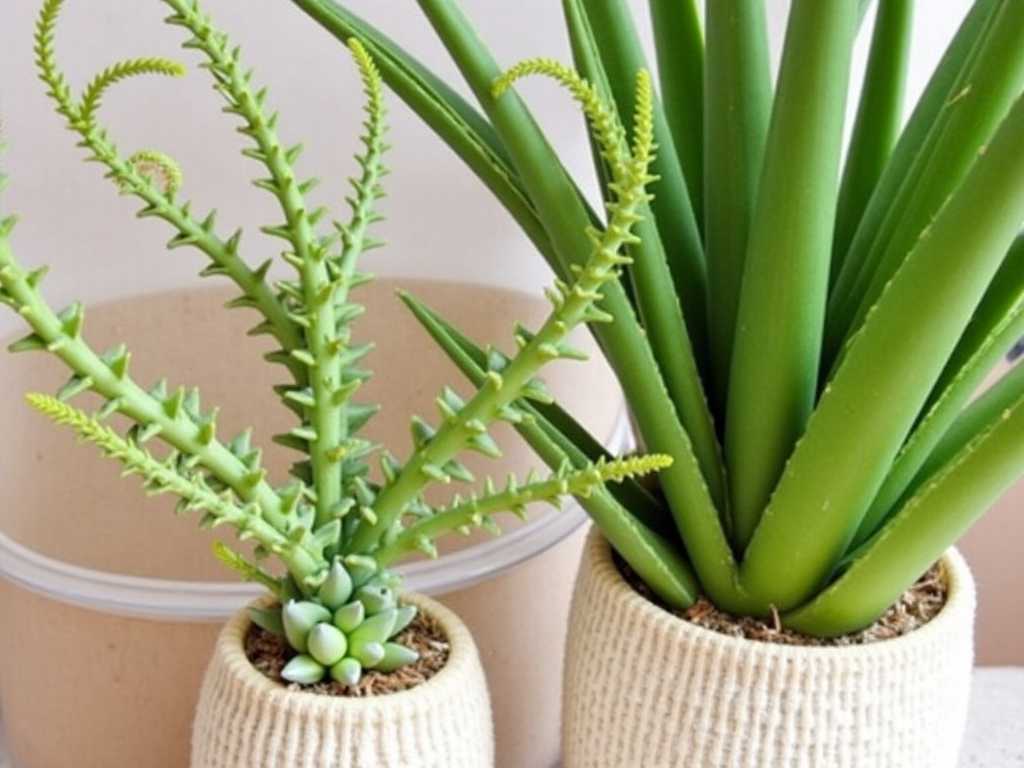
Aloe vera, unlike many leafy houseplants, is typically propagated from offsets (pups) or leaf cuttings. While pups come with their own nascent root systems, leaf cuttings start from zero, making the rooting process critical. The plant’s natural survival instinct is to form a callus over the wound and then, under the right conditions, send out roots to seek water and nutrients. Our goal is to create the perfect environment to trigger and support this biological imperative as swiftly as possible.
Pre-Propagation: The Crucial First Cut
Success begins before the cutting even touches the soil. A poor start here can doom the entire process.
Selecting the Perfect Cutting Always choose a healthy, mature leaf from the outermost part of the plant. It should be firm, plump, and free from any spots, blemishes, or signs of weakness. A robust cutting has ample stored energy and water to sustain itself during the rootless period.
The Art of the Clean Cut Use a sharp, sterilized knife or razor blade. A clean cut minimizes damage to the plant’s tissues, reducing the risk of infection. Tearing or using dull scissors can crush the vascular tissues, hindering the plant’s ability to form a callus. Cut at a slight angle near the base of the leaf; this increases the surface area from which roots can potentially emerge.
The Non-Negotiable Callusing Period This is the most commonly skipped yet vital step for how to make aloe cuttings root faster. Immediately after cutting, you must let the wound dry and form a callus. Place the cutting in a warm, dry, shaded spot with good air circulation for 4 to 7 days. The end will harden and seal over, forming a protective barrier. Planting a fresh, wet cutting directly into soil is an invitation for rot, which will destroy any chance of rooting.
The Optimal Rooting Environment
Creating the right environment is where you can most significantly promote root development in aloe pups and cuttings.
Choosing the Right Medium Aloe requires a well-draining, gritty medium. A standard potting soil holds too much moisture. Opt for a specialized cactus or succulent mix. For even better results, create your own blend: mix 2 parts potting soil with 1 part coarse sand and 1 part perlite or pumice. This ensures excellent drainage and aeration around the callused end, preventing rot and allowing roots to penetrate easily.
The Perfect Container Select a small pot with ample drainage holes. A container that is too large will hold excess moisture in soil the tiny root system cannot yet absorb. A 3-4 inch pot is usually ideal for a single leaf cutting.
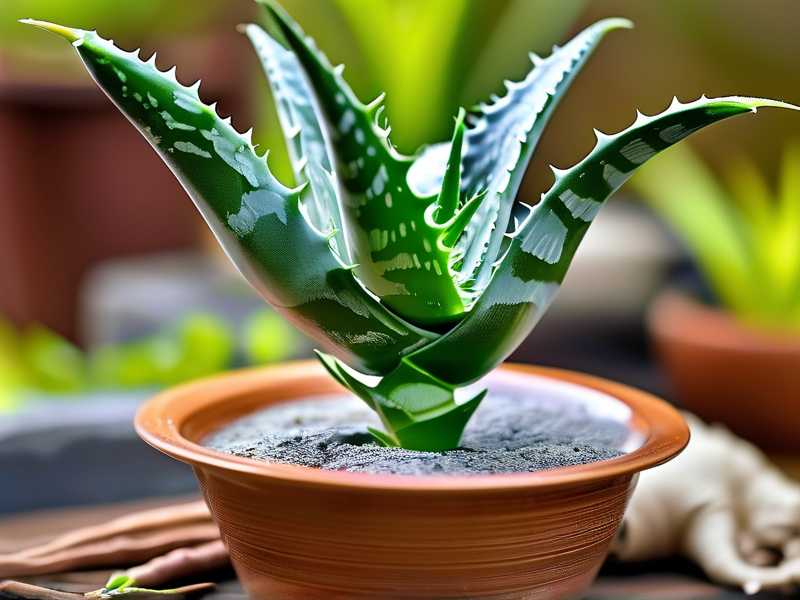
Planting Your Callused Cutting Do not bury the cutting deeply. Simply insert the callused end about 1 inch into the pre-moistened growing medium. Gently firm the soil around it just enough to hold it upright. Some gardeners prefer to lay leaf cuttings horizontally on the soil surface, slightly pressing the callused end into the mix, which can also be effective.
Accelerating Root Growth: Advanced Techniques
With the cutting planted, your focus shifts to providing optimal conditions that stimulate root cell division and growth.
Watering Wisdom: Less is More This is critical. Your instinct will be to water it like a regular plant. Resist it. The cutting has no roots to absorb water; moisture is only needed to encourage roots to seek it out. After the initial planting in lightly moist soil, do not water again until you see signs of root growth (the leaf will feel firmer and may show new growth at the tip). Then, water only when the soil is completely dry, using the “soak and dry” method. Overwatering is the fastest way to kill an aloe cutting.
The Warmth and Light Formula Aloe roots develop best in warm conditions. Maintain an ambient temperature between 70-80°F (21-27°C). Provide bright, indirect light. A south or west-facing window with a sheer curtain is perfect. Direct, harsh sunlight can scorch the cutting and increase stress, while too little light will slow photosynthesis and root development. As noted by horticulturist Dr. Linda Chalker-Scott, “Warm soil temperatures are a key, often overlooked, signal for root initiation in succulents.”
The Power of Patience and Observation Rooting can take anywhere from 2 to 6 weeks. Avoid the temptation to tug on the cutting to check for roots. Instead, look for positive signs: the original leaf may plump up further, or you might see a new, green shoot emerging from the base. This indicates successful rooting below the soil.
Troubleshooting Common Rooting Problems
Even with perfect care, issues can arise. Here’s how to identify and fix them.
Cutting is Shriveled and Dry This indicates underwatering or a lack of root formation to take up available water. Ensure the soil has some slight moisture (not wet) and check that temperatures aren’t excessively high. If it’s been several weeks, gently investigate for any root development.
Cutting is Mushy, Brown, or Black at the Base This is rot, caused by excess moisture. Unfortunately, it is often fatal. You can try to cut well above the rotted section with a sterilized tool, re-callus, and start again. This underscores the importance of a full callusing period and a dry watering regimen.
No Growth After Many Weeks The cutting may look unchanged. Ensure it’s getting enough warmth and indirect light. The medium may be too dense or too cold. Consider using a seedling heat mat to gently warm the soil from below, which can be a powerful stimulant for root growth.
Frequently Asked Questions
Can I use rooting hormone on aloe vera cuttings? Yes, you can. While not strictly necessary, a rooting hormone powder containing IBA (Indole-3-butyric acid) can potentially stimulate faster root initiation. Dip the callused end into the powder right before planting. However, the most critical factors remain a proper callus, well-draining soil, and correct watering.
Is it better to root aloe in water or soil? Soil is overwhelmingly the better and more reliable method for aloe vera. While some may have success with water propagation, aloe cuttings are highly susceptible to rot in constantly wet conditions. The soil method mimics their natural environment and builds a root system adapted to soil from the start.
How long does it take for aloe cuttings to show new growth? Visible new leaf growth from the top or base of the cutting is the best indicator of success and typically appears 4 to 8 weeks after planting, following the development of a root system below. Patience is essential during this period.
Propagating aloe vera from cuttings is a rewarding exercise in understanding plant biology. The journey from a severed leaf to an independent plant hinges on mastering a few simple principles: a clean cut, a patient callusing period, a starkly well-draining medium, and disciplined, minimal watering. By providing warmth and bright indirect light, you create the ideal conditions for roots to emerge with vigor. Remember, the key to speeding up the process isn’t about constant intervention, but about setting the stage correctly from the very beginning and then allowing nature to take its well-supported course. Your reward will be a new, resilient aloe plant, grown by your own hand.