bluename
 Aloe Vera Flowers: When and How They Bloom
You’ve nurtured your aloe vera plant for years, watching its plump, spiky leaves thrive. Yet, you’ve never seen the legendary aloe vera flowers. You might be wondering: Do aloe plants even bloom? The answer is a resounding yes. While their soothing gel is the star, the bloom is a rare and spectacular reward for patient gardeners. The sight of a tall, vibrant flower spike is a true testament to your plant care skills. However, achieving this floral display is shrouded in mystery for many. Understanding the specific conditions that trigger blooming is the key to unlocking this hidden beauty.
This guide will demystify the entire process. We’ll explore the precise conditions needed, the timeline you can expect, and a step-by-step care plan to maximize your chances of witnessing your aloe vera plant in full, glorious bloom.
Understanding the Aloe Vera Bloom: A Rare Delight
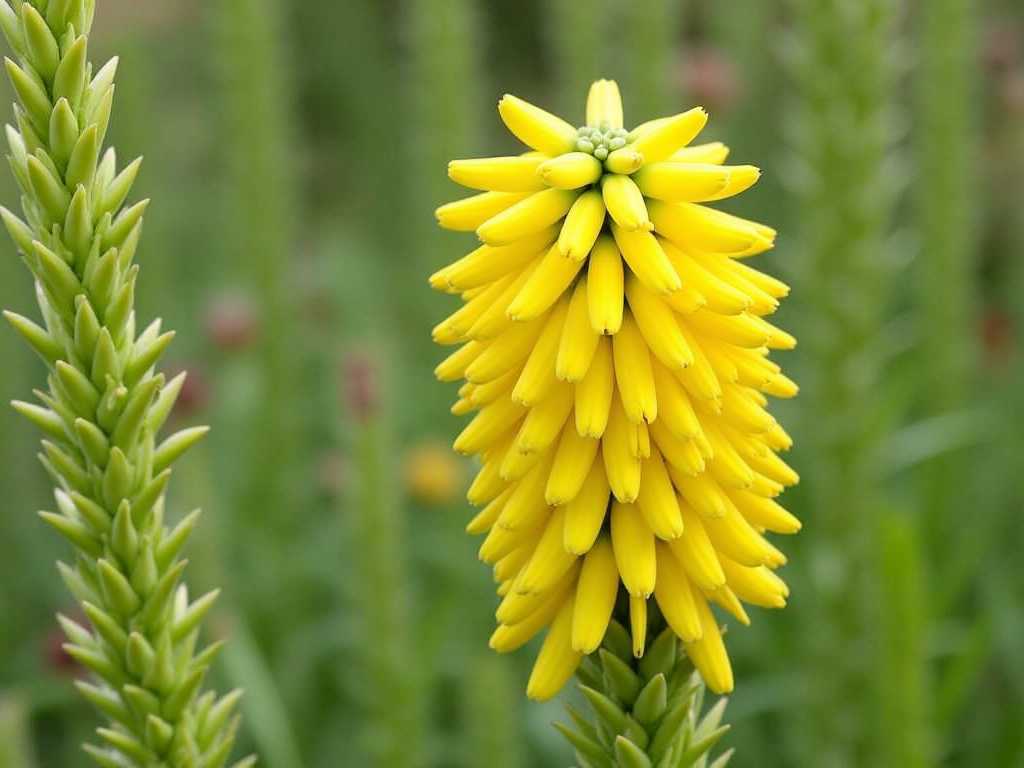
First, it’s essential to set realistic expectations. Blooming is not common for aloe vera plants kept as typical indoor houseplants. In their natural, arid habitats, flowering is an annual event. For potted plants, especially indoors, it is a special occurrence that requires mimicking those ideal natural conditions as closely as possible. The bloom itself is stunning. It emerges as a tall, central flower spike, or raceme, that can shoot up several feet high. From this spike, numerous tubular flowers unfurl, typically in shades of vibrant yellow, orange, or red. According to horticultural experts at the Royal Horticultural Society, the flowering structure is designed to attract pollinators like sunbirds and bees in the wild, a fascinating glimpse into the plant’s ecology.
When Do Aloe Vera Plants Flower? The Key Factors
The question of "when" is less about a calendar date and more about the plant’s maturity and environment. A young aloe vera plant will not flower. Generally, a plant must be at least 3 to 4 years old and have reached a certain level of maturity and size before it can even consider producing a bloom. The primary flowering season for mature aloe vera is late winter through early spring, though this can vary.
Three critical environmental factors act as the triggers for flowering:
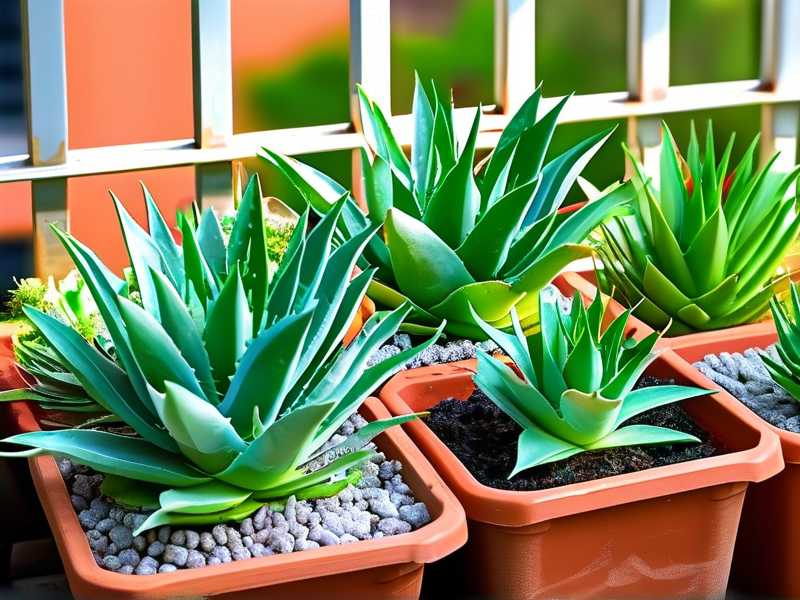
1. Abundant Sunlight: The Non-Negotiable Catalyst Sunlight is the most crucial ingredient. Aloe vera requires a tremendous amount of light to gather enough energy to produce flowers. This means full, direct sunlight for several hours each day. A bright south- or west-facing window is the minimum for indoor plants. Ideally, during the warmer months, moving your aloe outdoors to a sunny patio can provide the light intensity it craves. Insufficient light is the number one reason aloe plants fail to bloom.
2. The Right Temperature Cycle: Warm Days, Cool Nights Aloe vera plants respond to temperature shifts. They thrive in warm conditions (70-85°F or 21-29°C) during the day but benefit from a distinct cooldown at night. This diurnal temperature variation, especially a mild drop to around 50-60°F (10-15°C) in the fall and winter, can signal to the plant that it’s time to initiate a flower spike. This mimics the cool nights of their native desert environments.
3. Plant Maturity and Stress: A Delicate Balance As mentioned, the plant must be mature. Furthermore, a slightly "stressed" plant is more likely to bloom than one that is overly pampered. This doesn’t mean neglect, but rather providing conditions that encourage the plant to think about reproduction. This involves perfect watering practices and possibly being slightly root-bound.
How to Get Your Aloe Vera to Bloom: A Care Guide
Now that you understand the "when," let’s focus on the "how." Follow this care regimen to encourage your mature aloe vera to flower.
Step 1: Optimize Light Exposure
Place your aloe in the brightest spot possible. For indoor plants, this is a south-facing window. Rotate the pot periodically to ensure even growth. If natural light is limited, consider supplementing with a strong grow light for 12-14 hours a day. The transition to outdoor sun in summer should be gradual to avoid scorching the leaves.
Step 2: Master the Watering Routine
Overwatering is a surefire way to kill an aloe plant and will prevent flowering. Use the "soak and dry" method. Water deeply only when the soil is completely dry, and ensure the pot has excellent drainage. In winter, reduce watering frequency significantly, allowing the soil to stay dry for longer periods. This drier, cooler rest period is often a key trigger for bloom development.
Step 3: Use Appropriate Soil and Fertilizer
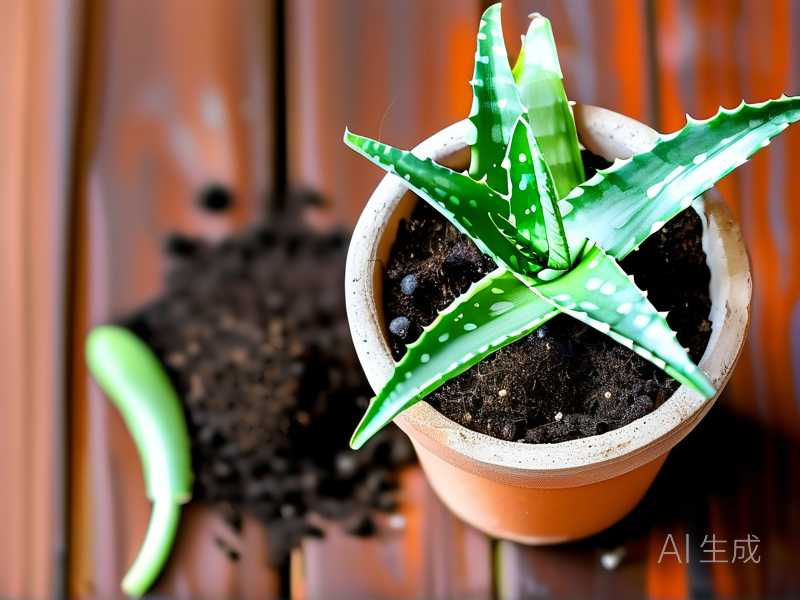
Plant your aloe in a fast-draining cactus or succulent mix. You can improve a standard mix by adding perlite or coarse sand. Fertilize sparingly. A half-strength, balanced fertilizer applied once in early spring and once in mid-summer is sufficient. Avoid high-nitrogen formulas, which promote leaf growth at the expense of flowers. A fertilizer higher in phosphorus can sometimes encourage blooming.
Step 4: Provide the Correct Pot and Environment
Aloe vera plants often bloom more readily when slightly root-bound. Don’t be in a hurry to repot it into a much larger container. Ensure the pot has large drainage holes. If possible, give your plant outdoor time in the summer and expose it to cooler (but not freezing) temperatures in the fall to simulate its natural cycle.
What to Do When Your Aloe Vera is Flowering
Congratulations! Your care has paid off. Once the flower spike emerges, continue your consistent care routine.
- Enjoy the Show: The blooms can last for several weeks. Enjoy their unique beauty and the pollinators they may attract.
- Continue Care: Maintain bright light and careful watering. You may support a very tall spike with a gentle stake to prevent it from bending.
- Post-Bloom Care: After all the flowers on the spike have faded, you can cut the entire flower stalk off at its base near the leaves. Use clean, sharp shears. The plant will not rebloom from the same stalk. Redirect the energy you’ve been putting into encouraging blooms back into general leaf and pup (offshoot) production.
How often will my indoor aloe vera flower? Even under perfect conditions, a potted aloe vera may not bloom every year. It is an energy-intensive process for the plant. It’s common for a healthy, mature plant to flower once a season, but it may also skip a year or two between blooms to recover and gather resources.
My aloe flower spike is brown and dry. Is it dead? Yes, once the flowering cycle is complete, the spike will naturally brown and dry out. This is the normal end of the process. Simply snip it off at the base. A green, healthy spike that suddenly wilts may indicate a watering issue or shock.
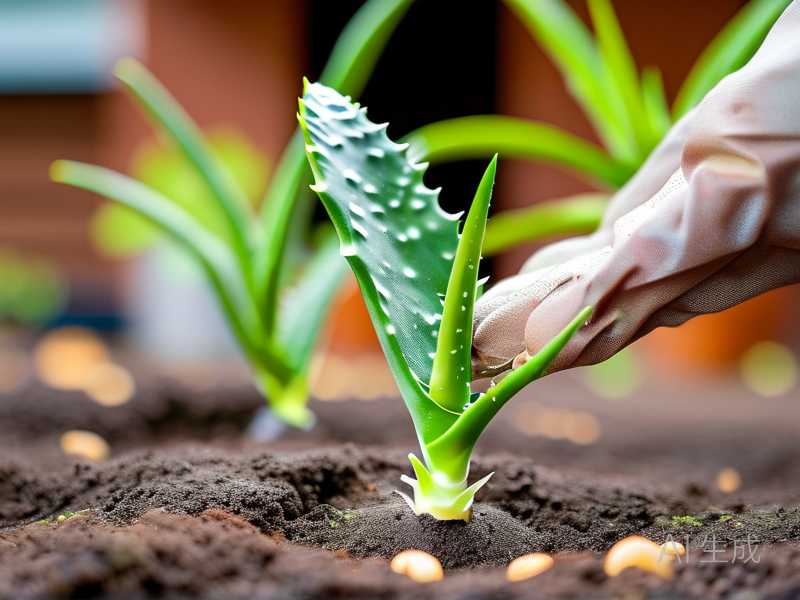
Can I propagate aloe vera from the flowers or seeds? While you can collect seeds from the spent flowers, growing aloe vera from seed is a very slow and challenging process. The most reliable and common method of propagation is by removing the "pups" or baby plants that grow at the base of the mother plant. This is faster and guarantees a clone of the parent plant.
Witnessing your aloe vera plant bloom is a deeply satisfying achievement for any plant enthusiast. It transforms the plant from a simple source of gel into a stunning, living sculpture. While it requires patience, maturity, and a precise blend of abundant sunlight, seasonal temperature cues, and disciplined care, the result—a towering spire of fiery blossoms—is undoubtedly worth the effort. Focus on providing the right natural conditions, and you may just be rewarded with this spectacular, rare display.