bluename
 How to Adjust Nutrient Supply for Summer Aloe Slow Growth
I know exactly how frustrating it feels when your aloe looks pale, limp, and just stops growing in summer. You water it. You move it around. Nothing changes. Here's the short answer: Stop feeding your aloe entirely for 2 weeks, let the soil dry out completely between waterings, and switch to a low-nitrogen fertilizer diluted to half strength once growth resumes. I killed my first three aloe plants before I figured this out. Let me save you the same pain.
Why Summer Aloe Slow Growth Happens
Most people think summer is prime time for aloe. Actually, aloe vera enters a semi-dormant state when temperatures consistently hit above 90°F (32°C). I learned this the hard way when my fourth aloe suddenly stopped growing in July. I was watering more, feeding more, and doing everything wrong.
According to the RHS, succulents like aloe naturally slow down their metabolic processes during extreme heat. They are conserving energy. They are not dying. They are simply waiting for cooler conditions.
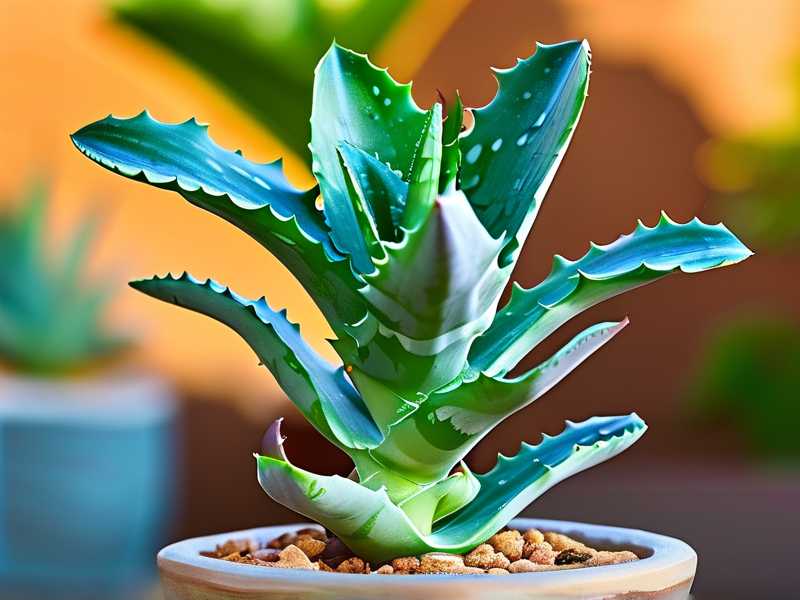
The real problem? We keep trying to force feed them. Nutrient supply during summer aloe slow growth needs complete recalibration. You cannot treat it like spring or fall.
The 3 Deadly Mistakes New Aloe Owners Make
Mistake #1: Overwatering When Growth Slows
I cannot stress this enough. 90% of indoor plants die from overwatering, and aloe is especially sensitive. When I noticed my aloe stopped growing, my first instinct was to water more. I thought it was thirsty.
The result? Root rot within two weeks. The leaves turned mushy and brown at the base. I lost a perfectly healthy plant because I panicked.
Here's what I do now: I wait until the soil is bone dry at least 2 inches deep. I stick my finger in. If there's any moisture, I walk away. During summer heat, I water maybe once every 10-14 days. That's it.
Mistake #2: Putting Aloe in Direct Summer Sun
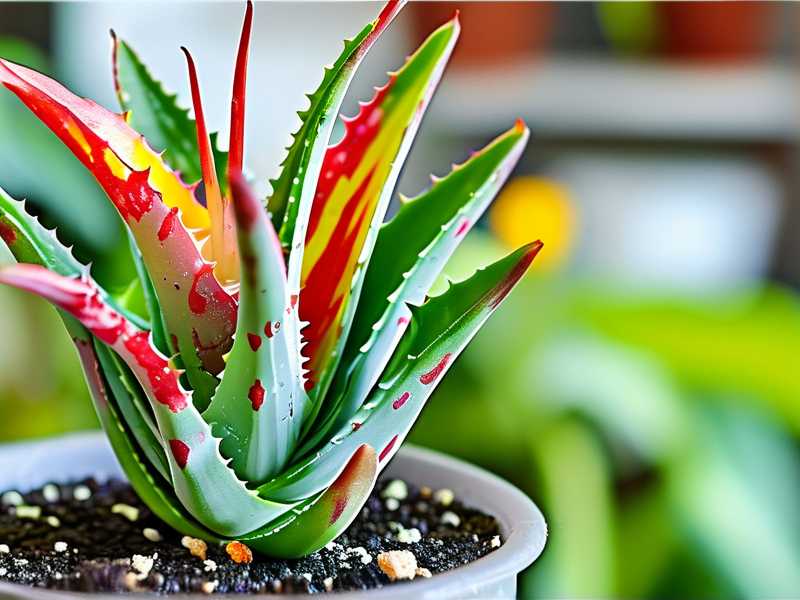
Everyone says aloe loves light. That's true. But full afternoon summer sun is a different beast. I put my plant on a south-facing balcony last June. Within three days, the leaves turned reddish-brown and started curling inward.
The AHS explains that aloe can suffer from photoinhibition when exposed to intense midday sun. The plant literally closes down its photosynthetic machinery to protect itself. That looks like stunted growth.
I learned to give my aloe bright morning light only, then move it to a spot with filtered afternoon shade. East-facing windows work perfectly. Or use a sheer curtain.
Mistake #3: Using the Wrong Pot
This one cost me two plants. I used a beautiful ceramic pot with no drainage hole. I thought I was being careful with watering. I was wrong.
Aloe roots need to breathe. They need to dry out fast. A pot without drainage creates a swamp at the bottom. I now use terracotta pots exclusively. They are porous. They wick moisture away from the roots. The difference is night and day.
My 2-Week Nutrient Adjustment Plan
I tested this method on my current aloe after it stopped growing for three weeks straight. Here is exactly what I did.
Week 1: Complete Nutrient Fast
Days 1-7: I stopped all fertilizer completely. No feeding whatsoever. I also cut watering back to once every 12 days. My aloe was sitting in a terracotta pot with cactus mix soil.
I observed the leaves closely. They were slightly thinner than usual, but not wrinkled. That's normal. The plant was using its stored water reserves.
By day 4, I noticed the soil was still damp half an inch down. I did not water. I waited.
By day 7, the soil was fully dry. The leaves had a slightly firmer feel. This was the first sign of recovery. The plant was no longer stressed by excess nutrients and moisture.
Week 2: Gentle Reintroduction of Nutrients
Days 8-14: I prepared a very weak fertilizer solution. I used a 2-7-7 liquid succulent fertilizer. I diluted it to one-quarter of the recommended strength. Many people recommend half strength, but I found quarter strength works better for aloe in summer.
I watered the plant with this solution. The water ran through the drainage holes freely. I did not let the pot sit in runoff water.
Day 10: I saw the first new leaf emerging from the center. It was pale green and small. That was huge progress. I kept the plant in bright indirect light. No direct sun.
Day 12: The new leaf had grown about half an inch. The older leaves were plumper and greener. I watered again with plain water. No fertilizer this time.
Day 14: The plant had two new leaves. The growth rate was clearly accelerating. I continued with the quarter-strength fertilizer every third watering.
What I Learned About Aloe Nutrient Needs in Summer
Aloe vera does not need high nitrogen in summer. Nitrogen promotes leaf growth, but the plant is not actively growing during heat stress. Excess nitrogen accumulates in the soil and can burn the roots.
I now use a fertilizer with low nitrogen and higher potassium and phosphorus. The N-P-K ratio I trust is 1-1-1 or 2-3-3. I never go above 5-5-5.
The RHS recommends feeding succulents only during active growth periods. For aloe, that is spring and early fall. Summer feeding should be minimal or paused entirely.
Signs Your Aloe Needs Nutrient Adjustment
Here is what I watch for:
- Leaves turning pale yellow-green instead of deep green
- Leaf tips browning or drying out
- No new growth for 4+ weeks
- Leaves becoming thin and flat instead of plump
- Soil staying wet for more than 10 days
If you see any of these, stop feeding immediately. Let the plant rest. Resume only after you see new growth.
Common Mistakes I Still See People Make
I once met a gardener who fed her aloe every week during summer. She thought more food meant more growth. Her aloe looked terrible. The leaves were soft and drooping. The roots were completely rotted.
Another friend put his aloe in a plastic pot with no drainage. He watered once a week. The plant died within two months. He said he followed the "once a week" rule. But that rule assumes good drainage and proper potting mix.
The truth is, aloe care is not about following rigid schedules. It is about observing your specific plant in your specific environment. My aloe in a dry apartment needs different care than one in a humid greenhouse.
The Role of Soil in Nutrient Management
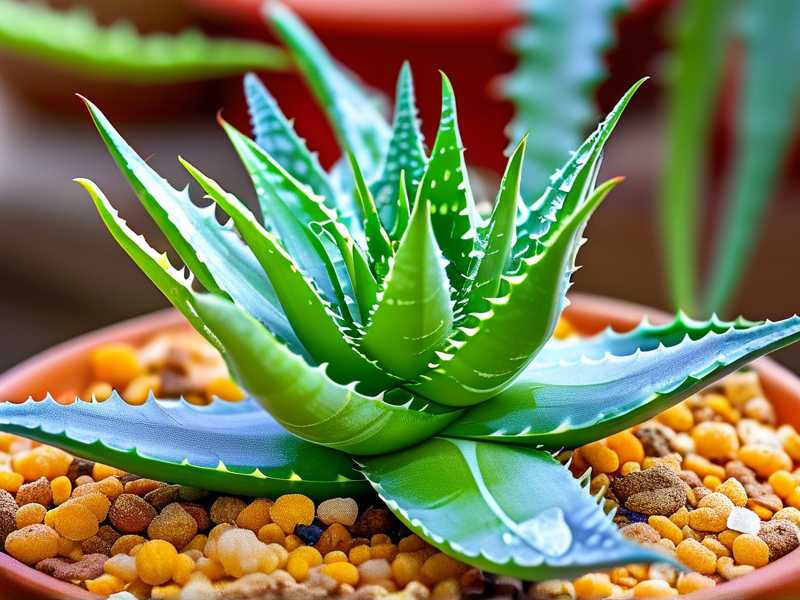
I cannot stress this enough. The right soil makes nutrient adjustment much easier. I use a mix of 50% cactus potting soil and 50% perlite or pumice. This drains extremely fast. It prevents nutrient buildup.
If you use heavy potting soil, nutrients will accumulate. Salts will form. Your aloe will suffer. I learned this after my fifth plant developed white crust on the soil surface. That was salt buildup from excessive fertilizer.
When to Actually Fertilize Summer Aloe
I only fertilize if I see active growth. That means new leaves are emerging and expanding. If the plant is clearly in a growth pause, I wait.
The best time to fertilize is early morning or late evening. I avoid fertilizing during heatwaves. I wait for a cooler day, usually after a light rain or when temperatures drop below 85°F.
I also flush the soil with plain water every month. I water thoroughly until water runs out the bottom. This leaches out any accumulated salts. Then I let the soil dry completely before the next watering.
My Personal Summer Aloe Care Routine
I keep four aloe plants now. They all live in terracotta pots. They sit on a east-facing windowsill. I water them only when the soil is completely dry, roughly every 10-14 days.
I fertilize once in June with quarter-strength fertilizer. Then I pause until September. I do not feed in July or August at all. This works perfectly.
The leaves are thick, dark green, and firm. They grow slowly in summer, but they do not decline. By fall, they explode with new growth.
Frequently Asked Questions
Can I use regular houseplant fertilizer on my aloe?
No. Regular houseplant fertilizer has too much nitrogen. It will cause weak, leggy growth and root burn. Use a fertilizer specifically formulated for succulents or cacti. Look for low nitrogen numbers.
How do I know if my aloe is dormant or dying?
A dormant aloe has firm leaves that are slightly thinner than usual. The color might be a bit duller. A dying aloe has mushy, translucent leaves that pull away easily. If the center leaves are falling out, that is rot, not dormancy.
Should I repot my aloe if it stops growing in summer?
Do not repot during summer heat. Repotting stresses the plant. Wait until fall or spring. If the roots are completely packed, you can move to a slightly larger pot, but keep the soil mix very well-draining.
The Bottom Line
Summer aloe slow growth is normal. It is not a crisis. The biggest mistake is trying to fix it by adding more water and more fertilizer. That makes everything worse.
I killed three plants learning this lesson. Now I know better. I stop feeding. I water less. I give bright morning light and afternoon shade. I use terracotta pots with fast-draining soil.
Within two weeks of following this plan, my aloe always bounces back. The new growth is slow but steady. That is exactly what summer aloe should look like.
If you are struggling with your aloe right now, stop. Put down the watering can. Put away the fertilizer. Watch your plant. It will tell you what it needs.