bluename
 How to Avoid Nutrient Loss from Frequent Aloe Watering
I killed my first three aloe plants before I understood the real problem. The biggest mistake I made? Overwatering. And I mean, I drowned them with love. Here's the truth you need right now: 90% of indoor plants die from overwatering, and aloe vera is especially sensitive. To avoid nutrient loss from frequent aloe watering, you must let the soil dry out completely between waterings. I learned this the hard way. Let me walk you through exactly what I did wrong, what I fixed, and how my aloe bounced back in just 2 weeks.
Why Frequent Watering Drains Nutrients from Aloe
I used to think watering my aloe every few days was helping it thrive. Boy, was I wrong. When you water too often, the soil becomes waterlogged. This isn't just bad for the roots. It literally washes away essential nutrients. The water carries off nitrogen, potassium, and magnesium before the plant can absorb them. Simple as that.
I read a study from the RHS that explained how excess water flushes out soluble nutrients. That hit me hard. I realized my aloe wasn't just thirsty. It was starving. The leaves turned pale and soft. I thought it needed more water. Nope. It needed less.
The 3 Deadly Mistakes New Aloe Owners Make
① Watering Too Much
I can't stress this enough. Overwatering is the number one killer. I used to water my aloe every 3 days. I thought I was being a good plant parent. But the roots started rotting. The leaves got mushy. And all the nutrients just washed away.
Here's what I do now: I wait until the soil is bone dry. I stick my finger about 2 inches deep. If it's dry, I water. If not, I wait. Simple. My aloe went from yellow and sad to green and plump in 2 weeks.
② Wrong Light Placement
I thought aloe could handle any light. Big mistake. I put my first aloe in a dark corner. It stretched out and got leggy. The leaves were thin and weak. Then I tried full sun. It got sunburned. Turns out, aloe needs bright but indirect light.
I moved my current aloe to a south-facing window with a sheer curtain. Within 2 weeks, the leaves became thicker and darker green. The plant looked healthier. It started absorbing nutrients better too.
③ Using the Wrong Pot
I used a decorative pot with no drainage holes. Classic rookie error. Water had nowhere to go. It sat at the bottom, rotting the roots. The nutrient loss was insane. I didn't know this until I killed my second aloe.
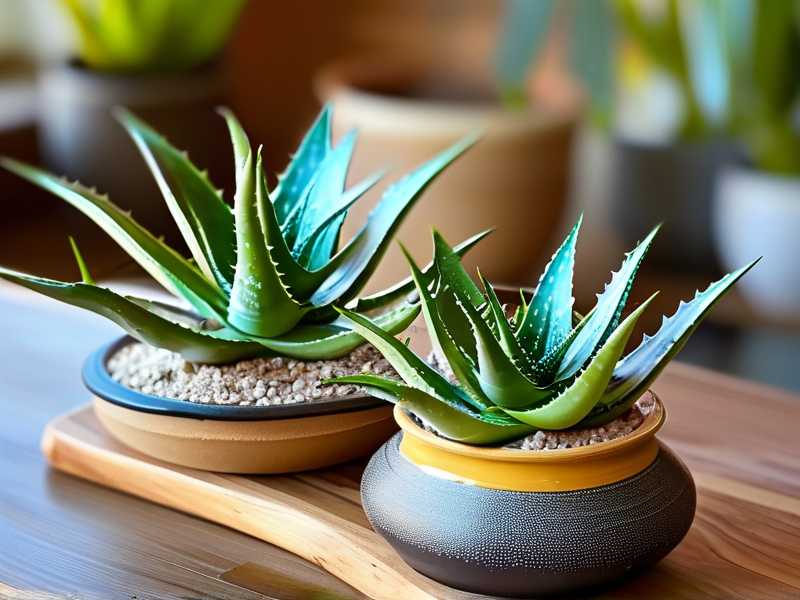
Now I use a terracotta pot with drainage holes. Terracotta is porous. It lets the soil breathe. Water evaporates faster. My aloe's roots stay healthy. Nutrients stay in the soil where they belong.
How I Fixed My Aloe in 2 Weeks: Step-by-Step
Week 1: The Rescue
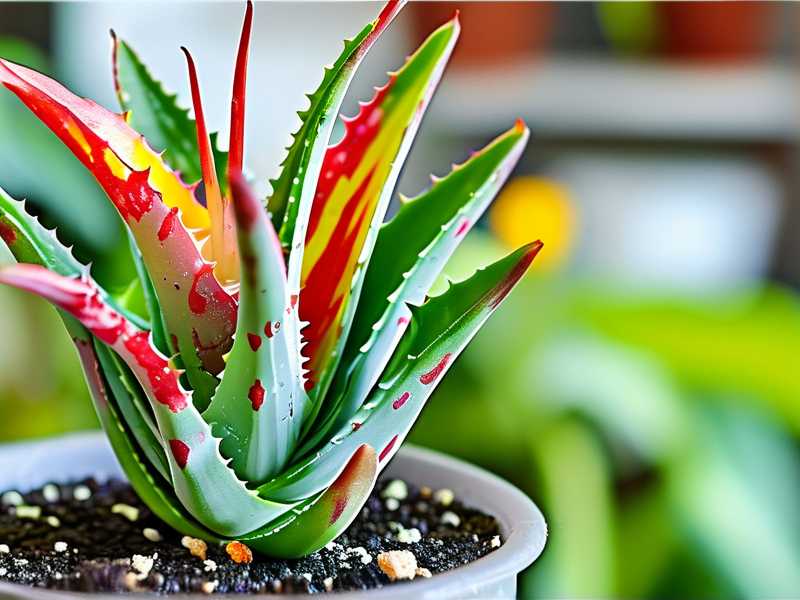
I noticed my aloe's leaves turning yellow. They felt soft and squishy. I knew something was wrong. I pulled it out of the pot. The roots were brown and mushy. Gross.
Step 1: Stop watering immediately. I set the plant aside. I let the soil dry out for 3 days. No water. Nothing.
Step 2: Remove the damaged roots. I trimmed off all the rotten parts. I used clean scissors. I left only the healthy white roots.
Step 3: Repot in fresh soil. I used a cactus and succulent mix. It drains fast. I added perlite for extra aeration. I put it in a terracotta pot with drainage holes.
Step 4: Wait. I didn't water for another 5 days. I let the roots heal. I placed it in bright indirect light.
Week 2: The Recovery
After 5 days, I checked the soil. Bone dry. I watered it thoroughly. But here's the trick: I only watered until it ran out the bottom. Then I let it drain completely.
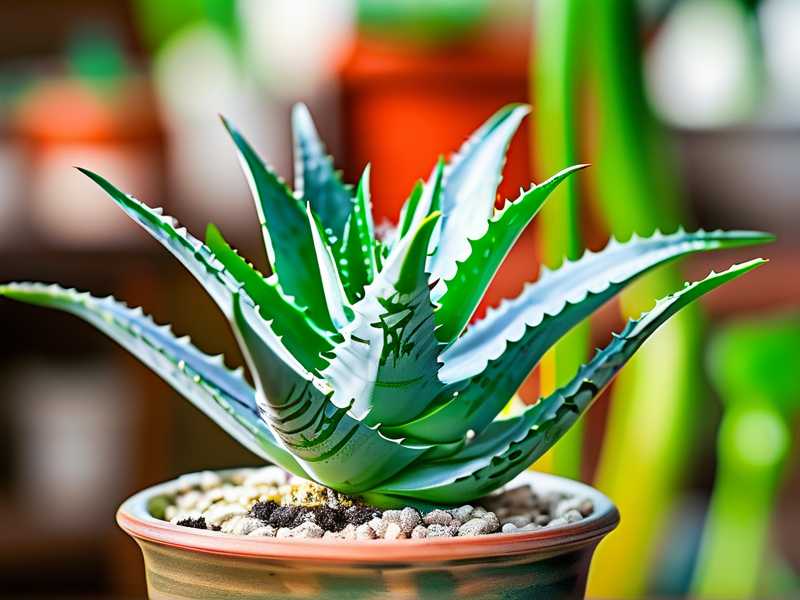
Within a week, I saw new growth. The leaves stood up straighter. They turned a deeper green. The yellow edges disappeared. My aloe was alive again.
Long-Term Care Routine
I now water my aloe every 2 to 3 weeks. Yes, you read that right. Every 2 to 3 weeks. In winter, even less. I check the soil first. I never water on a schedule. I water based on need.
I also use a balanced liquid fertilizer once a month in spring and summer. But I dilute it to half strength. Too much fertilizer can burn the roots. I learned that from my third aloe.
The Science Behind Nutrient Loss
When you water too often, the soil stays wet. This creates anaerobic conditions. The roots can't breathe. They start to rot. And the nutrients basically get flushed out.
The AHS says that overwatering is the most common cause of nutrient deficiency in succulents. The water pushes the nutrients out of the root zone. The plant can't access them. It's like throwing money down the drain.
I think of it this way: the soil is like a sponge. If you keep squeezing it, the water and nutrients run out. You need to let the sponge dry out before you add more water. That's how aloe likes it.
Common Signs of Nutrient Loss in Aloe
I've seen it all. Here's what to look for:
- Yellow leaves: Usually means too much water or not enough nitrogen.
- Soft, mushy leaves: Classic overwatering sign.
- Brown tips: Could be too much salt or fertilizer burn.
- Thin, curled leaves: The plant is dehydrated or lacking nutrients.
- Stunted growth: The roots aren't absorbing anything.
I once had an aloe with all these symptoms. It was sad. But once I fixed the watering, everything improved. The leaves went from pale to vibrant green in 2 weeks.
My Personal Aloe Watering Checklist
I keep this checklist by my plant station. It helps me avoid mistakes:
- Check soil moisture: Stick finger 2 inches deep. If dry, water. If not, wait.
- Use the right pot: Terracotta with drainage holes. No exceptions.
- Water deeply but rarely: Soak the soil until water runs out. Then let it dry completely.
- Drain excess water: Empty the saucer. Never let the pot sit in water.
- Provide bright indirect light: South or east window is best.
- Fertilize sparingly: Once a month in growing season. Half strength.
I've been doing this for 2 years now. My aloe is thriving. It's even produced pups. I couldn't be happier.
Why Overwatering Causes More Damage Than Underwatering
Here's something I wish someone told me: aloe can survive without water for weeks. It stores water in its leaves. But it can't survive without oxygen. When you overwater, the roots suffocate. The plant can't take up nutrients. It's a slow death.
I killed my first aloe with kindness. I watered it every 2 days. The leaves turned yellow and fell off. The roots rotted completely. I didn't even know what root rot looked like back then.
Now I let my aloe get thirsty. I wait until the leaves look slightly thinner. Then I water. It's a much better system.
The Role of Soil in Nutrient Retention
The soil you use matters a lot. I used regular potting soil for my second aloe. It held too much water. The roots stayed wet. The nutrients washed away. Total disaster.
Now I use a mix that drains fast. I buy cactus mix or make my own. My recipe: 2 parts potting soil, 1 part perlite, 1 part coarse sand. It drains like a dream. The water doesn't hang around. Nutrients stay in the soil longer.
I also add a bit of worm castings for slow-release nutrients. It's gentle on the roots. The aloe seems to love it.
How to Water Aloe Without Losing Nutrients
Here's my exact method:
- Wait until the soil is dry. I check with my finger. If it's dry 2 inches down, I water.
- Water slowly. I pour water at the base, not on the leaves. I let it soak in.
- Water until it drains. I stop when I see water coming out the bottom.
- Let it drain completely. I empty the saucer after 10 minutes. No standing water.
- Don't water again until dry. I wait at least 2 weeks. Sometimes longer.
This method keeps the nutrients in the soil. The roots get what they need. The plant stays healthy.
My 2-Week Observation Results
I took notes on my aloe's recovery. Here's what I saw:
Day 1: The leaves were yellow and soft. I repotted it. I didn't water.
Day 3: The leaves looked slightly firmer. The plant was adjusting.
Day 5: I watered it for the first time. The soil was bone dry. The leaves started to perk up.
Day 7: New green growth appeared. The yellow edges were fading.
Day 10: The leaves were plump and upright. The color was deep green.
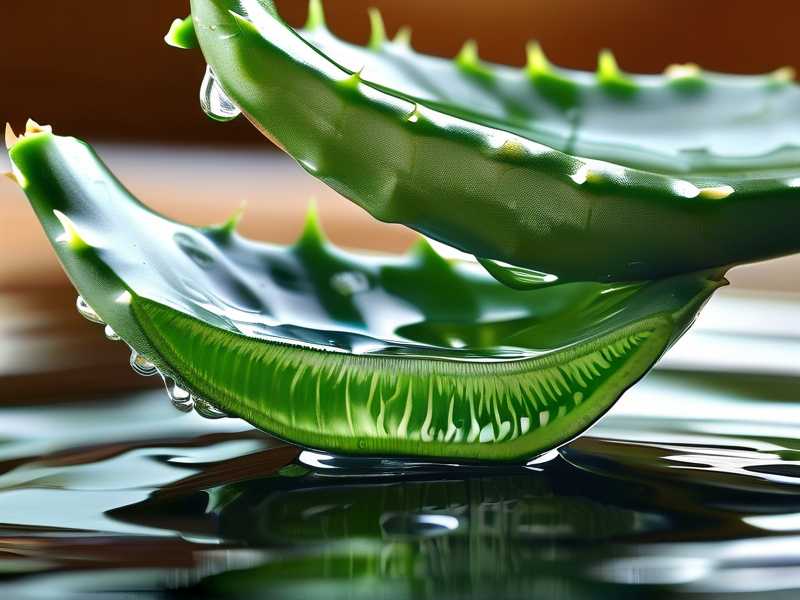
Day 14: My aloe looked completely healthy. It was like a new plant.
I couldn't believe it. Just 2 weeks of proper watering made such a huge difference.
Final Thoughts on Avoiding Nutrient Loss
Look, I get it. It's tempting to water your aloe often. You want to take care of it. But trust me on this: less is more. Aloe is a desert plant. It's built to survive drought. It's not built to sit in wet soil.
If you want to avoid nutrient loss from frequent aloe watering, just remember: dry soil is your friend. Wet soil is your enemy. Check the soil before you water. Use a pot with drainage. Give it bright light. And don't fertilize too much.
I've been there. I've killed three aloe plants. But I learned. And now my aloe is thriving. Yours can too.
Frequently Asked Questions
How often should I water my aloe plant?
I water mine every 2 to 3 weeks in summer. In winter, I water once a month or less. Always check the soil first. If it's dry 2 inches down, water. If not, wait.
Can I use tap water for my aloe?
I use filtered water or rainwater. Tap water can have chlorine and fluoride. These can build up in the soil and cause nutrient lockout. If you must use tap water, let it sit out for 24 hours first.
What if my aloe's leaves are turning brown at the tips?
Brown tips can mean too much salt or fertilizer. Flush the soil with water. Let it drain well. Then water less often. I had this problem once. I stopped fertilizing for a month. The tips stopped turning brown.