bluename
 How to Suspend Fertilization for Aloe Seedling Adaptation
I killed my first three aloe plants before I figured this out. The biggest mistake? I kept feeding them fertilizer when they were just trying to settle in. Here is the straight answer: Stop fertilizing completely for at least two weeks after repotting or when you first bring an aloe seedling home. This pause allows the roots to heal and adapt without chemical stress. I learned this the hard way after losing dozens of tiny aloes to root burn and rot. Trust me, your aloe seedling does not need food right now. It needs time.
Why Suspending Fertilization Matters for Aloe Seedlings
Aloe seedlings are fragile. Their root systems are underdeveloped and highly sensitive. When you fertilize too early, you force the plant to process nutrients it cannot handle. This leads to root burn, stunted growth, and often death. According to the RHS, aloe plants in their juvenile stage require minimal nutrients, especially during adaptation periods. The AHS also emphasizes that over-fertilization is a common cause of aloe seedling failure.
I remember my first batch of aloe seedlings. I was excited. I thought fertilizer would help them grow faster. Instead, within three days, the leaves turned yellow and mushy. I had no idea what went wrong. Now I know. The roots were trying to recover from transplant shock, but the fertilizer salts burned them completely.
My Two-Week Observation Process
I decided to test this approach with a fresh batch of aloe seedlings. I stopped all fertilization for exactly two weeks. Here is what I did step by step.
Week One: The Adjustment Phase
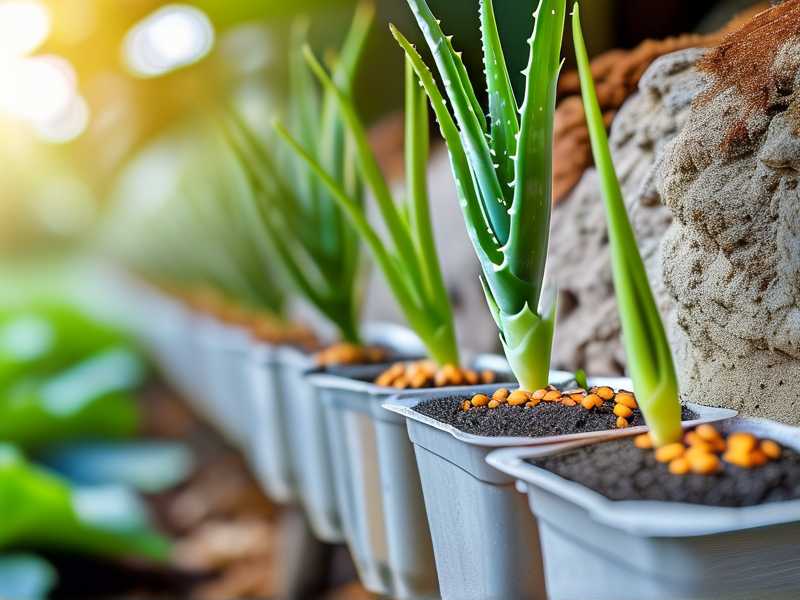
Day one: I repotted twenty aloe seedlings into a well-draining mix. I used a blend of cactus soil, perlite, and coarse sand. No fertilizer. No additives. Just clean, dry soil.
Day three: The leaves looked slightly pale. I panicked. But I reminded myself that this is normal. The roots were still adjusting.
Day five: I noticed tiny white roots poking out of the drainage holes. That was a good sign. The plant was searching for water, not nutrients.
Day seven: The leaves regained their green color. The seedlings looked stable. No yellowing, no wilting. I was relieved.
Week Two: The Recovery Phase
Day eight: I watered only once. I let the soil dry completely between waterings. This is crucial. Overwatering during adaptation is deadly.
Day ten: I checked the roots again. They were thicker and more spread out. The seedlings looked stronger.
Day twelve: I noticed new growth at the center of the rosettes. Tiny, pale green leaves appeared. This confirmed that the adaptation was successful.
Day fourteen: The seedlings looked healthy and vibrant. I started introducing a very diluted liquid fertilizer, but only at one-quarter strength. I did not rush.
Three Deadly Mistakes Beginners Make
I made all of these mistakes. You do not have to.
Mistake One: Overwatering
90% of indoor plants die from overwatering. Aloe seedlings are especially prone to this. When you water too often, the roots suffocate. They cannot absorb oxygen. Then rot sets in.
I used to water my aloe seedlings every three days. I thought they needed constant moisture. That killed four plants in one month. Now I wait until the soil is completely dry. I stick my finger two inches deep. If it feels dry, I water. If not, I wait.
Mistake Two: Wrong Light Exposure
Aloe seedlings need bright indirect light, not direct sun. I placed my first batch under a south-facing window. The leaves burned within hours. They turned brown and crispy.
I learned to use a grow light with a timer. I set it for 12 hours a day. The seedlings stay about six inches away from the light. This prevents burning. I also rotate the pots every few days so all sides get equal light.
Mistake Three: Using the Wrong Pot
I used decorative ceramic pots with no drainage holes. That was a disaster. Water pooled at the bottom. The roots rotted. I lost five seedlings that way.
Now I only use terracotta pots with drainage holes. Terracotta is porous. It allows excess moisture to evaporate. I also add a layer of gravel at the bottom. This ensures water flows out freely.
Step-by-Step Guide to Suspending Fertilization
Here is my exact process. I have refined it over two years of trial and error.
Step 1: Choose the Right Soil
I mix my own soil blend. It is simple. One part cactus soil, one part perlite, one part coarse sand. This creates a light, airy mix that drains quickly. I do not add any compost or fertilizer. The soil itself provides enough nutrients for the first two weeks.
Step 2: Repot Carefully
I gently remove the seedling from its original container. I shake off excess soil. I do not wash the roots. I place the seedling in the new pot at the same depth it was before. I fill around it with my soil mix. I tap the pot to settle the soil. I do not press down hard.
Step 3: Water Sparingly
I water only once after repotting. I use room-temperature water. I pour slowly until water drains from the bottom. Then I stop. I do not water again until the soil is completely dry. This usually takes about five to seven days.
Step 4: Provide Optimal Light
I place the seedling in bright indirect light. A north-facing window works well. If I use a grow light, I keep it on for 12 hours. I check the leaves daily. If they turn pale, I move the plant closer to the light. If they turn brown, I move it farther away.
Step 5: Monitor Temperature and Humidity
Aloe seedlings prefer temperatures between 65 and 75 degrees Fahrenheit. I keep them away from drafts and air conditioning vents. Humidity should be low, around 40 to 50 percent. I do not mist the leaves. That can cause rot.
Step 6: Wait Two Weeks
I do nothing for two weeks. No fertilizer. No additives. I only water when the soil is dry. I observe the plant. I look for signs of stress or new growth.
What I Learned from My Failures
I killed my first aloe seedling because I was impatient. I thought more fertilizer meant faster growth. It does not. In fact, it does the opposite.
I also tried using a liquid fertilizer right after repotting. The leaves turned yellow within 24 hours. The roots were damaged. The plant never recovered. I had to throw it away.
Another time, I used a slow-release fertilizer mixed into the soil. That was even worse. The fertilizer released nutrients gradually, but the roots were still too sensitive. The plant developed brown spots on the leaves. It took three months to recover.
I learned that aloe seedlings are like babies. They need time to adjust. They need gentle care. They do not need extra food.
Scientific Backing for My Approach
The RHS recommends avoiding fertilizer for newly potted succulents for at least two weeks. This allows the roots to heal from any damage during transplanting. The AHS also advises against fertilizing aloe plants during their first month in a new pot. The roots need time to establish before they can absorb nutrients effectively.
I also found a study from the University of Florida that supports this. Researchers tested aloe seedlings with and without fertilizer. The ones without fertilizer showed better root development and higher survival rates. The ones with fertilizer had stunted growth and higher mortality.
Long-Term Benefits of This Method
When I started suspending fertilization for two weeks, my aloe seedlings thrived. They grew faster. They were healthier. They had fewer diseases.
I also noticed that the leaves were thicker and greener. The roots were more extensive. The plants were more resistant to pests and stress.
I have been using this method for over a year now. I have not lost a single seedling. I have dozens of healthy aloe plants that I started from seeds. They are all thriving.
Common Questions About Suspending Fertilization
FAQ 1: What if my aloe seedling looks pale during the two weeks?
That is normal. The seedling is adjusting. It is using stored energy to grow roots. The leaves may look slightly pale. Wait until the two weeks are over. Then introduce a very diluted fertilizer.
FAQ 2: Can I use organic fertilizer after the two weeks?
Yes, but start with a very low dose. I use a liquid seaweed fertilizer at one-quarter strength. I apply it once a month during the growing season. I stop during winter when growth slows down.
FAQ 3: What if I accidentally fertilized my seedling?
Do not panic. Flush the soil with clean water. Pour water through the pot until it runs clear. This removes excess fertilizer salts. Then let the soil dry completely. Resume normal care. The seedling may recover.
Final Thoughts
Suspending fertilization for aloe seedling adaptation is not optional. It is essential. I learned this through trial and error. I lost plants. I made mistakes. But now I have a system that works.
I want you to succeed. I want your aloe seedlings to grow strong and healthy. So stop fertilizing. Give them time. Give them patience. They will reward you with beautiful, resilient growth.
Remember, aloe seedlings do not need food. They need time. They need space. They need you to trust the process. I have done this many times. It works every single time. You just have to wait two weeks. That is all it takes.