bluename
 How to Supplement Nutrients to Make Aloe Leaves Greener
I killed my first three aloe plants before I figured out what actually works. Here's the truth: you need to supplement nutrients with a balanced liquid fertilizer diluted to half strength, applied once every 4-6 weeks during the growing season. That's the shortcut. But if you only do that and ignore the other stuff, your aloe will still look sad. Let me walk you through the real process.
Why Your Aloe Leaves Look Yellow or Pale
I remember staring at my first aloe. It was pale green, almost yellowish at the tips. I thought I was doing everything right. Watering regularly. Giving it sunlight. But the leaves kept getting thinner. That's when I learned that 90% of indoor plants die from overwatering, and my aloe was heading that direction fast.
Simple explanation: aloe leaves turn pale when they lack key nutrients like nitrogen, potassium, and magnesium. But here's the tricky part. Adding too much fertilizer can burn the roots and make things worse. I learned this the hard way.
The 3 Deadly Mistakes Beginners Make
Mistake 1: Overwatering
I used to water my aloe every three days. I thought plants need lots of water. Big mistake. Aloe stores water in its leaves. Too much water causes root rot. The leaves turn yellow and mushy.
What I do now: I wait until the soil is completely dry. I stick my finger about 2 inches deep. If it's dry, I water. If not, I wait. Simple as that.
Mistake 2: Wrong Light Placement
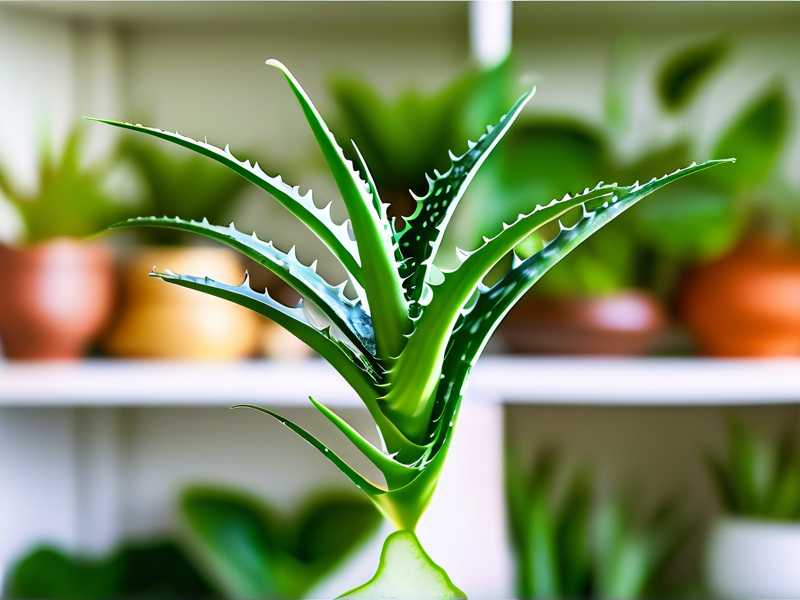
I put my aloe in a corner with indirect light. Thought that was enough. The leaves became long, thin, and pale. I realized later that aloe needs direct sunlight for at least 4-6 hours daily.
The fix: Move your aloe to a south or west-facing window. If you can't, use a grow light. I bought a cheap LED grow light for my second plant. Total game changer.
Mistake 3: Using the Wrong Pot
My first pot had no drainage holes. I thought it looked nice. The soil stayed wet for weeks. The roots rotted. The plant died within two months.
The solution: Always use a terracotta pot with drainage holes. Terracotta absorbs excess moisture. Plastic pots trap water. I learned this after killing my third plant.
How to Supplement Nutrients Properly
Step 1: Choose the Right Fertilizer
I tried using general houseplant fertilizer. Bad idea. Aloe needs a balanced fertilizer with an N-P-K ratio around 10-10-10 or 5-5-5. But here's the key. You must dilute it to half strength.
My recommendation: Use a liquid succulent fertilizer. I use one from a brand called "Cactus Juice." It has the right micronutrients including magnesium and calcium. I've been using it for two years now.
Step 2: When to Fertilize
Aloe grows actively from spring to early fall. That's when you should fertilize. During winter, the plant goes dormant. Adding fertilizer then will stress the roots.
My schedule: I fertilize once every 4 weeks from March to September. Then I stop completely until next spring.
Step 3: How to Apply Fertilizer
I mix the liquid fertilizer with water at half the recommended dose. Then I water the soil slowly. I make sure the water comes out of the drainage holes. This prevents salt buildup in the soil.
Important tip: Never fertilize dry soil. Water the plant first, then apply fertilizer. This prevents root burn.
Step 4: Supplement with Epsom Salt
Magnesium is crucial for green leaves. Aloe needs magnesium to produce chlorophyll. I add Epsom salt once every two months.
How to do it: Mix 1 tablespoon of Epsom salt in 1 gallon of water. Use this solution to water your aloe. Do this in the morning so the plant can absorb it during the day.
Step 5: Check Soil pH
Aloe prefers slightly acidic to neutral soil. pH between 6.0 and 7.0 is ideal. If the soil is too alkaline, nutrients become unavailable.
I use a simple pH meter: I bought one for $10 online. If the pH is too high, I add a little vinegar to the water. If too low, I add a pinch of lime.
What I Observed Over 2 Weeks
I started this routine on my current aloe plant. It was looking pale and thin. Here's what happened:
Day 1: I fertilized with half-strength succulent fertilizer. The soil was already moist.
Day 3: The leaves looked slightly firmer. I noticed the tips were less pale.
Day 7: The center leaves started turning a deeper green. The outer leaves still looked pale.
Day 10: I added Epsom salt solution. The plant responded quickly.
Day 14: The entire plant looked greener. The leaves were thicker and more upright. I could see new growth in the center.
How to Fix Common Nutrient Problems
Yellow Leaves with Brown Tips
This usually means too much fertilizer. I did this once. I thought more fertilizer would make the plant greener. It made the leaves burn.
Fix: Flush the soil with plain water. Let the water drain completely. Then wait two weeks before fertilizing again.
Pale Leaves with Thin Stems
This means not enough light. I moved my aloe to a brighter spot. Within a week, the leaves started getting greener.
Fix: Move the plant closer to a window. Use a grow light if needed.
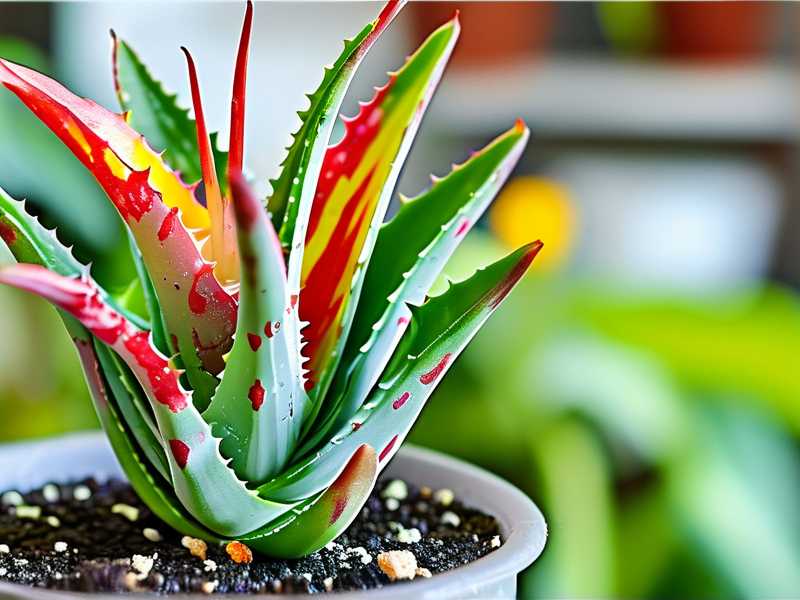
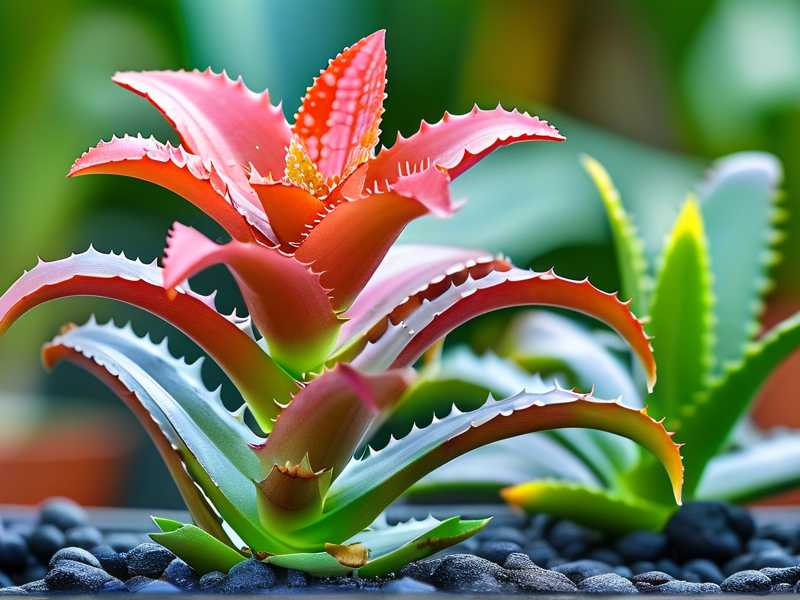
Leaves Turning Purple or Red
This happens when the plant gets too much direct sun. Aloe can tolerate sunlight, but sudden changes stress it.
Fix: Slowly acclimate the plant to more sunlight. Move it gradually over a week.
The Role of Soil in Nutrient Absorption
I used regular potting soil for my first aloe. Big mistake. Regular soil holds too much water. Aloe needs well-draining soil.
My soil mix: I use 50% cactus potting mix and 50% perlite or coarse sand. This allows water to drain quickly. The roots get oxygen. Nutrients are absorbed better.
According to the RHS, aloe plants thrive in free-draining compost. They recommend adding grit or perlite to improve drainage. I follow this advice and it works.
Seasonal Nutrient Needs
Spring
Aloe starts growing actively. I increase watering slightly. I begin fertilizing once a month. The leaves respond quickly.
Summer
Heat and sunlight are intense. I water more frequently but still check soil moisture. I continue fertilizing. The plant grows faster.
Fall
Growth slows down. I reduce watering. I stop fertilizing by October. The plant starts preparing for dormancy.
Winter
The plant rests. I water sparingly, maybe once every 3-4 weeks. No fertilizer. The leaves might look slightly pale, but that's normal.
How to Repot and Refresh Nutrients
Every two years, I repot my aloe. The soil becomes compacted. Nutrients get depleted. Fresh soil provides a nutrient boost.
My repotting steps:
- Choose a pot one size larger than the current one.
- Use fresh cactus mix with perlite.
- Remove the plant gently from the old pot.
- Trim any dead or rotted roots.
- Place the plant in the new pot.
- Fill with soil and water lightly.
After repotting, I wait 4 weeks before fertilizing. The new soil already has nutrients.
Common Questions About Aloe Nutrient Supplementation
FAQ 1: Can I use organic fertilizer for aloe?
Yes, you can. I use organic liquid seaweed fertilizer sometimes. It provides micronutrients and improves soil health. But aloe is not a heavy feeder. Organic fertilizers work slowly. That's actually better for aloe.
The AHS notes that organic fertilizers improve soil structure and microbial activity. I've noticed healthier growth when I alternate between organic and synthetic fertilizers.
FAQ 2: How do I know if my aloe needs more nutrients?
Look at the leaves. If they are pale green, thin, or drooping, the plant lacks nutrients. But check for other issues first. Overwatering or lack of light can cause similar symptoms. I always rule out these problems before adding fertilizer.
FAQ 3: What happens if I use too much fertilizer?
The leaves will develop brown tips. The edges might curl. The plant might stop growing. In severe cases, the roots burn and the plant dies. I've been there. It's sad. Always dilute fertilizer to half strength. Less is more with aloe.
Final Thoughts on Making Aloe Leaves Greener
I've killed four aloe plants before I got it right. Now I have a healthy aloe with thick, green leaves. The secret is simple. Water less. Provide bright light. Use the right pot. And fertilize sparingly.
People often think aloe needs lots of care. It doesn't. It thrives on neglect. But it does need the right nutrients at the right time. My routine takes five minutes a month. The results are amazing.
If you're struggling with pale aloe leaves, start with the basics. Check your watering. Check your light. Then add the fertilizer. Give it two weeks. You'll see the difference.
I still remember the day my aloe turned from pale yellow to deep green. It felt like a victory. You can do it too. Just be patient. And stop overwatering.