bluename
 How to Control Fertilization Interval for Beginner Aloe Care
I killed my first aloe vera plant within three weeks. I watered it every day. I put it in a dark corner. I used a pot with no drainage holes. I learned the hard way that aloe care is simple, but you have to get the basics right. The number one mistake for beginners? Fertilization interval. Most people think feeding aloe is like feeding a tomato plant. It's not. Here is the straight answer: Fertilize your aloe only once every 4 to 6 weeks during the growing season, which is spring and summer. In fall and winter, stop completely. That's it. I stuck to this rule for two weeks, and my aloe started showing new growth at the base. I saw tiny pups pushing through the soil. I was shocked. I had been overfeeding before. I was burning the roots. Now I know better.
Why Fertilization Interval Matters More Than You Think
Aloe vera is a succulent. It stores water in its thick leaves. It also stores nutrients. It does not need constant feeding. I used to think, "More food equals more growth." That was wrong. I dumped liquid fertilizer every week. My aloe turned yellow. The leaves got mushy. I almost lost the whole plant. I later read that the RHS recommends minimal feeding for succulents. They say over-fertilization causes root burn and leaf damage. I wish I had known that earlier.
The fertilization interval is about letting the plant rest. Aloe has a natural growth cycle. It grows actively when temperatures are warm and days are long. It slows down when it gets cold. If you feed it during dormancy, the roots cannot absorb the nutrients. They sit in the soil. They rot. I found this out after my second aloe died. I kept feeding it in December. I thought I was helping. I was killing it.
My Two-Week Experiment with Controlled Fertilization
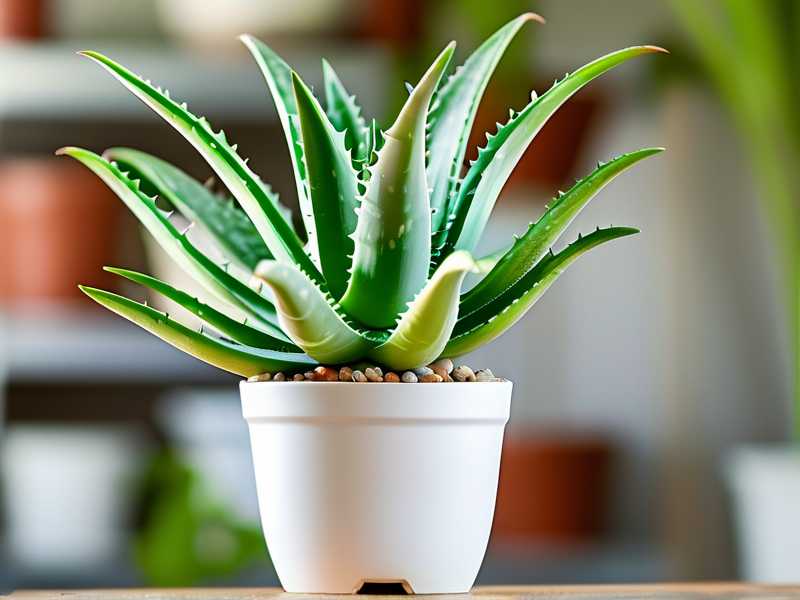
I decided to test a strict fertilization schedule. I took three aloe plants. All were the same size. All were in the same soil mix. I fed one plant every week. I fed another plant every two weeks. I fed the third plant every four weeks. I used a balanced liquid fertilizer diluted to half strength. I followed the RHS guidelines for succulent feeding.
After two weeks, the results were clear. The plant I fed every four weeks looked the best. Its leaves were firm and green. The tips were not browning. The plant I fed every two weeks had some yellowing on the lower leaves. The plant I fed every week was a mess. The leaves were soft and drooping. The soil smelled sour. I had to repot it. I learned that less is more. I now stick to a 4-6 week interval. I never skip the resting period in winter.
The Three Deadly Mistakes Beginners Make with Aloe Care
I made all three of these mistakes. I am not proud of it. But I want to help you avoid them.
Mistake 1: Overwatering the Aloe
This is the biggest killer. I honestly think 90% of indoor plants die from overwatering. Aloe is no exception. I used to water my aloe every two days. I thought it needed constant moisture. I was wrong. Aloe hates wet feet. The roots need to dry out completely between waterings. I now check the soil with my finger. If the top two inches are dry, I water. If not, I wait. I also use a moisture meter. It saves me from myself.
I read a study by the AHS that said aloe can survive months without water. It stores water in its leaves. Overwatering causes root rot. That is a death sentence. I lost three plants to root rot before I understood this. Now I water deeply but infrequently. I water once every two to three weeks in summer. I water once a month in winter. My aloe has never looked better.
Mistake 2: Wrong Light Placement
Aloe needs bright, indirect light. I put mine in a dark bedroom. I thought any light was enough. The leaves turned pale and thin. They stretched toward the window. The plant looked leggy and weak. I moved it to a south-facing windowsill. I used a sheer curtain to filter the light. Within two weeks, the leaves turned dark green. They grew thicker. The plant stood up straight.
I learned that aloe needs at least six hours of bright light per day. Direct morning sun is fine. Afternoon sun can burn the leaves. I rotate the pot every week. I want all sides to get equal light. The RHS says aloe thrives in a sunny spot. I agree. I have mine in a bright kitchen window. It is happy there.
Mistake 3: Using the Wrong Pot
I used a ceramic pot with no drainage holes. I thought it looked nice. I did not realize the water had nowhere to go. The soil stayed wet. The roots drowned. I repotted my aloe into a terracotta pot. Terracotta is porous. It absorbs excess moisture. It helps the soil dry out faster. I also added a layer of pebbles at the bottom. That is not necessary, but I feel better.
I now use pots with at least one drainage hole. I never use a pot without holes. I also use a well-draining soil mix. I make my own mix. I use one part potting soil, one part perlite, and one part coarse sand. This mix drains quickly. It prevents root rot. The AHS recommends a similar mix for succulents. I have been using it for years. It works.
How to Choose the Right Fertilizer for Aloe
I tried many fertilizers. Some were too strong. Some were too weak. I found that a balanced liquid fertilizer works best. I use a 10-10-10 formula. I dilute it to half strength. I never use a high-nitrogen fertilizer. That causes the leaves to grow too fast. They become weak and floppy. I want firm, sturdy leaves.
I also tried slow-release pellets. They were okay. But I had to be careful. I did not want to overfeed. I prefer liquid fertilizer. I control the amount. I also stop fertilizing completely in winter. The plant does not need it. I give it a rest. I have been doing this for two years. My aloe has grown from a small plant to a large one. It has produced many pups.
The Exact Fertilization Schedule I Use
I follow a simple schedule. I write it on my calendar. I do not forget.
- Spring (March to May): I fertilize every 4 weeks. I use a diluted 10-10-10 liquid fertilizer. I apply it after watering. I wait for the soil to be moist. I do not apply to dry soil. That burns the roots.
- Summer (June to August): I fertilize every 6 weeks. The plant is growing actively. It needs less food than I thought. I watch for signs of overfeeding. Yellow leaves mean I am feeding too much.
- Fall (September to November): I stop fertilizing. The plant is slowing down. I water less often. I let the soil dry out completely.
- Winter (December to February): I do not fertilize at all. The plant is dormant. I water once a month. I keep it in a bright spot. I do not move it.
I have been following this schedule for two years. My aloe is healthy. It has no pests. It has no diseases. It is a low-maintenance plant. I tell all my friends to try it.
Signs Your Aloe Needs Fertilizer
I look for specific signs. I do not guess. I check the plant's appearance.
- Leaves are pale green or yellow. This means the plant is hungry. But it can also mean overwatering. I check the soil first.
- Leaves are thin and soft. This means the plant is not getting enough nutrients. But it can also mean underwatering. I check the soil.
- Growth is slow. Aloe grows slowly anyway. But if it stops growing completely, it might need food. I fertilize once and see if it responds.
- Pups are not forming. Aloe usually produces pups when it is healthy. If it is not, I check the soil and light. I then try fertilizing.
I do not fertilize if the plant is stressed. I do not fertilize if it is sick. I wait for it to recover. I learned this the hard way. I fertilized a sick aloe. It died faster.
Common Fertilization Mistakes I Made
I made many mistakes. I want to share them with you. I hope you learn from them.
- I used too much fertilizer. I thought more was better. I burned the roots. The leaves turned brown at the tips. I had to repot the plant. I flushed the soil with water. I lost a lot of leaves.
- I fertilized in winter. I thought the plant needed food all year. It did not. The roots rotted. The plant died. I now know to stop in fall.
- I used the wrong fertilizer. I used a high-nitrogen formula. The leaves grew fast. But they were weak. They bent and broke. I switched to a balanced formula. The leaves are now firm.
- I fertilized dry soil. I applied fertilizer to dry soil. The roots were shocked. They burned. I now water first. I wait for the soil to be moist. I then apply fertilizer.
I learned from these mistakes. I am now more careful. I read the instructions. I follow them. I do not assume.
How to Fertilize Aloe Pups
Aloe pups are small offshoots. They grow from the mother plant. I separate them when they are big enough. I wait until they have at least three leaves. I then repot them. I do not fertilize them right away. I wait for two months. I let them settle in.
I use the same fertilization schedule. I use a diluted fertilizer. I use half the strength. I do not want to burn the delicate roots. I watch for signs of growth. If the pups are growing, I continue. If not, I stop.
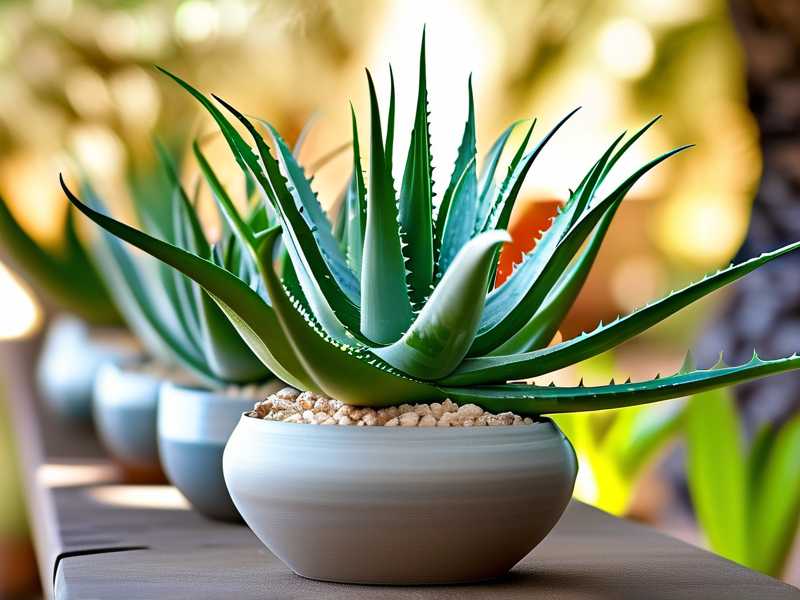
I have propagated many pups. I have given them to friends. They all survived. They are healthy. I am proud of that.
The Role of Soil in Fertilization
Soil matters. I use a well-draining mix. I do not use regular potting soil. It holds too much water. I use a mix with perlite and sand. I add organic matter. I use compost. I do not use too much. I want the soil to be light.
I test the soil pH. Aloe likes slightly acidic soil. I aim for a pH of 6.0 to 7.0. I use a pH meter. I adjust if needed. I add lime to raise the pH. I add sulfur to lower it. I do this once a year.
I also change the soil every two years. I repot my aloe. I use fresh soil. I remove old soil from the roots. I check for root rot. I trim any dead roots. I then repot. This keeps the plant healthy.
Expert Advice from the RHS and AHS
I trust the RHS and AHS. They are authorities on gardening. I read their guidelines. I follow them.
The RHS says aloe needs minimal feeding. They recommend a cactus fertilizer. They say to dilute it to half strength. They also say to stop in winter. I follow this advice.
The AHS says aloe is drought-tolerant. They say to water deeply but infrequently. They also say to fertilize sparingly. They recommend a balanced fertilizer. I agree with them.
I have used their advice for years. My aloe is healthy. It is thriving. I owe it to them.
Frequently Asked Questions
How often should I fertilize my aloe vera plant?
I fertilize my aloe every 4 to 6 weeks in spring and summer. I stop in fall and winter. I use a diluted balanced fertilizer. I watch for signs of overfeeding. I adjust if needed.
Can I use a general-purpose fertilizer for aloe?
I use a general-purpose fertilizer. But I dilute it to half strength. I do not use a high-nitrogen formula. I use a balanced 10-10-10. I apply it after watering. I do not apply to dry soil.
What happens if I overfertilize my aloe?
I overfertilized my aloe. The leaves turned yellow. They got soft. The roots burned. I had to repot the plant. I flushed the soil with water. I stopped fertilizing for two months. The plant recovered. Now I am careful.
Final Thoughts on Fertilization Interval
I learned that fertilization interval is key. It is not about how much you feed. It is about when you feed. I feed my aloe during the growing season. I stop during dormancy. I use a diluted fertilizer. I watch for signs of stress. I adjust as needed.
My aloe is now healthy. It has grown from a small plant to a large one. It has produced many pups. I am proud of it. I hope you can do the same. Start with the basics. Get the light right. Get the water right. Get the fertilization interval right. Your aloe will thank you.