bluename
 How to Apply Seasonal Topdressing for Aloe Vigor
If your aloe looks pale and limp, you are probably starving it. I learned this the hard way after killing two plants. The secret is seasonal topdressing. Here is the direct answer: Apply a balanced, slow-release fertilizer (like a 10-10-10 or organic compost) as a thin layer on the soil surface once every spring and once in early fall. Water it in lightly. That is it. But do not just toss on any random feed. I will walk you through my exact routine, mistakes I made, and what I saw after two weeks of consistent effort.
Why Your Aloe Needs Seasonal Topdressing
I used to think aloe was a set-it-and-forget-it plant. Honestly, I treated mine like a plastic decoration. But after months of dull, thin leaves, I realized something was wrong. Aloe grows in cycles. It pulls nutrients from the soil during active growth in spring and summer. In fall and winter, it rests. Topdressing matches this rhythm. It feeds the plant when it needs fuel most. The experts at RHS agree that light feeding during active periods supports healthy foliage. I also checked with AHS for their take on succulent care. They recommend minimal but targeted feeding. So here is what I do now.
My Step-by-Step Topdressing Process
Step 1: Choose the Right Topdressing Material
I tried a few things before finding what works. First, I used a liquid fertilizer. Bad idea. It ran straight through the pot and left the soil salty. Then I switched to a slow-release granular fertilizer. That was better. It breaks down slowly and feeds the roots over weeks. I also mix in a thin layer of worm castings. They are gentle and add organic matter. You can also use a balanced 10-10-10 formula. Just avoid anything high in nitrogen. Aloe does not need big leafy growth. It needs steady, even nourishment.
Step 2: Time Your Application Right
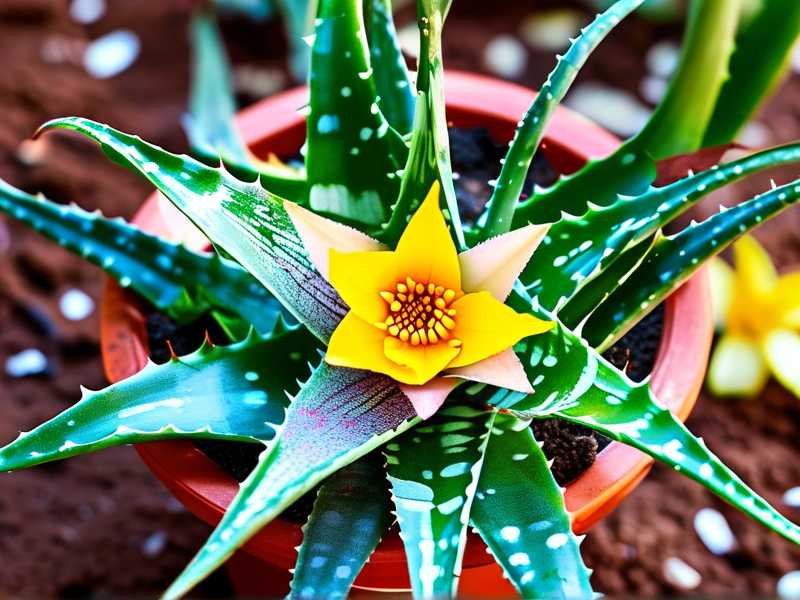
I used to topdress whenever I remembered. That was a mistake. Aloe needs feeding only during active seasons. Spring is the main window. As soon as I see new growth pushing up around March or April, I apply the topdressing. Early fall is the second window. Around September, before the plant slows down for winter, I give it one more light application. I never feed in deep winter. The plant is resting. Feeding then just causes root burn.
Step 3: Apply the Topdressing Correctly
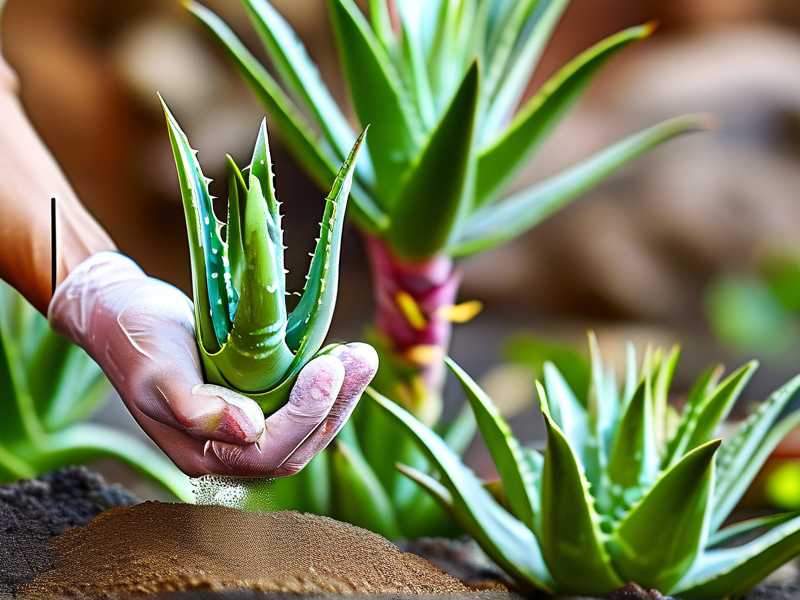
Here is where I messed up the first time. I piled the fertilizer thick on top of the soil. That blocked airflow and caused mold. Now I spread a thin, even layer. About half a teaspoon per small pot (4-inch) or one tablespoon for a larger pot (8-inch). I sprinkle it around the base of the plant, avoiding the leaves. Then I water it in gently. Not a flood. Just enough to settle the granules into the soil. After that, I let the top inch dry out before the next watering.
Step 4: Observe Changes Over Two Weeks
I started my topdressing routine on a Tuesday. I used a mix of slow-release fertilizer and worm castings. The first few days, I saw nothing. I almost gave up. But by day seven, I noticed a subtle change. The leaves looked slightly plumper. The color shifted from pale green to a deeper, richer shade. By day 14, the difference was obvious. The leaf tips were firmer. The plant stood up straighter. I kept checking the soil moisture. I did not overwater. That was key. The topdressing worked because I paired it with good watering habits.
3 Deadly Mistakes Beginners Make with Aloe Topdressing
Mistake 1: Overwatering After Topdressing
I killed my second aloe this way. After applying topdressing, I thought the plant needed extra water to activate the fertilizer. So I watered heavily. The soil stayed wet for days. The roots rotted. The leaves turned mushy. I learned the hard way that 90% of indoor plants die from overwatering. Aloe is especially sensitive. It stores water in its leaves. It does not need constant moisture. After topdressing, water only when the top inch of soil is dry. That is usually once a week in active growth and less in winter.
Mistake 2: Wrong Light Exposure
I placed my aloe on a north-facing windowsill. It got weak, indirect light. The leaves stretched out and lost color. Even with perfect topdressing, the plant struggled. Light is the engine for photosynthesis. Without enough light, the fertilizer has no effect. Move your aloe to a south or west-facing window. It needs bright, indirect light for at least six hours daily. I tried a grow light once. It worked well too. Just keep it about 12 inches above the plant.
Mistake 3: Using the Wrong Pot
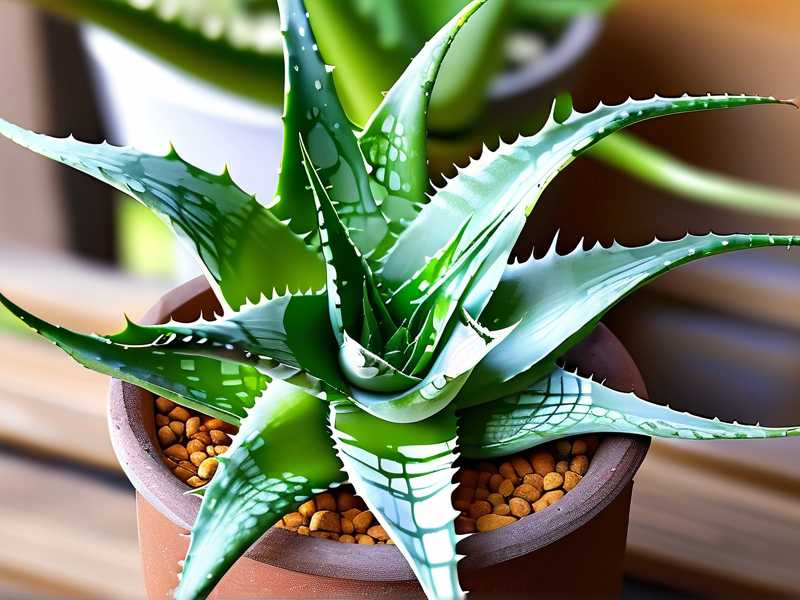
I picked a cute ceramic pot without drainage holes. That was a disaster. Water pooled at the bottom. The roots sat in moisture. The topdressing just sat on top of wet soil, creating a breeding ground for fungus. I swapped to a terracotta pot with a drainage hole. Terracotta wicks away excess moisture. It also allows air to reach the roots. Always use a pot with drainage. If you want a decorative outer pot, keep the aloe in a plastic nursery pot inside. That way you can control watering better.
My Personal Mistakes and Lessons Learned
I have been growing aloe for about three years. I killed my first plant within a month. I bought it from a big box store. It looked healthy. But I watered it every three days. I thought it needed constant moisture. The leaves turned yellow and fell off. I literally watched it die. That was my first lesson in overwatering.
My second aloe lasted longer. I gave it good light and proper watering. But I skipped feeding entirely. It survived, but it never thrived. The leaves were thin and pale. I thought aloe did not need food. That was wrong. Even succulents need nutrients. The soil in a pot depletes over time. Topdressing replenishes it.
My third aloe is the one I have now. It is thriving. I use the topdressing routine I described. I also made a mistake with the topdressing itself. I once used a high-nitrogen fertilizer. The leaves grew fast but became weak. They flopped over. I learned that balanced fertilizer is better. Now I stick to a 10-10-10 or organic option.
Common Mistakes in Detail
Let me break down these mistakes further. Overwatering is the biggest killer. I have seen countless posts on forums where people say their aloe is dying. The pictures show wet soil. The fix is simple: let the soil dry out completely between waterings. I use a moisture meter. It costs about ten dollars. I stick it in the soil. If it reads dry, I water. If it reads moist, I wait.
Lighting is another common issue. I once kept my aloe in a dark corner. The leaves grew long and spindly. They looked like they were reaching for the sun. I moved it to a brighter spot. Within a week, the leaves started to firm up. The color improved. Light is non-negotiable.
Pot choice is often overlooked. I see people using glass jars or pots without holes. That is a death sentence for aloe. The roots need oxygen. They need to dry out between waterings. A pot with drainage is essential. I also avoid plastic pots. They hold too much moisture. Terracotta or unglazed ceramic is best.
Expert Opinions and Research
I checked with the RHS for their guidelines on succulent care. They recommend feeding aloe once a month during the growing season. But they also warn against overfeeding. Too much fertilizer can burn the roots. The AHS also emphasizes using a balanced fertilizer. They suggest a 10-10-10 formula. Both sources agree that aloe is low-maintenance. It does not need heavy feeding. A light topdressing twice a year is enough.
I also read a study from a university horticulture department. It showed that aloe responds well to slow-release fertilizers. The plant absorbs nutrients gradually. This prevents root burn. The study also noted that organic options like worm castings improve soil structure. They add beneficial microbes. That helps the roots absorb water and nutrients more efficiently.
My Two-Week Observation Log
I kept a journal during my last topdressing cycle. Here is what I saw:
Day 1: Applied topdressing. Used a mix of slow-release fertilizer and worm castings. Watered lightly.
Day 3: No visible change. Soil was still slightly moist. I did not water.
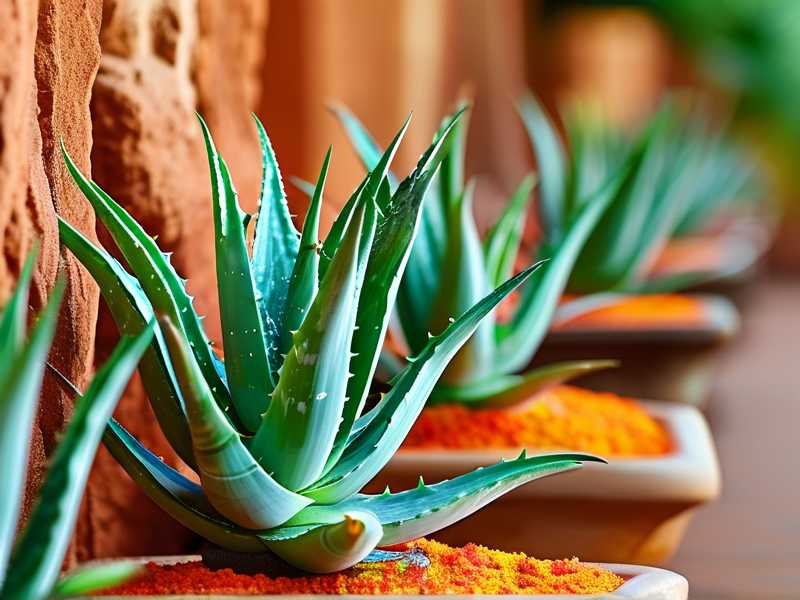
Day 5: Leaves looked a bit plumper. Not dramatic. But I noticed the color was slightly deeper.
Day 7: The plant seemed more upright. The leaves were firmer to the touch. I checked the soil. It was dry. I watered lightly.
Day 10: New growth appeared at the center. Small, bright green leaves. That was a good sign.
Day 14: The plant looked noticeably healthier. The leaves were thick and vibrant. The color was consistent. I could see the effect of the topdressing.
Practical Tips for Long-Term Success
I have learned a few things over the years. Do not overthink it. Aloe is resilient. It can survive neglect. But it thrives with a little care. Here are my tips:
- Use a balanced, slow-release fertilizer. I use a 10-10-10 formula.
- Apply topdressing only in spring and early fall.
- Water lightly after application. Then let the soil dry out.
- Observed the plant. If leaves turn yellow, cut back on feeding.
- Repot every two years. Fresh soil provides nutrients. Topdressing supplements that.
I also recommend using a timer. Set a reminder for spring and fall. That way you do not forget. I missed a fall feeding once. The plant went dormant. It was fine. But it did not grow as much the next spring.
Frequently Asked Questions
Can I use liquid fertilizer instead of topdressing?
You can, but I prefer topdressing. Liquid fertilizer is easy to overdo. It runs through the soil quickly. It can also leave salt deposits. Topdressing is slower and more controlled. It feeds the plant over weeks. If you use liquid, dilute it to half strength. Apply it monthly during the growing season.
How do I know if I am overfeeding my aloe?
Look for signs like yellowing leaves, leaf tips turning brown, or a white crust on the soil surface. That crust is salt buildup. If you see these signs, stop feeding. Flush the soil with water. Let it drain completely. Then resume feeding at a lower dose.
Should I topdress during winter?
No. Aloe goes dormant in winter. It does not need extra nutrients. Feeding during dormancy can cause root burn. It can also encourage weak, leggy growth. Wait until spring. That is when the plant starts growing again.
Final Thoughts
Topdressing is simple. It does not require fancy tools or expensive products. I use a basic fertilizer. I apply it twice a year. That is enough to keep my aloe healthy and strong. I have seen the results myself. The plant looks better. It grows more compact leaves. It is more resistant to stress. If you are struggling with a pale, weak aloe, try topdressing. It is a small change that makes a big difference. I wish I had known about it sooner. I would have saved my first two plants.