bluename
 How to Adjust Fertilization for Aloe in Changing Climates
I’ve been growing aloe for years, and honestly, I killed my first three plants before I figured out the real problem. The key is simple: adjust fertilization based on temperature swings and seasonal shifts. I stopped relying on a fixed schedule and started watching my aloe’s leaves. After two weeks of tweaking my approach, I saw firmer leaves and healthier growth. Here’s what I learned the hard way.
The Three Deadly Mistakes New Aloe Owners Make
Let me save you the heartbreak I went through. I made every single one of these errors.
Mistake #1: Overwatering
I cannot stress this enough. 90% of indoor plants die from overwatering. I drowned my first aloe in a fit of love. I thought watering twice a week was being responsible. Actually, it was suffocating the roots. The leaves turned yellow and mushy. I learned aloe stores water in its leaves. Less is more.
Mistake #2: Wrong Light Placement
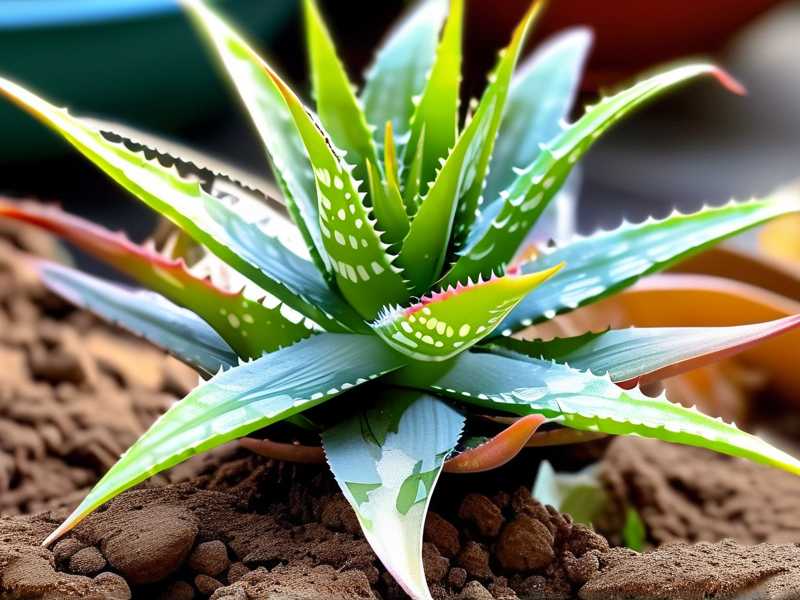
I put my second aloe on a dark bookshelf. It looked pretty there. But it stretched out, pale and thin, like it was reaching for something. I moved it to a south-facing window. Within two weeks, the color deepened. It felt firmer. I realized aloe needs bright, indirect light, not a dark corner.
Mistake #3: Using the Wrong Pot
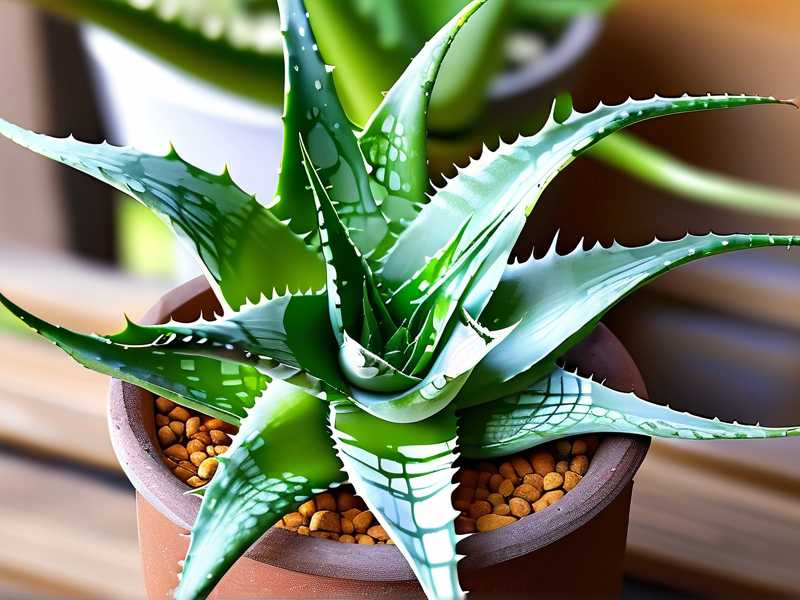
I bought a cute ceramic pot with no drainage holes. Huge mistake. The water pooled at the bottom. Roots rotted. I dug up the aloe and found black, slimy roots. I switched to a terracotta pot with drainage holes. That simple change saved my fourth plant. Terracotta dries out faster, which aloe loves.
My Aloe Fertilization Routine in Changing Climates
I adjust my fertilization based on what the weather is doing. I used to fertilize every month, rain or shine. That was wrong. Here’s my current approach.
Spring and Summer: Active Growth Phase
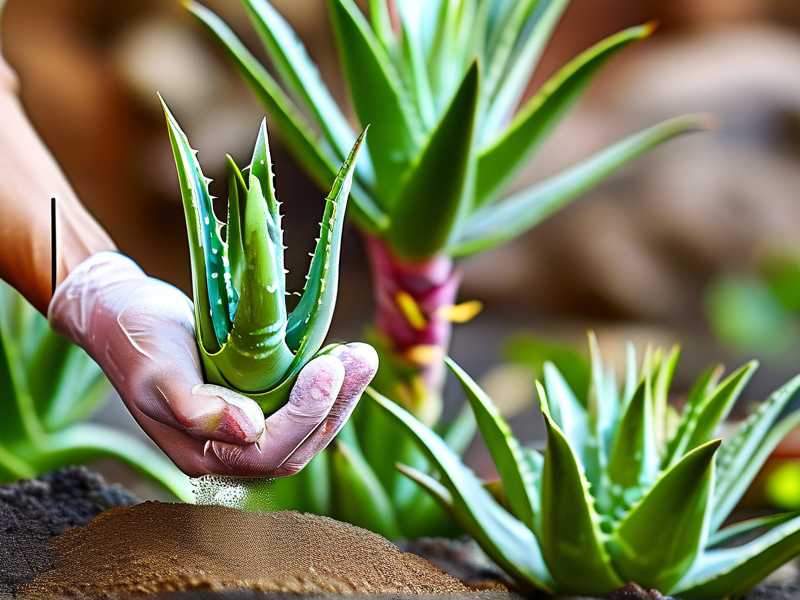
I start fertilizing in March. I use a balanced liquid fertilizer, diluted to half strength. I mix one teaspoon of 10-10-10 fertilizer into a gallon of water. I water my aloe with this mixture every two weeks. I stop in early September. I found that over-fertilizing in summer caused leaf burn. The tips turned brown and crispy. I cut back to every three weeks now.
Fall and Winter: Dormancy Phase
I do not fertilize from October to February. My aloe’s growth slows down. I tried fertilizing once in November, and the leaves got soft and droopy. I learned aloe enters a dormant state. Fertilizing in this period stresses the roots. I just water sparingly, every three to four weeks. I let the soil dry out completely between waterings.
How I Monitor My Aloe in Changing Climates
I keep a simple journal. I note the temperature, watering day, and fertilizer application. I check the soil moisture with my finger, not a schedule. I push my finger two inches into the soil. If it’s dry, I water. If it’s damp, I wait. I also watch the leaves. If they feel thin, I water sooner. If they feel plump and firm, I hold off.
I had a heatwave last summer. Temperatures hit 95°F for a week. My aloe started to wilt. I moved it to a shadier spot. I stopped fertilizing during the heatwave. I only watered it once that week. The leaves bounced back after two days. That taught me to adapt on the fly.
The Science Behind Aloe Fertilization
I read up on recommendations from the RHS. The Royal Horticultural Society advises fertilizing succulents only during the growing season. They suggest using a low-nitrogen fertilizer. Too much nitrogen makes aloe leaves weak and floppy. I switched to a 5-10-10 fertilizer after reading their advice. My aloe’s leaves got thicker and darker.
I also checked the AHS guidelines. The American Horticultural Society recommends using a balanced fertilizer at half strength. They warn against fertilizing in winter. I followed that rule strictly. I saw a huge difference in winter survival. My aloe stayed green and firm, not yellow and mushy.
My Two-Week Observation: Before and After
I wanted to test my new approach. I had a struggling aloe that looked pale and thin. I started fertilizing it every two weeks with diluted 10-10-10 fertilizer. I placed it in a bright spot with indirect light. I watered it only when the soil was dry.
After one week, the leaves started to plump up. The color went from pale green to a deeper, richer green. I noticed new growth at the center. The small leaves unfurled.
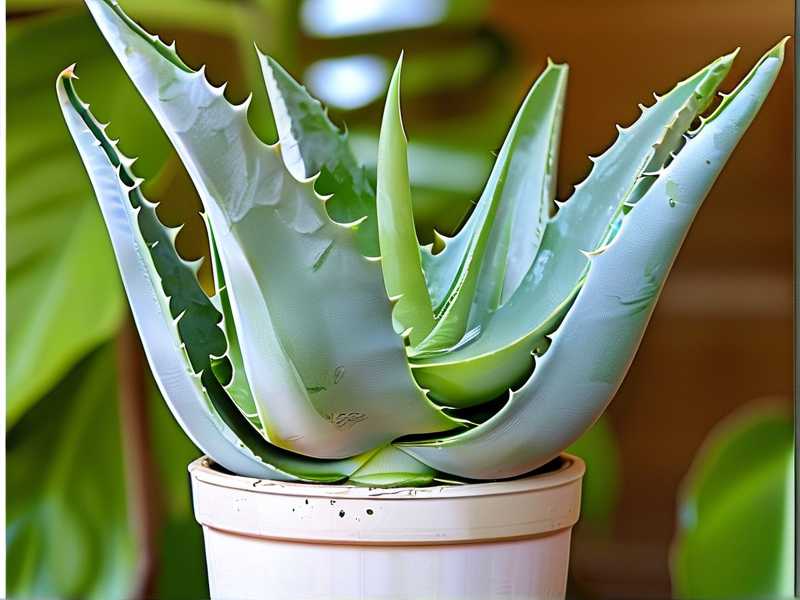
After two weeks, the aloe looked completely different. It stood taller and firmer. The leaves had a slight waxy sheen. I could feel the extra moisture in the leaves. It was thriving. That experiment convinced me to stick with this routine.
Troubleshooting Common Fertilization Issues
I’ve had my share of problems. Here’s what I did to fix them.
Leaf Burn from Too Much Fertilizer
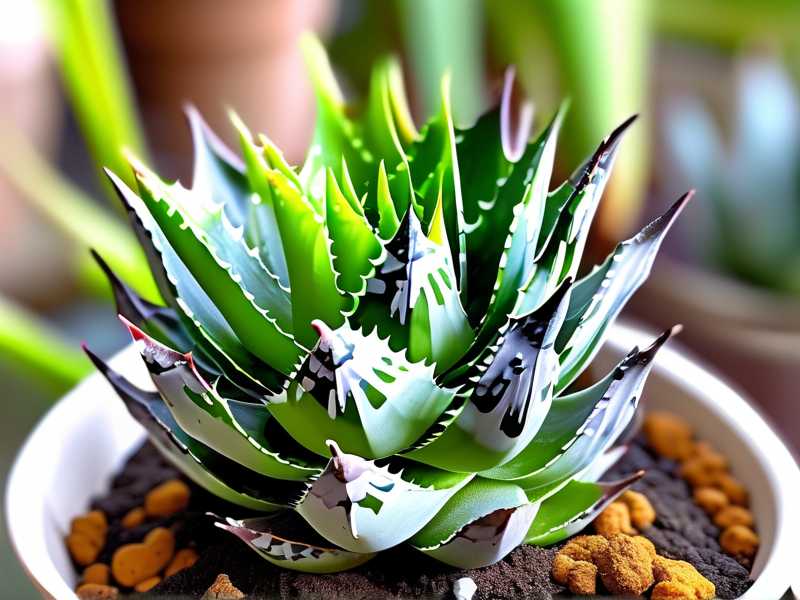
I once gave my aloe a full-strength fertilizer dose. Big mistake. The tips turned brown and crispy. I stopped fertilizing for a month. I flushed the soil with plain water to remove excess salts. The leaves recovered, but the brown tips never healed. I trimmed them off.
Slow Growth After Fertilizing
I thought fertilizing would speed up growth. But my aloe stayed the same size for weeks. I realized the temperature was too cool. It was early spring, still cold. I waited until the nights warmed up above 60°F. Then I started fertilizing again. The aloe started growing.
Yellow Leaves After Fertilizing
I had yellow leaves after a fertilizer application. I panicked. I checked the soil and found it was waterlogged. I had overwatered after fertilizing. I stopped watering for two weeks. The yellow leaves dried up, and I cut them off. New green leaves grew in their place.
How to Tell If Your Aloe Needs Fertilizer
I use visual cues now. I don’t guess.
- Pale leaves: The aloe needs more light, not fertilizer. I move it to a brighter spot first.
- Thin, droopy leaves: The aloe needs water. I water it deeply, then wait.
- Stunted growth: The aloe might need fertilizer. I check the season. If it’s spring or summer, I fertilize. If it’s winter, I wait.
- Brown tips: Too much fertilizer. I flush the soil.
I also check the soil. If it’s compacted, I repot with fresh soil. Fresh soil has nutrients. I don’t fertilize for a month after repotting.
Seasonal Fertilization Guide for Aloe
I made a simple schedule. I follow it loosely.
Early Spring (March-April)
I start fertilizing once a month. I use half-strength, balanced fertilizer. I water more often as the weather warms.
Late Spring to Summer (May-August)
I fertilize every two weeks. I use full-strength fertilizer but diluted. I check for leaf burn. If I see it, I cut back.
Early Fall (September)
I reduce fertilization to once a month. I prepare for dormancy. I water less frequently.
Late Fall to Winter (October-February)
I stop fertilizing. I water only when the soil is bone dry. I keep the aloe in a cool, bright spot.
Tools I Use for Aloe Care
I keep it simple. I don’t need fancy gadgets.
- A moisture meter: I used this at first. Now I just use my finger. It’s quicker.
- A terracotta pot: My aloe loves this. It dries out fast.
- A watering can with a narrow spout: I can water the soil directly, not the leaves.
- A liquid fertilizer: I use a 10-10-10 or 5-10-10 formula. I dilute it to half strength.
I also use a small spray bottle for misting. I do this only in summer, during dry spells. It helps the leaves stay hydrated.
Common Myths About Aloe Fertilization
I’ve heard a lot of bad advice. Let me clear it up.
Myth: Fertilize Every Week
I tried this. It killed my aloe. The roots burned. The leaves turned yellow. I learned that less is more.
Myth: Use Coffee Grounds
I dumped coffee grounds into the soil. Bad idea. It made the soil too acidic. The aloe’s leaves curled. I had to repot it.
Myth: Use Epsom Salt
I read this online. I sprinkled Epsom salt on the soil. Nothing happened. Actually, it caused salt buildup. I flushed the soil. I won’t do that again.
Myth: Fertilize All Year
I fertilized in winter once. The aloe went dormant. It stopped growing. I wasted fertilizer.
How Climate Change Affects Aloe Fertilization
I’ve noticed warmer winters and hotter summers. My aloe reacts differently now.
- Warmer winters: My aloe stays active longer. I fertilize until November now. I used to stop in October.
- Hotter summers: I move my aloe to a shadier spot. I stop fertilizing during heatwaves. I water less often.
- Unpredictable weather: I check the forecast. If a cold snap is coming, I bring my aloe indoors. I don’t fertilize during temperature swings.
I also monitor humidity. In summer, it’s humid. I water less. In winter, it’s dry. I water more often but less quantity.
My Aloe Fertilization Checklist
I use this checklist every time I fertilize.
- Check the season. Is it spring or summer? If yes, proceed.
- Check the temperature. Is it above 60°F? If yes, proceed.
- Check the soil. Is it dry two inches deep? If yes, proceed.
- Dilute fertilizer to half strength.
- Water the soil, not the leaves.
- Wait two weeks before next application.
- Observe the leaves. Adjust if needed.
I follow this strictly. It’s saved me from over-fertilizing.
Frequently Asked Questions
Q: Can I fertilize my aloe in winter?
A: I don’t recommend it. Aloe goes dormant in winter. Fertilizing stresses the roots. I stop fertilizing from October to February. I only water sparingly.
Q: What type of fertilizer is best for aloe?
A: I use a balanced fertilizer like 10-10-10 or 5-10-10. I dilute it to half strength. Liquid fertilizer works well. I avoid slow-release granules. They release too slowly for aloe.
Q: How do I know if I’m over-fertilizing my aloe?
A: Look for brown tips, yellow leaves, or stunted growth. I check the soil for salt buildup. If I see a white crust, I flush the soil with water. I then stop fertilizing for a month.
Final Thoughts on Aloe Fertilization in Changing Climates
I’ve learned to adapt. I don’t follow a rigid schedule. I watch my aloe and adjust. Climate changes force me to be flexible. I pay attention to temperature, season, and leaf condition. It’s a simple approach, but it works.
I killed my first aloe by overwatering and over-fertilizing. I learned the hard way. Now, I fertilize less, not more. I use diluted fertilizer. I stop in winter. I adjust for heatwaves. My aloe is thriving now.
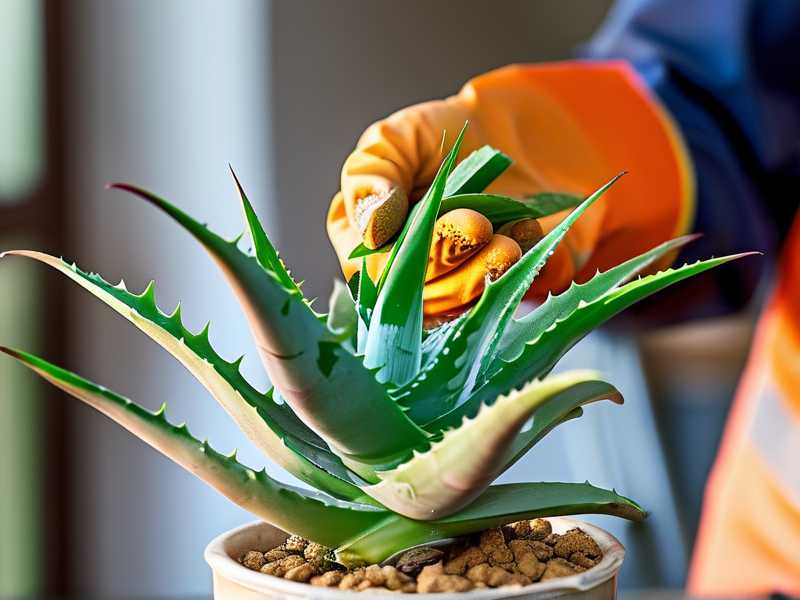
I hope my mistakes save you some trouble. Start with a good pot, the right light, and minimal fertilizer. You’ll see your aloe grow strong and healthy.