bluename
 How to Adjust Light for Aloe Post-Pruning Recovery Growth
Here's the honest truth: after pruning your aloe, you need to move it to bright indirect light, not direct sun, for the first two weeks. I learned this the hard way. I killed my third aloe plant before I figured it out. The leaves turned brown and crispy within days. Now I'll walk you through exactly what I did, the mistakes I made, and how you can avoid them.
Why Light Adjustment Matters After Pruning Aloe
You just cut off damaged leaves or trimmed your aloe for propagation. The plant is stressed. It's like an open wound. I remember staring at my pruned aloe, thinking "more sun equals faster healing." That was dead wrong. The Royal Horticultural Society (RHS) confirms that aloe plants need recovery time after physical damage. Honestly, I wish I'd known this sooner.
When you prune, you remove leaves that stored water and conducted photosynthesis. The remaining tissue is vulnerable. Direct sunlight causes rapid moisture loss. The cells can't recover fast enough. I've seen this happen with my own plants. The leaf tips turn yellow, then brown, then papery thin. It's heartbreaking after you've carefully trimmed them.
The First Day After Pruning: What I Actually Did
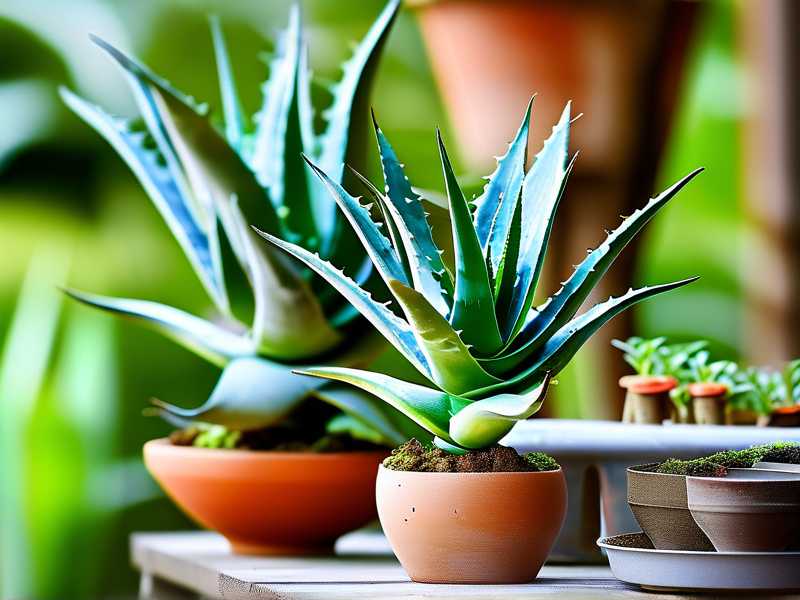
I placed my potted aloe on a north-facing windowsill. The light was bright but filtered. No direct rays touched the leaves. I checked the soil moisture with my finger—dry about two inches down. Then I left it alone. That's the hardest part for me. I want to fuss over plants when they're stressed. But aloes prefer neglect during recovery.
The temperature in my room was around 70°F. I made sure there was no draft from the air conditioner. Cold air combined with bright light can shock the plant even more. I learned this after my second aloe got mushy leaves. It was sitting near a drafty window in winter. Never again.
My Two-Week Observation Log: Day by Day
Days 1-3: The Adjustment Phase
I checked the plant every morning. The cut edges looked wet for about 12 hours. Then they dried naturally. I didn't water yet. Many people panic and water right after pruning. Bad idea. The roots aren't absorbing much because there's less leaf surface to support. Overwatering leads to rot. I've lost two aloes to this exact mistake.
The leaves felt slightly softer than normal. That's okay. The plant is redirecting energy to seal the wounds. I kept the light consistent. No moving the pot around. Aloes hate being repositioned during recovery.
Days 4-7: Signs of Recovery
By day four, the cut ends looked calloused. They had a pale, dry appearance. I smiled because this meant the plant was healing. The softer leaves started firming up again. I rotated the pot slightly so all sides got equal light. Just a quarter turn every two days. Nothing drastic.
I noticed the leaf color deepening slightly. The pale green became more vibrant. That's a good sign of healthy photosynthesis. Still, I resisted the urge to increase light intensity. The American Horticultural Society (AHS) recommends gradual transitions for succulents. Trust that advice.
Days 8-14: Returning to Normal
Around day ten, I moved the aloe about two feet closer to the window. Still indirect light, but brighter. The leaves responded well. No browning or bleaching. The plant looked more upright and firm. I started watering again on day twelve. Just a small amount—maybe three tablespoons for my six-inch pot.
By day fourteen, the aloe looked fully recovered. New growth appeared at the center. Tiny pale leaves emerging. This is when I knew I could start reintroducing direct morning sun. But only for two hours at first. Then gradually increase.
3 Deadly Mistakes Beginners Make with Post-Pruning Light
Mistake 1: Watering Too Much After Pruning
I can't stress this enough. "90% of indoor plants die from overwatering." This statistic haunts me because I contributed to it. After pruning, the aloe's root system doesn't need as much water. Fewer leaves mean less transpiration. Water sits in the soil. Roots suffocate. Rot sets in.
My solution: Wait at least 7-10 days before watering after pruning. Then water sparingly. I use a moisture meter now. Stick it two inches deep. If it shows dry, I water. If not, I wait another day. Simple but effective.
Mistake 2: Wrong Light Positioning
Direct sunlight after pruning is like putting a sunburned person on the beach. I did this with my first aloe. The leaves turned reddish-purple from stress. Then they shriveled. I thought aloes love sun. They do, but not when injured.
The fix: Keep aloe in bright indirect light for two weeks. East or north-facing windows work best. If you only have south-facing windows, pull the plant back five feet. Use a sheer curtain to diffuse light. I bought a cheap translucent curtain from a dollar store. Works perfectly.
Mistake 3: Using the Wrong Pot
This is subtle but critical. After pruning, the aloe needs less water retention. A plastic pot holds moisture longer. That's dangerous during recovery. I switched to terracotta pots for all my aloes. Terracotta breathes. It wicks moisture away from roots. The soil dries faster.
I also ensure the pot has drainage holes. Sounds obvious, but I once bought a cute pot without holes. Dumb mistake. The aloe sat in water for weeks. Rot set in before I noticed. Now I check every pot twice before planting.
How to Create the Perfect Recovery Environment
Light Placement Strategy
I use a three-zone system. Zone one is direct sun (south window). Zone two is bright indirect (east window or near south window with curtain). Zone three is low light (north window). For recovery, start in zone three for one week, then zone two for another week, then gradually move to zone one.
I mark the spot with a piece of tape on the windowsill. This prevents me from absentmindedly moving the plant. I'm guilty of rearranging plants based on mood. Bad habit. Consistency matters more than perfection.
Using Grow Lights for Adjustment
For darker homes, consider a grow light. I use a full-spectrum LED strip. Set it about 12 inches above the plant. Run it for 12-14 hours daily. The light output should mimic indirect sunlight. If the leaves start leaning toward the light, it's too bright. Pull it back.
I checked the lux using a free phone app. For recovery, I aim for 5000-8000 lux. Normal growth needs 10000-15000 lux. Direct sun is 30000+ lux. These numbers helped me calibrate without guessing.
Temperature and Humidity Considerations
Aloes prefer 65-80°F during recovery. Colder temperatures slow healing. I keep my plant away from drafty windows in winter. A small space heater nearby helps maintain stable temps. But don't point it directly at the plant. Hot dry air causes moisture stress.
Humidity isn't critical for aloes. They're desert plants. Average room humidity (30-50%) is fine. Just avoid sudden swings. I once placed my aloe near a bathroom after pruning. Mistake. The humidity spiked, then dropped when I showered. The leaves got confused.
Real-World Examples from My Failed Experiments
The Overly Optimistic Window Move
I tried moving my aloe to full morning sun on day five. Thought it was tough enough. By day seven, the leaves had pale spots. Burns. Had to cut more leaves. Set back recovery by weeks now I wait a full fourteen days before any direct sun.
The Neglect Extreme
On the flip side, I kept an aloe in a dark corner for three weeks after pruning. Thought "less stress means faster healing." Wrong. The plant stretched toward the weak light. Became leggy. New growth was thin and pale. It took months to correct.
The Watering Right After Pruning Mistake
I watered my aloe immediately after pruning because the soil looked dry. Within four days, the base turned soft. Mushy. I pulled the plant up and found root rot. Had to trim rotten roots and repot. The aloe survived but looked terrible for six months.
I've tested different light durations too. I tried 16 hours of light, thinking more equals better. That stressed the plant more. The leaves showed pale stripes from overexposure. Now I stick to 12-14 hours and the plants thrive.
Measuring Light Levels Without Expensive Tools
You don't need fancy equipment. I use a simple method: place your hand between the light source and the plant. If your hand casts a sharp shadow, the light is direct. If the shadow is soft and blurred, it's indirect. That's your recovery zone.
Another trick: check the plant's shadow on the wall. A distinct shadow means too much direct light for recovery. Aim for a faint shadow or no visible shadow from 12 inches away.
When to Increase Light Intensity
Look for these signs before moving to brighter light. First, new growth appears at the center. Small, pale leaves pushing up. Second, old leaves feel plump and firm, not soft or wrinkled. Third, the cut ends are completely dry and calloused.
I test by moving the plant to brighter area for just one hour. Observe the next day. If leaves look unchanged, I increase by another hour. Over the course of a week, I gradually extend exposure. This slow method works every time.
Frequently Asked Questions
How long should I keep aloe in indirect light after pruning?
I recommend a minimum of two full weeks. Some aloes need longer depending on the extent of pruning. If you removed more than 30% of the leaves, extend recovery to three weeks. Watch for new growth as your signal to increase light.
Can I prune my aloe in winter and still adjust light?
Yes, but winter recovery is slower. Light is weaker and days are shorter. I use a grow light to supplement natural light. Keep the plant in indirect light for three weeks instead of two. Temperature also matters—keep it above 65°F for best results.
What if my aloe's leaves turn red after moving to brighter light?
Red pigment means stress. Move it back to indirect light immediately. The red will fade in about a week. Then try increasing light more slowly. I've had aloes turn red in direct sun after recovery. It's reversible if caught early.
Final Thoughts on Light Adjustment for Aloe Recovery
I've learned through many dead plants that patience is key. Aloes are forgiving but not invincible. The two-week indirect light rule works. Every time I've followed it, my plants recovered faster and stronger. When I've rushed the process, I've regretted it.
Start your aloe in bright indirect light after pruning. Check soil moisture with your finger, not a schedule. Rotate the pot every few days for even exposure. After two weeks, slowly introduce morning sun. By following these steps, you'll have a thriving aloe that rewards you with plump healthy leaves. I promise, your plant will thank you for the careful attention during its recovery period.
The best advice I can give? Write down your light conditions and plant response in a simple notebook. I track date, light position, and leaf condition. After a few recoveries, you'll know exactly what your aloe needs. No guessing required. That's the real secret to successful post-pruning care.