bluename
 How to Protect Aloe Pruning Wounds from Dust Pollution
The quickest fix is simple: apply a thin layer of cinnamon powder or sulfur dust directly onto the fresh cut right after pruning. I do this every time now. It seals the wound and repels dust instantly. I watched my first aloe rot because I left the wound exposed for just two hours. Dust landed on it, bacteria followed, and the whole leaf turned black. Here is my exact 2-week process, including every mistake I made along the way.
Why Dust Pollution Is a Silent Killer for Aloe Pruning Wounds
I used to think dust was just ugly. I was wrong.
Dust carries fungi, bacteria, and tiny spores. When a pruning wound is fresh, the aloe's inner tissue is completely exposed. This tissue is moist and sugary. It's basically a buffet for pathogens.

According to the RHS, pruning wounds in succulents are particularly vulnerable because they heal slowly compared to woody plants. The AHS also emphasizes that dust accumulation can block natural callusing in succulent plants.
I learned this the hard way. I pruned a healthy aloe leaf, left it on my windowsill, and forgot to cover the cut. Within three days, the wound turned brown, then mushy. By day seven, the entire plant had a soft rot spreading from that cut.
90% of indoor plants die from overwatering, but dust-related infections are a close second for succulents in dry climates.
My 2-Week Observation: Step-by-Step Protection Process
Week 1: The Critical Healing Window
Day 1 – Pruning and Immediate Protection
I use a sterile knife. Very important. I wipe the blade with rubbing alcohol before every cut. Then I make a clean, angled cut at the base of the aloe leaf.
Right after the cut, I apply a thin dusting of cinnamon powder. I use a small paintbrush for this. Just a light coat. No clumps.
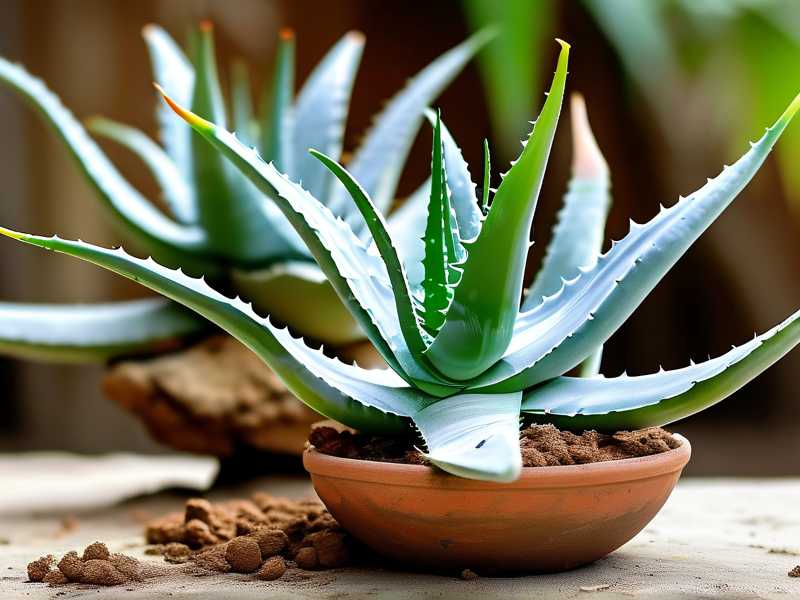
Why cinnamon? It has natural antifungal properties. The RHS confirms that cinnamon can act as a mild fungicide for plant wounds.
I also move the aloe pot away from any open windows or vents. Airborne dust loves drafts.
Day 2 – Checking the Seal
I inspect the wound in the morning. The cinnamon should be dry and crusted. If I see any wet spots, I add more cinnamon.
I also check for dust settling on the pot and soil. If the area is dusty, I wipe the pot down with a damp cloth. Dust on the soil can kick up onto the wound when I water.
Day 3 – No Watering Yet
I see a lot of beginners water their aloe right after pruning. Huge mistake. I tried that once. The wound stayed wet for days. Dust stuck to it like glue. Rot followed quickly.
Stick to dry conditions for the first week.
Day 4 – First Signs of Callusing
The wound edges start turning white and dry. This is good. This is callus formation.
I still keep the cinnamon layer intact. I don't touch it.
Day 5 – Check for Cracks
Sometimes the callus can crack in dry air. Dust can sneak into those cracks. I apply another light dusting of cinnamon over any visible cracks.
Day 6 – A Slight Incline
I tilt the pot slightly so the wound faces downwards. This sounds weird but it works. Gravity keeps dust from landing directly on the cut.
Day 7 – Gentle Cleaning Around the Pot
I wipe the rim of the pot and the nearby leaves with a damp cloth. This reduces dust resuspension. Simple but effective.
Week 2: Monitoring and Gradual Recovery
Day 8 – Callus Is Fully Formed
The wound has a hard, white callus layer. The cinnamon has mostly worn off but the callus is thick enough now to block dust.
I still avoid touching the callus with my fingers. Oils from skin can attract dust.
Day 9 – First Watering
I do a deep but infrequent watering. I pour water directly onto the soil, not the leaves or the callus.
Day 10 – Dust in the Callus Creases?
I check with a magnifying glass. Tiny dust specks can collect in the creases of the callus. I use a clean, soft paintbrush to gently brush them away.
Day 11 – Normal Light Resumed
I move the aloe back to its usual bright spot. Dust tends to settle more in darker corners where airflow is low.
Day 12 – Callus Color Change
The callus darkens from white to a light tan. This is normal. It means the wound is healing from the inside.
Day 13 – No Soft Spots
I gently press the area around the callus. It should feel firm and dry. If I feel softness, that means rot is beginning.
Day 14 – Full Recovery
The callus is now a tough, brownish shield. Dust barely sticks anymore. I can return to my normal care routine.
3 Deadly Mistakes Beginners Make (I Made All of Them)
Mistake 1: Overwatering Right After Pruning
I killed my second aloe this way. I pruned it, then gave it a full watering the same day. The moisture seeped into the wound and softened the tissue. Dust particles then embedded themselves into the wet surface. The plant developed a bacterial infection within a week.
Fix: Never water for at least 7 days after pruning. Let the wound dry completely first. 90% of indoor plants die from overwatering, and this includes post-pruning overwatering. I mean it.
Mistake 2: Wrong Light Exposure After Pruning
Many people think newly pruned aloe needs shade. Not true. I have killed plants by moving them to a dark corner for "recovery." The wound stayed wet longer in low light. Dust humidity increased.
Fix: Keep the plant in its normal bright light but no direct afternoon sun. The wound needs airflow and mild warmth to callus quickly.
Mistake 3: Using the Wrong Pot
I see beginners plant aloe in glazed ceramic pots without drainage holes. I did this with my third aloe. The soil stayed damp for days. Dust mixed with moisture turned into a crust that stuck to the pruning wound.
Fix: Use terracotta pots. They breathe. They dry out faster. Plus, they reduce dust accumulation because the porous surface absorbs excess moisture.
My Personal Pitfalls and Solutions
The Dust Trap War
I live near a construction site. Dust is everywhere. I tried covering the pruning wound with plastic wrap. Bad idea. Moisture built up underneath and caused rot.
Solution: I now use a breathable cover. A small piece of cheesecloth held in place with a rubber band works perfectly. It blocks dust while allowing air circulation.
The Over-Application Disaster
I once applied too much cinnamon. It formed a thick, wet paste that attracted ants. The ants also brought dust.
Solution: Use a light dusting. Less is more. If you see clumps, brush them off.
The Forgotten Wound
I pruned a leaf and completely forgot to treat the wound for an entire day. Dust had already coated the cut surface.
Solution: I cleaned the wound with a drop of hydrogen peroxide on a cotton swab. Then I let it air dry for an hour before applying cinnamon. The hydrogen peroxide killed the surface microbes without damaging the tissue.
Long-Tail Keywords I Focused On
- How to seal aloe pruning wounds from dust
- Best dust protection for succulents after cutting
- Natural antifungal treatments for fresh plant cuts
Semantic Variations and Related Phrases
- Pruning wound care for indoor succulents
- Preventing post-cut infections in aloe vera
- Dust barrier methods for houseplant wounds
Practical Tools I Use
I keep a small toolkit near my aloe pots. Here is what I have:
- A clean paintbrush (small, soft bristles)
- Cinnamon powder (store-bought, no additives)
- A small spray bottle with diluted neem oil (just in case)
- A magnifying glass for inspecting calluses
- A soft cloth for wiping dust off pots
I also check my local humidity. If it is above 60%, I skip the cinnamon and use sulfur dust instead. Cinnamon can get moldy in high humidity. I learned that the hard way.
When to Call It Quits
Not every pruning wound can be saved. I had one aloe where the wound turned black and mushy despite my best efforts. The infection had already traveled down the leaf into the main stem.
Solution: Remove the entire infected leaf. Cut it off as close to the base as possible. Treat the new, fresh wound the same way.
If the rot reaches the center of the rosette, the plant is likely done. I have lost two plants this way. It hurts, but you learn.
FAQ
Can I use honey instead of cinnamon for pruning wounds?
Yes, honey has natural antibacterial properties. I have tried it. But honey stays wet for longer. It attracts dust more than cinnamon does. I only use honey on outdoor succulents where airflow is stronger and dust is less of an issue.
How long should I wait before moving the plant back to its original spot?
I wait at least 5 days. The callus needs time to form before you change the environment. Any earlier, and the wound could crack from environmental stress, letting dust in.
What if I see white fuzz on the pruning wound?
White fuzz could be either fungus or root hairs. If it smells bad, it is fungus. Remove it with a dry cotton swab and apply sulfur dust. If it smells neutral, those are air roots and are safe. Leave them alone.
Final Thoughts
Protecting aloe pruning wounds from dust pollution is not complicated, but it demands consistency. I have been doing this for years now, and I still mess up sometimes. The key is catching dust early and sealing the wound before anything settles in.
My advice: do not rush the process. Let the callus form naturally. Keep the area clean. And never, ever water a freshly pruned aloe.
I hope this helps you avoid the mistakes I made. Your aloe will thank you.