bluename
 How to Adjust Aloe Vera Watering Habits for Every Changing Season
If you’re struggling to keep your aloe vera alive, here’s the quick answer straight up: stop watering on a fixed schedule and start feeling the soil. I check moisture with my finger 2 inches deep. I only water when it’s bone dry. For winter, I wait even longer—sometimes 4 to 6 weeks between drinks. I learned this the hard way after killing three plants.
Look, I’m just a plant lover like you. I killed my first aloe within a month. I had no clue that 90% of indoor plants die from overwatering, especially succulents. After years of trial and error, I finally figured out how to adjust aloe vera watering habits for every changing season. Trust me, it’s simpler than you think.
The 3 Deadliest Mistakes Beginners Make with Aloe Vera
① Overwatering: The Number One Killer
I used to water my aloe every Sunday like clockwork. I thought plants needed routine. Wrong. Big wrong.
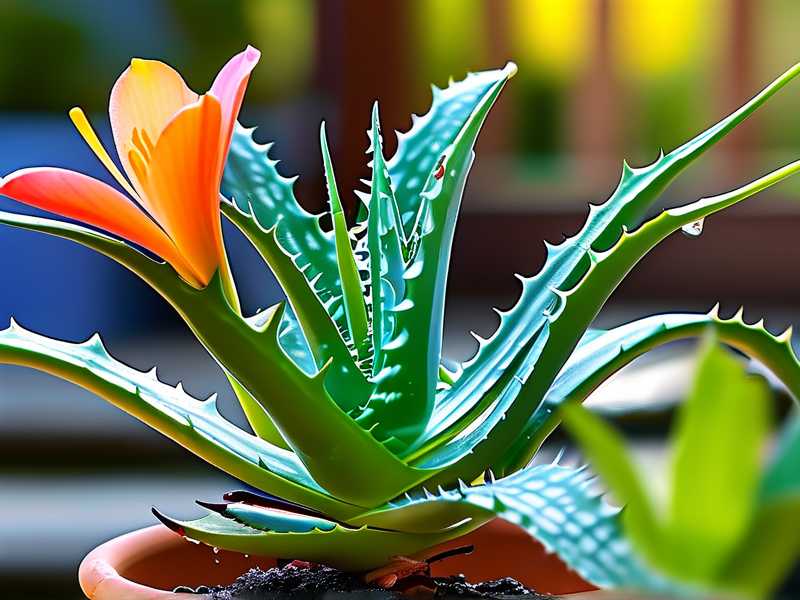
My soil stayed wet for two weeks straight. The leaves turned mushy and brown. The roots rotted away before I even noticed. I had no idea this was happening until I pulled the plant out. The smell was awful.
What to do instead:
Wait until the soil is completely dry. Then wait 2 extra days. Aloe vera stores water in its leaves. It can handle drought way better than soggy feet. I only water when the leaves look slightly thinner or feel softer.
② Light Misplacement: Sunburn or Starvation
I put my aloe on a north-facing windowsill once. The plant stretched out, pale and thin. It looked like a sad green ghost.
Then I moved it to direct afternoon sun. The leaves turned orange and crispy. I literally cooked it.
The sweet spot:
Bright, indirect light. East or west window works best. I rotate the pot every week so each side gets even exposure. No direct midday sun unless you want sunburned patches.
③ Wrong Pot Type: Moisture Traps
I started with a cute ceramic pot. No drainage hole. Big mistake.
Water pooled at the bottom. The roots sat in wetness for days. Rot set in fast. I didn’t realize until the whole plant collapsed.
What I use now:
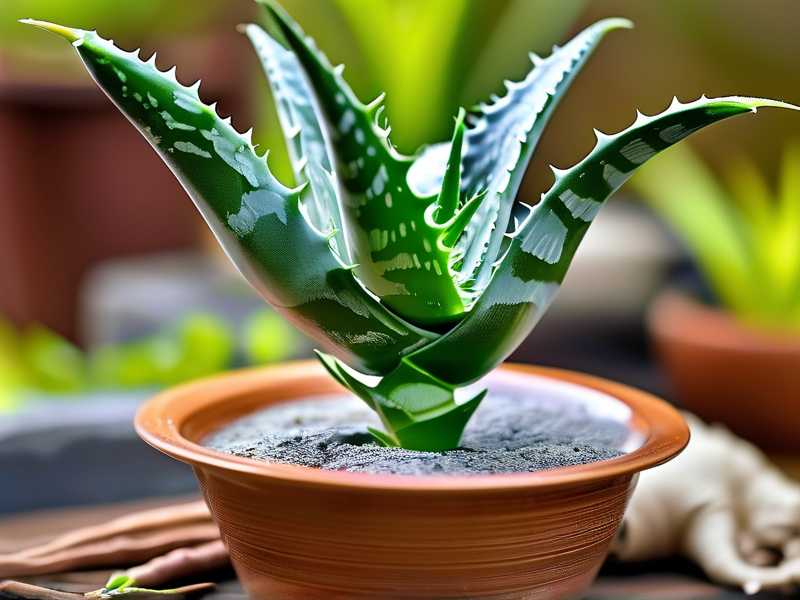
Terracotta pots with drainage holes. They wick moisture away from the soil. I also add a layer of gravel at the bottom for extra drainage. Never skip the hole—it’s non-negotiable for aloe vera.
Step-by-Step: How I Water Aloe Vera in Each Season
Spring: Wake-Up Time
My routine:
I start testing the soil weekly after winter dormancy. The days get longer, so the plant needs more water. I check the top 2 inches. If it feels completely dry, I water deeply. I pour until water runs out the drainage hole. Then I empty the saucer.
2-week observation:
After two weeks of spring watering, the center leaves grew taller. New baby pups appeared at the base. The color went from dull gray-green to vibrant fresh green. Soil stayed dry for about 10 days between watering.
What went wrong last spring:
I watered too early when it was still chilly. The soil stayed cold and wet. The roots got stressed. I lost one pup to rot. Now I wait until nighttime temperatures stay above 50°F (10°C) consistently.
Summer: Peak Growth Season
My routine:
During heatwaves, I water every 7 to 10 days. I test with my finger every 4 days. If the soil is dry 2 inches down and the leaves look a bit wrinkled, I water. I do it early morning so the plant can drink up before the sun gets harsh.
2-week observation:
Leaves plumped up within 3 days. New growth pushed out from the center. The plant looked sturdy and full. Soil dried faster because of higher temperatures. I had to water twice in 14 days.
A summer trap I fell into:
I thought more heat meant more water. I overwatered after a hot spell. The leaves started splitting from too much internal pressure. That’s a sign of overhydration. Now I slow down even in summer.
Autumn: Transition Phase
My routine:
As daylight decreases, I reduce watering frequency. I extend to once every 14 days. I only water when the soil is absolutely dry. I check the forecast too—if rainy days are coming outside, I hold off indoors.
2-week observation:
The plant stopped producing new leaves. Growth slowed noticeably. Soil remained dry for almost two weeks. The leaves kept their firmness even with less water. No visible stress.
Autumn mistake I made:
I kept summer watering habits into October. The plant got waterlogged. Two lower leaves went yellow and droopy. I cut them off and skipped watering for 3 weeks. The plant recovered but I lost those leaves permanently.
Winter: Dormant Season
My routine:
I water once every 4 to 6 weeks. I only do it if the leaves look truly thirsty—slightly wrinkled or thinner. I use room-temperature water to avoid shocking cold roots. I water sparingly, just enough to moisten the top half of the soil.
2-week observation:
The plant barely changed. No new growth. Leaves stayed firm and plump. Soil remained dry the entire time. I didn’t water at all during those two weeks. The plant looked perfectly healthy.
The winter disaster:
One year I watered normally in December. The soil stayed wet for over a month. Roots rotted silently. By February, the plant collapsed. The base was mushy and black. I had to propagate healthy leaves to save anything. I never repeat that.
The Finger Test: My Simple Moisture Check
I don’t use moisture meters. They’re unreliable. I just use my index finger.
I push it 2 inches into the soil. If I feel any dampness, I wait. If it feels dry and loose, I water. This became automatic after a few weeks.
I also lift the pot. Wet soil is heavy. Dry soil feels light. This two-part check makes overwatering nearly impossible.
RHS and AHS Recommendations for Healthy Aloe Vera
The Royal Horticultural Society (RHS) emphasizes that succulents like aloe vera need well-draining soil and careful watering.
The American Horticultural Society (AHS) confirms that these plants are adapted to periods of drought. I follow their advice:
- Always use pots with drainage holes.
- Place in bright but indirect light.
- Water only when the soil is dry, especially in winter.
Those two tips saved me from killing another plant.
Beyond Watering: Factors That Affect Your Aloe’s Life
Soil Mix Matters
Regular potting soil holds too much water. I killed my second aloe using standard soil from a bag.
Now I mix:
- 2 parts cactus soil
- 1 part perlite
- 1 part coarse sand
This drains in seconds. Roots breathe. No more rot.
Pot Size Choices
I used a huge pot for my first aloe. I thought bigger was better. Wrong again.
Too much soil holds extra water. The roots can’t drink it all. They drown.
Now I use a pot that’s only 1 to 2 inches wider than the root ball. Small pots dry out faster. That’s good for aloe.
Temperature and Airflow
Aloe vera likes warmth. I keep mine between 60°F to 80°F (15°C to 27°C).
Cold drafts slow down growth. I moved my plant away from the window in winter. That reduced how often I watered.
Airflow helps too. A gentle fan nearby prevents stagnant air. That cuts down on mold and pests.
How I Revive an Overwatered Aloe
I had to save my plant once after a watering mistake. Here’s what I did:
- I gently pulled the aloe from the pot.
- I inspected the roots. White and firm is good. Brown and mushy is bad.
- I cut away rotten roots with clean scissors.
- I let the plant sit out for 2 days to dry the wounds.
- I repotted in fresh dry soil.
- I didn’t water for 10 days.
It survived. New roots grew. The leaves regained firmness after 2 weeks.
If the whole base is rotten, I propagate healthy leaves instead. I cut them at the base, let them callous over for 3 days, then put them in dry soil. No water for 2 weeks. Roots eventually form.
Seasonal Checklist I Follow Every Year
Spring
- Increase watering gradually.
- Start checking soil every 7 days.
- Watch for new growth.
Summer
- Water every 7-10 days as needed.
- Keep in indirect light.
- Reduce watering if heat spikes cause leaf splitting.
Autumn
- Reduce watering to every 14 days.
- Slow down as days shorten.
- Stop fertilizing if you use it.
Winter
- Water once every 4-6 weeks.
- Only water if leaves shrink or wrinkle.
- Keep warm and away from cold windows.
5 Signs Your Aloe Needs Water
I look for these visual cues:
- Leaves look thinner than normal.
- Leaves curl inward slightly.
- Color becomes dull or grayish.
- Soil is completely pulled away from pot edges.
- Pot feels very light when lifted.
If I see two or more of these, I water lightly.
5 Signs Your Aloe Has Had Too Much Water
- Leaves feel soft and mushy.
- Yellow or brown spots appear on leaves.
- Base of plant looks dark or black.
- Soil smells sour or moldy.
- Leaves fall off easily when touched.
If I notice any of these, I stop watering immediately. I repot into dry soil.
Common Mistakes I Still See in Plant Groups
I’m in a few online plant communities. The same questions keep coming up.
People water their aloe like a peace lily. That’s a death sentence.
Others ignore drainage completely. They rely on “moisture control” soil. That keeps water trapped.
Many believe sprinkling leaves with water is enough. Aloe needs deep watering when dry. A splash on top doesn’t reach the deep roots. I learned this after a year of weak growth.
Frequently Asked Questions About Aloe Vera Watering
Can I water my aloe vera with ice cubes?
No. I tried this once. The cold shock stressed the roots. Aloe is a tropical plant. Ice water can cause root damage. Always use room-temperature water.
How do I know if my aloe is overwatered vs underwatered?
Both cause droopy leaves. The difference is texture. Overwatered leaves feel soft and squishy. Underwatered leaves feel thin and crispy. I check the soil first to confirm. Dry soil means thirsty. Wet soil means drowning.
Should I mist my aloe vera?
Nope. Mist is useless for succulents. Their leaves don’t absorb much water through pores. Mist can actually cause fungal spots. I keep the air around my aloe dry. That’s what it naturally prefers.
Final Thoughts from Someone Who Learned the Hard Way
Honestly, I wasted three aloe plants before getting it right. I felt terrible every time. But now I understand that aloe vera is forgiving if you listen to it.
Start by forgetting the calendar. Use your senses instead. Feel the soil. Observe the leaves. Lift the pot. Those simple actions teach you more than any watering reminder.
The key takeaway is simple: less is always more with aloe. Especially when seasons change. I cut my watering in half during winter. I only add more when summer heat speeds up drying.
You don’t need fancy tools. You just need to stop loving your plant to death with water. Give it drought. It will thank you with thick, glossy leaves.
I promise you, once you get the rhythm down, it becomes second nature. Your aloe will thrive year-round. And you won’t ever buy a replacement again.