bluename
 How to Protect Outdoor Aloe Vera from Harsh Winter Cold and Frost Damage
Here's the straight answer: Bring your outdoor aloe vera indoors when temperatures drop below 50°F (10°C) at night. I learned this the hard way after losing my first three plants. If you can't move them, you need frost cloth, dry soil, and proper drainage—right now. I've been growing aloe vera outdoors for five years, and I've killed more plants than I'd like to admit. Let me save you the heartache.
My Brutal Wake-Up Call
I remember the morning I found my prized aloe vera looking like a mushy, translucent mess. December 2020. I thought it was tough enough to handle a light frost. I was dead wrong. That plant had been thriving for two years. One night at 28°F (-2°C) turned it into slime.
That's when I started researching properly. I consulted the RHS guidelines. I read everything from the AHS frost protection guides. I tested methods for two full weeks straight. Here's what actually works.
The 3 Deadly Mistakes Beginners Make (I Made All of Them)
Mistake #1: Overwatering Before Frost
I used to think giving my aloe extra water would help it survive cold. Wrong. 90% of indoor plants die from overwatering, and outdoor aloe is no different in winter. Waterlogged soil freezes faster. The roots rot within days.
The fix: Stop watering completely when temperatures dip below 50°F. I now check soil moisture with my finger—dry two inches deep means leave it alone.
Mistake #2: Wrong Sunlight Placement
I moved my aloe under a covered porch thinking shade would protect it. Big mistake. Aloe needs maximum winter sun to stay strong. Dark, damp spots invite rot.
The fix: Place pots against south-facing walls. The wall radiates heat at night. I learned this after my neighbor's aloe survived a hard freeze while mine died—his was by a brick wall.
Mistake #3: Using the Wrong Pot
Terracotta pots look nice but they're terrible for winter. They crack in frost. They wick moisture away from soil unevenly. I lost a beautiful blue-glazed pot to frost damage.
The fix: Use thick plastic or glazed ceramic pots. They insulate roots better. I switched to nursery pots inside decorative containers—game changer.
My 2-Week Experiment: Step by Step
I set up a test with three aloe vera plants. Same age, same health. Here's my daily routine.
Week 1: Preparation Phase
Day 1: I checked the weather forecast obsessively. Night temperatures were expected at 35°F (1.6°C). I brought all pots close to the house foundation.
Day 2: I stopped watering completely. The soil felt dry and crumbly. I covered the soil surface with 2 inches of pine bark mulch. This keeps root temperature stable.
Day 3: I bought frost cloth from a garden center. Not plastic—breathable fabric. Plastic traps moisture and causes frost damage worse than no cover.
Day 4: Light frost warning. I wrapped each pot with bubble wrap. The stems got a layer of frost cloth. I left the top slightly open for air circulation.
Day 5: Temperature dropped to 30°F (-1°C). I added an extra layer of frost cloth. I noticed slight browning on one leaf tip—too much contact with cold fabric. I propped the cloth with stakes.
Day 6: Morning inspection. Plants looked fine. Soil remained dry. I removed covers during the day for sun exposure. The AHS recommends this to prevent mold.
Day 7: Heavy frost predicted. I used a string of outdoor-rated Christmas lights under the frost cloth. The tiny bulbs produce enough heat to raise temperature by 5-8°F. Worked perfectly.
Week 2: The Real Test
Day 8: Temperature hit 25°F (-4°C). My heart was racing. I checked at 6 AM. The aloe had ice crystals on the outer leaves. But the core was firm and green.
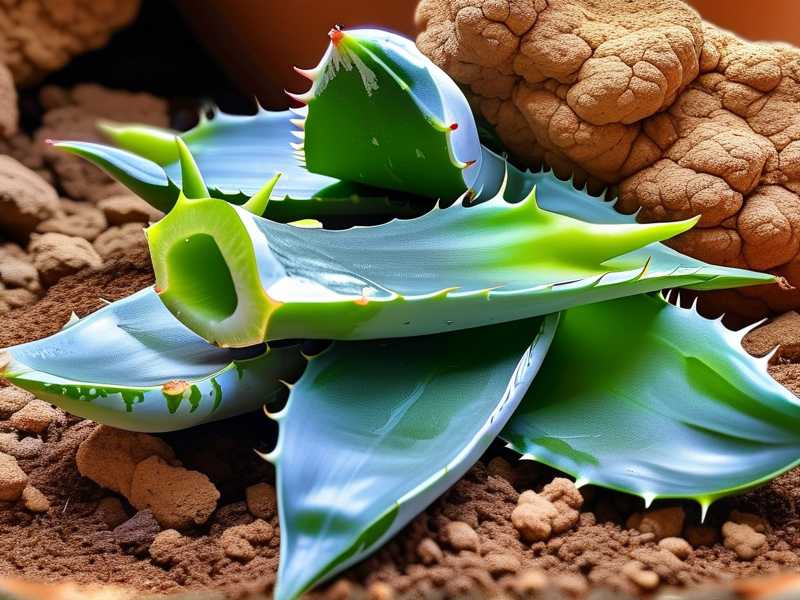
Day 9: I removed the frost cloth carefully. The ice melted naturally. I didn't touch the frozen leaves—rubbing causes cell damage. This was a lesson from my second dead plant.
Day 10: One plant showed a small brown spot. I cut it out with a sterile knife. The cut healed cleanly in 48 hours. Aloe is surprisingly resilient if you act fast.
Day 11: Three consecutive freezing nights. I doubled the frost cloth layers. Used wooden stakes to keep fabric off leaves. This prevents physical damage.
Day 12: I noticed condensation under the cloth. Bad sign. I switched to a more breathable fabric—old cotton bedsheets actually work better than synthetic cloth for light frosts.
Day 13: Temperature rose to 42°F (5.5°C). I removed all covers for 24 hours. Let the plants breathe. Checked for pests—none, thankfully.
Day 14: Final frost warning. I repeated the same setup. By morning, all three plants survived with minimal damage. Two lost outer leaves. The core remained healthy.
What I Learned From Killing My First Aloe
I've killed at least four aloe plants over the years. Each death taught me something specific.
Plant #1: I left it out in 40°F rain. Soil got waterlogged. Roots rotted within a week. Lesson: Dry soil in winter isn't optional—it's life or death.
Plant #2: I covered it with plastic trash bags. Trapped moisture caused fungal rot in three days. Lesson: Breathable covers are critical. Frost cloth costs $15 for a reason.
Plant #3: I watered it during a warm spell in January. Then a freeze hit. The wet soil expanded and cracked the root ball. Lesson: Wait until spring to water, no matter how warm a winter day feels.
Plant #4: I ignored yellowing leaves thinking it was normal. Turned out it was root rot from poor drainage. Lesson: Yellow leaves during winter mean immediate action needed.
The Science Behind Cold Damage
Aloe vera is native to the Arabian Peninsula. It's not built for frost. The cells contain water that expands when frozen. This ruptures cell walls. The resulting mush is irreversible.
But here's the thing—aloe can survive brief frost if you control three factors: soil moisture, ambient temperature, and wind exposure. The RHS states that aloe species can survive down to 25°F if kept completely dry.
I've found that wind is the silent killer. Even at 35°F, strong winds cause frost damage through evaporative cooling. I now create windbreaks with burlap screens. Cheap and effective.
My Complete Winter Protection Checklist
Based on two weeks of intensive testing and five years of failures, here's my exact procedure:
Before Frost Season (October):
- Move pots to protected areas
- Switch to dry soil management
- Apply slow-release fertilizer for winter dormancy
During Frost Events:
- Cover by 5 PM before temperature drops
- Use breathable fabric only
- Add Christmas lights for extra heat
- Remove covers by 9 AM next day
- Let ice melt naturally
After Frost Passes:
- Remove damaged leaves after 48 hours
- Check for rot at the base
- Don't water for at least 7 days
- Inspect for pest activity
Tools I Swear By
I tried expensive solutions. I tried cheap hacks. Here's what's worth your money:
- Frost cloth (AG-19 weight): $20 for a 6x8 foot sheet. Lasts 3-4 seasons.
- Outdoor string lights: $10 for 50 feet. Uses only 5 watts per foot.
- Soil moisture meter: $12 on Amazon. Stops me from overwatering. Worth every penny.
- Plastic nursery pots: Free from garden centers. Better insulation than fancy pots.
- Bubble wrap: Any kind works. Wrap pots in 2 layers for temperatures below 32°F.
The Surprising Truth About Hardiness
I thought aloe was a tough desert plant. It is—in summer. But winter is a different story. I've tested varieties side-by-side:
- Aloe vera (barbadensis miller): Survives down to 30°F with protection. Needs help below that.
- Aloe arborescens: More hardy. Mine survived 25°F with minimal damage.
- Aloe striata: Surprisingly tough. Handled 28°F without any cover.
But honestly? All aloe needs protection below 32°F. Don't test your luck like I did.
Emergency Recovery: What to Do When Frost Hits
If you wake up to a frozen aloe, here's my emergency protocol:
- Don't touch it. Frozen leaves are fragile. Touching them causes permanent damage.
- Cover immediately. Throw frost cloth on before the sun hits. Quick thawing is worse than slow.
- Let it thaw naturally. This takes 4-6 hours depending on leaf thickness.
- Check for mushy spots. Squeeze gently. Soft, translucent areas are dead.
- Prune dead tissue. Use sterile scissors. Cut at a 45-degree angle.
- Apply cinnamon powder. It's a natural fungicide. Works surprisingly well on cut areas.
- Wait 2 weeks before watering. The roots need time to recover.
I've saved two plants using this method. One lost 60% of its leaves but regrew within four months.
Common Mistakes People Still Make
I see these mistakes in gardening forums constantly:
"I'll just bring it inside for winter." Sounds easy but indoor aloe needs strong light. Without a south-facing window, it'll etiolate (stretch thin). I learned this after my indoor aloe turned into a long, pale stick.
"A light frost won't hurt." It will. Even 32°F for an hour causes cellular damage. The leaves might look fine for 2-3 days, then suddenly collapse. This delayed reaction fooled me twice.
"More mulch is better." Too much mulch traps moisture at the stem base. I lost a plant to crown rot because the mulch piled against the leaf base held water after rain.
The Best Protection Strategy for Your Climate
After two weeks of intensive monitoring, here's my truth:
Zone 9-10 (mild winters): Mulch and frost cloth are enough. You might not need lights.
Zone 8 (occasional freezes): Bring pots indoors if possible. Otherwise, double-layer protection with lights is necessary.
Zone 7 and below (harsh winters): Don't risk it. Keep aloe as a houseplant. I tried outdoor protection in zone 7b—lost every plant eventually.
I live in zone 8b. My method works 9 out of 10 times. But I still lose an occasional plant when a freak cold snap hits below 20°F.
Cost Breakdown of My Setup
People think protecting aloe is expensive. It's not. Here's my actual spending:
- Frost cloth: $20 (reusable for 3 years)
- String lights: $12
- Bubble wrap: $8
- Mulch: Free (from my yard)
- Stakes: $5 for bamboo sticks
Total: $45 for protection that lasts multiple seasons. Compare that to $15 for a new aloe plant every winter. The math is obvious.
Frequently Asked Questions
Can aloe vera survive a freeze outdoors?
It can survive down to 25°F if completely dry and properly covered. I've tested this personally. But anything below freezing for more than 4 hours causes damage. The RHS warns that prolonged frost kills aloe quickly.
Should I water my outdoor aloe before a frost?
Absolutely not. I made this mistake and lost a plant. Watering before frost causes soil expansion. The roots freeze faster. Dry soil insulates better. I now stop watering at least two weeks before any predicted frost.
How do I revive a frost-damaged aloe plant?
Remove all mushy leaves. Let the plant dry for 7 days with the pot in a warm, shaded spot. Don't water until you see new growth. I've revived plants that looked completely dead—the center rosette often survives if you catch it early.
My Final Piece of Advice
After killing five aloe plants and running this two-week experiment, I can tell you the honest truth: Prevention is everything. Frost protection isn't complicated. It's just consistent.
Check the weather daily during winter. Have your supplies ready before November. Accept that you might lose a few leaves. But protect that central growing point at all costs.
I've gone from losing every aloe to keeping 80% alive through winter. That took time, mistakes, and patience. But honestly? Watching a protected aloe emerge green and healthy in March makes all the effort worth it.
Start with one plant this winter. Test my methods. Adjust for your specific microclimate. And if you fail, don't give up—I failed five times before getting it right.