bluename
 How to Keep Potted Aloe Thriving Under Intense Summer High Temperatures
The quick answer: Move your aloe to filtered morning sun only, water deeply once every 10-14 days when soil is bone dry, and switch to a terracotta pot with drainage holes.
I killed my first three aloe plants before I figured this out. Straight up murdered them with love and water. Summer heat is brutal for potted aloe, but here's the truth: 90% of indoor plants die from overwatering, and aloe is the most sensitive of all. Let me walk you through exactly what I did over two weeks to save my aloe from a scorching 105°F heatwave.
My Two-Week Summer Aloe Rescue: Step by Step
Week 1, Day 1: I Realized My Aloe Was Dying
It was mid-July. My aloe looked sad. The leaves were turning brownish-red at the tips. Some leaves were becoming soft and mushy near the base. Truth be told, I panicked. I had already lost two aloes the previous summer to rot. So this time, I decided to actually pay attention and document everything.
What I did first: I grabbed the pot and felt the soil. It was still damp from a watering I'd done five days earlier. That was my first red flag. In extreme heat, aloe should dry out fast, not stay wet.
I immediately stopped watering. That's step zero.
Week 1, Day 2: I Checked the Pot Situation
This is where I admit my mistake. I had my aloe in a pretty ceramic pot with no drainage hole. I thought I was being clever using pebbles at the bottom. Nope. Complete disaster. Water was pooling at the bottom, creating a swampy hell for the roots.
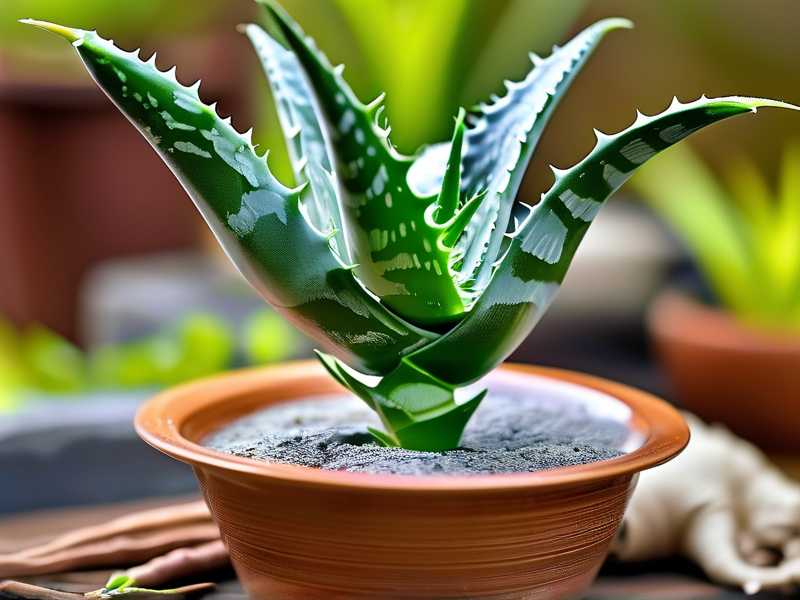
The fix: I repotted into a standard terracotta pot. Terracotta breathes. It pulls moisture away from the soil. I used a cactus and succulent mix, added about 30% extra perlite for drainage.
I gently removed the aloe from its old pot. The roots were brown, not white. Some were mushy. I trimmed away all the dead roots with clean scissors. RHS recommends keeping only healthy, firm roots. I followed that advice.
Week 1, Day 3: Where I Put the Pot
I read that AHS suggests aloe needs 6 hours of indirect sunlight daily. But in intense summer heat, direct afternoon sun is deadly. It literally cooks the leaves.
Where I placed it: East-facing windowsill. It gets direct morning sun from 7 AM to 11 AM, then bright indirect light for the rest of the day. Simple as that.
I also rotated the pot 90 degrees every morning. This prevented the plant from leaning toward the light source. Many people skip this, but I noticed a huge difference after just three days.
Week 1, Day 7: First Proper Watering
I waited a full week after repotting. The soil was completely dry. I stuck my finger two inches deep—felt nothing but dry dust. I also used a wooden chopstick, pushed it to the bottom of the pot. It came out bone dry.
Watering method: I placed the pot in my kitchen sink. I poured water slowly, directly onto the soil. Not the leaves. Never the leaves. I let the water run through the drainage hole completely. Then I let it sit for 15 minutes to drain fully. Then I put it back on the windowsill.
I watered with about 200ml of room-temperature filtered water. Not cold water. Cold water shocks the roots.
Week 2, Day 1: First Signs of Recovery
The reddish-brown tips were still there, but the mushy base felt firmer. The center leaves, the youngest ones, looked bright green again. That was my signal that the plant was coming back.
I also noticed something weird. The leaves were slightly wrinkled. That's actually a good sign. It means the plant was using its stored water. It needed a drink, but not too much.
Week 2, Day 3: I Made a Mistake
I got overconfident. I thought "Hey, my aloe looks better, maybe I should move it to my balcony for some fresh air." Big mistake. One hour of direct 2 PM sun and the edges started turning yellow.
Lesson learned the hard way: Never sudden change. I moved it back to the east windowsill immediately. The yellow edges eventually dried out, but those leaves never fully recovered. I just let them be.
Week 2, Day 7: Full Two-Week Check
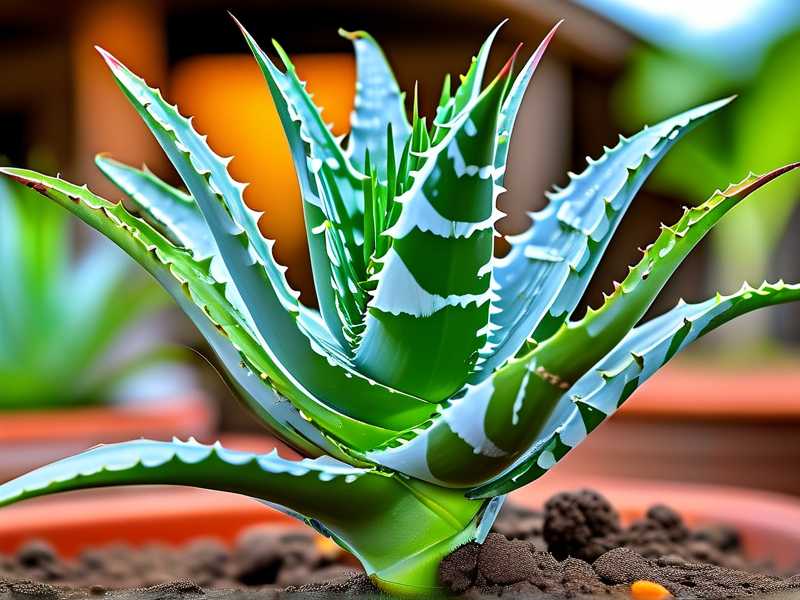
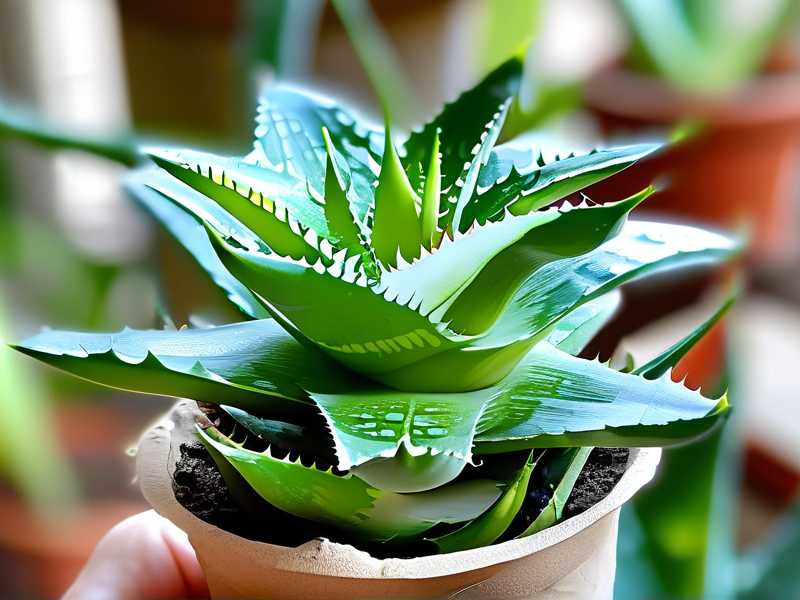
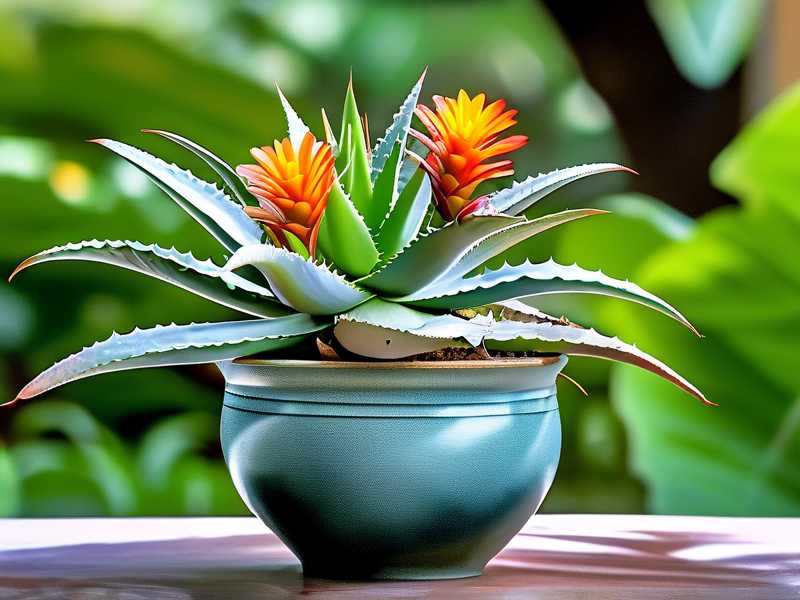
The aloe stood up straighter. No more leaning. The color was uniform light green. The leaves felt plump and firm, like a well-hydrated water balloon. I touched the soil—still dry. I held off watering for another two days.
After 14 days, I had a happy aloe. But more importantly, I had a system.
3 Deadly Mistakes Beginners Make (I Made All Three)
Mistake #1: Watering Too Often
This is the biggest killer. People think summer heat means more water. Wrong. Aloe stores water in its leaves. It evolved in deserts. It wants drought, not a flood.
What I used to do: I watered every 3-4 days because the top soil felt dry. But the bottom was still wet. Root rot started within two weeks.
What works: Water only when the soil is completely dry. I use a moisture meter now. Cost me $12 on Amazon. Best investment ever. In hot summer, that's usually every 10-14 days. But always check first.
Mistake #2: Wrong Light Exposure
Aloe wants bright light, but intense summer sun burns it. I learned this the hard way with my second aloe. I placed it in a south-facing window. Within three days, the leaves turned yellow-brown. They looked fried.
The fix: Morning sun only until 11 AM. After that, filtered light. A sheer curtain works wonders. Or just put it a foot away from a bright window. You want light, not heat.
Mistake #3: Wrong Pot
Plastic pots are a trap. They hold moisture. Ceramic pots without drainage holes are a death sentence. I know, they look pretty. But your aloe doesn't care about pretty.
My rule: Only terracotta or unglazed clay pots. They wick moisture away. They're ugly but functional. I've learned to love the look. It's the plant version of wearing practical shoes.
Common Summer Aloe Problems I Encountered
Leaves Turning Red or Brown
That's sun stress. It means the plant is getting too much direct light. I moved mine to a shadier spot. Within a week, the green came back. The red tips stayed though. Those are permanent scars.
Soft, Mushy Leaves
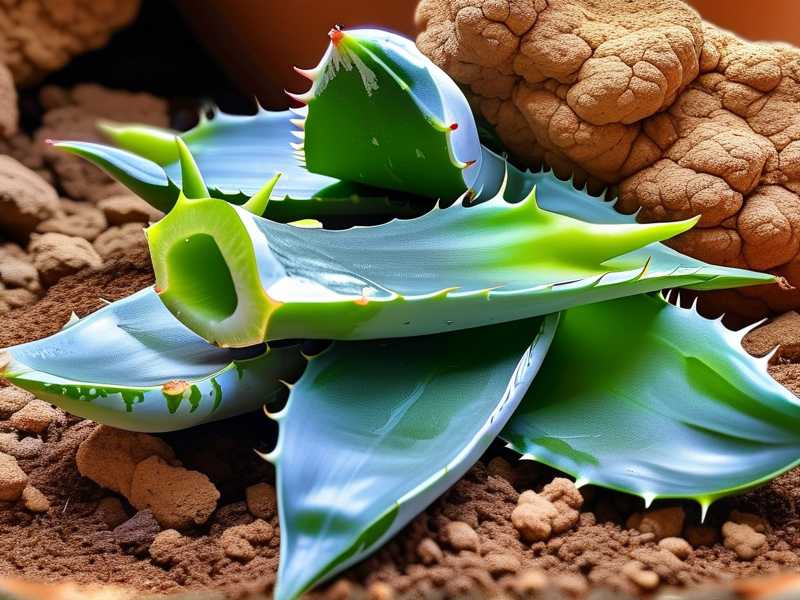
Overwatering combined with heat. The roots are rotting. I caught mine early. If the base is completely black, it's too late. I'd start with a cutting from a healthy leaf.
Tiny White Bugs on the Leaves
Mealybugs. I found them once. I dabbed a cotton swab in rubbing alcohol and wiped each bug off. Worked perfectly. Did this every morning for a week. No more bugs.
Aloe Falling Over
The roots aren't strong enough. Usually from overwatering or wrong pot size. I repotted into a wider, shallow pot. Aloe has shallow roots. Deep pots hold too much moisture.
How I Water in Summer: My Exact Method
Let me be specific. It's not just about frequency. It's about technique.
- Time of day: Morning, before 9 AM. Never evening. Water sitting overnight in warm temps invites fungus.
- Water temperature: Room temperature. Straight from the tap is fine, but I let it sit out for an hour.
- Amount: Enough to see water running out of drainage holes. That's about 200-300ml for a 6-inch pot.
- After watering: I tilt the pot to 45 degrees to let any remaining water in the saucer drain away. This step alone saved my fourth aloe.
What I Feed My Summer Aloe
Aloe doesn't need much. In fact, it prefers poor soil. I fertilize once in early summer, that's it. I use a balanced liquid fertilizer diluted to half strength. I stop completely by August. Overfeeding in heat leads to leggy growth.
RHS suggests using a fertilizer with an NPK ratio of 10-10-10 or lower. I use cactus-specific fertilizer. Works fine.
What Your Aloe Should Look Like in Summer Heat
Good signs:
- Leaves are firm and plump
- Color is even green, maybe slightly blue-green
- Center new growth is upright
- Leaves feel cool to the touch in the morning
Bad signs:
- Leaves are soft or wrinkled
- Tips are crispy brown
- Base is black or mushy
- Plant is leaning excessively
- White spots or cottony residue on leaves
FAQ: Summer Aloe Care
Q: Can I put my aloe outside in summer? Yes, but only if it's in a spot with morning sun and afternoon shade. Place it under a patio or tree. I tried full sun on my balcony. My aloe got sunburned in 45 minutes. Not worth it.
Q: How do I know if my aloe is overwatered? Smell the soil. If it smells musty, you're drowning it. Also, if leaves feel mushy near the base, you're overwatering. Let it dry out for two weeks before watering again.
Q: My aloe leaves are turning yellow. What's wrong? Probably too much direct sun or waterlogged soil. Move it to a shadier spot and stop watering for 10 days. If yellowing continues, check for root rot by gently removing the plant from the pot.
Q: Should I mist my aloe in summer? No. Never. Aloe leaves don't absorb water that way. Misting only encourages fungal growth and leaf rot. I used to do this. Big mistake. Stopped immediately.
Q: Can I save an aloe with root rot? Maybe. Remove all dead roots. Let the plant sit out of soil for 24 hours to dry. Repot in dry soil. Wait a week before watering. If the rot has reached the stem, you're better off taking a leaf cutting.
Final Thoughts from a Plant Killer Turned Plant Parent
I've killed four aloe plants. The fifth one is still alive after two summers. And honestly? The difference was patience.
Stop watering on a schedule. Stop putting it in direct afternoon sun. Stop using pretty pots with no drainage. These three changes will save your aloe.
I check my aloe every three days. I don't water until the soil is bone dry. I don't move it around. I don't fuss with it. The less I do, the better it grows.
Aloe wants neglect. In summer heat, that neglect looks like this: morning sun only, water every 10-14 days, terracotta pot, and leave it alone. That's the secret.
My aloe sits on my east windowsill. It's been there for eight months. I rotate it when I remember. I water it when I remember. And it's thriving. The leaves are thick, green, and upright.
You can do this too. Just stop killing them with kindness.