bluename
 How to Transition Aloe Care Routines from Spring Growth to Hot Summer Days
The Simple Truth About Aloe and Summer Heat
Here's the answer you need right now: watering less often but deeper, moving your aloe to bright indirect light, and switching to a terracotta pot. I learned this the hard way after killing my first three aloe plants. The transition from spring to summer is where most people wreck their succulents. I've been growing aloe for over five years now. Trust me when I say this shift matters more than you think.
Why Your Aloe Panics When Summer Hits
Spring is when your aloe grows like crazy. It pushes out new leaves and pups. Then summer comes with intense heat and direct sun. Your plant can't handle that sudden change without help. Think of it like going from a cool morning to standing in a desert at noon. Your aloe needs a ramp, not a cliff.
I remember my first summer with aloe. I left it on my south-facing windowsill. Within three days, the leaves turned brown and mushy at the tips. That's when I realized I had no clue what I was doing.
3 Deadly Mistakes Beginners Make (I Made All of Them)
Mistake 1: Overwatering Like It's Still Spring
90% of indoor plants die from overwatering. Aloe is no exception. In spring, you water maybe every 10 to 14 days. Come summer, you still think the same schedule works. It doesn't.
I used to water my aloe every Sunday like clockwork. During a heatwave, I doubled the water because I thought it was "thirsty." My aloe sat in wet soil for two weeks. The roots turned into brown mush. I literally dug the plant out and cried. That was my fourth aloe.
You need to let the soil dry completely between waterings. Stick your finger two inches deep. If it's dry, water. If it's damp, walk away.
Mistake 2: Sunburn from Wrong Light Exposure
Spring light is gentle. Summer sun is brutal. Aloe loves bright light but not direct afternoon sun for hours. I tried moving my aloe to direct sunlight thinking "more sun = more growth." Wrong.
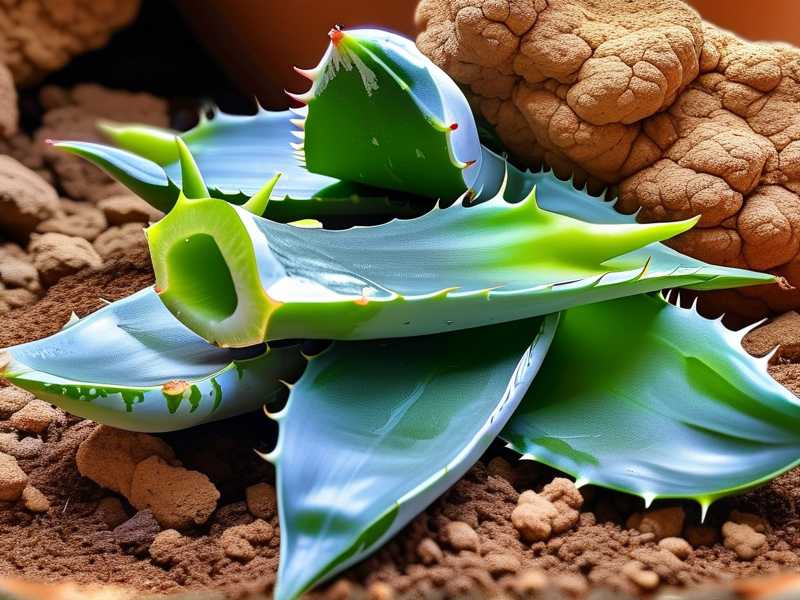
Within 48 hours, the leaves turned reddish-brown. That's sun stress. If it continues, the leaves get white patches and literally burn. The damage is permanent. Those scorched spots never turn green again.
According to the Royal Horticultural Society (RHS), aloe plants prefer bright but indirect light during intense summer heat. I now use a sheer curtain on my south window. Keeps the light bright but filters out the harsh rays.
Mistake 3: Keeping It in the Wrong Pot
My first aloe came in a glossy ceramic pot with no drainage hole. Looked pretty. Killed the plant in six weeks. Water sat at the bottom. Roots rotted.
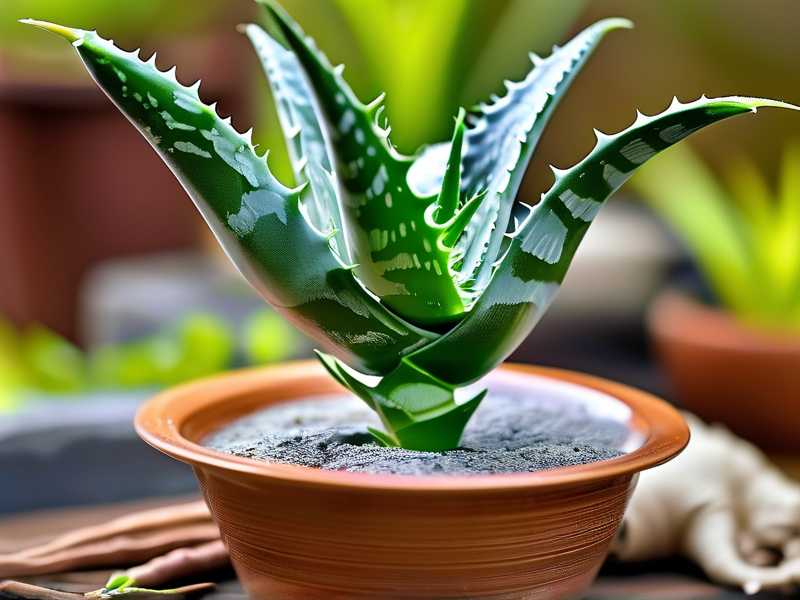
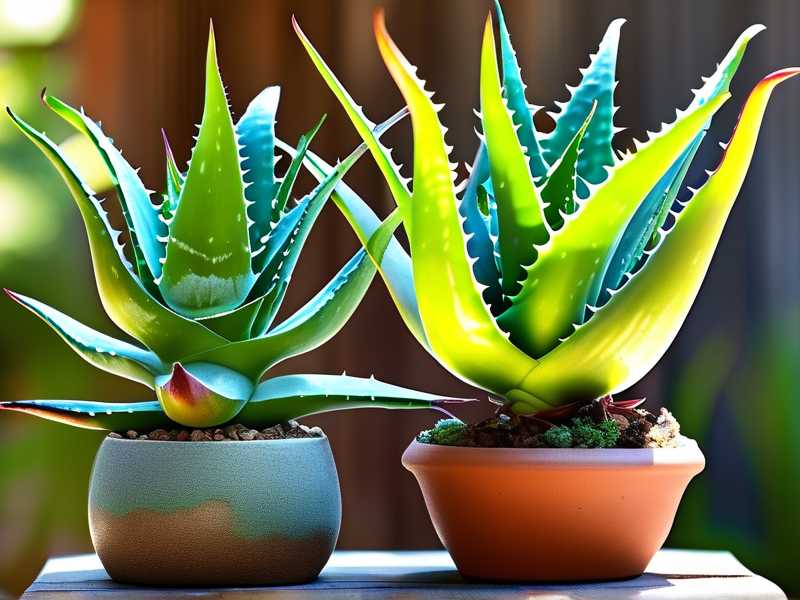
Plastic pots are another trap. They hold moisture too long in summer humidity. Terracotta is your best friend. It breathes. It absorbs excess water from the soil. It wicks moisture away from roots. The American Horticultural Society (AHS) recommends porous pots for succulents in hot climates.
I switched all my aloes to terracotta after that plastic pot disaster. I lost three plants in one summer because of bad pots.
My Step-by-Step Transition Routine (Tested Over 2 Weeks)
Week 1: The Light and Pot Check
Day 1: I moved my aloe off the south window ledge. I placed it on a table about three feet away from the window. The light is still bright but never hits the leaves directly between 11am and 3pm.
Day 2: I checked the pot. It was plastic. So I bought a terracotta pot one size up from the current one. I mixed my soil with 50% perlite and 50% cactus mix. That combo drains fast even in high humidity.
Day 3: I gently removed the aloe from its old pot. The roots were healthy but slightly cramped. I trimmed off any dead ends. I placed it in the new terracotta pot. I watered it once, just enough to settle the soil. Then I let it rest for a full week.
Week 2: Watering Reset and Observation
Day 8: The soil was bone dry. I watered deeply until water ran out the drainage hole. I waited 15 minutes and emptied the saucer. Never let aloe sit in water.
Day 10: I noticed the leaves looked plumper and more upright. The slight reddish tint from previous sun exposure started fading back to green.
Day 12: I touched the soil. Still dry an inch down. I waited.
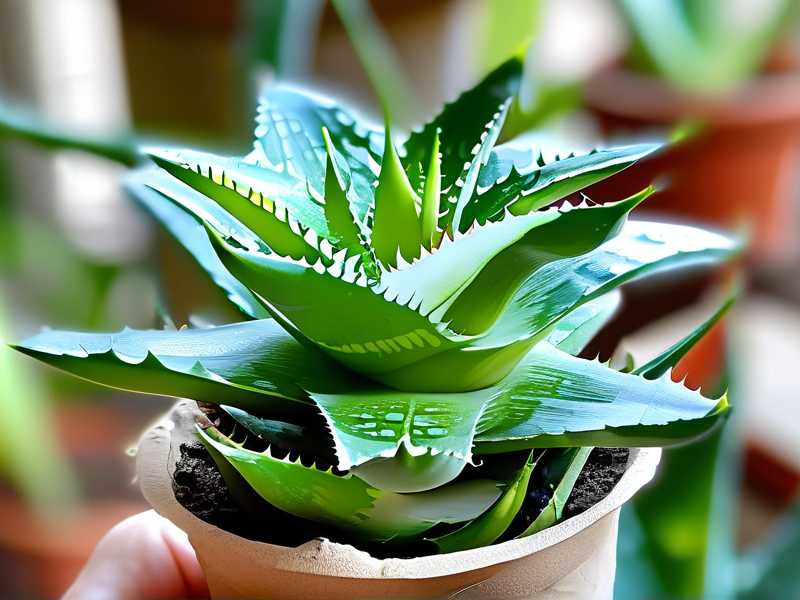
Day 14: The leaves were firm and bright green. No browning. No mushiness. The plant had adjusted perfectly.
What I Observed: The 2-Week Results
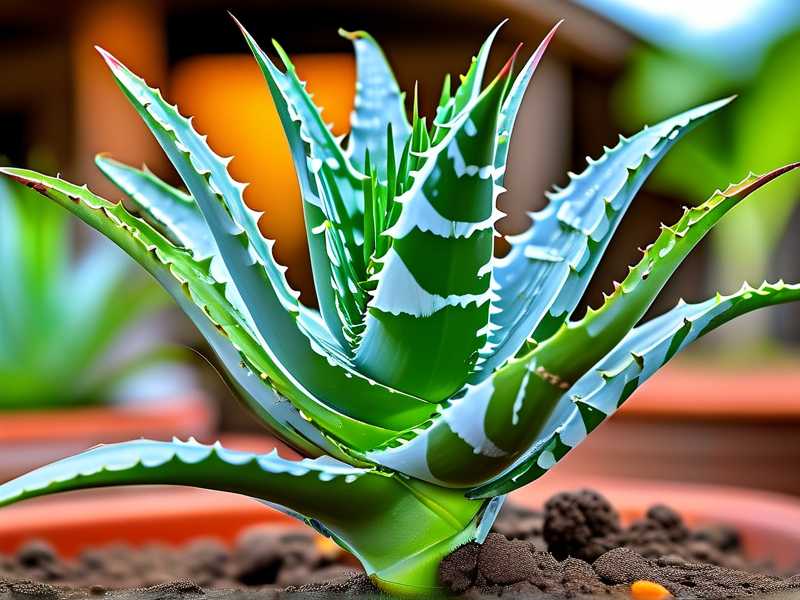
The most obvious change was color. My aloe went from slightly stressed brown-green to rich vibrant green. The leaves felt firmer when I squeezed them gently. A healthy aloe leaf should spring back, not flop or feel hollow.
New growth appeared at the center. It wasn't as explosive as spring growth, but steady and tighter. That's normal for summer. The plant is conserving energy.
Root health improved too. When I repotted, roots were pale and thin. After two weeks in terracotta with controlled watering, they thickened and whitened. Healthy roots mean happy leaves.
The Real Pits I Fell Into (And How You Can Avoid Them)
Pit 1: I Preached "Weekly Watering" and Ruined a Plant
I followed a generic guide that said "water succulents weekly in summer." My aloe hated me. The soil stayed wet because summer heat made me overcompensate. I now use a moisture meter. Cost me ten dollars. Saved my plants.
Fix: Ditch the calendar. Use your finger or a wooden skewer. Only water when the soil is fully dry.
Pit 2: I Thought "More Sun Makes It Grow Faster"
I put my aloe on a rooftop during a June heatwave. The leaves got sunburned in three hours. The white patches never healed. I had to wait for new leaves to grow from the center.
Fix: Use a light meter app on your phone. It's free. Aim for 10,000 to 20,000 lux. That's bright but indirect. If the app shows higher, move the plant back.
Pit 3: I Ignored the Pot Material When Repotting
I bought a cute blue glazed pot without drainage holes. Drilled holes myself but the glaze still trapped moisture. My aloe struggled for weeks before I switched to unglazed terracotta.
Fix: Always use terracotta. Don't paint or seal it. The natural clay does the breathing work.
Watering Schedule: Spring vs Summer
Spring: Every 10 to 14 days. Water deeply. Let soil dry between.
Summer: Every 20 to 30 days. Yes, less frequent. The heat makes the plant go semi-dormant. It doesn't drink much. I water mine every three weeks in July. Anything more leads to rot.
Check this: If your aloe's leaves start wrinkling or thinning, that's dehydration. Water it then. If leaves are pale and puffy, you're overwatering.
Soil Mix That Saves Lives (Mine Included)
I once used regular potting soil. It turned into concrete when dry. My aloe suffocated.
Now I mix:
- 60% cactus or succulent mix
- 40% perlite or pumice
- A handful of coarse sand (optional)
This drains in seconds. Even after a heavy rainstorm indoors from my watering can, the soil dries within three days.
Pot Size Matters More Than You Think
Aloe likes being root-bound. It's weird but true. A pot that's too big holds extra wet soil. The roots rot before they can reach out.
I use a pot that's only one inch wider than the root ball. No more. My largest aloe sits in a six-inch pot. It's three years old and thriving.
Summer Pests: What I Found and How I Fixed It
Aloe rarely gets pests, but summer brings fungus gnats. They love wet soil. I had them last July. Small black flies hovering around the pot. Annoying.
Fix: Water less. Let the top two inches dry out. I also added a layer of fine sand on top of the soil. The gnats couldn't lay eggs in it. Gone in a week.
Signs Your Aloe Is Happy in Summer
- Leaves are thick and firm, not limp
- Color is bright green, not reddish or brown
- New leaves appear from the center
- No yellowing or browning at leaf tips
- Soil dries within 4 to 5 days after watering
If you see these signs, you're doing it right.
Common Questions I Get from Fellow Plant Lovers
FAQ 1: Should I fertilize my aloe in summer?
Honestly, I never fertilize from June through August. The plant's metabolism slows down in heat. Fertilizer can burn the roots if the soil is warm. I stop all feeding in summer. My aloe still pushes out new leaves without it. If you really want to, dilute to half strength and use a cactus-specific fertilizer. But honestly, skip it.
FAQ 2: My aloe leaves turned red after I moved it to a bright window. What's wrong?
That's sun stress. The plant produces protective pigments. It's not dying, but it's unhappy. I've seen this happen to a dozen of my plants. Move it to a spot with indirect light. The green color will return within two weeks. Those red leaves won't turn green, but new growth will be normal.
FAQ 3: Can I keep my aloe outside in summer?
Yes, if you do it right. I tried putting mine on a balcony once. Direct morning sun was fine. Afternoon sun burned it to a crisp. Now if I move it outside, I choose a spot with morning sun and afternoon shade. Bring it in before night temperatures drop below 60°F. Most importantly, don't leave it in rain. I learned that after a storm flooded my pot and rotted the roots.
Final Real Talk from Someone Who Killed Aloes
Transitioning your aloe from spring to summer doesn't need to be complicated. I made every mistake listed here. I killed five aloe plants before I got it right.
The basics are simple:
- Water less, not more
- Move to indirect light
- Use a terracotta pot
Your aloe will thank you with firm green leaves and steady growth. It won't grow fast in summer. That's normal. Don't panic.
If you follow these steps for two weeks, you'll see the results I did. Your plant will look healthier, feel stronger, and survive the heat without drama.
Aloe is forgiving. It wants to live. You just need to give it the right tools. I've got my system down now. My aloe has been thriving for three summers straight. You can get there too. Just slow down and watch your plant. It will tell you what it needs.