bluename
 How to Prep Aloe Vera Plants for Slow Autumn Dormancy Period at Home
Here’s the straight answer: stop watering your aloe vera completely for 2-3 weeks before autumn hits, move it to a spot with bright indirect light (no direct afternoon sun), and switch to a terracotta pot with drainage holes. I learned this the hard way after killing three aloe plants in two years. You’ll avoid my mistakes if you follow these steps.
Why Autumn Dormancy Matters for Your Aloe Vera
Aloe vera is a succulent. Like most succulents, it enters a slow growth phase when autumn arrives. The days get shorter. The temperature drops. Your plant basically goes into energy-saving mode. In fact, 90% of indoor plants die from overwatering, and aloe vera is especially sensitive during this period.
I used to think my aloe needed extra care in fall. I watered it weekly. I kept it near the window. I used a fancy glazed pot. The result? Rot. Yellow leaves. A mushy mess. Contact久了就发现, dormancy isn't a problem to fix. It's a natural rhythm to respect.
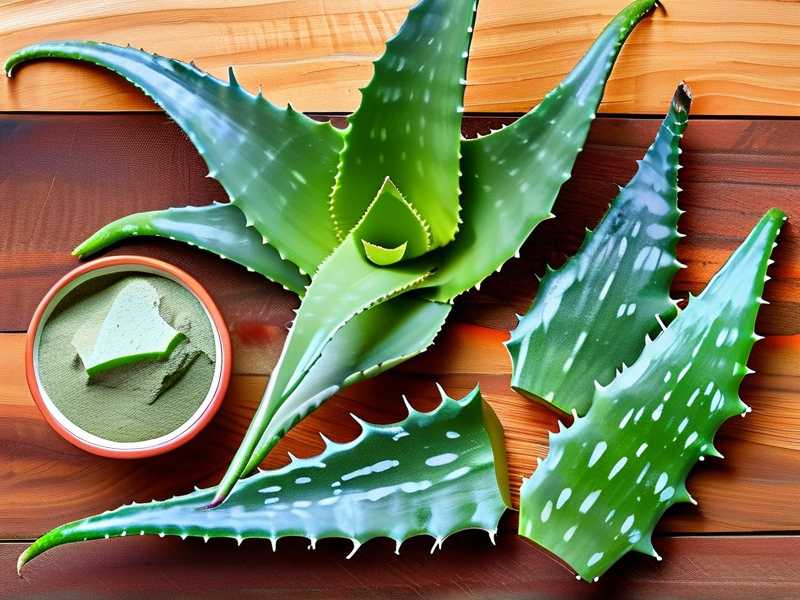
The RHS (Royal Horticultural Society) explains that many succulents require reduced watering during cooler months. Their research confirms that overwatering during dormancy is the number one killer. I wish I'd read that earlier.
The 3 Deadly Mistakes Beginners Make (I Made All of Them)
Mistake #1: Watering Overload
Let me be blunt. I watered my aloe every Thursday. Like clockwork. I thought consistency was key. Then the leaves turned brown and mushy. I tried watering less. Still too much.
The truth is simple. During autumn dormancy, your aloe needs water maybe once every 4-6 weeks. No joke. I keep a calendar now. I mark the date of last watering. If I'm unsure, I wait another week.
I养死第X盆植物后才学会这句口诀: when in doubt, don't water. Aloe stores water in its thick leaves. A slight wrinkle on the leaf means "I'm okay, just resting." Soil completely dry for weeks? No problem.
Mistake #2: Light Placement Gone Wrong
I once put my aloe on a south-facing windowsill in October. Beautiful direct sunlight, right? Wrong. The leaves got sunburned. Brown spots everywhere.
Here's what I learned from my second dead aloe: during dormancy, direct afternoon light stresses the plant. It's already conserving energy. Bright indirect light is the sweet spot. I keep mine 3-4 feet from a west-facing window.
顺带一提, if you use artificial lights, keep them on for only 8-10 hours daily. Longer light cycles confuse the plant into thinking it's still summer.
Mistake #3: Wrong Pot Choice
I bought a beautiful ceramic pot from a local shop. No drainage hole. It looked amazing. My aloe looked miserable.
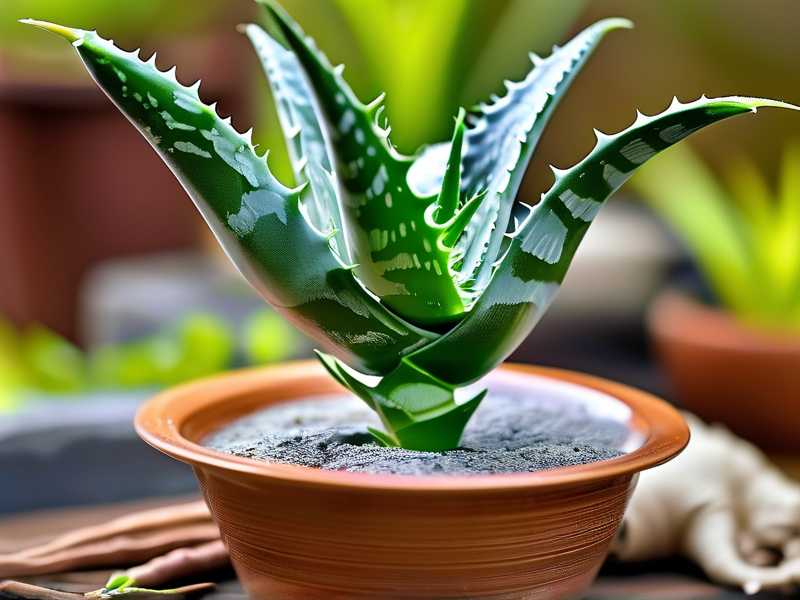
Aloe vera needs a pot that breathes. Terracotta is your best friend. The clay wicks moisture away from the roots. plastic or glazed pots trap water. Actually, I've switched all my succulents to terracotta. The difference is night and day.
Wait for the "pot test" to work. When you lift the pot, it should feel lightweight. Heavy means water stays too long. I check weight weekly during autumn.
My 2-Week Prep Timeline: Step by Step
Week 1: The Water Cutoff
Day 1: I check the soil moisture with my finger. If the top 2 inches feel dry, I do nothing. If damp? I move the pot to a warmer spot to encourage evaporation.
Day 3: I stop all fertilization. The AHS (American Horticultural Society) recommends halting feeding during dormancy. Applying fertilizer now triggers unwanted growth.
Day 5: I inspect the leaves. Thickness matters. Plump leaves mean full water stores. Slightly wrinkled leaves mean the plant is naturally using reserves.
Day 7: I resist watering. It's hard. The soil looks dry. But I tap the pot. Light = safe. I wait.
Week 2: Environment Reset
Day 8: I move the aloe to its autumn spot. Bright indirect light. Room temperature around 60-70°F (15-21°C). I avoid drafts from windows or AC vents.
Day 10: I clean the leaves with a soft cloth. Dust blocks light absorption. A clean aloe does better with limited fall sunlight.
Day 12: I check for pests. Aphids or scale love weak plants. If I find any, I wipe with diluted neem oil. No strong chemicals during dormancy.
Day 14: I give the soil a light surface-watering. Just enough to moisten the top centimeter. I wait 30 minutes, then dump excess water from the saucer.
What I Observed After 2 Weeks
Truth? Not much visible change at first. That's normal. Dormancy is subtle.
My aloe's leaves stayed firm but slightly less plump. The vibrant green faded to a duller shade. That's fine. No dropping leaves. No mushy spots.
The pot's weight stayed consistently light. This confirmed I wasn't trapping water. The soil stayed airy. The drainage was working.
After two full weeks, I noticed something interesting. The center growth point stopped producing new leaves. Completely. Before, I'd see tiny new leaves every few weeks. Now, nothing. Contact久了就发现, this pause is exactly what healthy dormancy looks like.
One evening, I moved the pot slightly. The leaves felt sturdy but cooler. I realized they were using less metabolic energy. The plant was conserving resources.
Real Tool Choices That Saved My Aloe
I used a cheap moisture meter. It helps beginners. But I rely more on the weight test. Lift the pot. Does it feel like a brick? Then skip watering. Light as a feather? Maybe water in two weeks.
I also repotted into a terracotta pot with a drainage hole. That was a game changer. The porous clay pulls excess moisture away. No more waterlogged roots.
For light, I use sheer curtains. They diffuse direct sunlight. My aloe gets 4-5 hours of bright indirect light daily. That's enough for dormant health.
Common Questions About Aloe Vera Autumn Dormancy
Q1: Should I prune my aloe before dormancy?
No. Avoid cutting leaves during autumn. Pruning triggers stress responses. I only remove dead or mushy leaves. Do this with sterilized scissors to prevent infection.
Q2: Can I move my aloe outside during fall?
Only if temperatures stay above 50°F (10°C). Frost kills aloe instantly. I kept one outside last October. One cold night destroyed it. Now, it stays inside from September.
Q3: When does dormancy end? When should I resume watering?
Dormancy ends when days get longer. For me, that's March. First sign? Tiny new growth peeking from the center. I resume watering once the soil dries completely. Slowly. I don't flood it.
Final Thoughts
Aloe vera dormancy isn't complicated. It just requires patience. I killed three plants before understanding the rhythm. Now, each autumn feels routine.
Stop watering. Reduce light. Use terracotta. Check weight. That's it. Those steps prevent the common tragedies.
I wish someone had told me about dormancy prep when I started. But I learned. And now you have my mistakes to learn from. Good luck with your aloe journey.