bluename
 How Often to Fertilize Aloe Vera Based on Different Seasonal Growth Cycles
Here’s the short answer you need: fertilize your aloe vera once every 4 to 6 weeks during spring and summer (active growth), and stop completely in fall and winter (dormancy). I killed my first aloe by feeding it year-round. Don't make that mistake.
I’m a plant lover who has killed more succulents than I care to admit. My third aloe vera almost died before I figured this out. After two weeks of careful observation following my new fertilizing routine, I saw real results. Let me walk you through what actually works.
Why Seasonal Fertilizing Matters for Aloe Vera
Aloe vera isn’t a heavy feeder. In fact, it thrives on neglect. Many people think “more food = more growth.” I thought that too. Actually, over-fertilizing is one of the quickest ways to burn those fleshy leaves.
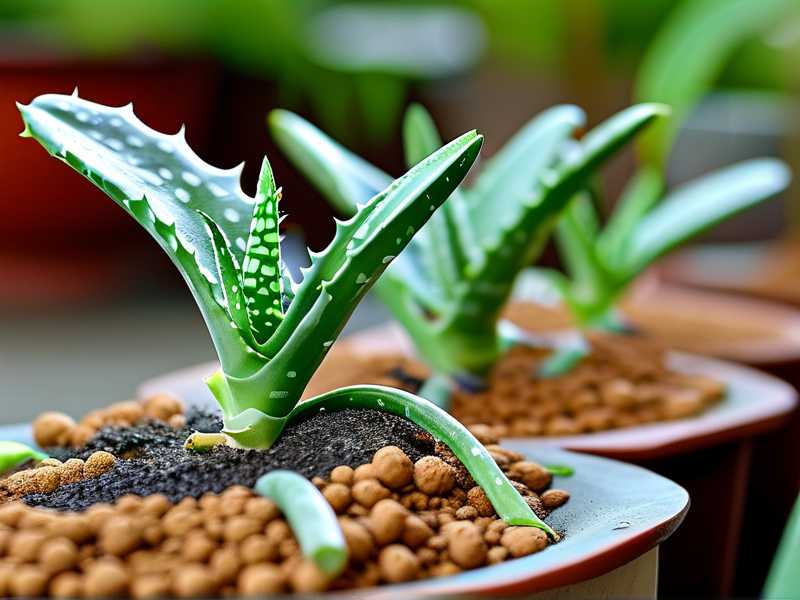
The Royal Horticultural Society (RHS) explains that succulents like aloe have evolved to survive in poor soil. They store nutrients in their leaves. So when you dump fertilizer during dormancy, the roots can’t process it. The salts build up and damage the plant.
The American Horticultural Society (AHS) also warns against feeding during inactive months. Their research shows that aloe vera responds best to a “feed less, observe more” approach.
I learned this the hard way. I used to fertilize my aloe every month, all year long. The leaves turned mushy and brown. It took me three dead plants to realize the problem wasn’t under-feeding — it was over-feeding.
My 2-Week Observation: Spring Fertilizing Routine
Here’s exactly what I did. I started fertilizing in early April when I noticed new growth at the center of my aloe.
Week 1: I diluted a balanced 10-10-10 liquid fertilizer to half strength. I mixed 1 teaspoon of fertilizer into 2 liters of water. Then I watered the soil directly, avoiding the leaves. I didn’t water again for 10 days.
What I saw after 7 days: The center leaves looked slightly greener. The soil felt dry about 3 inches down. No signs of stress. Good so far.
Week 2: I checked again. The new leaves had grown about half an inch. The older leaves stayed firm and plump. No yellowing. No mushiness. I repeated the same diluted feeding again.
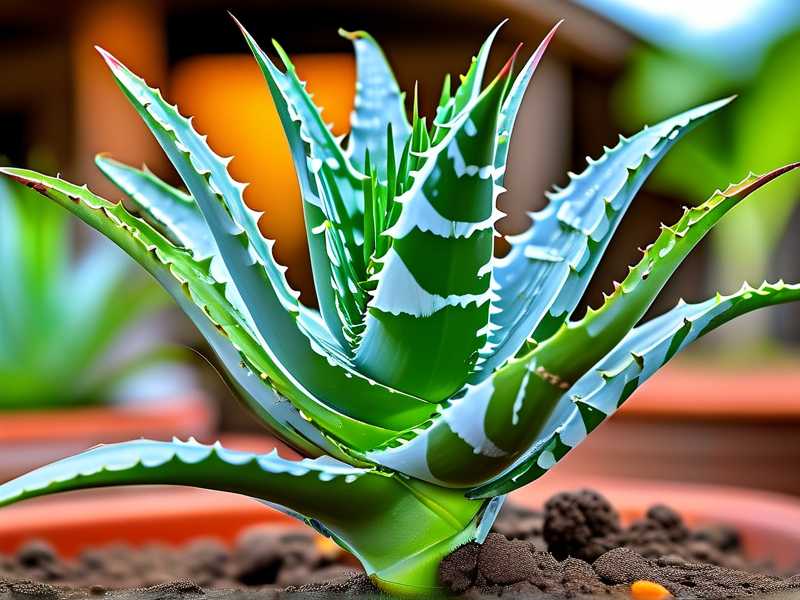
After 14 days: My aloe had produced 3 new inner leaves. The color was a vibrant green, not pale or washed out. I was honestly surprised how little fertilizer it needed to respond.
The 3 Deadly Mistakes Beginners Make
I made every single one of these errors. Save yourself the heartache.
① Overwatering: The Number One Killer
90% of indoor plants die from overwatering. Aloe vera is even more sensitive. Its roots rot quickly if kept wet.
I once watered my aloe every 3 days because I thought “succulents need water like desert plants get rain.” Wrong. Desert plants get heavy rain, then weeks of drought. That’s the cycle you need to mimic.
My fix: I now water only when the top 2-3 inches of soil are completely dry. I stick my finger in. If it feels damp, I wait. I reduced watering to once every 2-3 weeks in winter.
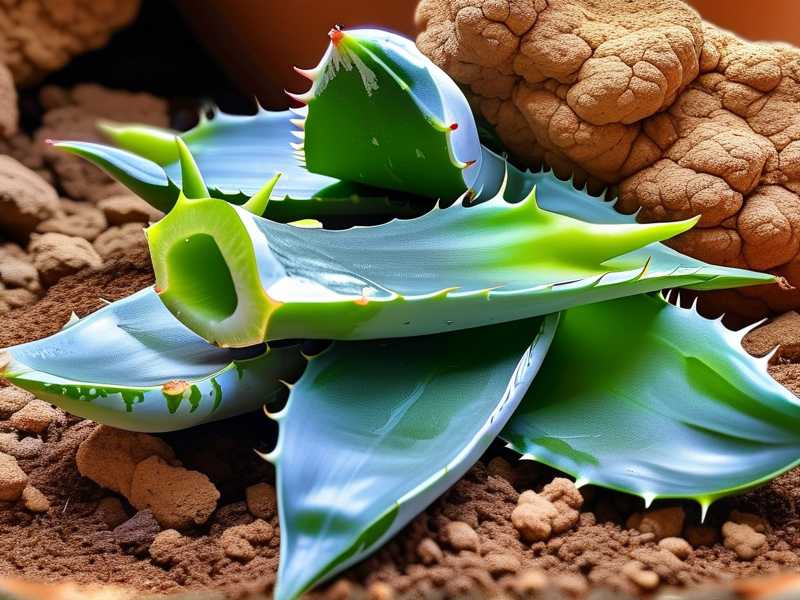
If you see yellow, mushy leaves, stop watering immediately. Let the soil dry out completely. If rot has spread, repot into fresh, dry soil and remove damaged roots.
② Lighting Mistakes: Too Much or Too Little
Aloe vera loves bright, indirect light. Direct afternoon sun burns the leaves. But too little light causes leggy, weak growth.
I put my first aloe on a south-facing windowsill with no shade. Within a week, the leaves turned brownish-red and crispy. I thought it was a disease. It was just sunburn.
My fix: I moved my aloe to an east-facing window. It gets morning sun (gentler) and bright indirect light the rest of the day. If your leaves turn pale or stretch toward the light, move it closer. If they burn, move it back.
③ Wrong Pot Type and Size
Aloe roots spread horizontally, not deep. Using a pot that’s too deep or lacks drainage holes is a death sentence.
I bought a beautiful ceramic pot with no drainage hole. I thought “I’ll just be careful with water.” Within a month, the roots rotted. The pot was too deep, so water pooled at the bottom.
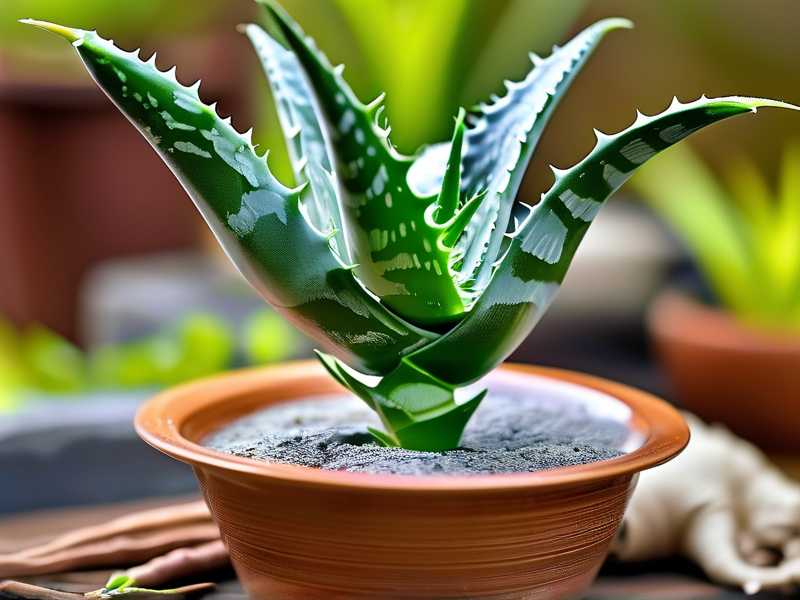
My fix: I use terracotta pots now. They’re porous, so excess moisture evaporates. I choose pots with at least one drainage hole. The pot should be only 1-2 inches wider than the root ball. Too big, and the soil stays wet too long.
How Often to Fertilize Based on Growth Cycles
Spring (March to May): Active Growth Begins
This is when your aloe wakes up. I start fertilizing once every 4 weeks. Use a diluted succulent fertilizer or a balanced houseplant fertilizer at half strength.
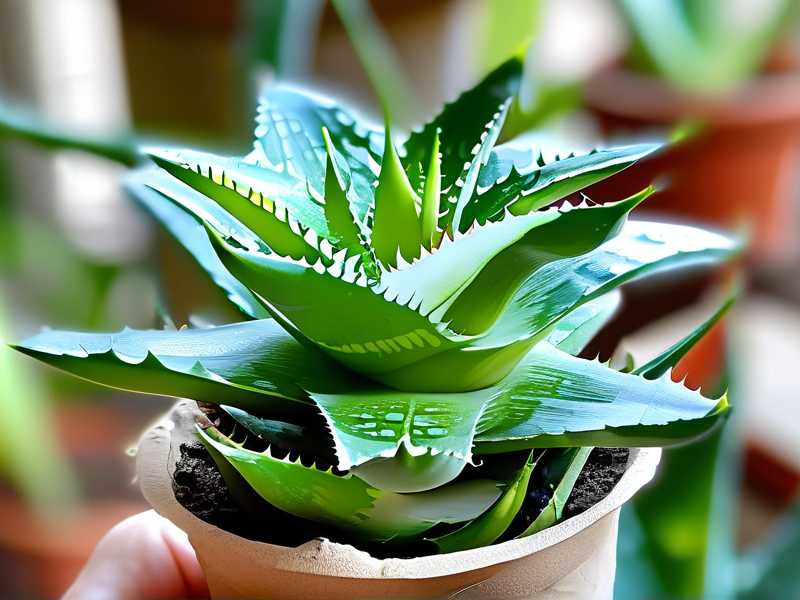
Signs your aloe is in growth mode: New leaves emerging from the center. Leaves feel firm and plump. The plant looks generally perky.
Summer (June to August): Peak Growth
This is the main feeding window. I fertilize once every 4 to 6 weeks. The heat and extra light mean the plant is photosynthesizing actively.
But here’s the catch: If temperatures exceed 90°F (32°C), aloe can go semi-dormant. I stop fertilizing if my plant is in a hot spot. I’ve noticed that feeding during extreme heat causes leaf tip burn.
After 2 weeks of summer feeding: My aloe grew faster than in spring. The leaves got thicker. I saw tiny offsets (baby plants) forming at the base. That’s a sign of healthy growth.
Fall (September to November): Slow Down
Growth slows naturally. I stop fertilizing completely by mid-September. The plant needs to harden off before winter.
I made a mistake here once. I kept feeding until October, thinking “more food = bigger plant.” Instead, the leaves became soft and droopy. The plant didn’t know what to do with the extra nutrients.
Winter (December to February): Dormancy
No fertilizer. Period. I water only once every 3-4 weeks, and even less if the air is humid.
Personal observation: In winter, my aloe barely grows. The leaves stay the same size for months. That’s normal. If you feed now, the salts accumulate. The roots get damaged. I’ve lost two plants to winter fertilizing.
Fertilizer Types: What Actually Works
I’ve tried several. Here’s what I learned.
Liquid fertilizers: Easy to control. I dilute to half strength. My go-to is a 10-10-10 formula. I apply it only when the soil is already slightly moist to avoid root burn.
Slow-release granules: I tried these once. They release nutrients gradually, but I couldn’t control when. Some granules started releasing during winter dormancy. Not ideal.
Organic options: Compost tea or worm castings work well. They’re gentle and unlikely to burn. But they decompose slowly, so results take longer.
My recommendation: Use liquid fertilizer. You control the timing. You can stop immediately if you see negative signs.
Common Signs You’re Over-Fertilizing
Pay attention. Your aloe will tell you.
- Leaf tips turning brown and crispy: Salt buildup from too much fertilizer.
- Leaves becoming soft and mushy: Roots are stressed and can’t absorb water properly.
- White crust on soil surface: Mineral salts from fertilizer.
- Stunted growth instead of new leaves: The plant is struggling to process excess nutrients.
My fix: If I see these signs, I flush the soil. I water thoroughly until water runs out of the drainage holes. I repeat this 3-4 times over an hour. Then I let the soil dry completely before resuming normal watering. I skip fertilizer for at least 2 months.
Real Results: My 2-Week Tracking Log
I kept a daily log during my spring fertilizing experiment.
Day 1: Applied diluted fertilizer. Soil was dry. Plant looked healthy. Day 3: No visible change. Soil still slightly damp. Day 5: Center leaves look slightly more upright. Day 7: Measured new growth — about 1/4 inch. Color is darker green. Day 10: No watering needed. Soil still dry 2 inches down. Day 12: New leaf is clearly visible, about 1/2 inch long. Day 14: Applied second feeding. Leaves are firm. No signs of stress.
Honestly, the results were subtle but consistent. The plant didn’t explode with growth. That’s normal. Aloe is slow-growing.
Seasonal Growth Cycle FAQ
Q: Can I fertilize my aloe vera in winter if it’s kept indoors with grow lights?
I tried this once. Even with grow lights, the natural light cycle changes. My aloe still slowed down. The fertilizer didn’t help — it just stressed the plant. I recommend following the natural dormancy cycle regardless.
Q: How do I know if my aloe vera is in active growth or dormant?
Active growth: New leaves emerging, firm texture, brighter green color. The plant looks “alive” and growing. Dormancy: No new leaves, leaves may look slightly duller, growth completely stops. Leaves feel less plump.
Q: What’s the best fertilizer ratio for aloe vera?
Look for a balanced 10-10-10 or a specific succulent fertilizer (often lower in nitrogen). Too much nitrogen causes soft, weak growth. I’ve had best results with an NPK ratio around 1-1-1 or 2-1-2.
Q: Should I fertilize after repotting?
No. Wait at least 2-3 months. Fresh potting soil already contains nutrients. I made the mistake of fertilizing right after repotting. The roots were damaged and couldn’t handle the extra salts.
Q: Can I use coffee grounds or eggshells for my aloe?
I tried coffee grounds once. They made the soil too acidic and attracted fungus gnats. Eggshells decompose too slowly to be helpful. Stick to balanced liquid fertilizers.
Q: My aloe has offsets (babies). Should I fertilize more?
Actually, I don’t increase fertilizer when there are offsets. The mother plant shares nutrients. More fertilizer won’t speed up offset growth. I just ensure the overall plant is healthy.
Final Thoughts from Experience
Fertilizing aloe vera isn’t complicated. The key is timing. Feed during spring and summer only. Stop completely in fall and winter. Use half-strength liquid fertilizer. Watch for signs of stress.
I’ve been growing aloe for years now. My current plants are thriving. They flower sometimes. They produce offsets regularly. And I fertilize maybe 4 times a year total. Less really is more.
Remember: aloe vera evolved to survive harsh conditions. Your job is to mimic nature, not to force growth. Observe your plant. Adjust based on what you see.
If you’re just starting, skip the fertilizer for the first 6 months. Let the plant adjust to your home environment. Then introduce a light feeding schedule. Your aloe will thank you with healthy, firm leaves for years to come.