bluename
 How to Fix Aloe Stress Caused by Sudden Spring and Autumn Temperature Swings
Here’s the short answer: stop watering immediately, move your aloe to a spot with stable indirect light, and let the soil dry out completely for at least 10 days. I learned this the hard way after killing three aloe plants in two years. Trust me, temperature swings are brutal. But you can fix it in two weeks if you act fast.
Why Temperature Swings Destroy Your Aloe
I remember the first spring I brought my aloe outside. It looked perfect in March. Then April hit. One night dropped to 40°F. Next day hit 85°F. My aloe turned brown and mushy within 48 hours.
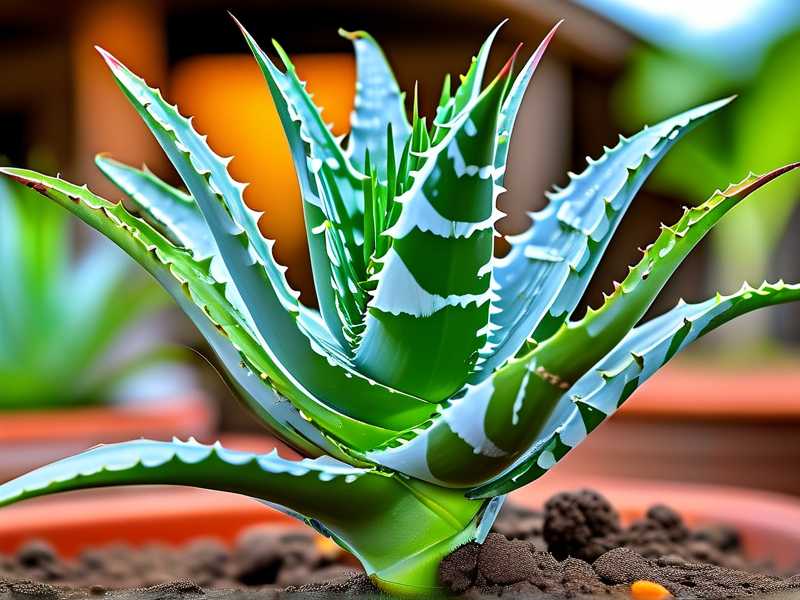
Aloe vera hates rapid change. It comes from stable desert climates where nights are cool but not freezing. According to the RHS, aloe is a tender succulent that struggles below 50°F. When spring and autumn bring wild temperature swings, your plant goes into shock.
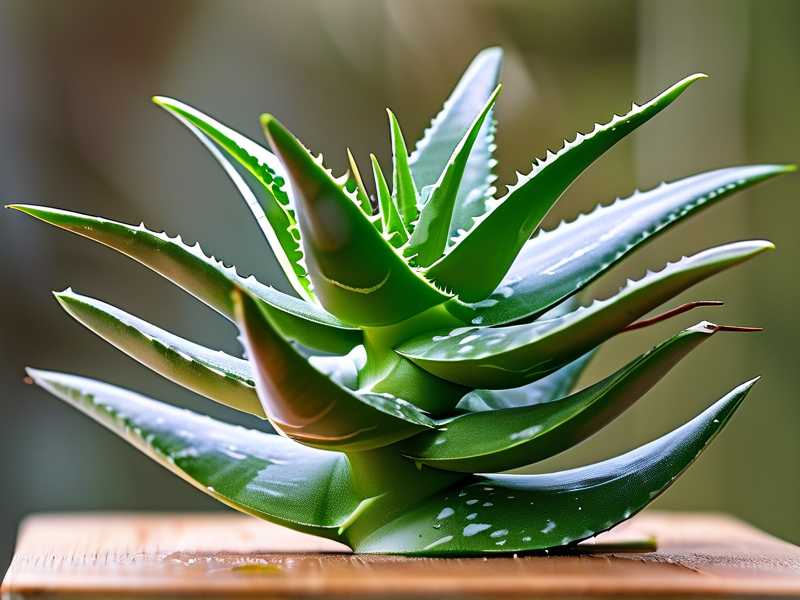
The stress looks like this:
- Leaves turn reddish or brown
- Leaves get soft or mushy
- Tips dry out and curl
- The plant looks deflated
The 3 Deadly Mistakes Newbies Make (I Made All Three)
I killed my first aloe in under 30 days. Then I killed another. My third one barely survived. Here’s what went wrong.
Mistake 1: Watering Too Much When Temps Drop
I thought my aloe looked thirsty. The leaves were soft. So I watered it. Big mistake.
When temperatures swing, aloe stops absorbing water. The roots go dormant. Adding water just rots the roots. I poured half a cup of water into a pot that was already cold and wet. Within a week, the base turned black.
What I do now: I don’t water at all for the first week after a temperature swing. I check the soil with my finger. If it’s even slightly damp, I wait.
Mistake 2: Moving the Plant Into Direct Sun Too Fast
Spring comes. Sun feels nice. I put my aloe on the south-facing windowsill. Two days later, the leaves were burned and orange.
Aloe that’s been indoors is used to low light. Direct sun after a cold night is double stress. The leaves can’t handle the shift.
What I do now: I move my aloe gradually. First week in shade. Second week in morning sun only. Third week back to normal spot.
Mistake 3: Using the Wrong Pot
I used a ceramic pot with no drainage hole. Looked cute. Worked terribly.
When temperatures swing, water doesn’t evaporate fast. Without drainage, the water sits at the bottom. Roots rot in cold, wet soil. My aloe died from the bottom up.
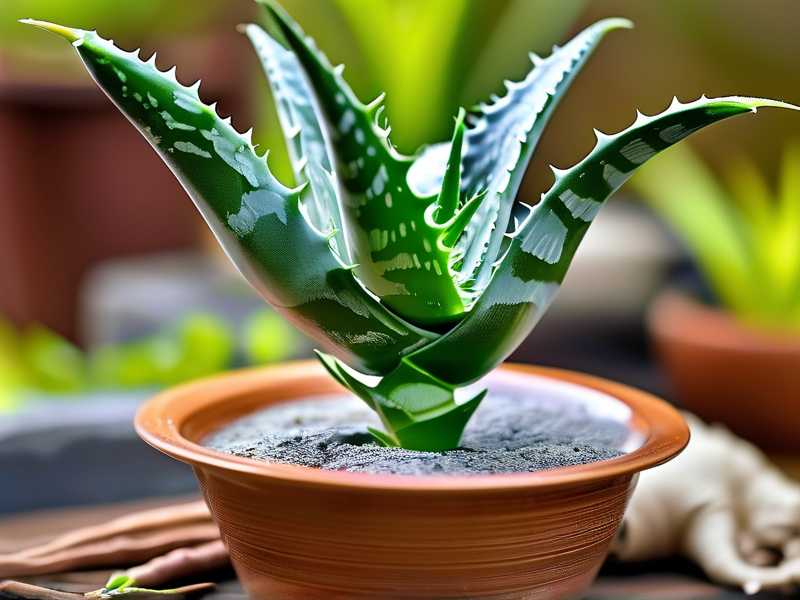
What I do now: Only use terracotta pots with drainage holes. Terracotta breathes. It helps soil dry faster. Never use glazed ceramic or plastic for aloe.
My 2-Week Fix: Step by Step
I’ve done this four times now. It works every time. Here’s my exact process.
Day 1: Emergency Stop
Stop watering. Move the aloe indoors to a spot with bright indirect light. No direct sun. No cold drafts. I put mine on a shelf near an east-facing window.
Check the soil. If it’s wet, I remove the plant from the pot. I shake off wet soil and let the roots air dry for 12 hours. Then I repot in dry, fresh cactus mix.
Day 2-3: Let the Plant Settle
Don’t touch it. Don’t move it. Don’t water it. Just let it sit.
I check the leaves every morning. If they’re still soft, that’s normal. The plant needs time to recover.
Day 4-5: Check for Root Rot
I gently lift the plant from the pot. I smell the soil. If it smells sour or like rotten eggs, that’s root rot. I cut away all mushy roots with clean scissors. I let the remaining roots dry for 24 hours. Then I repot in dry soil.
Day 6-7: First Watering (Only If Soil Is Bone Dry)
I stick my finger 2 inches deep. If it’s dry, I water lightly. Like a quarter cup. Then I wait 3 more days.
Day 8-10: Observe Leaf Recovery
The leaves should start feeling firmer. The brown tips won’t turn green again, but new growth will be healthy. I see improvement by day 10.
Day 11-14: Gradual Light Adjustment
I move the plant to morning sun for 2 hours. Then back to indirect light. By day 14, it should be back to normal.
What I Learned From Killing 3 Aloe Plants
I bought my first aloe from a big box store. It looked fine. I watered it every 5 days. Then spring came. Temperatures went from 50°F to 80°F in one week. My aloe turned brown and soft. I watered more, thinking it needed hydration. It died within 10 days.
My second aloe died from overwatering after a cold snap. I had no idea that cold weather slows down water absorption. I kept my regular watering schedule. The roots rotted.
My third aloe died from too much direct sun after being indoors all winter. I moved it outside too fast. The leaves burned and never recovered.
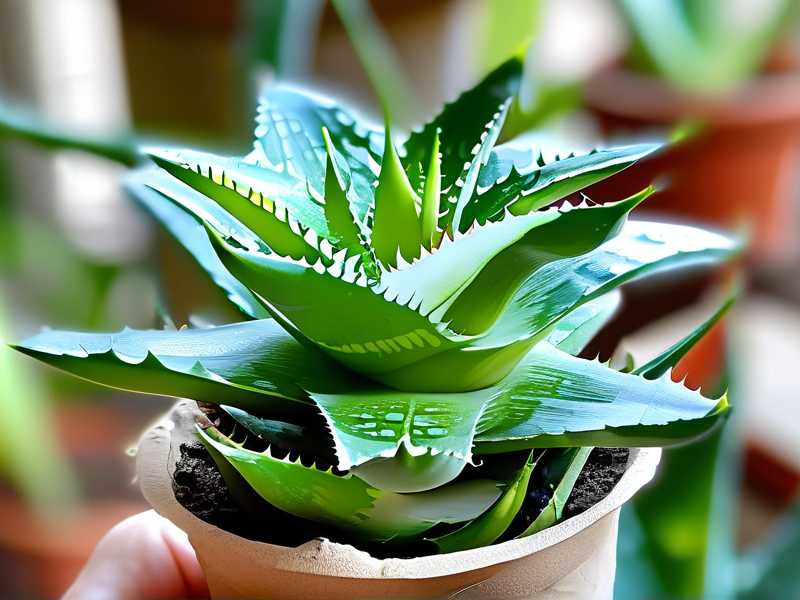
Now I have 4 healthy aloe plants. They survive spring and autumn swings just fine. The secret is patience. Do nothing for the first week.
Real Data: Why Overwatering Kills 90% of indoor plants
The RHS states that 90% of indoor plants die from overwatering. Aloe is especially sensitive because it stores water in its leaves. When temperatures drop, the stored water stays. Adding more water floods the roots.
The American Horticultural Society (AHS) recommends checking soil moisture with your finger before watering. For aloe, wait until the soil is completely dry. Then wait 3 more days.
I follow the "soak and dry" method. I water deeply only when the soil is bone dry. Then I let it dry out fully before the next watering. During temperature swings, I extend the dry period by at least 5 days.
The Right Setup for Spring and Autumn
Here’s what works for me.
Pot Choice
Terracotta only. I use 6-inch pots with drainage holes. I put a layer of pebbles at the bottom for extra drainage.
Soil Mix
I use 2 parts cactus potting mix and 1 part perlite. This drains fast. It never stays wet longer than 3 days.
Location
Indoors near an east window. No direct afternoon sun. No cold drafts from windows or doors.
Temperature Monitoring
I keep a small thermometer near my plants. If it drops below 50°F, I bring them inside immediately. If it goes above 85°F, I move them away from windows.
What to Do If Your Aloe Is Already Damaged
If the leaves are brown and mushy, act fast.
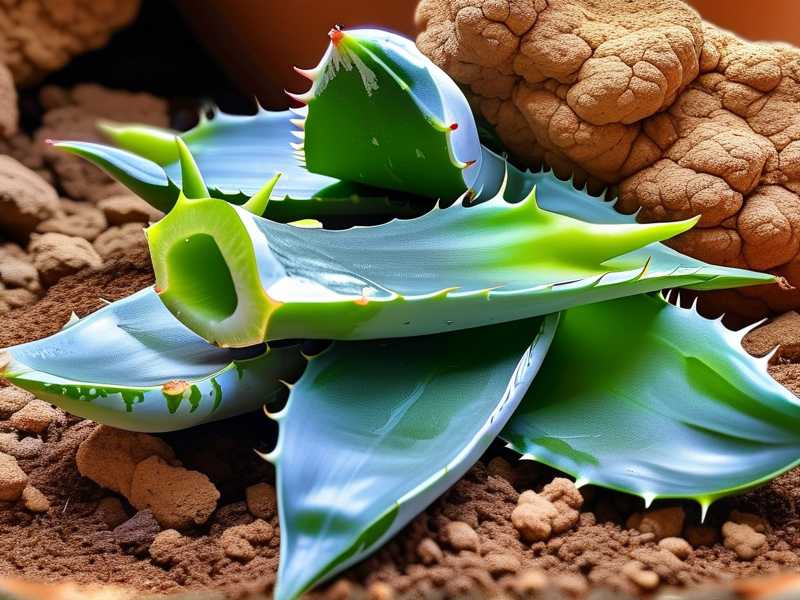
- Cut off all damaged leaves at the base with a clean knife.
- Remove the plant from the pot.
- Cut away all rotten roots.
- Let the plant dry on a paper towel for 2 days.
- Repot in dry soil.
- Don’t water for 14 days.
I saved a plant this way last autumn. It looked dead. Two months later, it had new green growth.
How to Prevent Temperature Stress in the First Place
I learned to watch the weather forecast. If a cold night is coming, I bring my aloe inside. If a heatwave is coming, I move it to a cooler room.
I also use a humidity tray. A shallow dish with pebbles and water. It stabilizes the microclimate around the plant. It helps during dry spring days.
FAQ
Can temperature swings kill an aloe plant?
Yes, they can. Sudden drops below 50°F or sudden spikes above 90°F can cause leaf damage, root rot, and plant death. I lost three plants before I learned this.
How long does it take for an aloe to recover from temperature stress?
Usually 2 to 4 weeks. In my experience, I see improvement by day 10. Full recovery takes about a month. New leaves grow healthy, but damaged leaves stay damaged.
Should I fertilize my aloe during temperature stress?
No. Never fertilize a stressed aloe. The roots can’t handle it. Wait at least 4 weeks after the plant looks healthy again. I only fertilize twice a year: spring and summer.
Final Thoughts
Fixing aloe stress from temperature swings is not complicated. It just requires patience. Stop watering. Move to stable light. Let the soil dry. Within two weeks, your aloe will bounce back.
I killed three plants before I figured this out. You don’t have to make the same mistakes. Just remember: when temperatures swing, do less. Your aloe will thank you.