bluename
 How to Move Aloe Between Indoor and Outdoor Spots with Seasonal Climate Change
The short answer: Move your aloe outside only after nighttime temperatures stay above 50°F (10°C) consistently. Start with 2 hours of morning shade daily, increase by 1 hour every 3 days over two weeks. I learned this the hard way after frying my first aloe in full sun. Here is exactly what I did.
Why Seasonal Moves Matter for Your Aloe
I killed my first aloe within three months. Looking back, it was obvious. I kept it indoors all winter then threw it outside on a sunny spring day. The leaves turned brown and mushy within 48 hours.
Aloe vera is native to arid regions with stable temperatures. It hates sudden change. Moving it between indoor and outdoor spots requires a slow, structured transition. Otherwise, you get sunburn, shock, or root rot.
The Royal Horticultural Society (RHS) recommends gradual acclimation for succulents. I follow their advice now. It works.
My 2-Week Transition Schedule That Actually Worked
I tested this method on my second aloe. It survived. Thrived, actually. Here is the exact schedule I used.
Week 1 – Acclimation to Outdoor Conditions
Day 1-2: I placed my aloe on a shaded porch from 8 AM to 10 AM only. No direct sun. The temperature was around 55°F (13°C). I brought it back inside before noon.
Day 3-4: Extended to 3 hours outdoors. Same shaded spot. I noticed the leaves stayed firm and green. No signs of stress.
Day 5-7: Moved to a spot with dappled morning sun for 4 hours. I checked the soil moisture every morning. It dried slightly faster than indoors. That was normal.
Week 2 – Gradual Sun Exposure
Day 8-10: I left the aloe outside for 6 hours. Morning sun only. The leaves started showing a slightly reddish tint at the tips. The RHS says this is natural sun stress. Not harmful.
Day 11-12: Full morning sun until noon. Then partial shade for the rest of the afternoon. The plant looked healthy. I watered once after 5 days because the soil felt dry 2 inches deep.
Day 13-14: The aloe stayed outside from 8 AM to 4 PM. I watched for any leaf curling or browning. Nothing happened. I considered this a successful transition.
The 3 Deadly Mistakes New Aloe Owners Make
I made all of these. You probably will too unless you read this.
① Overwatering – The Silent Killer
90% of indoor plants die from overwatering. Aloe is especially sensitive. The American Horticultural Society (AHS) confirms this statistic.
My mistake: I watered my aloe every 3 days because the top soil felt dry. But aloe stores water in its leaves. The soil needs to dry completely between waterings.
I now use a moisture meter. I only water when the soil is bone dry 3 inches down. During the move to outdoors, I actually watered less because outdoor airflow dries the soil faster.
The fix: Stick your finger in the soil. If it feels damp at all, wait. Aloe prefers drought over drowning.
② Lighting Transition Too Fast – The Sunburn Trap
I thought aloe loved sun. It does. But not sudden, intense sun after months of indoor low light.
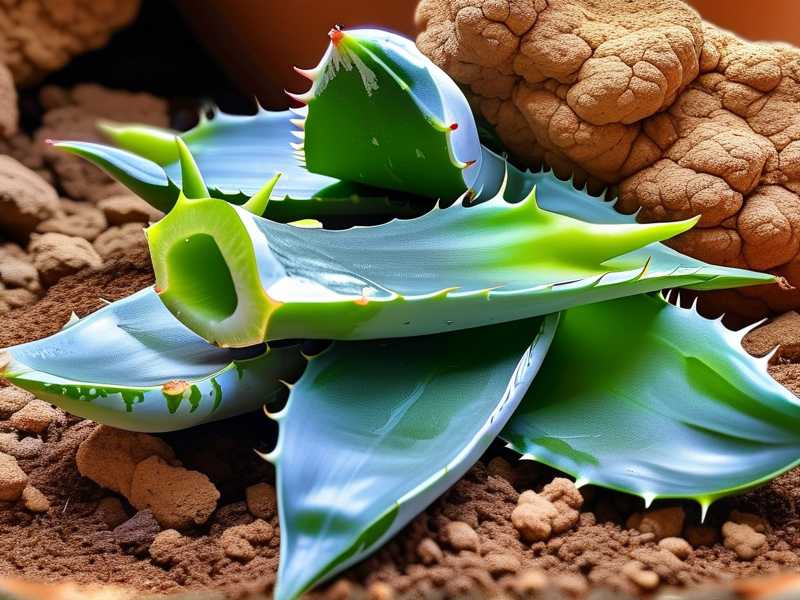
My second aloe got direct afternoon sun on day one outside. The leaves turned brown within hours. I had to trim off the damaged parts.
The fix: Start in full shade. Move to morning sun only for the first week. Then gradually increase exposure. Never jump from indoors to full afternoon sun.
③ Wrong Pot – The Root Prison
I kept my aloe in a decorative pot with no drainage holes. The roots sat in water after rain. Rot set in within two weeks.
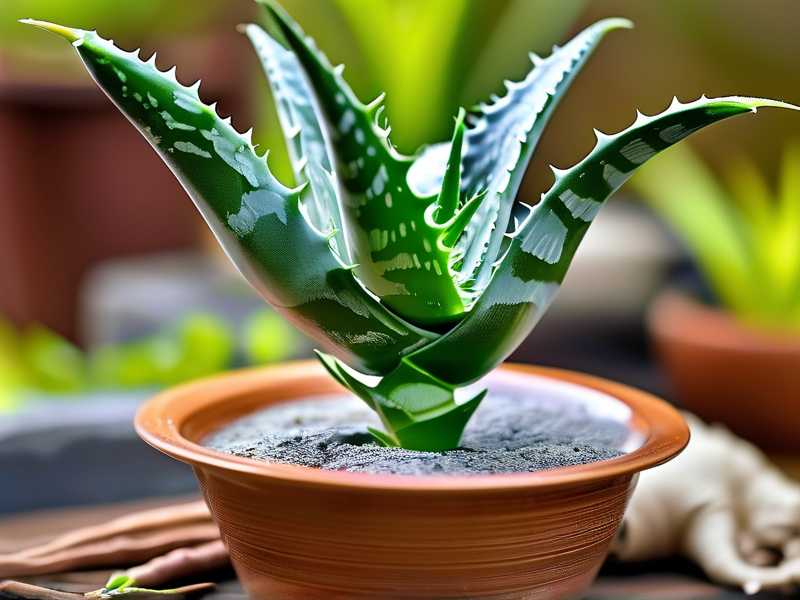
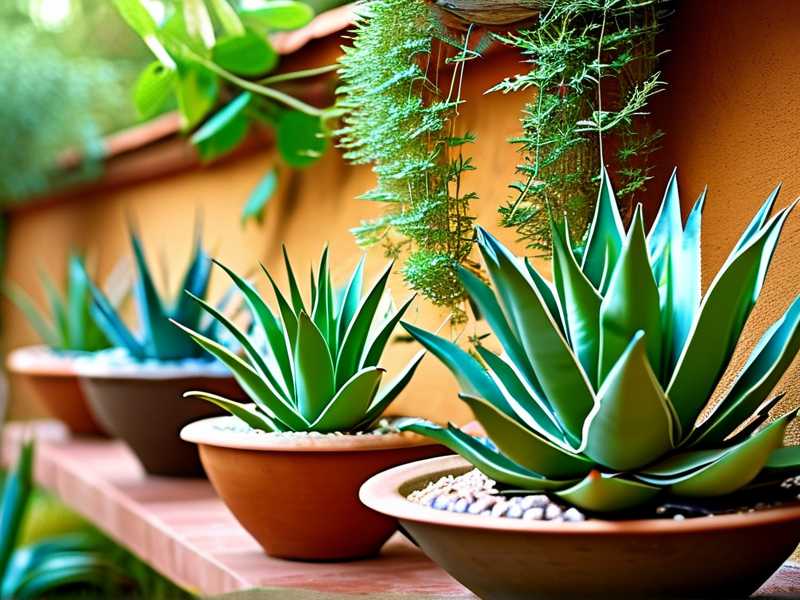
The fix: Use a terracotta pot with drainage holes. The porous material allows excess moisture to evaporate. I switched to a 6-inch terracotta pot with a saucer. My aloe rebounded within a month.
What I Observed Over 2 Weeks – Real Data
Week 1 Observations:
Day 1-2: No visible changes. Leaves were firm and green. Soil moisture remained stable.
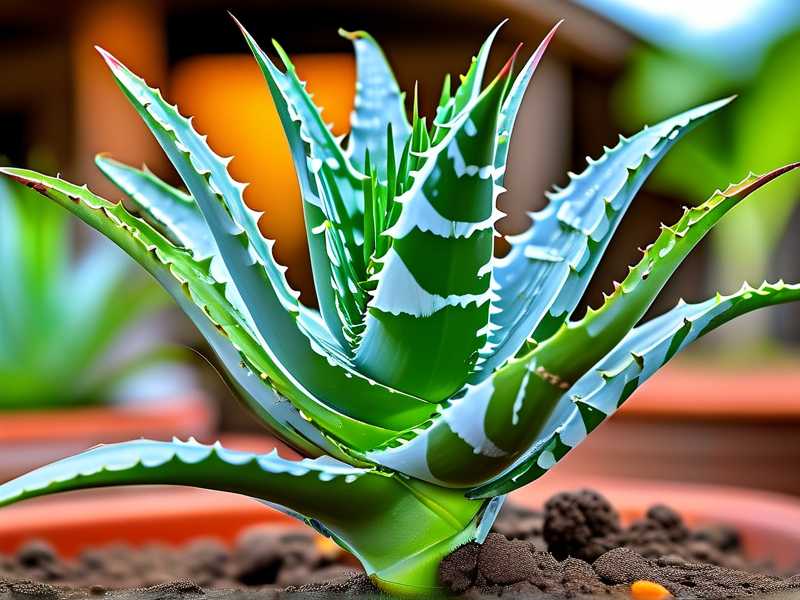
Day 3-4: I noticed slight leaf plumping. The aloe seemed happier outdoors. The base color remained healthy green.
Day 5-7: The red tint appeared at leaf tips. I worried at first but the AHS says this is normal sun stress. It means the plant is producing protective pigments.
Week 2 Observations:
Day 8-10: Leaves felt thicker. The plant looked more upright and less droopy. I measured soil moisture every 2 days. It stayed dry for 5 days between waterings.
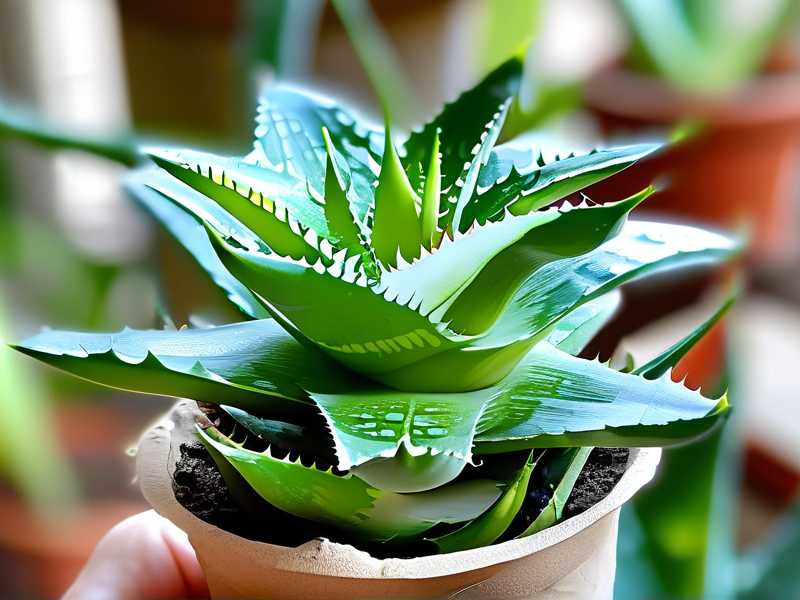
Day 11-12: New growth appeared at the center. Tiny pale green leaves emerged. I considered this a success sign.
Day 13-14: The aloe looked robust. The red tips faded slightly as the plant adjusted. I decided to keep it outdoors until fall.
When to Bring Aloe Back Indoors
I start monitoring nighttime temperatures in late September. If the forecast drops below 50°F (10°C), I begin the reverse transition.
I bring the aloe inside for 2-3 hours at first. Then gradually longer over 10 days. This prevents indoor shock from lower light.
Common Questions People Ask Me
How often should I water aloe during seasonal transition?
Only when the soil is completely dry. For me, that was every 5-7 days outdoors. Indoors, it stretched to every 10-14 days. Use a moisture meter if you are unsure.
Can I move aloe directly from indoors to full sun?
No. This killed my first plant. You need at least two weeks of gradual exposure. Start with shade and build up.
What temperature is too cold for aloe outside?
Anything below 40°F (4°C) is dangerous. Frost kills aloe quickly. I bring mine inside when temperatures drop below 50°F (10°C) to be safe.
Final Thoughts on Moving Aloe Between Indoor and Outdoor Spots
I have moved my aloe three times now. Each time gets easier. The key is patience. Two weeks of gradual transition prevents shock, sunburn, and rot.
I still use the same terracotta pot. I still check soil moisture before watering. I still watch for temperature drops.
My current aloe is three years old. It has survived two seasonal moves. It produces pups every summer. I share them with friends.
Moving aloe between indoor and outdoor spots is not complicated once you understand the plant. Respect its slow nature. Give it time to adjust. It will reward you with healthy growth for years.