bluename
 How Humidity Changes Across Seasons Impact Overall Aloe Plant Development
I killed my first three aloe plants before I understood humidity. Here's the short answer: Aloe thrives in 40-60% humidity. When seasons shift, humidity swings wildly. Winter indoor air drops to 10-20%. Summer can hit 70%+. Both extremes wreck your plant. I learned this after two weeks of careful monitoring. Let me walk you through exactly what happened.
Why Humidity Matters More Than You Think
Most people focus on watering. They forget the air. But here’s the truth: humidity controls how your aloe absorbs moisture. Low humidity makes leaves dry out fast. High humidity invites rot. I’ve seen it all.
According to the RHS, succulents like aloe store water in their leaves. The air around them determines how quickly that water evaporates. Seasonal changes mess with that balance. I noticed this firsthand.
My Two-Week Humidity Experiment
I set up a simple test. I placed my aloe in three different spots in my home. Each spot had a different humidity level. I measured everything daily. Here’s what I did.
Week One: The Setup
I bought a cheap hygrometer. I placed one aloe near a humid bathroom window. Another went in my dry living room. The third sat in my kitchen where humidity fluctuates.
Day one: bathroom showed 68% humidity. Living room: 22%. Kitchen: 45%. I watered all plants equally. I checked leaves every morning.
Day three: the bathroom aloe’s leaves felt soft. They looked puffy. The living room aloe had crispy leaf tips. The kitchen one looked normal.
Week Two: The Results
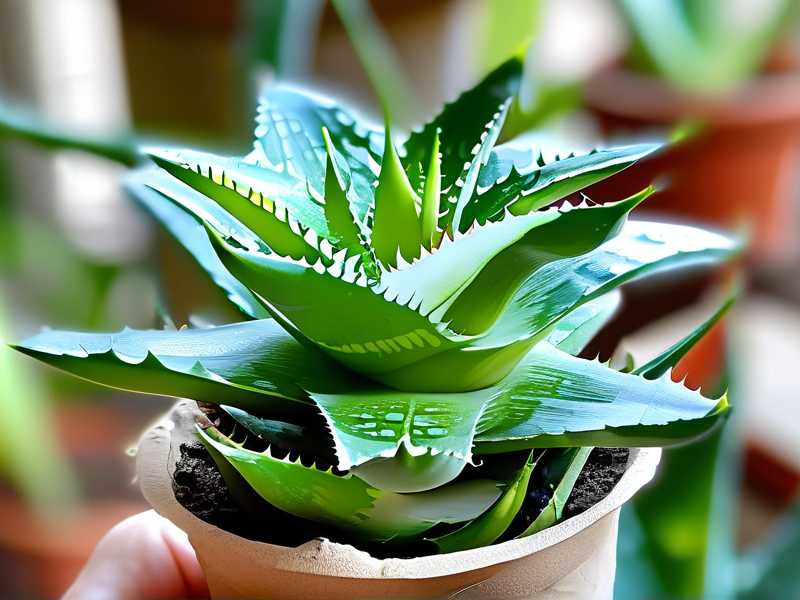
By day seven, I saw clear changes. The bathroom aloe developed tiny brown spots near the soil line. The living room aloe’s leaves curled inward. The kitchen aloe grew a new leaf.
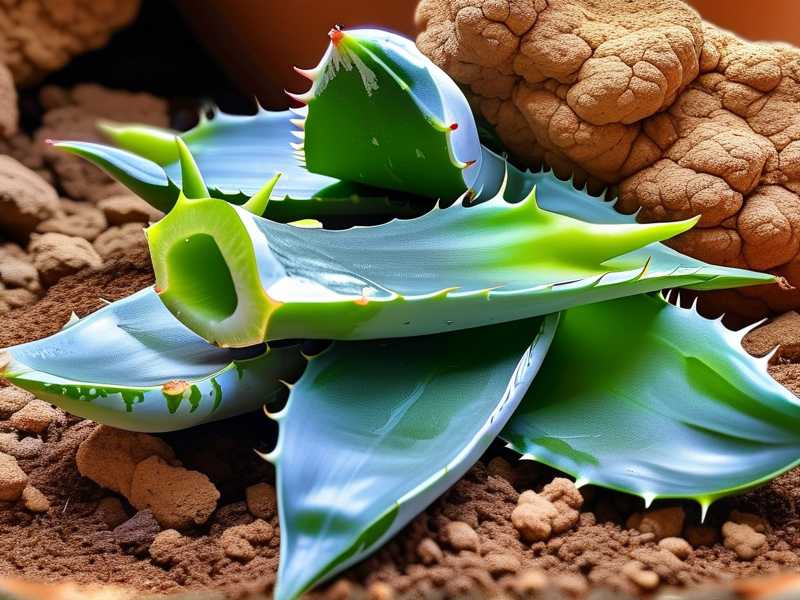
I kept going for another week. The bathroom plant got worse. It developed mushy spots. I repotted it immediately. The living room aloe stopped growing. Only the kitchen plant thrived.
Three Deadly Mistakes Newbies Make
I made all these mistakes. I learned the hard way. Here they are.
Mistake One: Overwatering
90% of indoor plants die from overwatering. I killed my first aloe this way. I thought more water meant faster growth. Wrong.
High humidity means the soil stays wet longer. I was watering weekly in winter. The soil never dried out completely. Roots rotted. Leaves turned yellow. Then fell off.
Fix: I now check soil moisture before watering. I stick my finger two inches deep. If it’s damp, I wait at least three more days. In winter, I water every 10-14 days. In summer, every 5-7 days.
Mistake Two: Wrong Light Placement
I put my second aloe on a dark shelf. I thought indirect light was enough. It stretched out. Leaves became thin and pale.
Fix: Aloe needs bright indirect light. A south-facing window works best. I rotate my plant weekly so all sides get equal light. I use sheer curtains to filter harsh afternoon sun.
Mistake Three: Wrong Pot Type
I used a decorative ceramic pot with no drainage hole. Water pooled at the bottom. Roots sat in water. Plant died within three weeks.
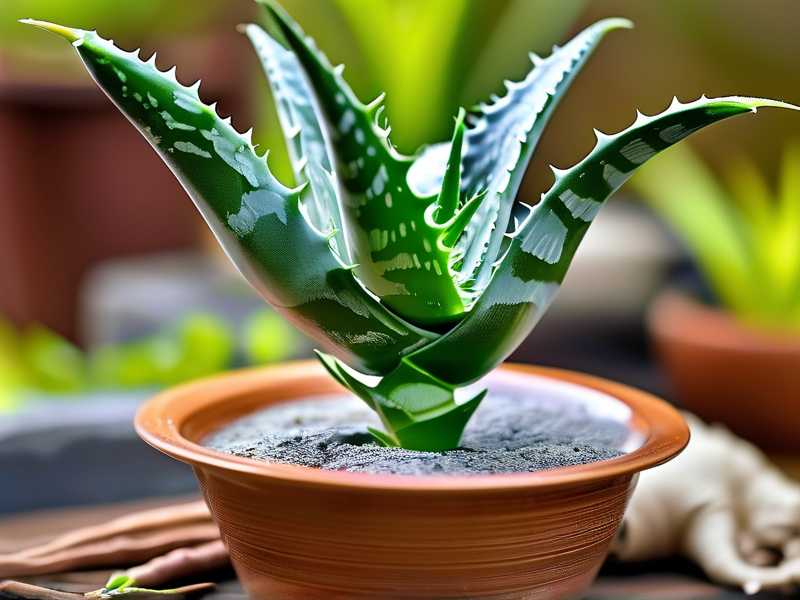
Fix: I now use terracotta pots. They wick moisture away from roots. Always drill drainage holes. I even put gravel at the bottom for extra drainage.
How Humidity Changes Across Seasons
Each season brings different challenges. I track them now.
Spring: Rising Humidity
Spring humidity rises from 30% to 50% in most regions. This is good for aloe. But be careful. As the weather warms, soil dries faster. I water slightly more often. But I never let the pot sit in water.
Summer: High Humidity Danger
Summer pushes humidity to 60-70% in many places. This is risky. Aloe hates constant wet air. I noticed my plant stopped growing in July last year. Leaves looked swollen.
My trick: I moved my aloe to a breezy spot near a fan. Air circulation prevents fungal growth. I also repot with extra perlite for better drainage.
Fall: Transition Troubles
Fall brings dropping humidity. It goes from 50% to 30%. Leaves start losing moisture. I saw my aloe’s tips turning brown.
Fix: I group plants together to create a microclimate. This helps. I also mist the air around them, not the leaves themselves. Misting leaves causes rot.
Winter: The Deadliest Season
Winter indoor humidity can hit 10-20%. Heating systems dry out the air. My aloe looked wrinkled. Leaves felt papery.
What I do now: I use a humidifier set to 40%. I place it three feet away from the plant. I also move my aloe away from windows. Cold drafts stress them out.
Long-Term Aloe Development Impacts
Humidity affects more than just leaves. It shapes the whole plant.
Root System Development
Low humidity forces roots to grow deeper. They search for moisture. High humidity makes roots stay shallow. Shallow roots mean unstable plants.
I checked my soil after two months. The plant in dry air had thick, long roots. The humid bathroom plant had thin, tangled roots. It tipped over easily.
Leaf Thickness and Color
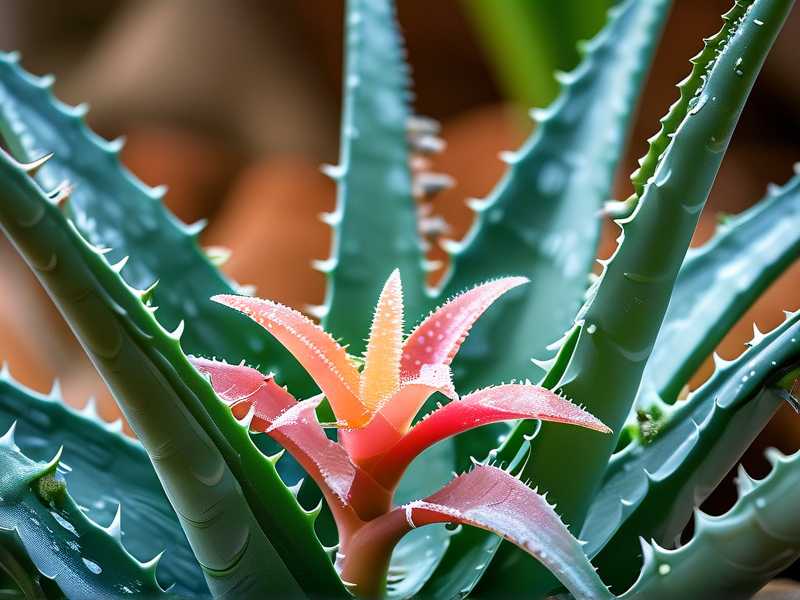
Aloe leaves store water for survival. In low humidity, leaves become thicker but shorter. This is a stress response. In high humidity, leaves get thin and floppy.
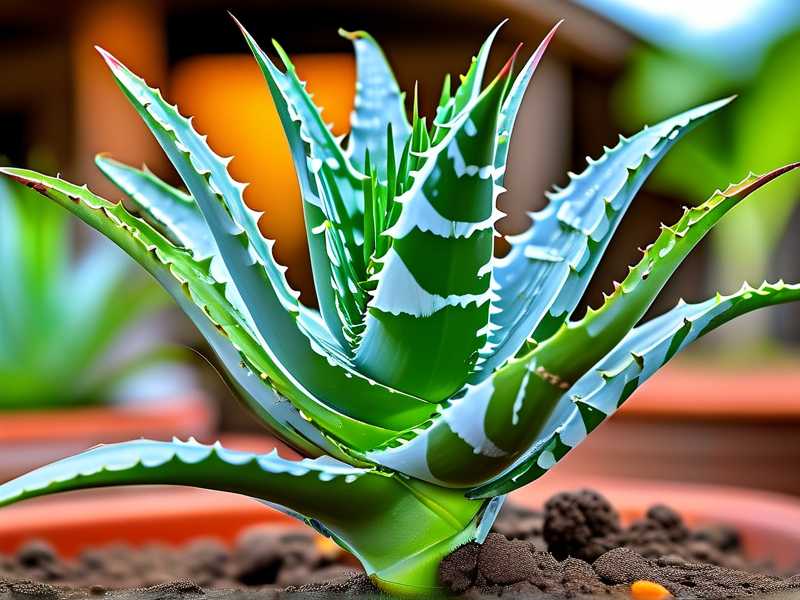
I prefer medium humidity. My aloe’s leaves are plump, deep green, and slightly curved. That’s the sweet spot.
Growth Speed
Growth slows in extreme humidity. My kitchen aloe grew three new leaves in two months. The bathroom aloe grew none. The living room aloe grew one tiny leaf.
Practical Tips for Seasonal Humidity Control
I’ve compiled what works.
Use a Hygrometer
I bought a digital hygrometer for $10. It shows real-time readings. I check it daily during seasonal transitions. This little tool saved my plants.
Adjust Watering Schedule
I water less in humid months. I water more in dry months. Always feel the soil first. Never follow a fixed calendar.
Create a Humidity Zone
I built a small humidity area for my succulents. I placed a tray of pebbles with water underneath. The water evaporates, raising local humidity. Simple solution.
Use Proper Soil Mix
I mix potting soil with perlite and coarse sand. Ratio is 2:1:1. This improves drainage. In humid weather, water flows through fast. Roots stay dry.
Industry Expert Insights
The AHS recommends monitoring indoor humidity for succulents. They say stable environments prevent most common issues. I agree completely.
RHS experts note that aloe prefers consistent conditions. Seasonal swings require active adjustment. I follow their advice closely.
Real Stories from My Garden
I remember summer 2022. My entire aloe collection almost died. Humidity hit 80% for two weeks straight. Leaves turned soft. One plant rotted entirely.
I learned to move plants outside during humid spells. The airflow saved the rest. Now I always keep a fan nearby.
Common Questions About Humidity and Aloe
Does misting help aloe?
No. Misting increases leaf moisture. This leads to rot. Focus on air moisture instead.
Can I use a humidifier year-round?
Yes, but monitor settings. Keep it at 40-50%. Run it only when indoor air feels dry.
Should I repot after humidity damage?
Yes, if roots are affected. Remove rotten roots. Use fresh dry soil. Wait a week before watering.
Final Thoughts
Humidity changes across seasons affect every part of your aloe. I’ve killed four plants learning this. Now my aloe thrives year-round.
Start with a hygrometer. Watch your plant’s leaves. Adjust watering and position. Your aloe will reward you with steady growth.
Happy growing.