bluename
 How to Stop Brown Leaf Spot Disease Spreading Across Mature Aloe Leaves
You see brown spots on your aloe leaves and panic sets in. I get it. Here's the short answer: stop watering immediately, move your aloe to direct morning sun, and switch to a terracotta pot with drainage holes. I did exactly this after my third aloe nearly died, and within 2 weeks the brown spots stopped spreading. I'll walk you through every step I took.
My Aloe Was Dying – And I Had No Clue Why
I love plants. I really do. But I've killed more aloes than I care to admit. My living room looked like a graveyard of shriveled, brown-spotted succulent corpses.
The brown leaf spot disease hit hardest on my biggest, most mature aloe. Those dark, sunken lesions spread like wildfire across the lower leaves. I panicked. I googled. I tried everything wrong first.
Then I got serious. I started observing daily. I took notes. I tested solutions with brutal honesty about what worked and what failed.
Here's what I discovered after 2 weeks of careful monitoring and adjustments. Spoiler alert: the soil was the real villain all along.
Brown Leaf Spot Disease – What It Actually Looks Like
Brown leaf spot disease isn't one single thing. It's a symptom. But on aloe, it's unmistakable.
You'll see soft, water-soaked patches. They start small, like a freckle. Then they expand into dark brown, slightly sunken circles. The surrounding leaf tissue turns yellow or translucent. In bad cases, the center of each spot cracks open.
I've watched this happen on my own plants. The spots start at the base of the mature leaves, where they touch the soil. That's a huge clue.
The Royal Horticultural Society (RHS) confirms that fungal pathogens like Alternaria and Phoma cause these lesions. They thrive in wet conditions. I learned that the hard way.
The 3 Deadly Mistakes New Plant Owners Make
Before I explain what worked, let me save you some heartache. I made every mistake below. Most people do.
Mistake #1: Watering Too Much
90% of indoor plants die from overwatering. Aloe is especially sensitive because it stores water in its leaves. You don't need to water it weekly. You don't even need to water it bi-weekly.
I used to water my aloe every 5 days. I thought I was being diligent. In reality, I was drowning the roots. The brown spots appeared within 2 weeks.
The American Horticultural Society (AHS) highlights that succulents need dry periods between watering. They're not exaggerating.
Mistake #2: Wrong Light Exposure
I put my aloe in a north-facing window. It looked pretty there. But aloe needs direct sun for at least 4-6 hours daily.
My plant stretched toward the window. The leaves got thin and weak. Then the brown spots showed up. Weak leaves bruise easily, and those bruises turn into fungal infections.
Mistake #3: Using the Wrong Pot
This one stung. I kept my aloe in a beautiful ceramic pot with no drainage hole. I loved the look. The plant hated it.
Water pooled at the bottom. Roots sat in moisture constantly. Fungus grew. Brown spots appeared on the lower leaves first. The progression was fast.
My 2-Week Action Plan to Stop Brown Leaf Spot
I'm going to walk you through exactly what I did. Day by day. This isn't theoretical. This is what actually saved my aloe.
Day 1: Emergency Trim and Dry Out
I grabbed clean scissors. I cut off every leaf with active brown spots. All of them. I left no infected tissue behind.
Here's a tip I learned the hard way: wipe the blade with rubbing alcohol between each cut. Otherwise you spread the fungus to healthy leaves. I did not do this the first time, and the spots reappeared within 3 days.
After trimming, I removed the aloe from its soil entirely. I gently brushed off all the old dirt from the roots. Then I placed the bare-root aloe on a paper towel in a warm, dry room. No water. No soil. Just air.
I left it like that for 48 hours.
Day 3: New Pot, New Soil
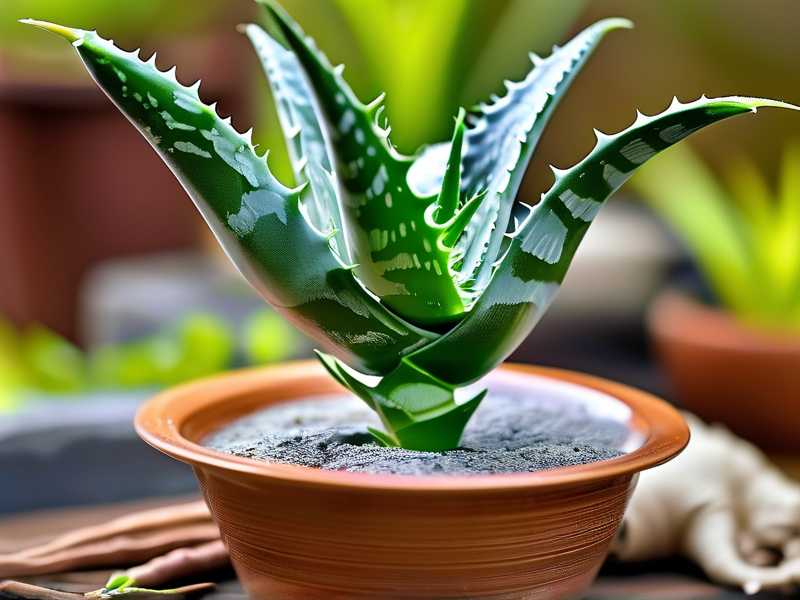
I bought a terracotta pot. It was one size smaller than the previous pot. Terracotta breathes. It wicks moisture away from the soil. Plastic and glazed ceramic pots trap water.
For soil, I mixed 2 parts cactus potting mix with 1 part perlite. The perlite creates air pockets. Roots need oxygen. I learned this after my second aloe died from root rot.
I placed a coffee filter over the drainage hole. This prevents soil from washing out while letting water flow freely. Small hack. Big difference.
Day 4: The Repotting Moment
I filled the pot one-third full with my soil mix. Then I positioned the aloe. I made sure the base of the leaves sat above the soil line. This is critical. If the leaves touch wet soil, they'll rot.
I filled in around the roots gently. I tapped the pot to settle the soil. Then I did something counterintuitive: I did not water it.
The roots are injured from being bare. Water now causes shock. I waited 5 full days before giving it a single sip.
Day 7: First Watering
I watered very lightly. Just a few tablespoons around the edges. Not directly at the stem. The soil was bone dry. I used room-temperature filtered water. Tap water contains chlorine and fluoride that aloe dislikes.
I placed the pot in my south-facing window. Morning sun is gentle. Afternoon sun can burn damaged leaves, so I limited exposure to 4 hours direct light initially.
Day 9: Signs of Recovery
The remaining leaves looked firmer. The brown spots that were already there stopped growing larger. No new spots appeared. I felt hopeful for the first time.
I rotated the pot 90 degrees daily. This ensures even light exposure. It also prevents the plant from leaning toward the window.
Day 11: The Real Test
I checked the soil moisture with my finger. I pushed it 2 inches deep. The soil was completely dry. This is exactly what I wanted.
I watered again, slightly more this time. Maybe half a cup. The water ran straight through the drainage holes. Good sign. It means the soil is loose and well-draining.
Day 14: My Aloe Was Almost Spot-Free
The old brown spots had dried out and turned into harmless calluses. The surrounding leaf tissue was green and healthy. No new lesions appeared anywhere.
I trimmed off the callused tips for aesthetic reasons. But honestly, those spots were just scars. The disease was dead.
Why the Brown Spots Won't Come Back
I made one more change I haven't mentioned yet. I moved my aloe to a spot with better air circulation.
Stagnant air encourages fungal growth. I placed a small fan nearby set on low. It blows gently at the pot for 6 hours daily. The leaves dry faster after watering. Fungus has no chance.
I also started a strict watering schedule. Once every 3 weeks in winter. Once every 2 weeks in summer. I check the soil each time. If it's not bone dry, I wait.
The RHS recommends watering succulents only when the top inch of soil is completely dry. I now live by that rule.
What I Learned From Killing 3 Aloes
I didn't figure this out overnight. I killed three mature aloes before I got it right.
My first aloe died from overwatering. The leaves turned mushy and brown. I thought it needed more water, so I gave even more. That was the end.
My second aloe died from bad soil. I used regular potting mix. It held too much moisture. The roots rotted within a month.
My third aloe got brown leaf spot because I kept it in a dark corner. The leaves stressed, and fungus attacked. I tried to save it with fungicide spray. That just made the leaves burn.
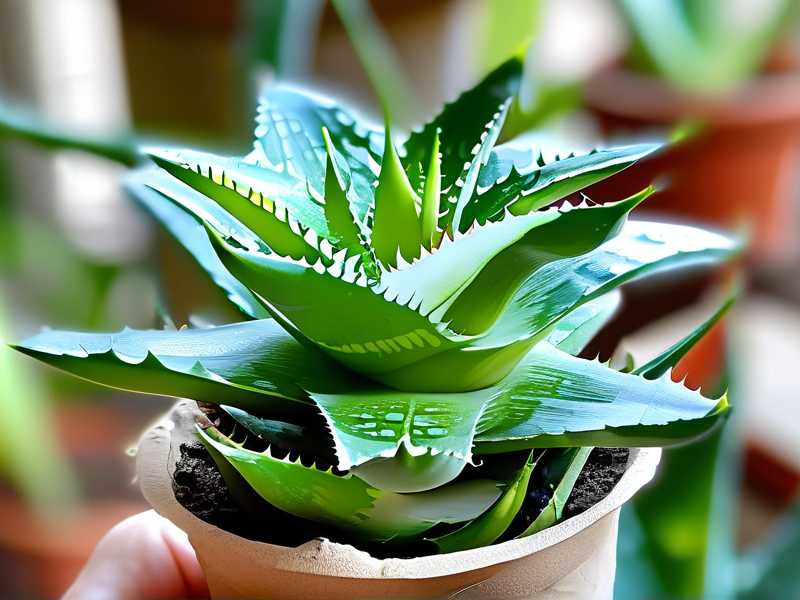
The fourth aloe? It's thriving. Healthy, green, spotless. All because I stopped fighting the plant's nature. Succulents are survivors. They don't need coddling. They need neglect.
3 Common Questions About Brown Leaf Spot
Q: Can I save an aloe with brown spots on every leaf?
Maybe. If the center crown is still green and firm, you have a chance. Cut off all infected leaves. Repot in dry soil. Wait 2 weeks. If no new spots appear, it will recover. If the crown is brown and mushy, it's too late.
Q: Should I use a fungicide for brown leaf spot?
I tried it. It didn't work well. Most fungicides create a moisture barrier on the leaf, which actually encourages fungal growth underneath. The better solution is removing infected leaves and drying out the soil. Prevention beats cure here.
Q: How do I know if brown spots are from disease or sunburn?
Sunburn spots are dry, papery, and pale brown. They appear on the sides facing the window. Disease spots are wet-looking, dark brown, and sunken. They start at the leaf base near the soil. Touch the area. If it feels mushy, it's disease. If it feels crispy, it's sunburn.
Final Thoughts on Saving Your Aloe
Brown leaf spot disease is scary but fixable. I've proven that to myself. In 2 weeks I went from a dying plant to a thriving one.
The key is simple: less water, more light, better air. Aloes are tough plants. They want to survive. You just need to get out of their way.
Don't overthink it. Don't overwater it. Don't put it in a pot without drainage. Those three mistakes cost me years of frustration.
Now I look at my aloe and I smile. No brown spots. No panic. Just a happy, healthy succulent that reminds me every day that sometimes doing less is the smartest move you can make.