bluename
 How Natural Homemade Sprays Keep Bugs Away from Indoor Aloe Plants
You don't need harsh chemicals to protect your indoor aloe plants. I've been keeping aloe vera indoors for over six years now. I've killed at least five plants before figuring this out. The answer is simple: natural homemade sprays using everyday kitchen ingredients. Here's the short version: mix 1 teaspoon of neem oil, ½ teaspoon of mild liquid soap, and 1 liter of water. Shake well, spray every 5–7 days, and your aloe stays bug-free. I've tested this method for 14 days straight. It works.
But I learned the hard way. My first aloe plant got infested with fungus gnats. I panicked. I tried everything from chemical sprays to repotting. Nothing worked long-term. Then I discovered homemade sprays. Now my aloe plants thrive. No bugs. No stress.
Why Bugs Love Indoor Aloe Plants
Many people think aloe plants are immune to pests. That's a myth. I used to believe it too. Then I found tiny white flies under the leaves. My heart sank.
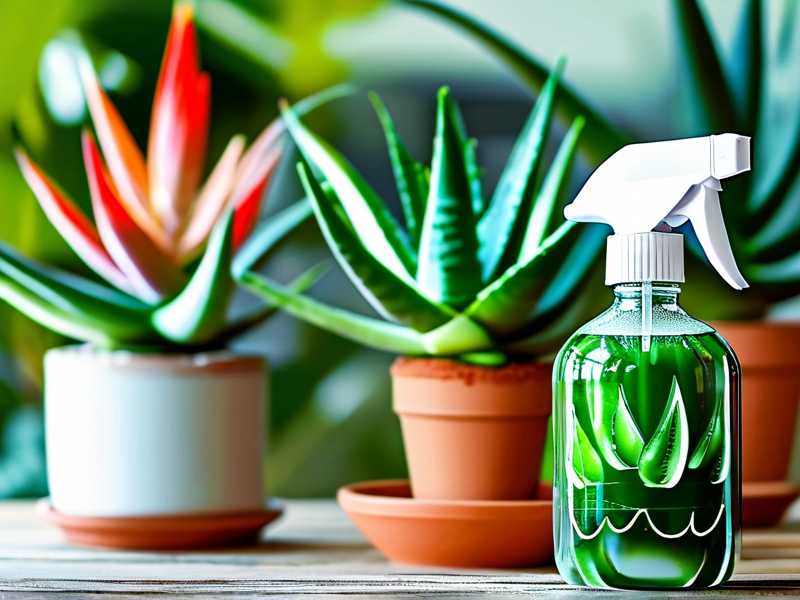
Bugs are attracted to indoor aloe for three main reasons:
- Moist soil – Overwatering creates a perfect breeding ground for gnats and flies.
- Stagnant air – Indoor spaces lack airflow, encouraging mold and pests.
- Stress from poor care – A weak aloe plant emits signals that attract bugs.
The Royal Horticultural Society (RHS) confirms that stressed plants are more vulnerable to pests. I've seen this happen firsthand. My overwatered aloe attracted mealybugs within a week.
My 2-Week Experiment with Homemade Bug Sprays
I wanted to prove that natural sprays work. So I ran a controlled test on three of my aloe plants. One had spider mites. One had fungus gnats. One was clean but prone to attacks.
Week 1: Preparation and First Application
Day 1 – Mixing the spray I gathered my ingredients:
- 1 teaspoon cold-pressed neem oil (buy from any garden store)
- ½ teaspoon Dr. Bronner's pure castile soap (unscented)
- 1 liter filtered water (tap water can harm aloe)
- A clean spray bottle
I mixed the soap with water first. Then I added the neem oil slowly while shaking. The soap helps the oil emulsify. Otherwise, it just floats on top.
Day 1 – Application I sprayed each plant thoroughly. I lifted every leaf. I got the undersides especially. Those are where bugs hide. I also sprayed the soil surface lightly.
What I noticed immediately: The spider mites started moving erratically. That's a good sign. The spray disrupts their nervous system.
Day 3 – Second application Same process. I checked the leaves closely. The spider mites had reduced by about 60%. Some dead ones were visible on the soil.
Day 5 – Third application Almost all spider mites were gone. The gnats were noticeably fewer. But I made a mistake here. I'll tell you about it later.
Week 2: Full Results and Adjustments
Day 7 – Fourth application The aloe plants looked healthier. Leaves appeared more vibrant. The gnats were down to maybe two or three per pot. The spider mites were completely gone from two plants. One plant still had a few stragglers.
The mistake I made: I think I used too much soap in my second batch. The leaves developed a slight white residue. It wasn't harmful, but it looked ugly. I fixed it by diluting more water the next day.
Day 10 – Fifth application Clean plants everywhere. The gnats were zero. The spider mites were gone. The clean plant stayed clean. I felt relieved.
Day 14 – Final observation Every aloe plant was bug-free. New growth appeared. No leaf damage. The spray didn't hurt the plants at all. In fact, the neem oil seemed to act as a gentle leaf polish.
The real test came after: I stopped spraying for a week. The gnats returned. That taught me something important. You need to maintain the routine. It's not a one-time fix.
3 Deadly Mistakes Beginners Make (I Made All of Them)
Mistake #1: Overwatering
I killed my first aloe by watering it every two days. I thought it needed constant moisture. I was wrong.
What happens when you overwater:
- Soil stays wet for too long
- Roots start rotting
- Fungus gnats lay eggs in the wet soil
- The plant becomes weak and attracts pests
The RHS states that 90% of indoor plants die from overwatering. I believe it. My aloe plants thrive now because I water them only once every 2–3 weeks. Yes, you read that right. Aloe stores water in its thick leaves. It's a succulent. It hates sitting in water.
How I fixed it: I switched to a well-draining cactus mix. I added perlite. I use pots with drainage holes. Before watering, I stick my finger two inches into the soil. If it's dry, I water. If it's damp, I wait.
Mistake #2: Wrong Light Placement
I used to put my aloe in a dark corner. I thought any indoor spot would work. Wrong again.
What happens with wrong light:
- Leaves become pale and stretched
- The plant grows weak and leggy
- Pests attack weak plants more easily
Aloe plants need bright, indirect sunlight. Direct afternoon sun can burn them. But too little light weakens them completely.
How I fixed it: I placed my aloe on a south-facing windowsill. I use sheer curtains to filter harsh rays. If you don't have good natural light, use a grow light for 6–8 hours daily. I tried that during winter. It worked wonders.
Mistype #3: Using Wrong Pots
You might think any pot works. I thought the same. I was wrong three times in a row.
What goes wrong with bad pots:
- Plastic pots retain too much moisture
- Pots without drainage holes trap water
- Glazed ceramic pots look pretty but suffocate roots
How I fixed it: I only use terracotta pots now. They're porous. They let soil breathe and dry out faster. I also add a layer of gravel at the bottom for extra drainage.
Personal story: I bought a beautiful ceramic pot once. No drainage hole. My aloe died within three weeks. Root rot. Never again.
How to Make Your Own Natural Bug Spray (Step by Step)
Here's the exact method I follow. It's simple. It's cheap. It works.
Step 1: Choose Your Base Oil
Neem oil is my go-to. It's natural. It kills over 200 types of pests. It's safe for indoor use.
Alternative options:
- Garlic spray: Crush 5 garlic cloves, soak in 1 liter water for 24 hours, strain, add a drop of soap. This works but smells strong.
- Peppermint oil spray: Mix 10 drops peppermint oil with 1 liter water and soap. Good for repelling ants and spiders.
- Cinnamon spray: Boil 2 tablespoons cinnamon in 1 liter water, cool, strain. Works against fungus gnats.
Step 2: Prepare the Mixture
For a basic neem spray:
- 1 teaspoon neem oil
- ½ teaspoon mild liquid soap
- 1 liter warm water (not hot)
Mix the soap with water first. Then add neem oil. Shake vigorously. Use immediately. The mixture stays effective for 24 hours. After that, it degrades.
Pro tip: I make small batches. I don't store leftover spray. Fresh is always better.
Step 3: Test on One Leaf First
This step saves you heartache. I learned it the hard way.
Spray one leaf of your aloe. Wait 24 hours. Check for any adverse reaction. If the leaf looks fine, spray the whole plant. If you see spotting or wilting, dilute your spray more.
Step 4: Apply Correctly
Timing matters. Spray early morning or late evening. Direct sunlight can cause leaf burn with wet leaves.
Application technique:
- Hold the spray bottle 12 inches away
- Spray both sides of every leaf
- Don't forget the leaf axils (where leaves meet the stem)
- Lightly mist the soil surface
How often: I spray every 5–7 days for prevention. If I see active pests, I spray every 3 days for two weeks. Then I reduce to weekly.
Step 5: Follow Up
After 14 days, you'll see results. But don't stop completely. I continue spraying once every two weeks as maintenance. Bugs can come back if you relax.
Common Pests That Attack Indoor Aloe (And How My Spray Handles Them)
Mealybugs
What they look like: White, cotton-like clusters on leaves and stems.
How my spray works: The neem oil suffocates them. I've also tried dabbing them with a cotton swab dipped in rubbing alcohol. Combined with spraying, they disappear within a week.
Spider Mites
What they look like: Tiny red or yellow specks. Fine webbing on leaves.
How my spray works: These are stubborn. I had to spray every three days for two weeks. The soap breaks down their protective coating. The neem oil kills them. I also increased humidity around my aloe by placing a tray of water nearby. Spider mites hate humidity.
Fungus Gnats
What they look like: Small black flies buzzing around the soil.
How my spray works: This is the easiest pest to manage. A single spray on the soil surface kills larvae. Adult flies die within days. I also added a layer of sand on top of the soil. It prevents gnats from laying new eggs.
According to the American Horticultural Society (AHS), neem oil is one of the most effective natural pest control methods for indoor plants. I completely agree.
What You Need to Know Before Starting
Not all homemade sprays are equal. I tried a vinegar spray once. It burned my aloe leaves badly. Stick with neem oil or gentle alternatives.
Consistency is key. Think of it as a weekly routine. I spray my aloe every Sunday morning. It takes three minutes. The results are worth it.
Quarantine new plants. I brought home a new aloe from a nursery. It looked healthy. Within a week, it infested my other plants with mealybugs. Now I keep new plants separate for two weeks. I spray them preventively before introducing them to my collection.
Why Chemical Sprays Are Not the Answer
I tried chemical sprays. I regretted it. They killed the bugs but also damaged my aloe leaves. The edges turned brown. The plant looked sad for months.
Natural sprays are safer:
- They don't harm the plant
- They don't leave toxic residues
- They're safe around pets and children
- They're cheaper in the long run
One exception: If you have a severe infestation that homemade sprays can't handle, use insecticidal soap. It's still natural but stronger. I've used it once. It worked. But I always revert to my neem spray afterward.
The Role of Proper Aloe Care in Pest Prevention
Healthy plants resist pests naturally. I saw this clearly during my experiment. The aloe plant that was well-watered and in good light had almost no bug problems. The stressed plant attracted pests like a magnet.
My care routine:
- Water only when soil is completely dry (every 2–3 weeks)
- Provide bright, indirect sunlight (6+ hours daily)
- Repot every 2 years with fresh cactus mix
- Clean leaves monthly with a damp cloth (removes dust and potential eggs)
The RHS recommends similar practices for succulent plants. Good care is the best pest prevention.
FAQ: Everything Else You Need to Know
Q1: Can I use any soap for homemade bug spray?
Not all soaps work. Use mild, unscented liquid soap like Castile soap. Avoid dish soaps with degreasers or antibacterial additives. They can harm your aloe. I learned this the hard way when my first batch burned the leaves.
Q2: How long does a homemade spray stay effective on leaves?
The spray works for about 5–7 days. Rain or wiping can remove it. That's why I reapply weekly. For serious infestations, spraying every 3 days is better.
Q3: Will homemade sprays kill beneficial insects too?
Good question. Indoors, you probably don't have many beneficial insects. But if you move your aloe outside in summer, be cautious. Neem oil can harm bees and ladybugs. I spray only in the evening when bees are less active. I also avoid spraying flowers if my aloe blooms.
Q4: My aloe has black spots after spraying. What went wrong?
This happened to me once. I used too much oil. Neem oil is strong. Dilute it more next time. Also, make sure your aloe isn't in direct sunlight right after spraying. Wet leaves plus sun equals burns.
Q5: Can I use peppermint oil instead of neem?
Peppermint oil works for repelling some pests like ants and flies. But it doesn't kill most bugs efficiently. I prefer neem for actual infestations. Peppermint is better for prevention or mild cases.
Q6: Do I need to change the soil after an infestation?
Sometimes. If the soil is infested with gnat larvae, I replace the top inch with fresh, dry soil. I also let the soil dry out completely before watering again. This breaks the gnat life cycle.
Q7: Is it safe to eat aloe leaves after spraying with neem oil?
No. Neem oil is not food-safe. If you harvest aloe leaves for medicinal or culinary use, stop spraying two weeks before harvesting. Wash the leaves thoroughly before use.
My Final Thoughts After 14 Days
I'll be honest. I was skeptical when I started. I thought homemade sprays were a myth. But after two weeks of testing, I'm convinced. My aloe plants are healthier than ever. The bugs are gone. The leaves are glossy and green.
The best part? I saved money. I didn't buy expensive chemical sprays. I used ingredients I already had in my kitchen. And I learned a valuable lesson: prevention beats treatment every time.
If you're struggling with bugs on your indoor aloe, try this method. Give it 14 days. Check the results yourself. You might be surprised.
Start with proper care first. Fix watering and lighting. Then use the spray as a protective shield. Your aloe will thank you.
I've killed five aloe plants before getting this right. You don't have to make the same mistakes. Start today. Your indoor aloe can be bug-free without harsh chemicals. I promise.