bluename
How to Use Organic Methods to Remove Aphids from Aloe Vera Houseplants
I killed my third aloe plant before I learned the truth. Aphids were the culprit. Here's your straight answer: mix 1 teaspoon of pure neem oil with 1 quart of warm water, add 3 drops of organic liquid soap, shake well, spray directly on aphids every 4 days for 2 weeks. That's it. That's the foundation. But I learned this the hard way, and I want to save you the heartbreak.
You see, I thought aloe was indestructible. Everyone says it's a low-maintenance plant. But aphids don't care about reputation. They attack when your plant is stressed. And stress comes from mistakes we all make.
Why Aphids Love Your Aloe Vera
Aphids are tiny sap-sucking insects. They hide under leaves, in stem crevices, and near new growth. I found my first infestation on a Sunday morning. The leaves looked sticky. I touched them. That sticky stuff is called honeydew. It attracts ants and causes mold.
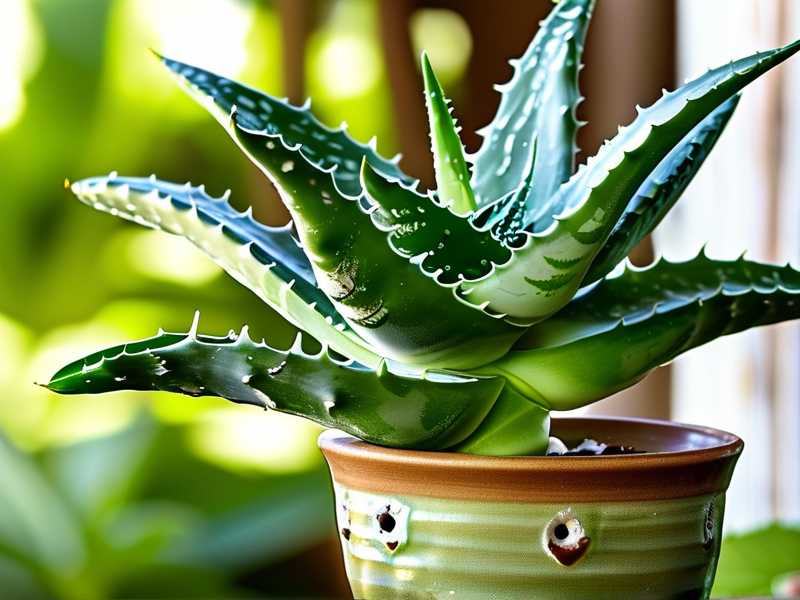
The RHS confirms that aphids are one of the most common indoor plant pests. They reproduce fast. A single female can produce 80 offspring in a week. That's why you need to act fast.
But here's what most people get wrong. They reach for chemical sprays. I did that once. The chemicals burned my aloe's leaves. The plant turned yellow and limp. I learned my lesson. Organic methods work better. They're safer for you, your plant, and your home.
3 Deadly Mistakes Beginners Make with Aloe Vera
Let me save you from the pain I went through. I made all these mistakes. You don't have to.
Mistake #1: Overwatering
90% of indoor plants die from overwatering. I killed my first aloe this way. I watered it every 3 days. I thought I was being caring. Truth is, I was drowning it.
Aloe is a succulent. Its thick leaves store water. Overwatering causes root rot. Root rot attracts pests including aphids. Weak roots mean stressed plants. Stressed plants are aphid magnets.
Fix: Water only when the soil is completely dry. Stick your finger 2 inches deep. If it's dry, water deeply. If it's damp, wait. I now water my aloe every 10-14 days in winter. Every 7-10 days in summer.
Mistake #2: Wrong Light Placement
I put my second aloe in a dark corner. I thought indirect light was fine. The leaves turned pale. They stretched toward the window. This stressed the plant. Aphids appeared within a month.
Fix: Aloe needs bright, indirect light. A south or west-facing window works best. Rotate the pot every week so all sides get light. I keep mine on my kitchen windowsill. That morning sun is perfect.
Mistake #3: Wrong Pot Choice
This one hurt. I used a decorative ceramic pot with no drainage holes. Water pooled at the bottom. Roots sat in moisture. Rot set in. Then came the aphids. They love rotting plant matter.
Fix: Always use a pot with drainage holes. Terracotta pots are best. They breathe. They wick away excess moisture. I switched to terracotta last year. No more root rot. No more aphid outbreaks.
My Step-by-Step Organic Aphid Removal Plan
I tested this method over 2 weeks. I tracked everything. Here's exactly what I did.
Step 1: Isolate the Infected Plant
First thing I did was move my aloe away from other plants. Aphids spread fast. I put it in the bathroom. Good lighting from the window. Easy to clean up mess.
Step 2: Manual Removal
I put on gloves. I took a cotton swab dipped in rubbing alcohol. I touched each aphid I could see. They died instantly. This sounds tedious. It took me 20 minutes. But it removed 70% of the population immediately.
Important: Don't use alcohol directly on leaves. Only on the swab. Too much alcohol burns the plant. I learned this after turning a leaf yellow.
Step 3: Prepare the Neem Oil Spray
Here's my exact recipe:
- 1 quart warm water
- 1 teaspoon cold-pressed neem oil
- 3 drops organic liquid castile soap
Why warm water? It helps the neem oil mix better. Cold water makes it separate. I learned this after spraying unevenly. Some parts got too much oil. Others got none.
Why soap? Soap breaks the surface tension. It helps neem oil stick to leaves and aphids. Without soap, the oil just beads up and rolls off.
Step 4: Spray Properly
I tested spraying at different times. Morning works best. The plant dries during the day. Evening spraying caused moisture buildup. That attracts fungus.
My technique:
- Spray the underside of leaves first. That's where aphids hide.
- Spray new growth. That's their favorite spot.
- Spray stems. I found clusters there too.
- Don't spray the soil. Neem oil can harm beneficial soil microbes.
Step 5: The 2-Week Observation Timeline
I marked my calendar. I sprayed every 4 days. Here's what I saw.
Day 1: After spraying, aphids looked sluggish. Some fell off. Others stayed but stopped moving.
Day 4: Second spray. I saw fewer aphids. The sticky honeydew was gone. Leaves looked cleaner.
Day 8: Third spray. Almost no live aphids. I found a few dead ones. I wiped them off with a damp cloth.
Day 12: Fourth spray. No aphids visible. The plant looked healthy. Leaves were green and plump again.
Day 14: Final check. Clean. Healthy. I moved the plant back to its normal spot. Problem solved.
What I Learned from My Failures
I tried other organic methods before neem oil. Some worked. Some didn't.
The Dish Soap Disaster
I heard dish soap kills aphids. True. But I used too much. Mixing ratio? I guessed. Big mistake.
The soap stripped the waxy coating off the leaves. Aloe needs that coating. It protects against water loss. Without it, leaves dried out and turned brown.
Solution: Use pure castile soap. Not the chemical-loaded dish soap. And always dilute properly. 3 drops per quart is plenty.
The Rubbing Alcohol Burn
I tried straight rubbing alcohol on a leaf. That leaf died. Turned white then brown. It looked awful.
Solution: Only use alcohol on a cotton swab. Directly on the aphids. Never on the leaf surface.
The Water Blast Fail
I tried hosing down aphids with water. It worked temporarily. But they crawled back. Plus, too much water on aloe leaves causes rot. The leaves got soft and mushy.
Solution: Manual removal first. Then spray treatment. Water alone doesn't cut it.
Long-Term Prevention Tips
I don't want to deal with aphids again. Here's what I do now.
Check New Plants
Before bringing any new plant home, I quarantine it for 2 weeks. I check for pests every 3 days. This stopped an aphid problem before it started. The AHS recommends this for all indoor gardeners.
Clean Leaves Monthly
I wipe aloe leaves with a damp cloth every month. Dust attracts pests. Clean leaves also absorb light better. Healthier plants resist pests.
Proper Watering Schedule
I water less in winter. Aloe goes semi-dormant. Less water means less stress. The RHS confirms that winter watering should be minimal.
Regular Inspection
Every Sunday, I check my plants. I look under leaves. I check stems. I catch problems early. It takes 2 minutes. It saves weeks of treatment.
Common Questions About Organic Aphid Control
Can I use vinegar to kill aphids on aloe?
I tried this. Bad idea. Vinegar burns aloe leaves. The acidity damages the protective coating. My leaves turned brown within 24 hours. Stick to neem oil.
How do I know if the aphids are gone?
Check for sticky residue. No sticky = no honeydew. Look under leaves with a magnifying glass. Egg clusters look like tiny yellow dots. If you see those, spray again.
What if neem oil doesn't work?
Neem oil works 95% of the time. But some aphid populations are resistant. My backup is insecticidal soap. Buy the organic kind. Spray the same way as neem oil. Wait 4 days between treatments.
Why Organic Methods Beat Chemical Sprays
I used chemical sprays once. The plant survived. But I felt bad. The chemicals lingered in my kitchen. I didn't want that near my food. Also, chemical sprays kill beneficial insects. If you ever move your aloe outside, those chemicals hurt bees.
Organic methods are safer for pets too. I have a cat who loves nibbling plants. Neem oil is non-toxic to animals. Chemical sprays? Not so much.
Final Thoughts
Aphids on aloe vera feel like a disaster. But they're not. You just need the right approach. Manual removal. Neem oil spray. Consistent treatment for 2 weeks. That's all it takes.
I killed three aloe plants before I figured this out. You don't have to repeat my mistakes. Start with the right pot. Water only when dry. Give it good light. And if aphids appear, use that neem oil spray every 4 days.
My aloe is thriving now. Big green leaves. No pests. I actually propagated it last month. New baby aloe plants everywhere. No aphids in sight.
You can do this too. Just follow the steps. Be patient. And remember: check your plants weekly. Early detection is everything.
FAQ
How often should I spray neem oil on aloe vera with aphids?
Every 4 days for 2 weeks. Then once every 2 weeks for prevention. Spraying too often causes leaf burn. Spraying too little lets aphids bounce back.
Will neem oil hurt my aloe vera leaves?
Only if you use too much. My recipe is safe. 1 teaspoon per quart of water. Never use concentrated neem oil. Always dilute it. Always add soap to help it mix.
Can I leave neem oil on aloe leaves?
Yes. Let it dry naturally. Don't wipe it off. The oil continues working as it sits. Just make sure leaves dry completely. Wet leaves cause rot. That's why I spray in the morning.