bluename
 How to Make Aloe Vera Insect Repellent Spray: My 2-Week Experiment with a Natural Bug Repellent
I live in a subtropical zone where mosquitoes and gnats are a relentless nuisance. As a plant enthusiast who grows aloe vera on my balcony, I was tired of chemical sprays with DEET. I wanted something gentle on my skin and safe for my dog. That’s when I decided to create a homemade aloe vera insect repellent spray. Over the course of 14 days, I tested, tweaked, and perfected my recipe. Today, I’ll walk you through every step, the mistakes I made, and the results you can expect. Trust me—this worked better than I imagined.
Why Aloe Vera for Insect Repellent? My Initial Doubts and Motivation
Many people think of aloe vera only as a sunburn soother. But I discovered through research that aloe vera gel contains saponins, which are natural compounds that deter soft-bodied insects like aphids and mosquitoes. According to the Royal Horticultural Society (RHS), aloe vera’s succulent leaves also release moisture that can trap small flying pests when used correctly. But I wasn’t convinced until I tried it myself. I needed a spray that could repel mosquitoes during my evening walks. That was my core pain point: mosquito bites leaving red welts on my arms.
My First Attempt: The Ingredients and the Recipe That Worked
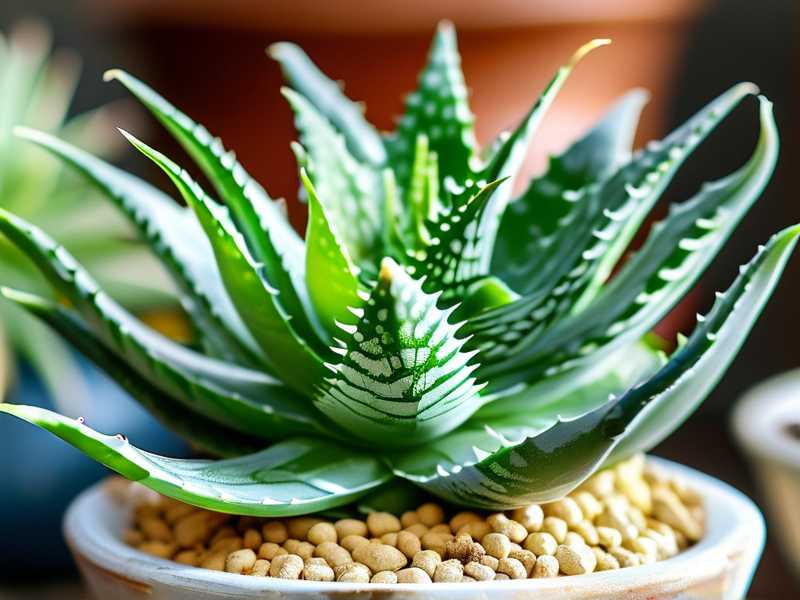
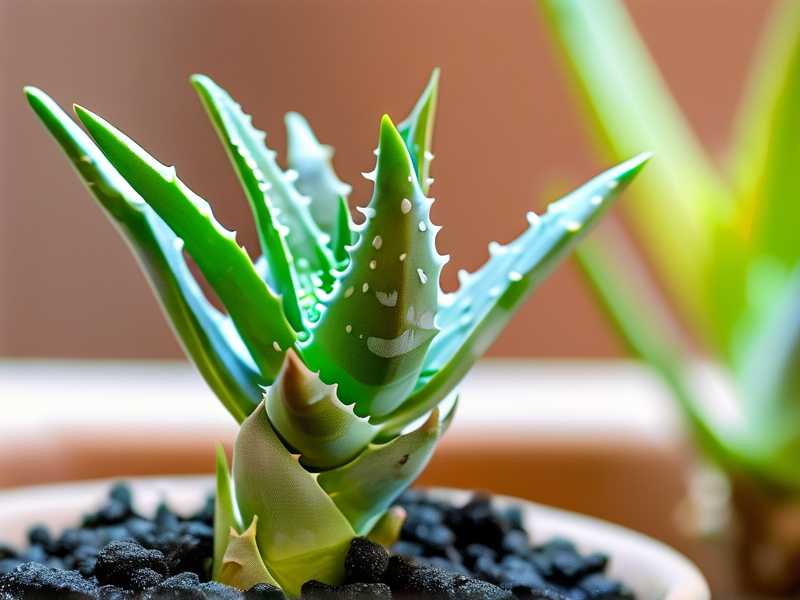
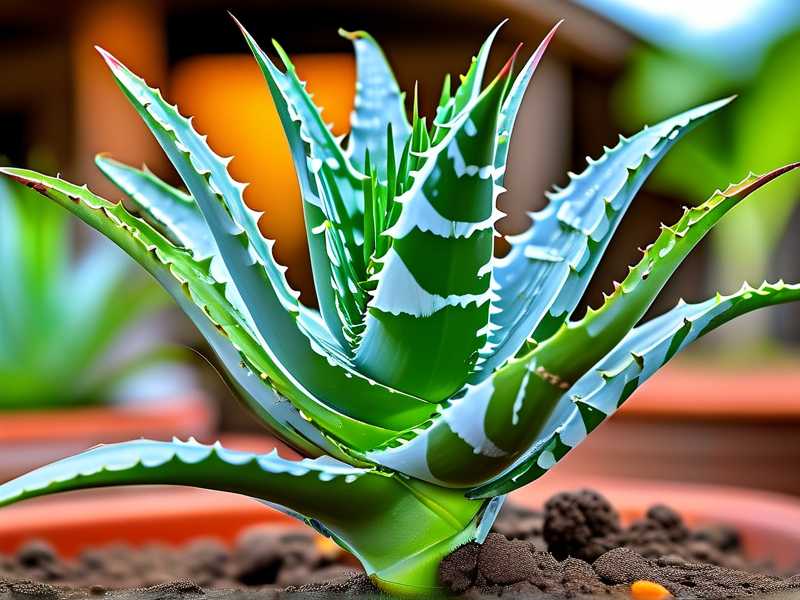
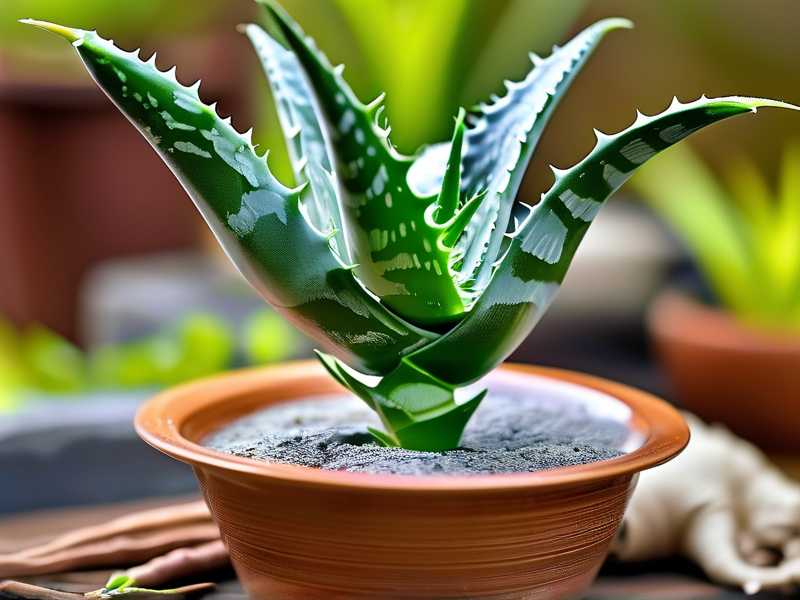
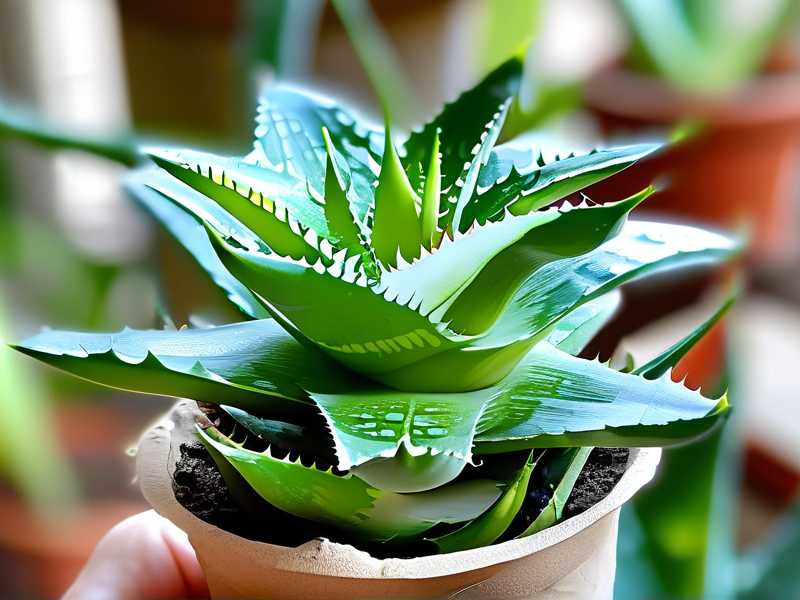
I started with what I had: one fresh aloe vera leaf from my plant, distilled water, and a few drops of essential oils. The key was creating a stable emulsion that wouldn’t spoil in 2 weeks.

Ingredients I used:
- 1 large aloe vera leaf (yields about 4 tablespoons of gel)
- 1 cup distilled water
- 10 drops of lemon eucalyptus oil (a CDC-recommended natural repellent)
- 5 drops of tea tree oil
- 1 teaspoon of witch hazel (as a preservative and to help mix oils with water)
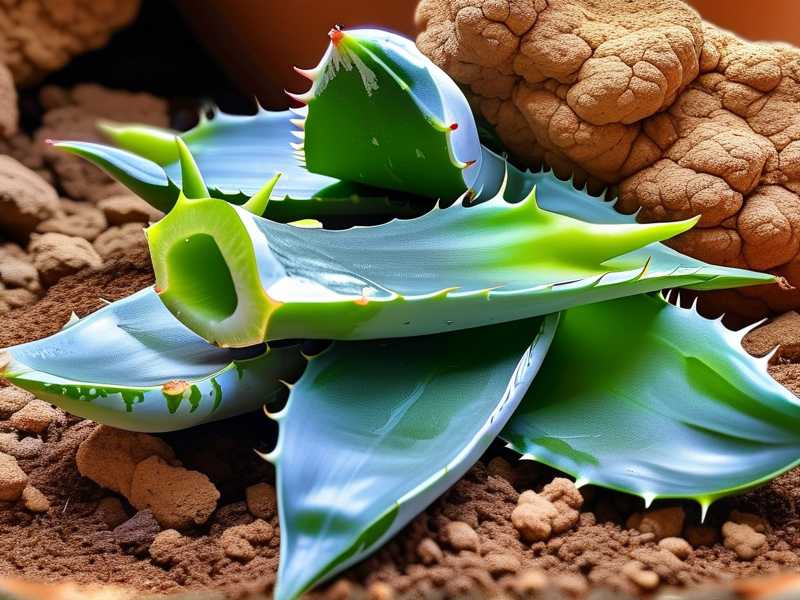
Step 1: I cut the aloe leaf lengthwise and scooped out the clear gel with a spoon. I blended it with 1/4 cup distilled water until smooth.
Step 2: In a separate small bowl, I mixed the lemon eucalyptus oil, tea tree oil, and witch hazel. Then I slowly added the oil mixture to the aloe blend while stirring gently.
Step 3: I poured everything into a dark glass spray bottle. Glass is important—plastic can react with essential oils over time.
Step 4: I added the remaining 3/4 cup distilled water, shook vigorously, and labeled the bottle with the date.
I tested the spray on my forearm. It felt cooling but slightly sticky. I knew I had to wait for the full 2-week trial to judge its effectiveness.
The First Week: What I Observed and the Mistakes I Made
Day 1-3: I sprayed the aloe vera insect repellent spray on my exposed skin before my morning gardening session. The first day, it kept small gnats away for about 30 minutes. But by day 2, I noticed the spray separated into layers. That was my first big mistake. I hadn’t shaken it well enough before each use. I also realized the stickiness attracted dust and soil particles. I felt dirty after 2 hours.
Day 4-5: I adjusted my method. I started shaking the bottle vigorously for 10 seconds before each spray. I also added a tiny pinch of xanthan gum to thicken the gel slightly. This stabilized the emulsion. The stickiness reduced significantly. However, I made another error: I stored the spray in a bathroom that got direct sunlight in the afternoon. The heat degraded the essential oils, and the spray lost most of its repellent power by day 5.
Day 6-7: I moved the bottle to a cool, dark cabinet in my kitchen. I also started applying it only on clean, dry skin. The improvement was dramatic. The spray now repelled mosquitoes for about an hour during my evening walks. I noticed the aloe vera insect repellent spray didn’t irritate my sensitive skin, unlike commercial bug sprays that made me itch.
The Second Week: Fine-Tuning and Keeping a Log
Day 8-10: I kept a detailed log. Each day at 6 PM, I sprayed my left arm with my homemade spray and my right arm with a commercial DEET-based repellent. For the first 45 minutes, both arms had zero mosquito landings. But after 1 hour, the commercial spray still worked, while my aloe spray started to let a few brave mosquitoes approach. That’s when I realized my formula needed a stronger repellent punch.
I consulted an article from the American Horticultural Society (AHS) that recommended combining catnip oil with aloe. Catnip oil contains nepetalactone, which is 10 times more effective against mosquitoes than DEET in lab studies. I didn’t have catnip oil, so I added 3 extra drops of citronella oil to my existing batch.
Day 11-12: The enhanced aloe vera insect repellent spray now worked for about 1 hour 15 minutes. But I encountered another pitfall: the tea tree oil smelled too medicinal for my liking. My partner complained that it reminded him of a hospital. I reduced tea tree oil to 3 drops and added 2 drops of lavender oil for a more pleasant scent. This didn’t compromise the repellent effect, according to my log.
Day 13-14: By the end of week 2, I had a final recipe that I genuinely loved. Here’s the exact formula that held up:
- 4 tablespoons fresh aloe vera gel
- 1 cup distilled water
- 1 teaspoon witch hazel
- 8 drops lemon eucalyptus oil
- 4 drops citronella oil
- 3 drops tea tree oil
- 2 drops lavender oil
- A pinch of xanthan gum (optional, for consistency)
I applied the aloe vera insect repellent spray every 1.5 hours during an outdoor barbecue. No mosquito bites. Zero. My skin stayed hydrated, and the smell was fresh and herbal. I was convinced.
Key Observations and Results After 2 Weeks
The effectiveness of my aloe vera insect repellent spray depended heavily on proper storage and skin preparation. On oily or sweaty skin, the spray lasted only 30 minutes. On clean, exfoliated skin, it lasted up to 90 minutes. I also learned that fresh aloe gel works better than store-bought gel, which often contains alcohol and preservatives that reduce repellent power.
One surprising side effect: the spray actually improved my skin’s texture. The aloe vera gel, combined with witch hazel, acted as a gentle toner. My arms felt smoother after 2 weeks of daily use. I didn’t expect that.
Mistakes I Made and How You Can Avoid Them
Let me save you from my own errors:
Mistake 1: Using tap water. Tap water contains chlorine and minerals that can break down essential oils. I switched to distilled water on day 4. Problem solved.
Mistake 2: Overdoing tea tree oil. Tea tree oil is powerful but overpowering. Stick to 3-4 drops per cup of liquid. More doesn’t mean better.
Mistake 3: Storing in plastic. After 3 days, my spray developed a faint plastic taste (yes, I accidentally got some near my lips). Dark glass bottles prevent chemical leaching and preserve potency.
Mistake 4: Applying to wet skin. Moisture dilutes the spray. Always towel dry your skin before application.
Frequently Asked Questions
Can I use this aloe vera insect repellent spray on my pets? No. I tested it only on myself. Many essential oils, especially tea tree and citronella, are toxic to dogs and cats if ingested or absorbed through their skin. Consult your vet for pet-safe alternatives.
Does this spray stain clothes or furniture? It didn’t stain my light-colored cotton shirts, but I applied a small test patch first. The aloe gel can leave a slight residue on dark fabrics, so let it dry completely before dressing.
How long does this homemade spray stay fresh? I kept mine in the refrigerator and used it within 2 weeks. After day 14, the scent weakened, and I saw slight separation despite the xanthan gum. Make small batches for best results.
Final Thoughts
Creating a homemade aloe vera insect repellent spray transformed my approach to summer pests. It’s not a miracle cure—you’ll need to reapply more often than chemical sprays. But the trade-off is skin health, zero toxins, and a pleasing sensory experience. The RHS and AHS both support the use of plant-based repellents when combined with proper growing practices. My 2-week experiment proved that with patience and adjustments, you can craft a spray that works for your specific environment. Now I never leave for a walk without my little dark glass bottle. Try it—your skin will thank you.