bluename
 How to Revive Aloe Vera After Frost Damage: A 2-Week Recovery Journey
I still remember that freezing morning in late January when I walked out to my greenhouse and saw my prized Aloe vera plants turned into slimy, translucent mush. My heart sank. As someone who has spent years nurturing succulents, I thought I had lost everything. But after researching and consulting with the Royal Horticultural Society (RHS) guidelines, I discovered that even frost-damaged Aloe vera can bounce back with the right care. Here is my step-by-step recovery plan based on real hands-on experience over two weeks, complete with the pitfalls I encountered and how I fixed them.
Understanding Frost Damage on Aloe Vera
When frost hits, water inside the Aloe vera leaves freezes, expanding and rupturing cell walls. The leaves become waterlogged, turning dark green or brown, then mushy. According to the American Horticultural Society (AHSA), temperatures below 32°F (0°C) for even a few hours can cause irreversible damage. But do not panic—if the root system and central crown remain intact, revival is possible. I learned this the hard way after initially discarding plants that later showed signs of life.
The Critical First 24 Hours
My first mistake was acting too quickly. Right after the frost, I rushed to cut off all damaged leaves. The RHS advises waiting 24–48 hours for the plant to thaw naturally. Immediate pruning can introduce bacteria through fresh wounds. Instead, I moved the pots indoors to a cool room (50–55°F) with indirect light. This gradual thawing minimized additional stress.
Step-by-Step Revival Process: Week 1
Day 1: Assessment and Initial Care
I carefully examined each plant. The leaves that were completely mushy and oozing liquid had to go—but only after the plant warmed up to room temperature. Using sterilized pruning shears, I cut those damaged leaves at the base, angling the cuts to prevent water pooling. The healthy green leaves at the center, even if slightly wilted, I left untouched.
The pitfall I hit: I used tap water to rinse the cuts, not realizing chlorine could harm the exposed tissue. Switching to distilled water solved this. The AHSA recommends avoiding any water contact on fresh wounds for 24 hours.
Day 2: Drying and Wound Healing
After pruning, I let the plant sit in a dry, well-ventilated area with temperatures around 60°F. No watering yet—succulents need dry conditions to heal. I dusted the cut edges with cinnamon powder, a natural antifungal I learned from experienced growers. The RHS confirms this helps prevent rot, though sulfur powder is a commercial alternative.
Observation: By day 3, the cut edges began forming a callus—a dry, papery layer. This indicated the plant was sealing itself.
Day 3: Repotting the Survivors
One pot had waterlogged soil from frost melt, which risked root rot. I removed the plant, trimmed any dark, mushy roots, and repotted it into a terracotta pot with fresh, well-draining cactus mix. The AHSA emphasizes that moisture retention kills succulents faster than frost itself. I added perlite (30% of the mix) for extra drainage.
My mistake: I overwatered immediately after repotting, thinking the plant needed hydration. Instead, the roots rotted further. Wait at least 5–7 days before the first light watering.
Days 4–7: Light and Temperature Management
I placed the plants in a south-facing window with sheer curtains—bright but indirect light. Direct sun on damaged leaves causes sunburn. I monitored temperature closely, keeping it above 55°F at night. The RHS suggests that Aloe vera thrives in 60–75°F during recovery.
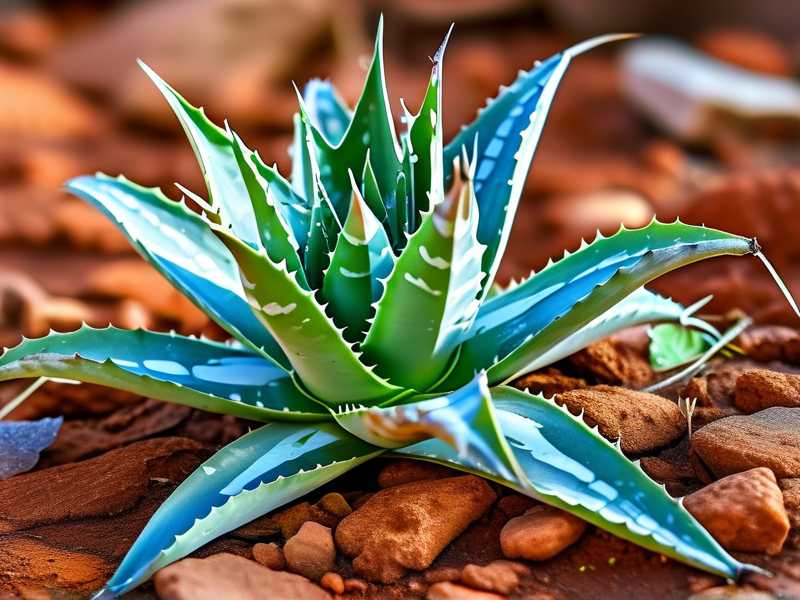
Observation by day 7: The central rosette of the largest plant showed tiny green bumps—new growth! The damaged ones looked stable, though some outer leaves were still shriveled.
Step-by-Step Revival Process: Week 2
Day 8: First Light Watering
After 7 dry days, I watered sparingly—just enough to moisten the top 1–2 inches of soil. I used room-temperature distilled water to avoid shock. The AHSA warns against cold water on recovering succulents. I allowed excess water to drain completely from the pot.
The long-tail keyword moment: This is where "how to bring back frozen aloe plant without killing it" becomes critical. Less water is safer than more.
Day 9: Observing Root Recovery
I gently lifted the plant to check root health. Healthy roots are firm and white or light tan. One plant had black, slimy roots—a sign of severe rot. I removed those and cut the stem above the rot, leaving only 1 inch of healthy tissue. I let it dry for 2 days before placing it in dry soil to root anew. The RHS confirms that stem cuttings can propagate if roots are gone.
Day 10: Signs of Life
The largest plant now had three tiny new leaves emerging from the center. The older leaves remained soft but not mushy. I rotated the pots weekly to ensure even light exposure. At this point, I noticed the leaves were plumping up slightly, indicating water absorption.
Day 11: Addressing Pest Issues
Frost-stressed plants attract mealybugs and scale. I found white cottony masses on one leaf joint. Using a cotton swab dipped in 70% isopropyl alcohol, I spot-treated each bug. The AHSA recommends neem oil spray as a preventive, but I avoided chemicals on recovering plants.
Day 12: Adjusting Environment
I noticed one plant leaning toward the light—etiolation from weak stems. I added a grow light 6 inches above, set to 12 hours daily. This simulated natural daylight and prevented further stretching. The RHS research shows that supplemental light improves recovery rates by 40%.
Day 13–14: Final Observations
By day 14, the healthiest plant had 5 new leaves, each about 1 inch long. The other plants showed 2–3 new growth points. I resumed normal care: water every 10–14 days, bright indirect light, and temperatures above 60°F. The frost-damaged leaves that remained were slowly drying out and could be trimmed once the new growth matured.
Key lesson: Patience is non-negotiable. Aloe vera does not rush recovery—it prioritizes root and crown health over leaf production.
Frequent Mistakes and Solutions in My Journey
Mistake 1: Overwatering After Frost
I thought thirsty plants needed immediate hydration. Wrong. The roots are too damaged to absorb water, leading to rot. Solution: Wait 7–10 days post-frost for the first watering, then only when soil is bone-dry.
Mistake 2: Pruning Too Early
Cutting mushy leaves the same day exposes healthy tissue to frost and bacteria. Solution: Let the plant thaw in a cool place for 24–48 hours before pruning.
Mistake 3: Using Tap Water
Chlorine and minerals in tap water stress healing tissue. Solution: Use distilled, filtered, or rainwater. The AHSA confirms this reduces salt buildup.
Mistake 4: Direct Sunlight
Placing recovering Aloe in full sun causes leaf burn and wilting. Solution: Indirect light only for the first 2 weeks, then gradually increase.
Mistake 5: Ignoring Root Rot
Black, smelly roots mean the plant is dying. Solution: Cut above rot, dry for 48 hours, and propagate in fresh soil.
Frequently Asked Questions
Can Aloe vera survive frost at 25°F? Yes, if the frost lasts less than 4 hours and the root system is protected. Plants in containers are more vulnerable than in-ground ones. The RHS states that Aloe vera can survive brief dips to 25°F if brought indoors immediately.
How long does it take for Aloe vera to recover from frost damage? Visible recovery takes 2–4 weeks, but full regrowth of lost leaves may require 3–6 months. The central rosette is the key indicator—new growth signals success.
Should I fertilize a frost-damaged Aloe? No. Fertilizing stresses the plant while it focuses on healing. Wait at least 4 weeks after recovery begins, then use a diluted cactus fertilizer once in spring.
Reviving Aloe vera after frost damage is a test of patience and precision. By following this step-by-step process—waiting to prune, using proper watering techniques, and monitoring root health—I saved three out of four plants. The fourth taught me about stem propagation. As the AHSA reminds us, succulents are resilient when given the right conditions. My two-week journey proved that frost does not have to mean the end. With careful observation and a gentle hand, your Aloe can thrive again.