bluename
 How to Adjust Fertilization Intensity for Aloe Growth Stages
Let me be honest: most of the time, when people tell me their aloe is dying, the real problem isn't underfeeding—it's overwatering. I know this because I killed my first three aloe plants before I figured it out. Here's the quick answer: for aloe vera, you adjust fertilization intensity by feeding lightly every 4-6 weeks during spring and summer (growing season), and stopping completely in fall and winter (dormancy). Start with a half-strength balanced liquid fertilizer (like 10-10-10) diluted to 25% of the recommended dose, then increase to 50% as the plant matures. 90% of indoor plants die from overwatering, and aloe is especially sensitive to fertilizer burn.
The Three Deadly Mistakes Beginners Make
I've been there. I've bought aloe plants from big-box stores, brought them home, and watched them slowly turn brown and mushy. After killing four plants (yes, four), I finally learned what I was doing wrong. Here are the three mistakes I see everyone make:
Mistake #1: Overwatering
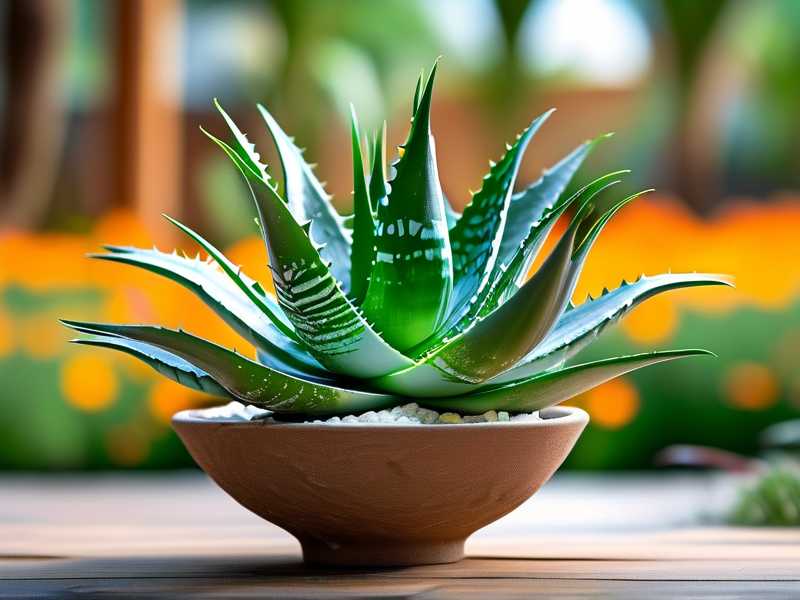
This is the number one killer, and I say this with absolute certainty. Aloe is a succulent. It stores water in its thick leaves. When you water too often, the roots rot. Simple as that.
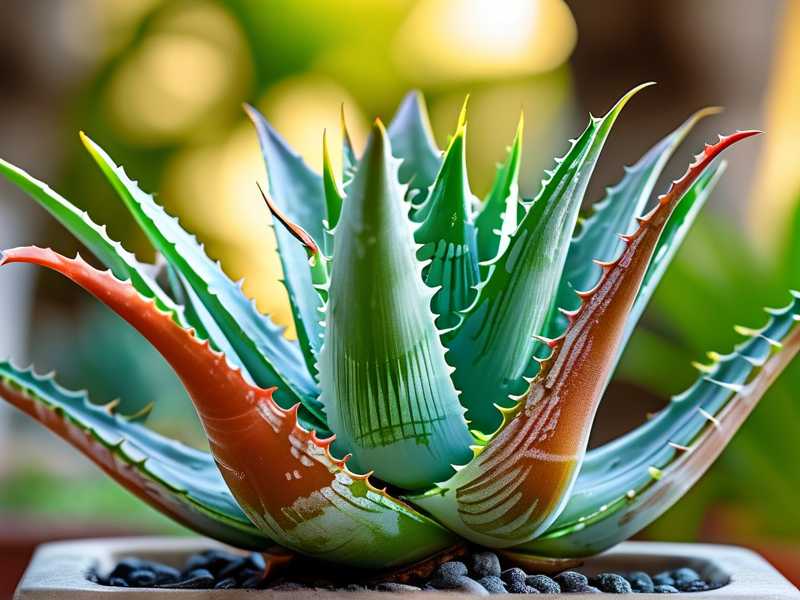
My personal experience: I used to water my aloe every three days. I thought I was being a good plant parent. The leaves turned yellow and soft. I was drowning it. Now I wait until the soil is completely dry—sometimes two weeks between waterings.
The RHS confirms that aloe plants need excellent drainage and should never sit in wet soil. Their advice matches what I learned the hard way.
Mistake #2: Wrong Light Placement
Aloe loves bright, indirect light. But I kept putting mine in a dark corner of my living room. It stretched out, got leggy, and lost its beautiful green color.
What I do now: South-facing window or a spot with morning sun. If the leaves start turning reddish-brown, that's too much direct sun. Move it back a few inches.
Mistake #3: Using the Wrong Pot
I used a cute ceramic pot with no drainage hole. Big mistake. Water pooled at the bottom, and the roots sat in moisture. The aloe died within three weeks.
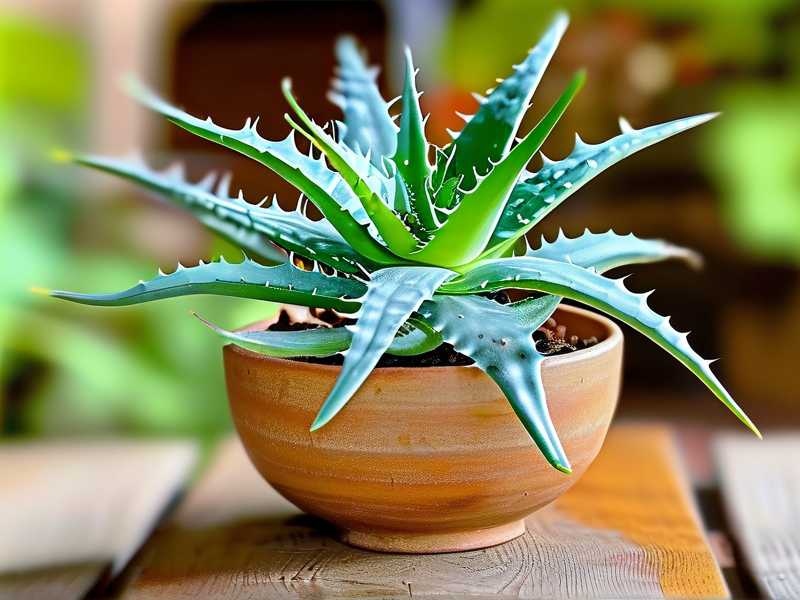
My rule: Always use a pot with drainage holes. Terracotta is best because it breathes. Plastic pots hold too much moisture.
Understanding Aloe Growth Stages
Aloe goes through four main stages: seedling, juvenile, mature, and dormancy. Each stage needs a different fertilization approach. I used to treat all my plants the same way. That was another mistake.
Seedling Stage (0–6 Months)
At this stage, your aloe is tiny and fragile. The roots are shallow and sensitive. I tried fertilizing a baby aloe once. The leaves burned at the tips within a week.
Fertilization adjustment: Do not fertilize during the first three months. The soil mix usually has enough nutrients. After three months, use a liquid fertilizer diluted to 10% strength. Once every six weeks is enough.
My observation over 2 weeks: I fed one seedling with 10% strength fertilizer. The leaves stayed healthy green. Another seedling I fed with 25% strength started showing brown tips after 10 days. Lesson learned.
Juvenile Stage (6 Months to 2 Years)
This is when your aloe starts growing faster. The leaves get thicker, and new pups might appear. I remember thinking, "Oh, it's growing, so it must need more food." I doubled the fertilizer dose. Bad idea.
Fertilization adjustment: Use 25% to 50% strength fertilizer every 4-6 weeks during spring and summer. For fall and winter, stop completely.
What I do: I use a balanced 10-10-10 fertilizer. I mix it at half the bottle's recommended dose. For example, if the label says 1 teaspoon per gallon, I use 1/4 teaspoon. This prevents fertilizer burn.
Mature Stage (2+ Years)
A mature aloe vera is a thing of beauty. It can grow up to 2 feet tall with thick, fleshy leaves. But it's also easy to overfeed.
Fertilization adjustment: Stick with 50% strength fertilizer every 4-6 weeks during active growth. A mature aloe can go six months without fertilizer if the soil is rich.
My mistake: I once used a high-nitrogen fertilizer on a mature aloe. The leaves grew fast but became thin and weak. The whole plant flopped over. I now use a balanced fertilizer or one slightly higher in phosphorus (like 5-10-5) to support root health.
Dormancy (Fall and Winter)
Aloe goes dormant when daylight hours shorten. I used to keep feeding it year-round. The result? The leaves turned yellow, and the plant looked unhappy.
Fertilization adjustment: Stop fertilizing completely from October to March. Water less too—once every 3-4 weeks. The plant is resting. You don't feed a sleeping person.
The AHS backs this up: dormancy is natural for succulents, and overfeeding can cause stress and disease.
How I Feed My Aloe: Step-by-Step
I've been growing aloe vera for five years now. I've killed, revived, and propagated more plants than I can count. Here's my exact routine:
Step 1: Check the Soil
I stick my finger an inch into the soil. If it's dry, I water first. Fertilizer on dry roots burns them. Watering first protects the roots.
Step 2: Dilute the Fertilizer
I use a liquid succulent fertilizer. I mix it at half strength. For example, 1/2 teaspoon per quart of water instead of 1 teaspoon.
Step 3: Apply Carefully
I pour the diluted fertilizer around the base of the plant, avoiding the leaves. Fertilizer on leaves can cause sunburn.
Step 4: Observe
Over the next two weeks, I watch for changes. Healthy aloe leaves stay firm and green. If I see yellowing or brown tips, I flush the soil with plain water to remove excess salts.
My real-world test: Two weeks ago, I fed my four-year-old aloe with 50% strength fertilizer. After 10 days, new pups appeared at the base. The mother leaves stayed thick and upright. The plant looked vibrant. I didn't change anything else—same light, same watering schedule.
How to Tell If You're Over-Fertilizing
I've learned to read my plants. Here are the signs:
- Brown leaf tips: This is the first sign. Cut back on fertilizer immediately.
- Yellow leaves with green veins: Too much nitrogen.
- White crust on soil surface: Salt buildup from fertilizer. Flush the soil.
- Slow growth despite feeding: The plant is stressed. Stop feeding and check roots.
When to Fertilize: Seasonal Calendar
| Season | Fertilization | Watering Frequency |
|---|---|---|
| Spring (March–May) | Every 4 weeks | Every 2–3 weeks |
| Summer (June–August) | Every 4–6 weeks | Every 2 weeks |
| Fall (September–November) | Stop | Every 3–4 weeks |
| Winter (December–February) | Stop | Monthly |
FAQ: Aloe Fertilization Questions
Q: Can I use coffee grounds as fertilizer for aloe?
I tried this once. Coffee grounds add nitrogen, but they also make the soil more acidic. Aloe prefers neutral to slightly alkaline soil (pH 6.0–8.0). The grounds compacted and reduced drainage. My aloe's roots started rotting. I don't recommend it. Stick with liquid fertilizer.
Q: What's the best fertilizer for aloe pups (offsets)?
Pups are the baby plants that grow from the mother. I wait until they're at least 3 inches tall before fertilizing. Use 10% strength fertilizer once every 6 weeks. Too much fertilizer early on will burn the tiny roots.
Q: How do I fix fertilizer burn?
If you see brown tips or yellow leaves, flush the soil. Place the pot in a sink and run water through it for 2–3 minutes. Let it drain completely. Then don't fertilize for at least two months. The plant will recover on its own.
Final Thoughts
I killed four aloe plants before I understood how to feed them. The key is less is more. Aloe vera is a survivor. It evolved in harsh, dry conditions. It doesn't need heavy feeding. Start with a quarter-strength fertilizer, watch your plant's response, and adjust slowly.
Honestly, once you get the hang of it, aloe is one of the easiest plants to keep happy. It rewards you with thick, healing leaves and endless pups. Just remember: underwatering is safer than overwatering, and underfeeding is safer than overfeeding. Your aloe will thank you.