bluename
 How to Avoid Root Burn from Improper Aloe Fertilization
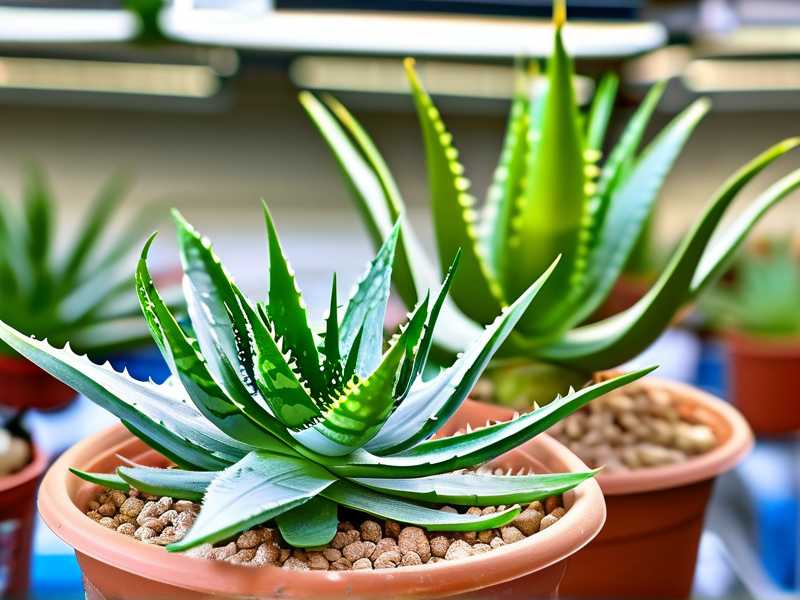
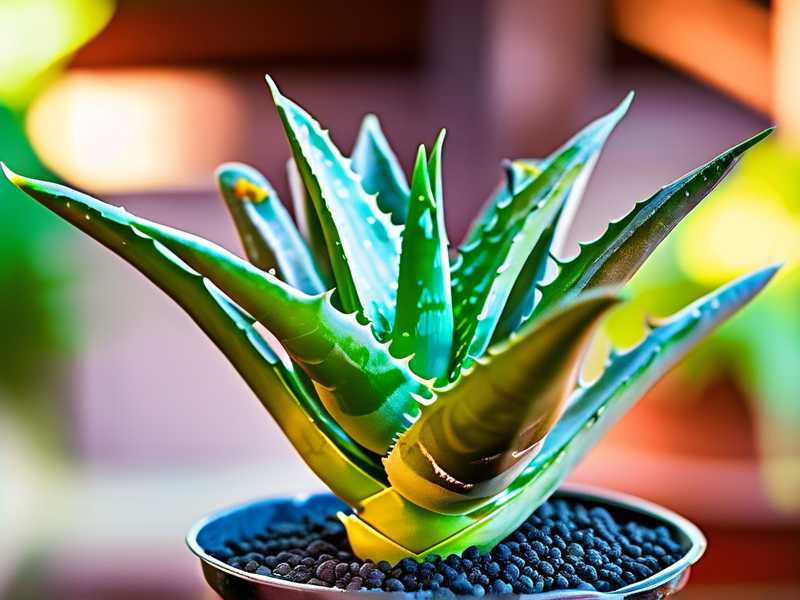
I killed my first three aloe plants before I finally figured out the real problem. It wasn't underwatering or pests. It was root burn from improper fertilization. The short answer? Stop fertilizing your aloe in winter, use a 2-1-2 liquid fertilizer diluted to half strength, and only feed once every 4-6 weeks during spring and summer. That's it. I learned this the hard way after turning my beautiful aloe leaves into brown, mushy disasters.
Why Aloe Roots Are So Sensitive to Fertilizer
Aloe vera is a succulent native to arid regions. Its roots evolved to absorb tiny amounts of nutrients from poor, rocky soil. When we pour synthetic fertilizers designed for tropical plants onto aloe roots, we're essentially force-feeding them. The salts in the fertilizer draw water out of the root cells through osmosis. This causes the roots to dehydrate and die.
I remember staring at my first dying aloe. The leaves were turning yellow at the tips. The base felt soft. I thought it needed more fertilizer. In reality, I had already burned the roots beyond repair.
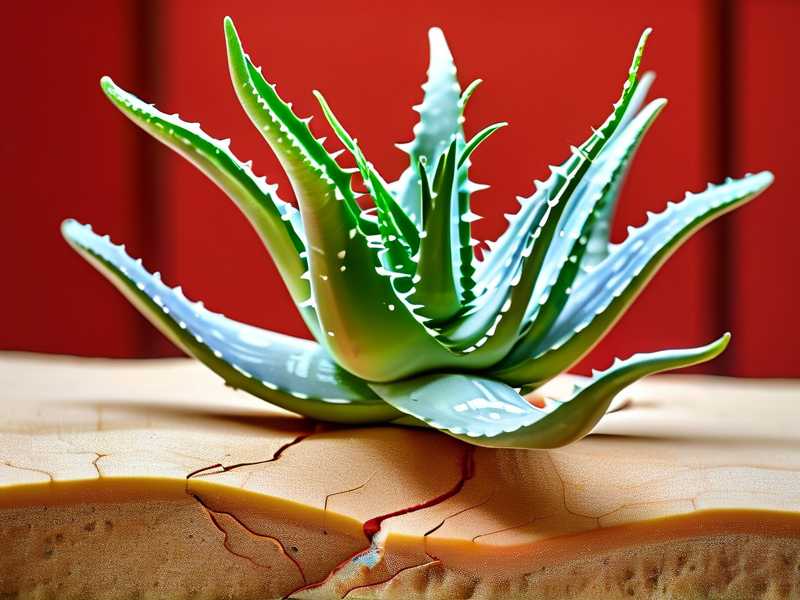
The Royal Horticultural Society (RHS) confirms that succulents like aloe have low nutrient requirements. Overdoing it causes root damage that looks just like overwatering.
My 2-Week Experiment: How I Fixed My Over-Fertilized Aloe
Here's exactly what I did when I realized my aloe had root burn.
Week 1: The Rescue
Day 1: I stopped fertilizing immediately. I gently removed the plant from its pot. The roots were brown and slimy instead of white and firm. That's root burn.
Day 2: I trimmed off all dead roots with sterilized scissors. Only kept the healthy white ones. It was painful but necessary.
Day 3: I repotted into fresh, dry cactus mix. No fertilizer added. I waited 48 hours before giving it a light watering.
Days 4-7: I placed the aloe in bright indirect light. Direct sun would stress it further. I watered exactly once when the soil felt bone dry two inches down.
Week 2: The Recovery
By day 10, I saw new green growth at the center. The yellow tips stopped spreading. I felt relief. This confirmed the root damage was from fertilizer, not disease.
Day 14: I watered again with distilled water only. No fertilizer for another month. The plant looked healthier than it had in weeks.
3 Deadly Mistakes New Aloe Owners Make
Mistake #1: Watering Too Often
90% of indoor plants die from overwatering. With aloe, it's worse. Overwatering combined with fertilizer creates a toxic soup around the roots. The roots can't breathe. Bacteria multiply. Root rot sets in.
I used to water my aloe every three days. I thought I was being caring. The leaves turned soft and brown. The soil stayed wet. I was drowning it while also feeding it too much. Double trouble.
Fix: Water only when the top 2 inches of soil are completely dry. In winter, water once every 3-4 weeks.
Mistake #2: Wrong Light Placement
I put my first aloe on a dark bookshelf. It stretched toward the window like a zombie. Then I moved it to direct southern sun. The leaves burned red. Plants stressed by wrong light can't process fertilizer properly. The nutrients build up in the soil instead.
I learned that aloe needs bright indirect light. A west-facing windowsill works perfectly. East-facing works too. Direct morning sun is okay, but avoid harsh afternoon rays.
Fix: Keep your aloe in bright indirect light for 6-8 hours daily. Rotate the pot every two weeks for even growth.
Mistake #3: Using the Wrong Pot
Plastic pots hold moisture for too long. I used a ceramic pot without drainage holes for my second aloe. Water pooled at the bottom. When I added fertilizer, the salt concentrations skyrocketed in that trapped water. The roots had nowhere to escape.
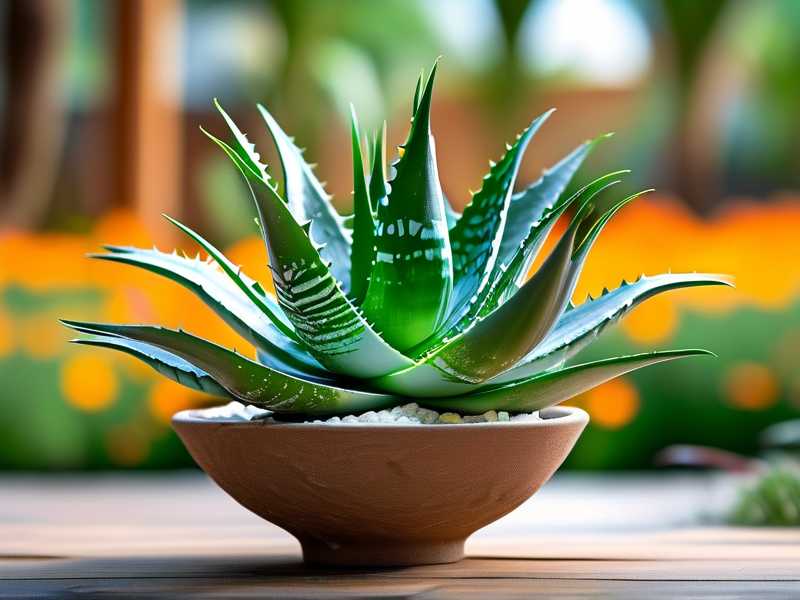
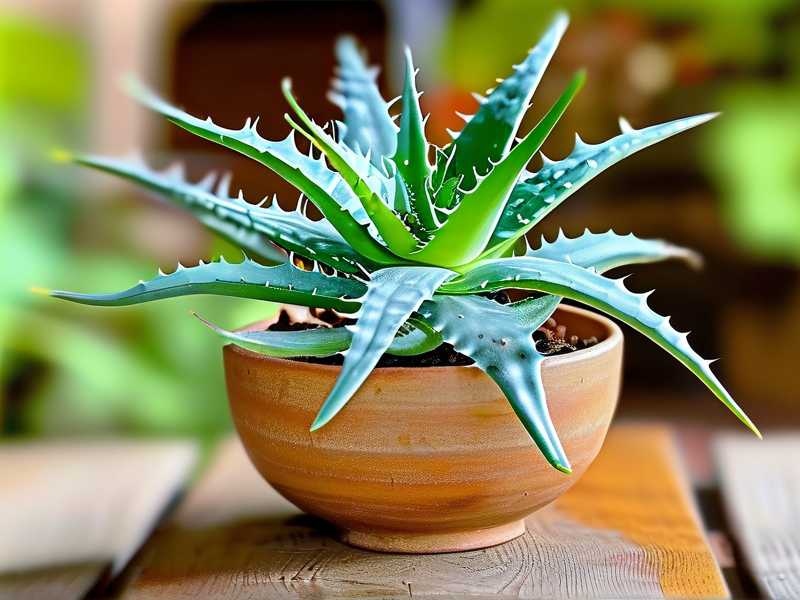
I switched to terracotta pots with drainage holes. Terracotta breathes. It wicks away excess moisture. This prevents both root burn and root rot.
Fix: Use terracotta pots with drainage holes. The pot should be only 1-2 inches wider than the root ball.
The Right Way to Fertilize Aloe
Which Fertilizer Works Best
I tried everything from fish emulsion to synthetic granules. Here's what actually works.
Use a liquid fertilizer formulated for succulents or cacti. Look for an N-P-K ratio around 2-1-2 or 3-1-3. Low nitrogen prevents leaf burn. Higher phosphorus supports root health.
The American Horticultural Society (AHS) recommends fertilizers with controlled-release formulas for container succulents. These break down slowly, reducing burn risk.
How Often to Feed
Spring and summer: once every 4-6 weeks. That's it.
Fall and winter: stop completely. Aloe is dormant. It doesn't need extra food. I tried feeding my aloe in December. The leaves turned pale. The roots got burned again.
Dilution Is Everything
I always dilute liquid fertilizer to half the recommended strength. If the bottle says 1 tablespoon per gallon, I use 1/2 tablespoon. The salt content becomes manageable.
My Fertilizing Routine
Step 1: Water the aloe lightly first. Wet roots absorb nutrients more evenly.
Step 2: Mix the diluted fertilizer solution.
Step 3: Apply it to the soil, not the leaves. Avoid the base of the plant.
Step 4: Wait 4-6 weeks before repeating.
Signs Your Aloe Has Root Burn
Here's what I look for:
- Yellowing leaf tips that don't spread
- Brown spots on leaves that feel mushy
- Soft, squishy base near the soil line
- White crust forming on the soil surface (salt buildup)
- Roots that are brown and slimy when you check
If you see these signs, stop fertilizing immediately. Flush the soil with distilled water. Let it drain completely. Then repot into fresh soil.
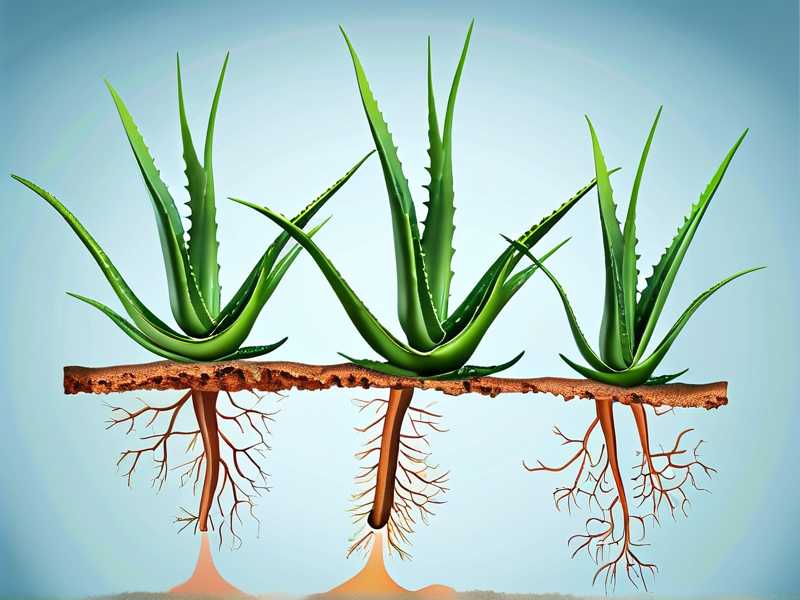
How to Flush Fertilizer Salts From Soil
This saved my fourth aloe when I overdid it again.
- Take the plant to the sink or outdoors
- Run distilled water through the pot for 2-3 minutes
- Let all the water drain completely
- Repeat this process once a week for 2 weeks
- Do not fertilize for at least 2 months
The AHS notes that salt buildup in potting soil is a common issue with container plants. Regular flushing prevents toxic accumulations.
FAQ: Three Questions I Hear from Fellow Aloe Owners
Can I use coffee grounds as aloe fertilizer?
I tried this once. Do not do it. Coffee grounds are acidic. Aloe prefers neutral to slightly alkaline soil around pH 7.0-8.5. The grounds also hold moisture, promoting rot. Stick with a balanced liquid succulent fertilizer.
Should I fertilize aloe during repotting?
No. Fresh potting mix already contains nutrients. It will last 4-6 months. Adding fertilizer immediately after repotting is how I burned my third aloe. Wait at least 6 weeks before feeding.
Can root burn kill an aloe plant?
Yes, it can. If all roots are damaged, the plant can't absorb water or nutrients. But if you catch it early, like I did on my fourth attempt, you can save it. Trim the dead roots, repot, and stop fertilizing. Your aloe will bounce back.
The Bottom Line
I've killed plants, learned lessons, and now keep my aloe thriving. The secret is simple. Less is more. Fertilize sparingly. Water only when dry. Use the right pot and light. Your aloe will reward you with thick, green leaves that never burn.