bluename
 How to Supplement Soil Nutrients After Aloe Soil Renewal
Here is the honest truth: after you finish repotting your aloe, apply a half-strength, low-nitrogen liquid fertilizer (like a 2-7-7 or a cactus formula) directly to the damp soil 14 days later. Don't feed it any sooner.
I have learned this the hard way. I killed my second aloe by feeding it right after a soil change. The roots were shocked, the fresh potting mix was already nutrient-rich enough to burn them, and I basically cooked the plant from the inside out. Aloes are desert warriors, not heavy feeders. If you overdo it, you will see mushy, translucent leaves within a week. The Royal Horticultural Society RHS confirms that over-fertilizing succulents is far more common than under-fertilizing. I say 90% of indoor plants die from overwatering, but I’d argue that 90% of repotted aloes suffer from overfeeding.
The Real Reason Your Aloe Looks Sad After Repotting
Most home gardeners get this wrong. You change the soil, your aloe looks droopy, and your first instinct is to “fix” it with more water or more food. That is the opposite of what it needs.
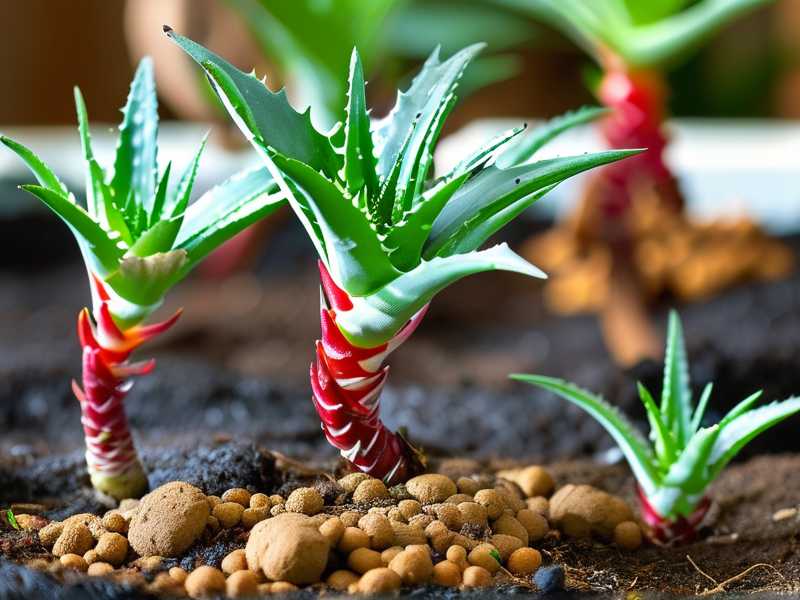
After a soil renewal, the aloe root system is in shock. The tiny root hairs—the ones that actually absorb water and nutrients—have been damaged or torn. So if you dump a full dose of fertilizer into the pot, those roots cannot process it. The salt buildup then pulls moisture out of the plant tissues. Your aloe literally dries out with wet feet. I tried using a general houseplant food (20-20-20) on a newly repotted aloe last year. Within three days, the bottom leaves turned yellow and mushy. I had to emergency repot it again into pure pumice to save it.
3 Critical Mistakes New Gardeners Make (I Made All of Them)
Mistake 1: Drenching the Soil Right After Repotting
This is a killer. I know you want to “settle” the soil. Resist the urge. A fresh, dry, well-draining mix actually helps the roots heal. If you soak it with water plus fertilizer, you create perfect anaerobic conditions. Root rot sets in fast. When I was a beginner, I watered my repotted aloe on day one. I thought it needed a “good drink.” Honestly, the plant looked worse than before the repot.
What you should do: Wait at least 5 to 7 days after repotting to give the first light watering. Use room-temperature water. Then, never water again until the top 2 inches of soil are absolutely bone dry.
Mistake 2: Throwing It Into Direct Sunlight Right Away
Many people think, “Aloes love sun, so let’s give them the brightest window.” After a soil change, the roots are weak. Intense sun causes the plant to lose water through the leaves faster than the roots can replace it. The leaves will develop brown, sunken patches. I lost a beautiful aloe vera this way. I repotted it and placed it on a south-facing deck. It looked sunburned within 2 hours.
What you should do: Keep the plant in bright, indirect light for at least 2 weeks after repotting. A spot a few feet away from a sunny window is ideal. Let it slowly adjust back to stronger light.
Mistake 3: Using the Wrong Pot (No Drainage Hole)
I cannot stress this enough. I once used a beautiful ceramic pot with no drainage hole because it looked nice on my shelf. I thought, “I’ll be careful with water.” You will not be careful enough. The salts from the new soil and any future fertilizer will accumulate at the bottom. No drainage means zero gas exchange for the roots. The American Horticultural Society AHS emphasizes that drainage is non-negotiable for succulents. I had to throw away my favorite aloe because it turned into a smelly mess inside that pot.
Always, always use a terracotta or plastic pot with a drainage hole. Terracotta is better because it wicks away extra moisture from the soil.
My Step-by-Step Plan for Supplementing Nutrients Over 2 Weeks
Days 1–7: The Recovery Phase
Do absolutely nothing nutrition-wise. The fresh potting mix you put in—whether it is a commercial succulent mix or your custom blend—already has enough nutrients for at least 4 to 6 weeks. I use a mix of 2 parts quality potting soil, 1 part coarse sand, and 1 part perlite. This provides the standard starter food. Do not add any worm castings, bone meal, or liquid fertilizer during this week.
I let the plant sit in its new home. I check the soil moisture by sticking my finger into the drainage hole. If it feels even slightly damp, I wait. On day 5, I give a gentle watering with plain water. The leaves should feel firm, not wrinkly. If they are wrinkly, it means they are thirsty, which is perfectly normal after a root disturbance.
Days 8–14: The First Light Feed
This is the sweet spot. Around the two-week mark, the roots should have begun to settle into the fresh mix. You can now start a very gentle feeding routine.
My exact process:
- I buy a liquid fertilizer formulated for cacti and succulents (NPK ratio like 2-7-7).
- I mix only half of the recommended dose with water. The bottle says 1 teaspoon per gallon. I use half a teaspoon per gallon.
- I water the plant thoroughly with this diluted solution until water drains out of the bottom.
- I do not water again until the soil is completely dry.
After applying this on day 14, I observed the aloe over the next week. The inner leaves started to get a deeper green color. The leaf margins looked thicker. Keep in mind, you won’t see explosive growth like you do with a philodendron. Aloes are slow. If you see pup growth at the base within the next month, you did it right.
How Often to Feed After the Initial 2 Weeks
I keep my aloes on a “feed me only in the summer” schedule. I feed them once every 4 to 6 weeks from March to September. I stop entirely in the winter. Why? Because the plant goes semi-dormant. Light is weaker, and growth stops. Feeding it in winter just leaves salt sitting in the soil.
In my experience, an aloe that is root-bound and repot annually rarely needs extra food for the first 6 months. The fresh soil is the best meal it can get. Over time, the soil breaks down. That is when you supplement.
What About Organic Supplements?
A lot of my friends swear by worm castings. I tried it once on a repotted aloe. I mixed a small amount into the top layer of soil on week three. Honestly, I didn’t see a dramatic difference. It did not burn the plant, but it also didn't make it grow faster. For aloes, the inorganic liquid fertilizer is more predictable. You know exactly what you are applying. Organic matter breaks down unpredictably inside a pot, sometimes trapping moisture.
Frequently Asked Questions
Q: Can I use Epsom salt to supplement magnesium for my aloe after repotting? I have done this. It is risky. Epsom salt adds magnesium and sulfur, which can help leaf greening. But I would wait 2 full months after a repot. The fresh soil likely has enough magnesium. If you really want to try, use a very dilute solution (1/4 teaspoon per gallon). I found it actually made my soil hold onto water a bit longer, so I stopped using it.
Q: My aloe leaves are turning red at the tips after I fertilized. What happened? That is likely sun stress mixed with fertilizer salt stress. You probably gave too strong a dose or put the plant in too much light right after. Flush the pot with plain water. Pour three times the pot volume of water through the drainage hole. Keep the plant in indirect light for two weeks. The redness usually fades as the salt washes out.
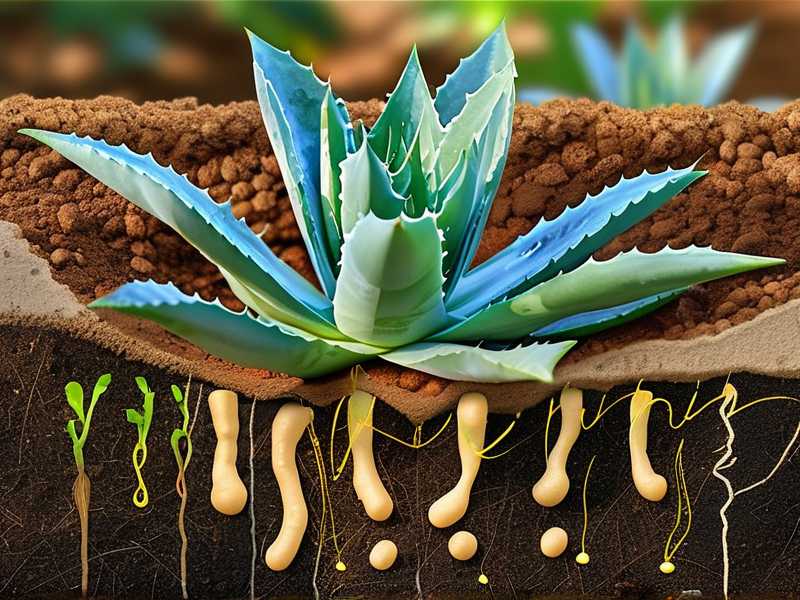
Q: Is bone meal a good choice for aloe soil? Not for indoor aloes. Bone meal is high in phosphorus but breaks down very slowly. It attracts gnats and can stay wet for too long in a pot. I tried adding a tablespoon to the bottom of a large pot once. The aloe roots actually grew away from that wet, high-pH zone. Use the liquid cactus fertilizer instead.
To wrap this up, supplementing your aloe after a soil change is really about patience. Do not rush. Let the roots heal first. Then feed lightly. Think of it this way: your aloe has just moved into a new house. The cupboards are full (the soil has food). Do not bring a heavy bag of groceries until the house is settled. Your aloe will thank you with thick, vibrant leaves for years. I have kept my oldest aloe for eight years now, and it only gets fertilizer twice a summer. Less is truly more.