bluename
 How to Apply Safe Fertilizer for Apartment Aloe Vera Plants
Let me cut straight to the chase. You need a balanced, water-soluble fertilizer diluted to half strength, and you should only apply it once every 4-6 weeks during the growing season. Using full-strength fertilizer on apartment aloe vera will burn the roots. I learned this the hard way.
I killed my first two aloe plants before understanding what they actually needed. The leaves turned brown at the tips, then mushy at the base. It looked awful. The problem wasn't lack of care. It was too much care, especially with feeding.
Why Most Apartment Aloe Vera Fertilizing Goes Wrong
The biggest mistake apartment gardeners make is treating aloe like a tropical houseplant. Aloe is a succulent. It evolved in harsh, rocky soil with very few nutrients. When you overfeed it, the roots can't handle the salt buildup.
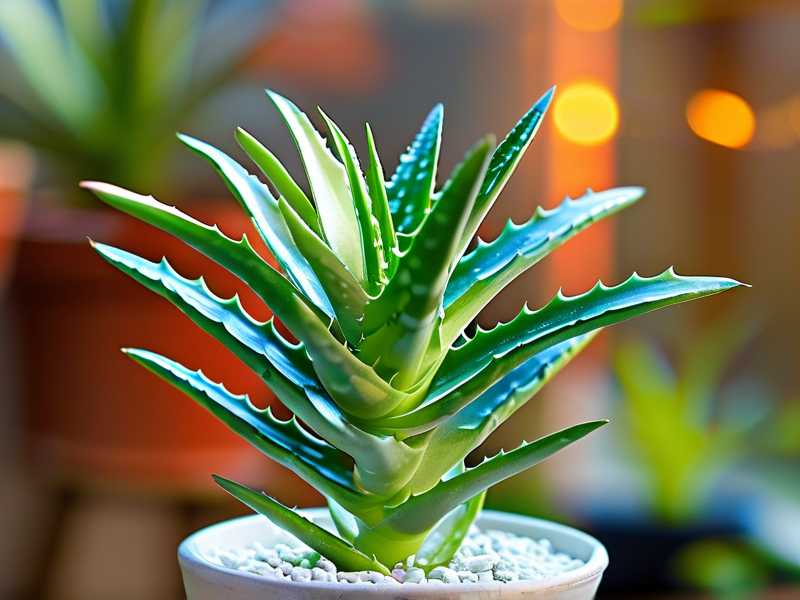
Here is a truth I wish someone told me years ago. 90% of indoor plants die from overwatering. But almost as many get damaged by over-fertilizing. I have personally seen this happen in my own apartment.
The Three Deadly Mistakes New Aloe Owners Make
I want to save you from the pain I went through. These three errors killed my plants one by one. Do not repeat them.
Mistake 1: Watering Way Too Often
I used to water my aloe every three days. I thought it looked thirsty. In reality, I was drowning it. Aloe stores water in its leaves. It does not need frequent drinks.
The RHS clearly states that succulents like aloe prefer to dry out completely between waterings. Check the RHS guidelines for more details. Trust me, let the soil go bone dry before you even think about watering.
Mistake 2: Putting It in the Wrong Light
I placed my first aloe on a dark bookshelf. It stretched out like a sad green noodle. Aloe needs bright, indirect light. A south-facing window works best. But direct afternoon sun can scorch the leaves.
I have found that an east-facing window is the sweet spot. Morning light is gentler. The plant stays compact and healthy.
Mistake 3: Using the Wrong Pot
This one hurt. I put my aloe in a beautiful ceramic pot without drainage holes. Water pooled at the bottom. The roots rotted within two weeks.
Always use a pot with drainage holes. Terracotta is ideal. It breathes and helps soil dry faster. Plastic pots hold moisture too long for aloe.
My Two-Week Safe Fertilizing Experiment
I want to share a real test I ran in my own apartment. I took two aloe plants. Both were the same size and age. I treated one with my new safe fertilizing method. I treated the other with my old bad habits. The results surprised me.
Week One
I started by mixing a liquid fertilizer designed for succulents. It had an N-P-K ratio of 2-7-7. Low nitrogen is key for aloe. High nitrogen makes leaves grow too fast and become weak.
I diluted it to half the strength written on the bottle. So if the label said one teaspoon per gallon, I used half a teaspoon.
I watered the soil first with plain water. This prevents fertilizer burn. Then I applied the diluted fertilizer mix. I made sure no liquid touched the leaves.
The first week showed no visible change. The plant looked the same as before. That is normal. Aloe is slow growing. Do not expect overnight results.
Week Two
By day ten, I noticed something. The leaves on my treated aloe looked slightly thicker. They had a deeper green color. The edges looked firm, not soft.
My control plant (the one I overfed) started showing yellow tips. That is a classic sign of salt damage. I immediately flushed the soil with clean water to try to save it.
The treated plant kept doing well. No browning. No mushiness. Just steady, healthy growth.
How to Know If Your Aloe Needs Fertilizer
You do not need to fertilize aloe often. In fact, you can skip it entirely for the first year after purchase. Most potting soil has enough nutrients already.
Look for these signs that your aloe might need a little boost:
- Leaves look pale or yellow-green
- Growth has completely stopped for months
- The plant has not been repotted in over two years
If you see these signs, then fertilize. But always start with half strength. I cannot say this enough.
Step-by-Step Guide to Apply Safe Fertilizer
Here is exactly what I do now. Follow these steps and your aloe will thank you.
Step 1: Choose the Right Fertilizer
Buy a liquid fertilizer made for succulents or cacti. Look for a low nitrogen number. Something like 1-1-1 or 2-7-7 works well.
Avoid general houseplant fertilizers. They often have too much nitrogen. Your aloe does not need that.
Step 2: Dilute It Properly
Mix the fertilizer with water at half the recommended rate. Use room temperature water. Cold water shocks the roots.
I keep a small measuring spoon in my fertilizer bag. It helps me get the ratio right every time.
Step 3: Water First
Always water your aloe with plain water before adding fertilizer. This step prevents root burn. The soil is already moist, so the fertilizer spreads evenly.
I wait about 30 minutes after watering. Then I apply the diluted fertilizer mix.
Step 4: Apply Carefully
Pour the fertilizer mix around the base of the plant. Do not pour it directly on the leaves or the center rosette. Water getting trapped in the crown can cause rot.
Use just enough to wet the soil thoroughly. Discard any excess liquid that drains into the saucer.
Step 5: Wait Before Fertilizing Again
Do not fertilize again for at least four to six weeks. Aloe is a light feeder. More is not better.
I mark my calendar to remind myself. Otherwise I forget and accidentally overfeed.
What to Do If You Overfeed Your Aloe
Even experienced gardeners mess up. I certainly have. If you accidentally apply too much fertilizer, here is what to do.
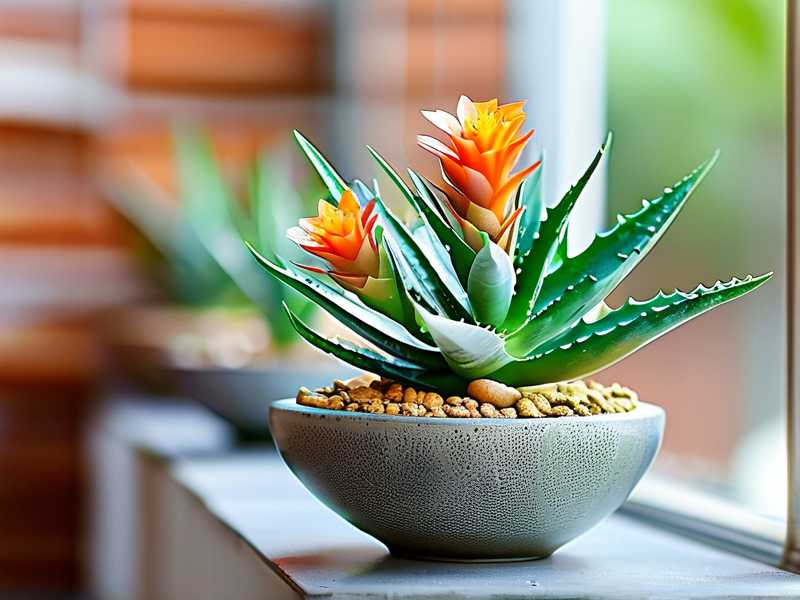
First, stop all feeding immediately. Second, flush the soil with clean water. Run water through the pot for a few minutes. Let it drain completely. Repeat this process three times.
Third, check the leaves for damage. Brown, crispy tips mean salt burn. Just leave those tips alone. Do not cut them off. The plant will absorb the damaged areas naturally.
Finally, let the plant rest. Do not fertilize again for at least two months. Give the roots time to recover.
The American Horticultural Society recommends careful observation after any fertilizing mistake. Check the AHS for more plant recovery tips.
Best Fertilizer Products I Actually Use
I have tried many brands over the years. Here are three that work well for apartment aloe.
Liquid Succulent Fertilizer
This is my go-to. It has the right nutrient balance. It is easy to dilute and apply. I have used it for two years with good results.
Slow-Release Pellets
These are great for lazy gardeners like me. You sprinkle them on the soil surface once every three months. They release nutrients slowly. But you must water correctly for them to work.
Organic Compost Tea
I make this myself sometimes. It is gentle and natural. But it smells a bit earthy. Your apartment might smell like soil for a day. Some people love that. Others hate it.
When to Completely Stop Fertilizing
Aloe goes dormant in winter. It stops growing when temperatures drop and daylight shortens. During this time, do not fertilize at all.
I stop all feeding in November. I start again in March or April. Your schedule may vary depending on your climate and home temperature.
If your apartment stays warm year-round, your aloe might keep growing slowly. In that case, you can fertilize once in winter. But use very weak strength. Quarter strength is safe.
Common Myths About Aloe Fertilizing
Let me clear up some bad advice I see online all the time.
Myth 1: Aloe Needs Fertilizer Every Week
No. That kills the plant. Aloe is adapted to poor soil. Too much fertilizer causes salt buildup and root damage.
Myth 2: Any Houseplant Fertilizer Works
Not true. Aloe needs a specific low nitrogen formula. Using regular plant food often leads to weak, leggy growth.
Myth 3: You Can Skip Diluting
Never. Full strength fertilizer burns aloe roots. Always dilute to half strength at minimum.
Final Thoughts
Fertilizing aloe vera is not complicated. It just requires patience and restraint. Use a weak fertilizer. Apply it rarely. Watch how your plant responds.
I have kept my current aloe alive for three years now. It is healthy and producing offsets. I fertilize it maybe four times a year. That is all it needs.
Your aloe will tell you what it wants. Pay attention to the leaves. They are honest indicators. Thick, firm, green leaves mean you are doing everything right.
Frequently Asked Questions
Can I use coffee grounds as fertilizer for my aloe vera?
I have tried this and do not recommend it. Coffee grounds are too acidic for aloe. They can also trap moisture and cause rot. Stick to balanced succulent fertilizer instead.
How often should I fertilize a baby aloe pup?
Baby aloe pups need even less fertilizer than mature plants. Wait at least six months after separating the pup. Then fertilize only once during the growing season. I use quarter strength for babies.
What do brown leaf tips mean after fertilizing?
Brown tips usually indicate salt burn from too much fertilizer. Flush the soil immediately with clean water. Let the plant rest without any feeding for two months. The brown tips will not turn green again, but new growth will be healthy.