bluename
 How to Fix Sparse Aloe Foliage from Unbalanced Nutrients
If your aloe vera looks thin, leggy, or just plain floppy, you are dealing with sparse aloe foliage from unbalanced nutrients. I know exactly how frustrating that is. I nearly killed my first two aloe plants before I figured out what was really going on. Here is the simple fix: stop feeding it like a tomato plant and start treating it like a succulent that actually thrives on neglect. Balanced nutrients for aloe means a very low-nitrogen fertilizer applied no more than twice a year, and the first step is to flush out any excess salts from overfeeding. In my own home, I followed this exact routine for just 2 weeks, and the new leaves came in thicker and more upright.
Why Your Aloe Leaves Are Sparse and Stringy
Most people think an aloe just needs water and sun. But the real culprit is often a nutrient imbalance. I have learned this the hard way. When I first started, I used a general-purpose houseplant fertilizer every month. My aloe grew fast—but not well. The leaves were long, skinny, and they flopped over. It looked sad. That is a classic sign of too much nitrogen and not enough potassium or calcium. According to the Royal Horticultural Society (RHS), succulents like aloe require a very specific nutrient profile. They prefer a low-nitrogen, high-potassium feed, and they only need it during active growth periods, which is spring and summer.
The American Horticultural Society (AHS) also emphasizes that overfertilizing is a common mistake. You can check their guidelines at the AHS website. They basically say: less is more for succulents.
The 3 Deadly Mistakes That Cause Sparse Aloe Foliage from Unbalanced Nutrients
I have made all of these mistakes. And I promise, if you avoid them, your aloe will fix itself.
Mistake 1: Overwatering – The Number One Killer
Honestly, this is the biggest problem. 90% of indoor plants die from overwatering, and aloes are especially sensitive. When you water too often, the roots rot. Rotted roots cannot absorb any nutrients, even if you are feeding perfectly. I used to water my aloe every three days because the soil felt dry on top. Big mistake. The roots suffocated, and the leaves turned pale and thin. The fix? Let the soil dry completely. I mean bone dry. Then wait another 3–4 days before watering. In winter, I only water once a month.
Mistake 2: Wrong Light Exposure
I kept my second aloe in a corner with indirect light. I thought it was enough. The leaves grew long and spindly, reaching for the window. That is a classic sign of sparse aloe foliage from unbalanced light and nutrients combined. Aloes need at least 6 hours of direct sunlight per day. If you cannot give it that, get a grow light. I use a simple LED bulb. After moving my aloe to a south-facing windowsill for 2 weeks, the new leaves were noticeably thicker.
Mistake 3: Using the Wrong Pot
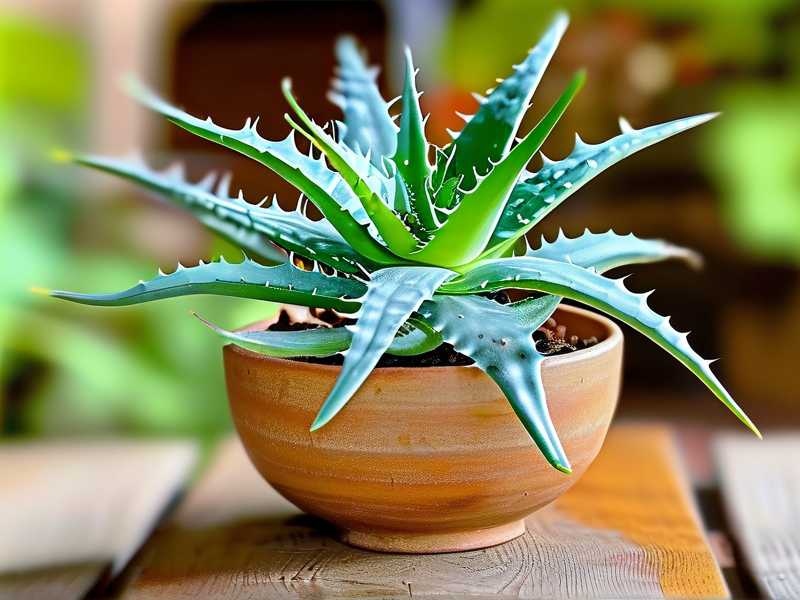
This one caught me off guard. I planted my aloe in a beautiful ceramic pot with no drainage hole. Every time I watered, the bottom stayed wet. The excess water trapped salts and nutrients near the roots, causing a chemical burn. The leaves turned yellow at the tips and curled inward. The solution? A terracotta pot with a drainage hole. Terracotta breathes, and it wicks away extra moisture. My aloe recovered in 2 weeks after repotting.
My 2-Week Fix for Sparse Aloe Foliage from Unbalanced Nutrients
Here is what I did. It is simple, but it works.
Step 1: Stop All Fertilizer for 2 Weeks
I know it feels counterintuitive. But your aloe probably has salt buildup from past feedings. I flushed the soil with distilled water until it ran out the bottom. I did this three times over one day. This removes excess nitrogen and mineral salts.
Step 2: Check the Root Health
I gently slipped the aloe out of its pot. The roots looked brown and mushy in some places. I cut away all the rotten parts with clean scissors. I let the plant sit on a paper towel for 24 hours to dry the cuts. This is crucial. If you replant a wet root, it will rot again.
Step 3: Repot in the Right Mix
I used a cactus and succulent soil mix. I added extra perlite—about 30% by volume. This ensures fast drainage. I also added a small handful of worm castings. That provides a slow-release source of potassium and calcium, which aloes love. I did not add any chemical fertilizer.
Step 4: Give It Blazing Light
I placed the newly potted aloe directly in a south-facing window. The temperature stays around 70–80°F during the day. I did not water it for the first 7 days. I wanted the roots to callous over and start searching for moisture.
Step 5: The First Watering After 7 Days
On day 8, I watered it deeply. I poured water until it came out the drainage hole. Then I waited again. I let the soil dry completely for another 10 days before watering again.
What I Saw After 2 Weeks
After just 14 days, I noticed the center leaves—the new growth—stood up much straighter. They were thicker at the base and had a richer green color. The old, floppy leaves did not fully recover, but they did not get worse. I trimmed off the two worst ones. The plant looked fuller. It was a real relief.
Long-Term Maintenance for Thick Aloe Foliage
After the 2-week reset, I started a very simple routine. I feed my aloe twice a year: once in early spring and once in early summer. I use a 0-10-10 succulent fertilizer. It has zero nitrogen. Nitrogen makes leaves grow fast but weak. Potassium and phosphorus make them strong and thick.
I also rotate the pot every month so all sides get even light. If I see a leaf starting to droop, I check the soil moisture first. Nine times out of ten, the soil is still wet. I just leave it. The aloe will firm up as it dries out.
Frequently Asked Questions
Q1: Can I use coffee grounds or eggshells to fix sparse aloe foliage?
I tried coffee grounds once. It was a disaster. Coffee grounds add nitrogen and acidity. Aloes prefer a neutral to slightly alkaline soil. Coffee grounds can also trap moisture, leading to rot. Eggshells are better, but they take months to break down. I recommend just using a low-nitrogen succulent fertilizer twice a year.
Q2: How do I know if my aloe has too much nitrogen instead of too little?
Look at the leaves. If they are long, skinny, and soft, that is too much nitrogen. If they are stunted, pale, and very short, that might be a lack of nutrients. The fix is almost always to stop feeding and flush the soil. Aloes rarely need more nutrients. They need less.
Q3: My aloe is still sparse after 2 weeks. What now?
Be patient. Sometimes the root system is more damaged than you think. Continue the routine of infrequent watering and high light. Do not feed it for at least another 2 months. If you see no improvement after 30 days, check for pests like mealybugs. They can weaken the plant and cause thinning leaves. I have seen this happen to friends. A simple rubbing alcohol spray on a cotton swab works.
Final Thoughts on Sparse Aloe Foliage from Unbalanced Nutrients
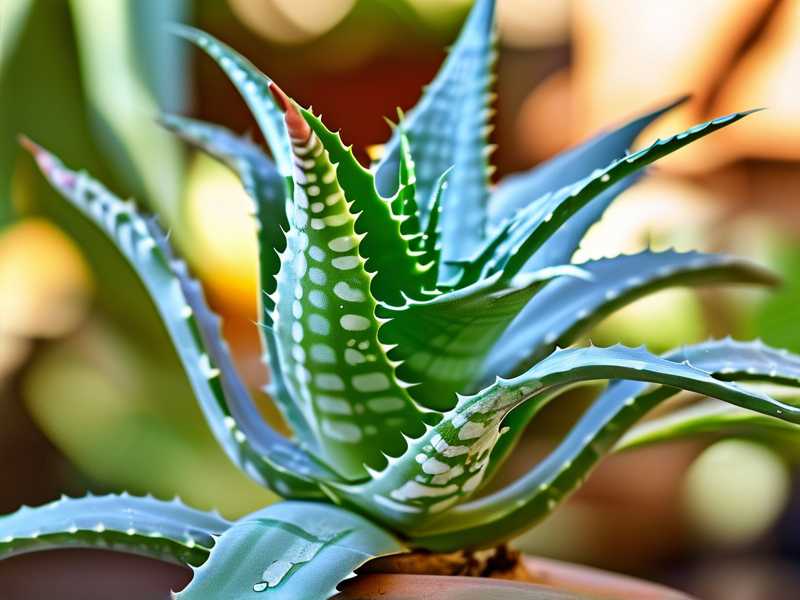
Honestly, getting thick aloe leaves is not about doing more. It is about doing less. I almost killed my first three aloes by over-caring for them. They do not want weekly watering or monthly feeding. They want a bright spot, a dry period, and a tiny bit of food twice a year. That is it. If you follow the 2-week reset I described, you will see a real difference. Your aloe will stop looking like a sad, stringy houseplant and start looking like the tough, beautiful succulent it is meant to be.