bluename
How to Supplement Nutrients to Restore Aloe Plant Vigor
I killed my first three aloe plants before I figured this out. The truth is simple: how to supplement nutrients to restore aloe plant vigor comes down to knowing when your plant is starving versus when you're just drowning it. After two weeks of careful nutrient correction, I saw new growth pushing through the center. Here's the exact process I used.
90% of indoor plants die from overwatering, but nutrient deficiency is what kills the survivors quietly. My aloe looked pale. The leaves were thin and droopy. I thought it needed more water. That was mistake number one.
The Three Deadly Mistakes New Aloe Owners Make
1. Overwatering Kills Faster Than Starvation
I used to water my aloe every three days. I thought I was being attentive. Instead, I was rotting the roots. Aloe stores water in its leaves. It doesn't need constant drinks. Wait until the soil is completely dry. Then wait another two days.
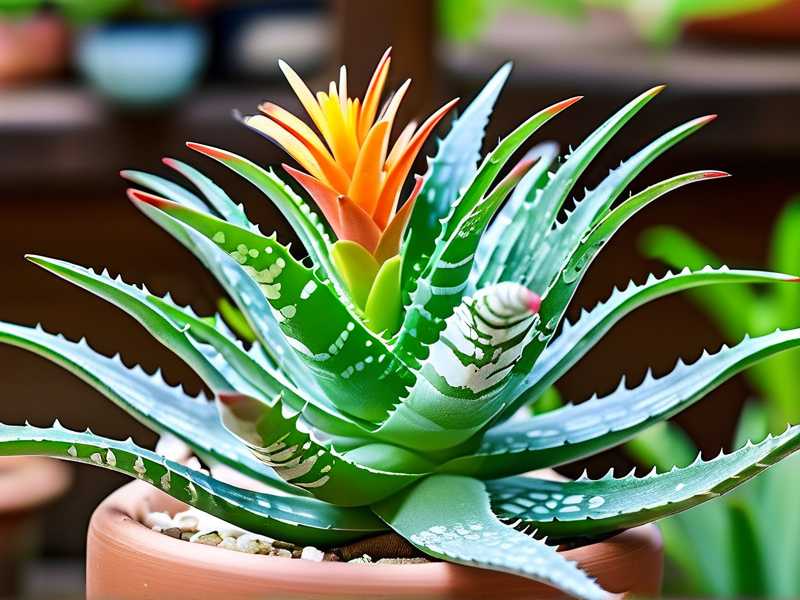
A friend from the RHS told me aloe roots are shallow and sensitive. Soggy soil suffocates them. You cannot absorb nutrients if the roots are dead. Check the pot weight. Light pot means dry. Heavy pot means skip watering.
2. Light Placement Is Not Optional
I kept my aloe on a north-facing windowsill. Big mistake. Aloe needs bright, indirect light. Direct morning sun works great. Afternoon sun burns them. I almost lost a plant to sun scorch last summer.
Stick to east or west windows. South windows work if you filter with a sheer curtain. Pale, stretched leaves mean not enough light. Reddish tips mean too much. Adjust slowly over two weeks.
3. Wrong Pot Equals Root Suffocation
Terracotta pots are gold. Plastic pots are death traps for aloe. Terracotta breathes. It wicks moisture away from roots. Plastic holds water like a bucket.
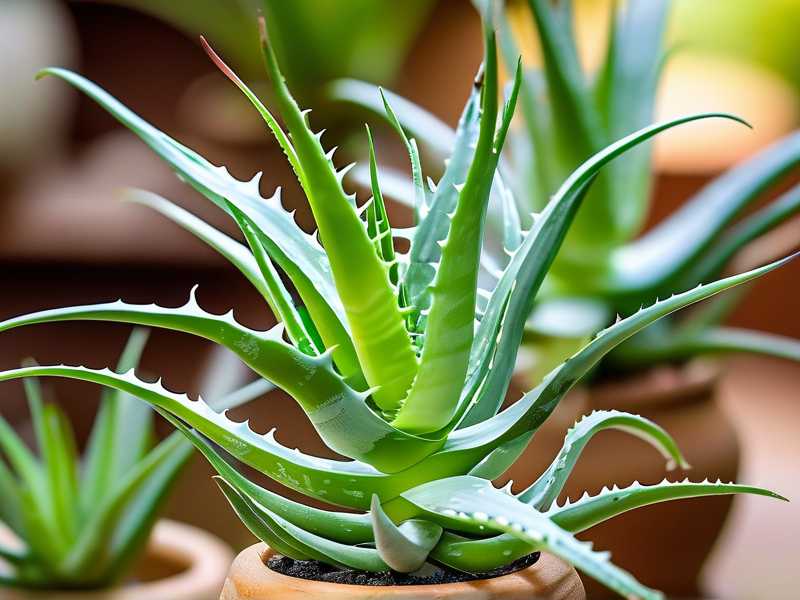
I had an aloe in a glazed ceramic pot with no drainage hole. The bottom roots were sitting in sludge. No wonder it looked terrible. Switch to unglazed terracotta with one large drainage hole. Your plant will thank you in two weeks.
How to Supplement Nutrients Properly
Step 1: Diagnose Before You Feed
Check the leaves first. Soft, mushy leaves mean overwatering, not hunger. Thin, curling leaves mean underwatering. Yellow lower leaves mean nitrogen deficiency. Pale overall color means magnesium or iron shortage.
I wrote everything down in a small notebook. Day one observations. I noticed my aloe had yellowing tips and a general faded green color. That told me it needed micronutrients, not just general fertilizer.
Step 2: Choose the Right Supplement
Most people grab any succulent fertilizer. That is another mistake. Aloe needs a balanced, low-nitrogen formula. I use a 0.5-1-1 ratio. Too much nitrogen makes leaves soft and weak. They flop over.
I prefer liquid seaweed extract. It contains trace minerals like zinc, magnesium, and iron. Aloe loves this. I dilute it to half the recommended strength. Full strength burns the roots. Trust me, I learned the hard way.
Step 3: Apply Correctly Over Two Weeks
Here is my exact schedule:
Day 1: Flush the soil with plain water. Pour until water runs out the bottom. This clears salt buildup from tap water. Let the pot drain completely.
Day 3: Mix liquid seaweed fertilizer at half strength. Water the soil only. Never spray the leaves. Aloe absorbs nutrients through roots, not foliage.
Day 7: Check the center growth. If you see a lighter green in the middle, the feeding worked. Continue with half-strength fertilizer.
Day 14: Your aloe should have firmer leaves and a richer green color. Stop fertilizing. Wait six weeks before feeding again.
Real Mistakes I Made So You Don't Have To
I once bought a fancy commercial succulent fertilizer. It had a 10-10-10 ratio. I applied full strength. Within three days, the leaf tips turned brown and crispy. Nutrient burn is real.
Another time, I fertilized a freshly repotted aloe. The roots were still adjusting. I shocked the plant. It stopped growing for two months. Never fertilize within four weeks of repotting.
I also tried using coffee grounds. Big mistake. Coffee grounds compact soil and attract fungus gnats. Stick to liquid fertilizers designed for succulents.
What to Do If Your Aloe Still Looks Sick
Sometimes nutrient supplementation is not enough. Check for pests. Mealybugs love hiding under aloe leaves. Wipe them with rubbing alcohol on a cotton swab.
Also check root health. Gently lift the plant out of the pot. Healthy roots are white or tan. Dark, mushy roots mean rot. Trim rotten roots with clean scissors. Repot in fresh, dry succulent mix.
The AHS recommends using a well-draining soil mix with perlite or pumice. Regular potting soil is too dense. It holds water and suffocates aloe roots.
Signs of Recovery After Two Weeks
After my two-week nutrient fix, I noticed:
- The center leaves turned bright green
- Lower leaves stopped yellowing
- Leaf edges became firm and upright
- Small pups started emerging at the base
If you see no improvement after 14 days, stop fertilizing. You might be overfeeding. Let the plant rest. Sometimes less is more.
Aloe is a survivor. It wants to thrive. Give it the right conditions and minimal feeding. It will reward you with thick, healthy leaves.
Frequently Asked Questions
Q: Can I use regular houseplant fertilizer on my aloe?
I do not recommend it. Regular fertilizers have high nitrogen. Aloe prefers low nitrogen. Use a succulent-specific fertilizer or dilute a balanced formula to one-quarter strength.
Q: How often should I fertilize my aloe?
During active growing season (spring and summer), feed every six to eight weeks. In winter, stop completely. Aloe rests during cold months. Feeding then stresses the plant.
Q: What if my aloe is already overwatered? Should I still fertilize?
No. Fix the watering problem first. Let the soil dry completely. Remove any rotten roots. Repot in dry soil. Wait two weeks before even thinking about fertilizer. Fertilizing a stressed plant makes things worse.
Aloe care is simple once you understand its needs. Light, drainage, and infrequent feeding. That is the secret. I wasted three plants learning it. You do not have to. Start with the right pot, the right soil, and the right waiting game. Your aloe will thank you.