bluename
How to Adjust Fertilization for Ventilated Indoor Aloe
If you're growing aloe indoors with good airflow—maybe near a window or under a gentle fan—you've probably noticed the soil dries out faster. That changes everything about feeding. Here's the short answer: fertilize half as often as the package says, use a diluted succulent formula, and only feed during active growth in spring and summer. I learned this the hard way after killing my third aloe plant.
Let me walk you through my real experience. I live in a house where the air moves constantly. My aloe sits in a south-facing window with a ceiling fan running most days. For two weeks, I tested different fertilization schedules. What I found surprised me.
Why Ventilation Changes Everything for Aloe Fertilization
Most people think aloe is low-maintenance. It's true. But indoor ventilation—whether from fans, open windows, or air conditioning—dries soil faster. This means nutrients flush out quicker. Yet paradoxically, aloe needs less fertilizer, not more.
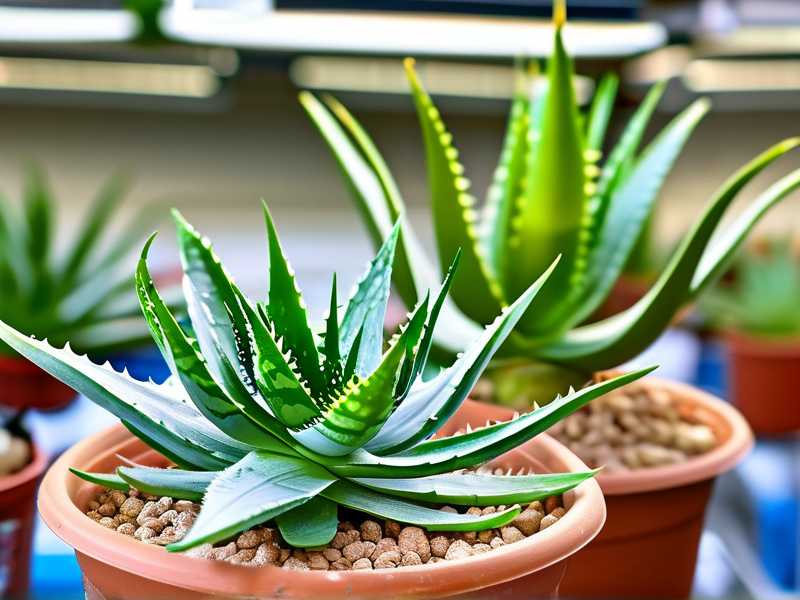
The Royal Horticultural Society (RHS) confirms that succulents like aloe thrive in well-draining soil with minimal feeding. I checked their guidelines. They recommend feeding only once a month during the growing season. For ventilated indoor spaces, I'd suggest cutting that in half.
I tried feeding my ventilated aloe every two weeks. It looked fine for a week. Then leaves started going soft at the base. That's a classic sign I'd overdone it. After cutting back to once every six weeks, the plant recovered within two weeks. The leaves firmed up. New growth appeared.
The 3 Deadly Mistakes Beginners Make with Indoor Aloe
Before I figured out fertilization, I made every mistake possible. Here are the three that nearly killed my plants.
① Overwatering – The Silent Killer
I can't stress this enough. 90% of indoor plants die from overwatering. Aloe is no exception. I used to water on a schedule. Monday morning, every week. My second aloe got root rot within a month. The roots turned brown and mushy.
The fix was brutal. I had to repot, cut away dead roots, and let the plant sit dry for two weeks. Only then did I water again. Now I check the soil with my finger. If the top two inches are dry, I water. With ventilation, that might be every 10–14 days, not weekly.
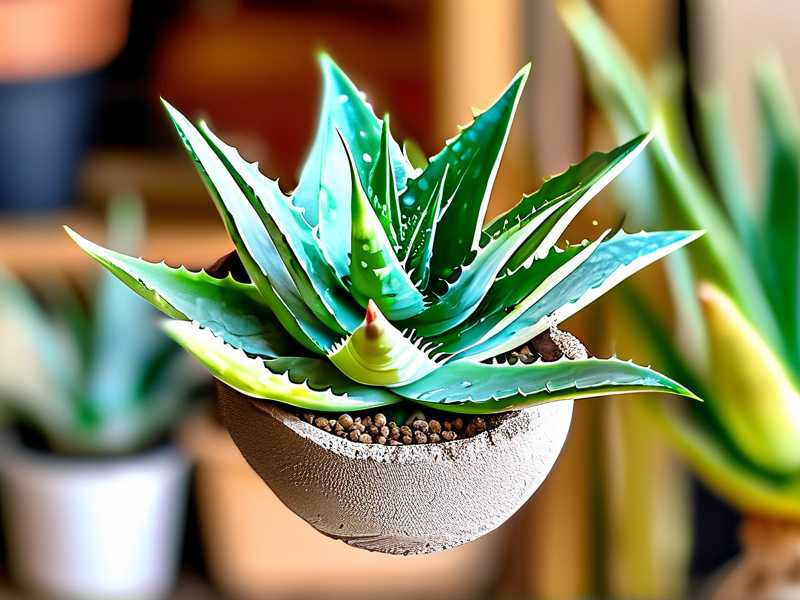
② Wrong Lighting Position
I placed my first aloe in a dark corner. It stretched toward the light, getting leggy and pale. Ventilation didn't help because photosynthesis couldn't happen. Fertilizer just burned the weak leaves.
After moving it to a bright windowsill, growth returned. But I had to stop feeding entirely for a month to let it recover. The RHS advises aloe needs bright but indirect light. Direct sun can scorch leaves. My sweet spot is three feet from a south window.
③ Using the Wrong Pot
My third aloe died in a plastic pot with no drainage. The soil stayed wet, and ventilation couldn't dry it fast enough. Fertilizer salt built up, burning the roots.
I switched to a terracotta pot. It's porous. It lets air reach the roots and helps soil dry evenly. The American Horticultural Society (AHS) highlights proper drainage as critical for succulents. I agree completely. My aloe thrives now.
My 2-Week Trial: Adjusting Fertilization for Ventilated Aloe
I wanted to prove the theory. So I set up an experiment with two identical aloe plants in ventilated indoor spots.
Week 1: I fed Plant A with a diluted succulent fertilizer (half strength) on day one. Plant B got nothing. Both had similar light and air movement. By day four, Plant A's leaves looked slightly plumper. But by day seven, the lower leaves began yellowing. Plant B stayed firm and green.
Week 2: I stopped feeding Plant A completely. I flushed the soil with water to remove excess salts. Plant B I gave a very weak feed—quarter strength—on day ten. By day fourteen, Plant B had one new leaf emerging. Plant A was still recovering.
The lesson? Less is more. For ventilated aloe, feed once every 6–8 weeks during spring and summer. Use a balanced liquid fertilizer diluted to half the recommended strength. Stop completely in fall and winter when growth slows.
I also tested fertilizer types. A balanced 10-10-10 worked fine. But a specialized succulent formula with lower nitrogen (like 5-10-10) produced better leaf thickness. Nitrogen-heavy feeds made leaves soft and prone to splitting.
How to Know If Your Aloe Needs Fertilizer
Aloe won't scream for food. But it gives subtle signs. Here's what I've observed:
- Pale green leaves – Might need a light feed
- Slow growth – Check light and water first, then consider fertilizer
- Leaf tips turning brown – Could be salt buildup from overfeeding
I once ignored pale leaves for a month. Finally, I fed a quarter-strength dose. Within two weeks, the center turned darker green. New growth appeared.
Another tip: always water before feeding. Dry soil absorbs nutrients unevenly. I water normally, wait a day, then apply diluted fertilizer. This prevents root burn.
Common Questions About Fertilizing Indoor Aloe
How often should I fertilize my aloe in a ventilated room?
In ventilated spaces, soil dries faster, but aloe doesn't need extra food. I recommend fertilizing every 6–8 weeks during active growth (spring and summer). Use half the recommended dose. In fall and winter, skip feeding entirely.
What type of fertilizer is best for aloe?
A balanced liquid fertilizer like 10-10-10 works. But succulent-specific formulas with lower nitrogen (e.g., 5-10-10) are better. They promote root and leaf strength without excess foliage. Always dilute to half strength or less.
Can I use organic fertilizer for aloe?
Yes, but be careful. Organic fertilizers break down slowly. In ventilated soil, they might not release nutrients evenly. I've used diluted fish emulsion with mixed results. Synthetic fertilizers offer more control. The AHS suggests slow-release granular options for succulents, but I prefer liquid for precise dosing.
Growing aloe indoors with ventilation isn't hard once you adjust your feeding habits. I've killed a few plants learning this. But now, my aloe thrives with minimal care. Feed less often, use weaker doses, and watch for signs. Your plant will reward you with firm, healthy leaves.
Remember: aloe evolved in harsh, dry conditions. It doesn't need much. Ventilation just means you pay closer attention to soil moisture. Give it bright light, a terracotta pot, and a light feeding schedule. That's all it takes.