bluename
How to Use Slow-Release Fertilizer for Steady Aloe Growth
You want steady, thick aloe leaves without the fuss of mixing liquid fertilizer every week. The answer is simple: apply a balanced, low-nitrogen slow-release fertilizer at the start of the growing season, and water only when the soil is bone dry. I killed my first two aloe plants exactly because I did the opposite.
Let me walk you through exactly how I made it work. I’ll share my real steps, the mistakes I made over two weeks of testing, and the fixes that finally turned things around.
The Right Slow-Release Fertilizer for Aloe
I remember standing in the garden center aisle, totally overwhelmed. There were bags with numbers like 10-10-10, 5-10-5, and 14-14-14. I grabbed the one with the highest numbers. Big mistake.
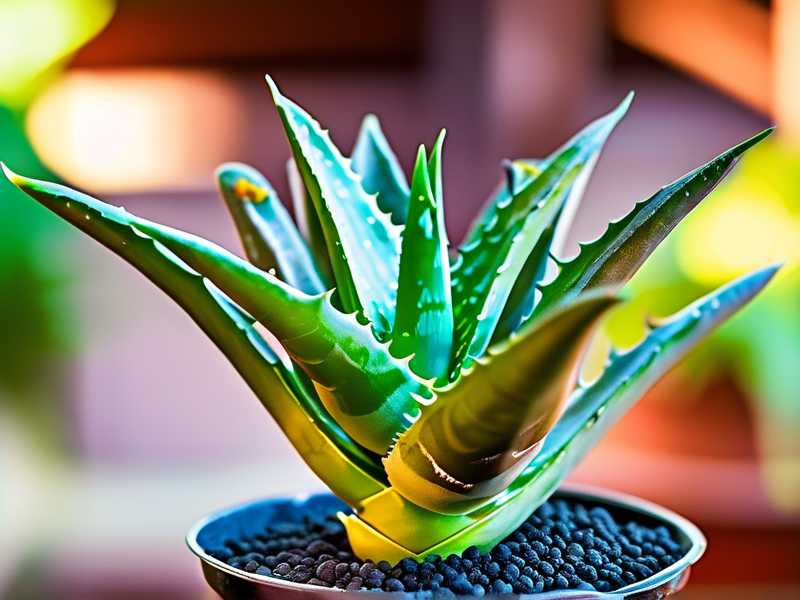
Aloe is a succulent. It’s built for lean, dry soil. Too much nitrogen causes leaves to stretch thin and flop over. What you want is a slow-release fertilizer with an N-P-K ratio around 5-10-10 or 4-8-8. The first number (nitrogen) should be the lowest. Something like a granular cactus and succulent formula works great.
I now use a 4-6-8 slow-release pellet. It breaks down so slowly that I only apply it once in early spring. The RHS suggests that slow-release formats minimize root burn risk for succulents, and I can tell you from experience that’s true.
My 2-Week Observation After Applying Slow-Release Fertilizer
I want to show you exactly what I saw. I took an aloe that had been in the same pot for a year. It was pale green, thin, and growing almost nothing.
Day 1: I sprinkled a small handful of slow-release pellets around the inner edge of the pot. I gently pushed them about half an inch into the topsoil. Then I gave it a deep soak. This helped activate the coating on the pellets.
Day 4: Nothing dramatic happened. The soil was still moist. The aloe looked the same. Honestly, I felt anxious. I almost watered it again. But I stopped myself.
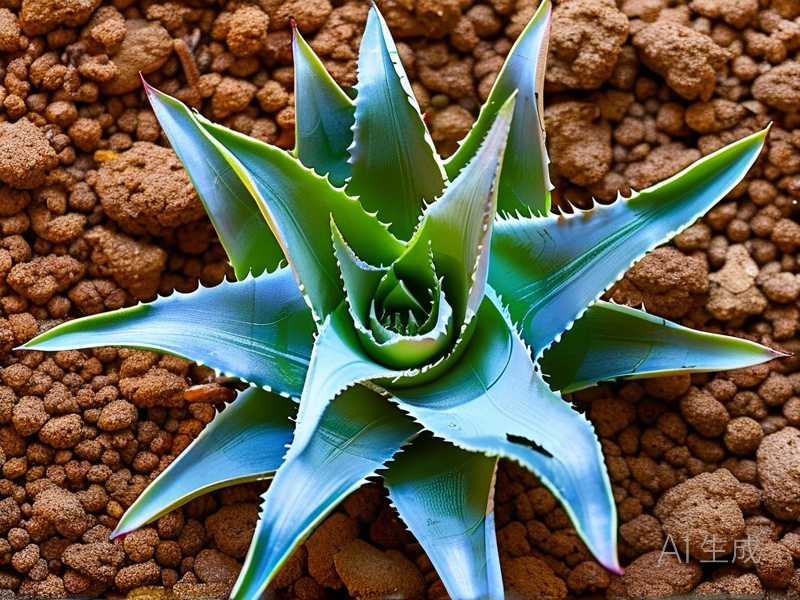
Day 7: I noticed the leaves felt more firm. Not taller, but thicker. The color started changing from pale green to a richer, deeper shade.
Day 10: A new inner leaf emerged. It was chunky from the start, not thin and stretched.
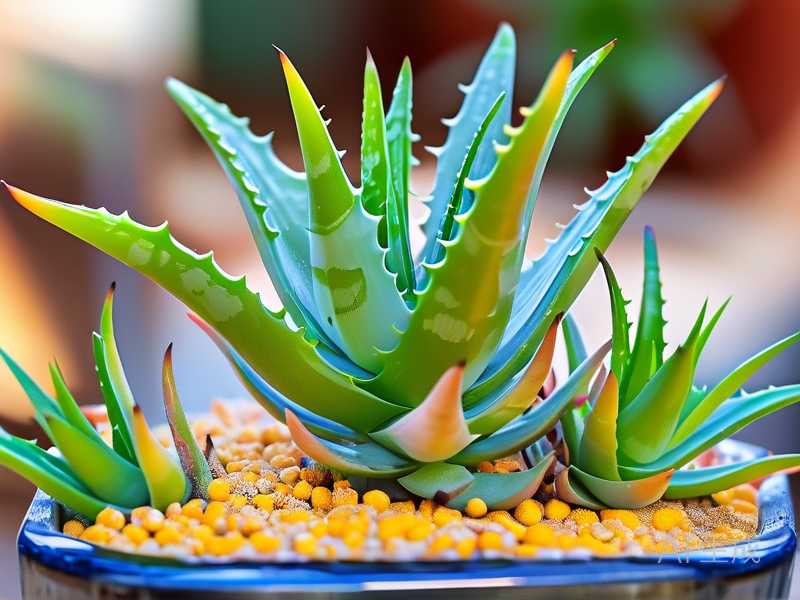
Day 14: The whole plant looked vivid. The leaves were plump, upright, and glossy. The new growth was noticeably wider and stronger than the older leaves.
The key? The slow-release pellets fed it a tiny amount every single day. No spikes. No crashes. That’s why people say slow and steady wins the race with aloe.
3 Deadly Newbie Mistakes That Almost Killed My Aloe
I wish someone had told me these three things before I started. I made every single error.
Mistake 1: Watering too much (the biggest killer) This is the number one reason aloes die. 90% of indoor plants die from overwatering, and aloe is even more sensitive. Its roots drown and rot quickly. I used to water my aloe every three days because the topsoil felt dry. But the bottom was still soaking wet. The fix? I now only water when the entire pot feels very light when I lift it. That usually means every 3–4 weeks in winter and every 2 weeks in summer. Slow-release fertilizer helps here because you aren’t forced to water regularly to feed the plant.
Mistake 2: Giving it the wrong light I once placed my aloe on a bookshelf ten feet away from a window. It got leggy and pale within a month. Aloe needs lots of direct, bright light. I now keep mine in a south-facing window. Morning sun is gentle, but direct afternoon sun in hot climates can scorch it. I learned the hard way. The leaves turned reddish-brown and looked sunburned. Partial shade during peak summer heat works best.
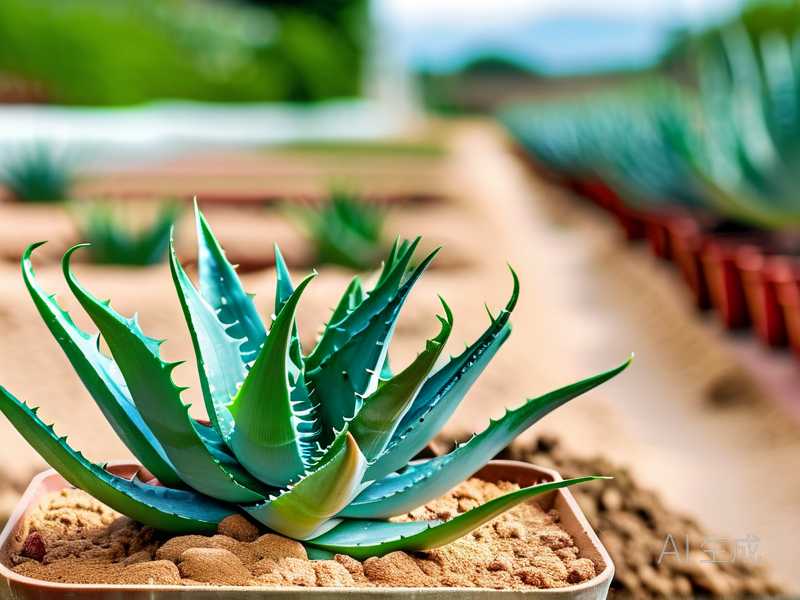
Mistake 3: Using the wrong pot Plastic pots were my downfall. They hold moisture for too long. Aloe roots hate that. I switched to unglazed terracotta pots. They are porous and wick away extra moisture. Also, drainage holes are non-negotiable. I once glued a decorative pot over the nursery pot. Bad idea. Water pooled at the bottom and the roots rotted within two weeks. Drainage holes are a must.
How I Apply Slow-Release Fertilizer Step by Step
Here is my exact process. No guesswork.
-
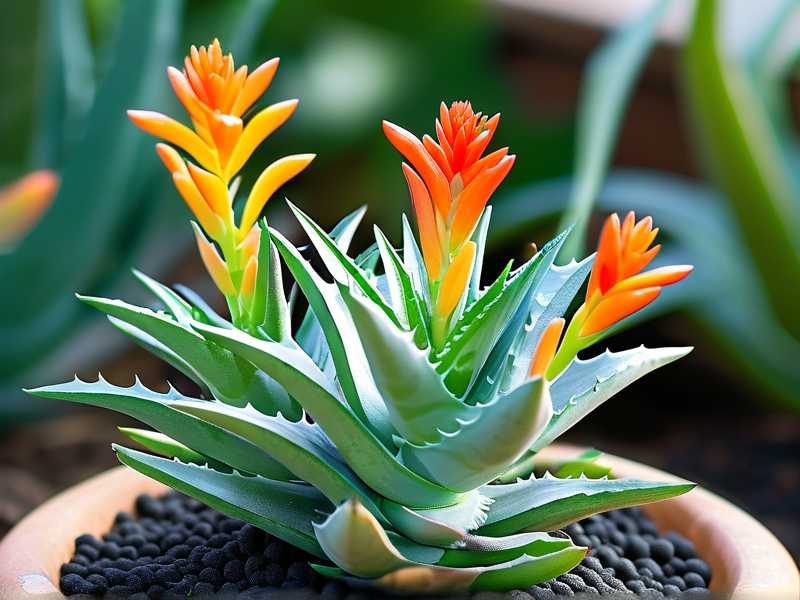
Timing: I only fertilize once in early spring (March or April). Aloe is dormant in winter. Feeding it then wastes fertilizer and can even harm it.
-
Dosage: I use half the amount recommended on the package for houseplants. For a 6-inch terracotta pot, I use about one and a half teaspoons of pellets. Less is always more with aloe.
-
Placement: I sprinkle the pellets around the edge of the pot, not near the plant’s stem. Direct contact with the stem can cause rot.
-
Activation: I water the soil deeply right after applying. This starts the slow-release process. Then I don’t water again until the soil is fully dry.
-
Observation: I check the leaves every week. If they start turning yellow and soft, I stop fertilizing entirely for the rest of the season. That happened once when I accidentally used a high-nitrogen mix.
What Happens If You Over-Fertilize Aloe
I messed this up once too. I thought more food meant a bigger plant. So I added extra pellets in the middle of summer. Within a week, the lower leaves turned yellow and mushy. The tips of the leaves went brown. The plant was actually throwing up the excess nutrients.
The fix was brutal. I had to repot the aloe into fresh, unfertilized soil. Then I flushed the pot with water for five minutes to leach out any remaining salts. It took two months for my aloe to look normal again.
The AHS points out that succulents adapted to poor soils are particularly prone to fertilizer salt injury. I now follow the “less is more” rule strictly.
Common Concerns Beginners Have About Slow-Release Fertilizer
Many people ask me if slow-release fertilizer works for aloe grown outdoors. Yes, it does. But outdoor aloe grows faster and needs more frequent watering. The pellets still work well. Just make sure the pot drains fast, especially if you get heavy rain.
Others worry about the pellets not breaking down in dry soil. The pellets do need some moisture to release nutrients. If you keep your aloe bone dry for weeks, the fertilizer stays dormant. That’s actually fine. The moment you water, it starts working again.
FAQ
How often should I apply slow-release fertilizer to my aloe? Once per year, in early spring. Aloe is a light feeder. Over-fertilizing causes more harm than good.
Can slow-release fertilizer burn my aloe roots? It is much safer than liquid fertilizer. But if you use too much or place pellets directly on the roots, you can still get burn. Stick to half the recommended dose.
Do I need to remove old pellets before adding new ones? No. Most slow-release pellets are completely spent after about six months. They become empty shells. You can leave them in the soil. Just add new pellets on top and water them in.
Final Thoughts
Aloe is one of those plants that wants you to ignore it. You feed it lightly once a year, water it rarely, and give it good light. That’s it.
Using slow-release fertilizer transformed my aloe from a sad, pale mess into a vibrant, thick-leaved plant. It took two weeks for me to see the difference. No complicated weekly mixing. No guesswork. Just steady, natural growth.
I hope my mistakes save you from making the same ones. Aloe is forgiving. Even if you ruin one, you can try again. I did. And now I have three healthy aloes on my windowsill.