bluename
How to Control Fertilization Cycle for Potted Aloe Vera
Let me cut straight to the chase. For potted aloe vera, fertilize only during active growth—spring and summer—once every 4 to 6 weeks, using a balanced, water-soluble fertilizer diluted to half strength. Stop completely in fall and winter when the plant rests. I learned this the hard way after killing my first three aloe plants. The fourth one finally survived, and it’s been thriving for years now.
I remember staring at my first aloe, its leaves turning brown and mushy at the base. I thought more fertilizer would save it. It didn’t. That’s when I realized: with aloe, less is more. These succulents store everything they need in those thick leaves. Overdoing it causes more harm than good.
Why Aloe Vera Has Such Low Fertilizer Needs
Aloe vera comes from harsh, dry climates like the Arabian Peninsula. In the wild, it grows in sandy, nutrient-poor soil. It’s evolved to survive on very little. That’s why potted aloe doesn’t need much help from us.
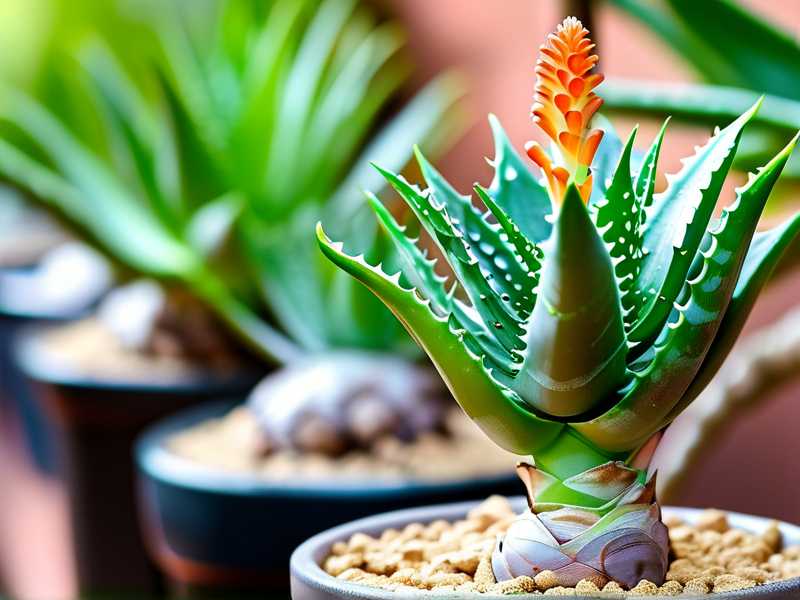
According to the RHS (Royal Horticultural Society), succulents like aloe benefit from minimal feeding because they store nutrients in their leaves. Over-fertilization leads to weak, leggy growth. It also makes the plant more vulnerable to pests and diseases. The AHS (American Horticultural Society) echoes this point: many houseplants, especially succulents, suffer more from too much fertilizer than too little.
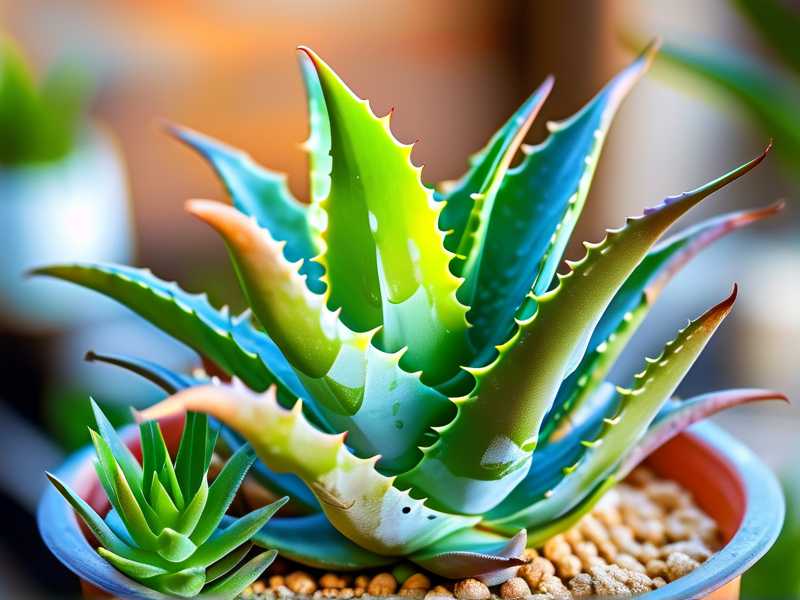
I follow their advice now. But I didn’t always.
My Starting Point: The Wrong Fertilizer
When I first got into aloe vera, I grabbed a generic houseplant fertilizer from the garden center. It had high nitrogen content. I thought, more nitrogen means greener leaves, right? Wrong.
Within two weeks, my aloe’s leaves turned pale yellow at the tips. The soil developed a white crust. I realized I had burned the roots. The nitrogen rush was too intense for a plant that feeds slowly.
Here’s what I do now. I use a fertilizer with an N-P-K ratio around 10-10-10 or 8-8-8. Balanced. Nothing fancy. I dilute it to half the recommended strength. For example, if the label says one teaspoon per gallon, I use half a teaspoon.
My 14-Day Observation: From Recovery to Vigor
I want to share a real timeline. Two weeks ago, I repotted an aloe that had been in the same soil for two years. The old soil was compacted and depleted. I used a fresh cactus mix and gave it a mild feeding.
Day 1: I mixed the diluted fertilizer into the water. I watered the aloe slowly until excess drained out. The leaves were still thin from neglect.
Day 3: No visible change. That’s normal. Aloe is slow.
Day 7: I noticed the leaves starting to firm up. The center leaf showed a faint green hue, deeper than before. The soil felt slightly moist but not wet.
Day 10: The outer leaves began to plump slightly. The texture changed from soft to firm. I touched one and felt resistance.
Day 14: The whole plant looked healthier. The tips of new leaves were sharper and greener. No yellowing. No spotting. The root system was clearly responding.
I didn’t repeat the feeding. Aloe doesn’t need frequent boosts. One good meal every month in spring is enough.
The 3 Deadly Mistakes Beginners Make (I Made Them All)
I’ve killed more aloe plants than I care to admit. Here are the three mistakes that cost me the most.
Mistake 1: Overwatering
“90% of indoor plants die from overwatering,” and aloe is no exception. I used to water my aloe once a week, like my other houseplants. Within a month, the leaves turned mushy and translucent. The roots rotted.
The fix: Let the soil dry out completely between waterings. Stick your finger two inches into the pot. If it’s dry, water. If it’s damp, wait. During winter, I water maybe once every three weeks.
Mistake 2: Wrong Light Position
I put my first aloe in a dark corner of my living room. It looked fine for a month, then started stretching toward the window. The leaves became long, thin, and pale. This is called etiolation.
The fix: Place aloe in bright, indirect sunlight. A south-facing window with sheer curtains works great. If the leaves turn reddish-brown, it’s getting too much direct sun. Move it back slightly.
Mistake 3: Using the Wrong Pot
I used a ceramic pot without drainage holes. Big mistake. Water pooled at the bottom, and the roots rotted silently. I didn’t notice until the plant collapsed.
The fix: Always use a pot with drainage holes. Terracotta is ideal because it wicks away moisture. Plastic pots hold water too long. Never use a pot bigger than one inch wider than the root ball.
How to Choose the Right Fertilizer for Potted Aloe
You don’t need fancy products. I’ve tried several. Here’s what works.
Liquid fertilizer: Easy to control. You can mix it exactly to half strength. I use a liquid 10-10-10 formula.
Slow-release granules: These work too, but be careful. I once used slow-release pellets and forgot about them. The soil became too hot with nutrients. The leaves curled inward.
Organic options: Worm castings or diluted fish emulsion are gentle. I add a thin layer of worm castings on top of the soil in spring. It releases nutrients slowly.
Avoid high-nitrogen fertilizers. Nitrogen makes leaves grow fast, but weak. Aloe needs balanced phosphorus and potassium for strong roots and firm leaves.
My Step-by-Step Fertilization Routine
Here is exactly what I do. You can copy this.
-
Check the season: If it’s March through September, proceed. If it’s October through February, skip.
-
Prepare the fertilizer: Mix a balanced liquid fertilizer to half strength. Use room-temperature water.
-
Water first: Never fertilize dry soil. Water the plant lightly one hour before. This prevents root burn.
-
Apply slowly: Pour the diluted fertilizer into the soil, not on the leaves. Use enough to see a little drain out.
-
Wait 4 to 6 weeks: Mark your calendar. Don’t fertilize again until then.
-
Observe: Watch the leaves. If they turn pale or soft, reduce the fertilizer even more. If they stay firm and green, you’re on track.
What Happens If You Fertilize in Winter
I tried once. Big mistake.
It was December. My aloe looked dull. I thought a small feeding would perk it up. Within two weeks, the leaves developed brown spots. The tips dried out. The plant went into shock.
Aloe enters a dormant period in winter. It stops growing. Extra fertilizer just sits in the soil and burns the roots.
The RHS confirms this: most succulents should not be fed during dormancy. The same applies to aloe.
Natural Alternatives for Mild Feeding
Sometimes I want to give my aloe a gentle boost without chemicals. Here are three options I’ve tried.
-
Diluted coffee: I use leftover black coffee mixed with water at a 1:3 ratio. It adds a tiny bit of nitrogen. I do this once in spring.
-
Banana peel tea: Soak a banana peel in water for 24 hours. Use that water to water the aloe. It adds potassium.
-
Eggshell water: Rinse eggshells, crush them, and soak them in water. Use the water after two days. It adds calcium.
These are not substitutes for regular fertilizer. They’re occasional extras.
Signs You Are Over-Fertilizing
I learned to read my plant. Here are red flags.
- Leaf tips turning brown or yellow
- White crust on top of soil
- Leaves curling inward
- Slow or stunted growth despite feeding
- Soft, mushy leaves at the base
If you see any of these, stop fertilizing immediately. Flush the soil with plain water for 2-3 weeks. Let the plant recover before feeding again.
Signs You Are Under-Fertilizing
Under-fertilizing is less common, but it happens.
- Leaves staying thin and pale
- Very slow growth even in spring
- New leaves smaller than older ones
If this happens, increase the fertilizer frequency to every 3 weeks during spring, but keep the half-strength dilution.
Best Soil Mix for Aloe Vera
Fertilization only works if the soil supports it. I learned this when my aloe stayed sick despite proper feeding.
What I use: 2 parts cactus potting mix, 1 part perlite, 1 part coarse sand. This drains fast and holds just enough moisture.
What to avoid: Regular potting soil. It holds too much water and stays wet too long. Roots rot faster.
Common Question: Can You Use Succulent Fertilizer?
Yes. Succulent fertilizers are already diluted for these plants. I’ve used a 2-7-7 formula specifically for succulents. It works fine. Just follow the label instructions and still reduce to half strength.
My Final Advice
Fertilization for aloe vera is simple once you understand the plant. Feed lightly during growing months. Skip winter. Watch your plant’s response. Adjust as needed.
I still check my aloe every week. I run my finger along the leaves. If they feel firm, I know I’m doing it right.
FAQ
1. How often should I fertilize my potted aloe vera? Every 4 to 6 weeks during spring and summer. Stop in fall and winter. Aloe grows slowly and doesn’t need frequent feeding.
2. Can I use regular houseplant fertilizer for aloe vera? Yes, but dilute it to half strength. Regular fertilizers are too strong for succulents. Use a balanced formula like 10-10-10.
3. What should I do if my aloe leaves turn yellow after fertilizing? Stop fertilizing immediately. Flush the pot with plain water to wash out excess salts. Let the soil dry before watering again. Yellow leaves often mean root burn from too much fertilizer.