bluename
How to Supplement Nutrients for Aloe After Repotting
I killed three aloe plants before I figured this out. Here's the truth: Wait 2 full weeks after repotting before adding any fertilizer. Your aloe needs time to heal its roots first. Feed it wrong and you'll burn those tender new roots. I learned this the hard way.
90% of indoor plants die from overwatering. Aloe is even more sensitive. After repotting, the roots are stressed. They can't absorb nutrients properly. Adding fertilizer too soon makes things worse.
The 3 Fatal Mistakes New Aloe Owners Make
Mistake #1: Overwatering Right After Repotting
I used to think fresh soil needed extra water. Big mistake. My first aloe rotted within a week.
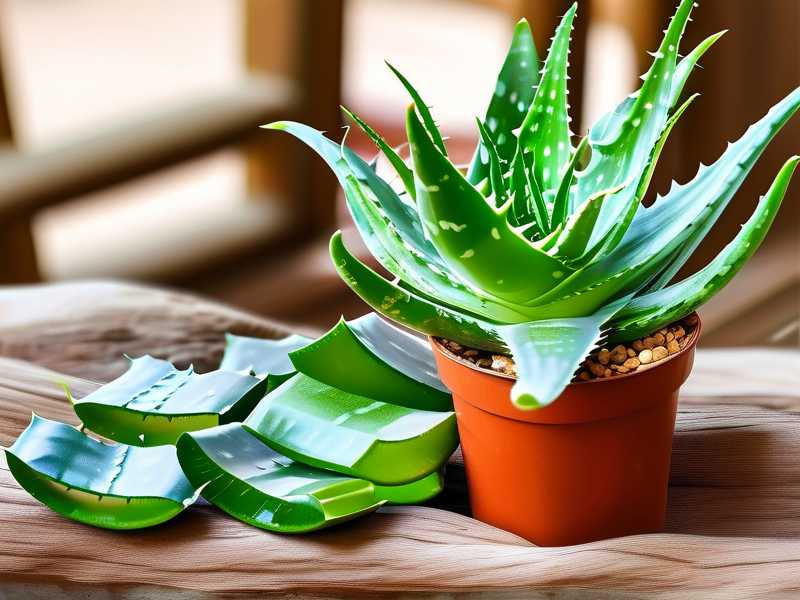
The Royal Horticultural Society states that succulents like aloe are highly susceptible to root rot when overwatered. You can check their full guide on succulent care at RHS.
Here's what I do now: Water lightly once after repotting. Then wait until the soil is completely dry. For me, that's usually 10-14 days. Stick your finger two inches deep. If it's bone dry, water. If not, walk away.
Mistake #2: Wrong Light Placement
I put my repotted aloe in direct sunlight once. Thought it would love it. The leaves turned brown and crispy within three days.
Truth is: Newly repotted aloe needs bright but indirect light for the first 2 weeks. Direct sun stresses the plant while roots are settling. After those 2 weeks, gradually introduce more light.
The American Horticultural Society recommends slow acclimation for repotted succulents. Visit their resource page at AHS for detailed light requirements.
Mistake #3: Using the Wrong Pot
I bought a beautiful ceramic pot with no drainage hole. My aloe suffocated in standing water. The roots never got air.
Simple rule: Always use a pot with drainage holes. Terracotta works best because it breathes. Plastic pots hold too much moisture. I switched to terracotta and never looked back.
My Step-by-Step Nutrient Supplement Plan (After Repotting)
Week 1: Zero Nutrients, Just Recovery
I don't add anything during the first week. The potting mix already has enough nutrients for now. Focus on letting the roots recover.
What I actually do:
- Place the pot in bright indirect light
- Check soil moisture every 3 days
- Resist the urge to water or feed
I messed this up on my second aloe. I added liquid fertilizer on day 4. The leaves turned yellow and droopy. The roots got chemically burned.
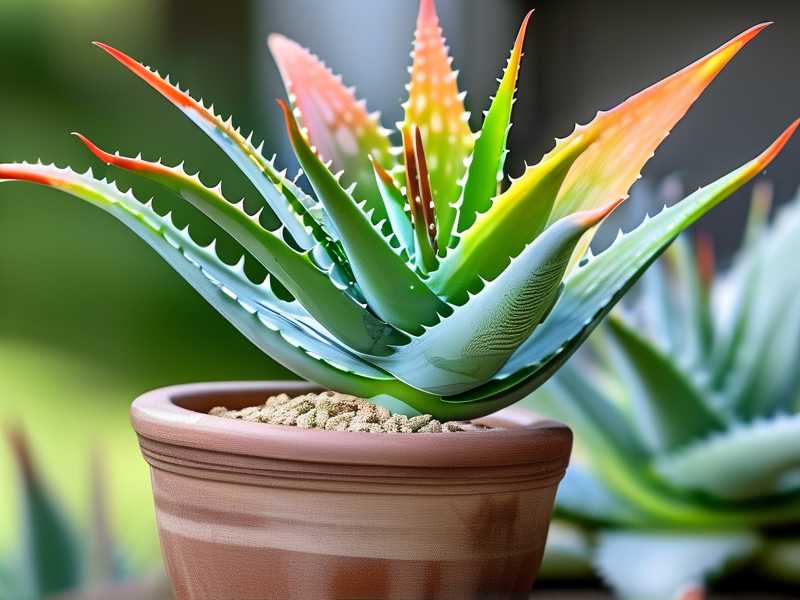
Week 2: Gentle Observation, No Rush
You might feel impatient. I did too. But week 2 is still about recovery.
Check for new growth. If you see tiny new leaves in the center, the roots are settling. That's a good sign.
Still no fertilizer. Use this week to:
- Turn the pot slightly every few days for even light
- Remove any dead or yellow leaves at the base
- Keep the temperature between 60-80°F
After Week 2: My Safe Fertilizer Method
Once 14 days pass, I start supplementing. But very carefully.
I use a cactus and succulent fertilizer. It's diluted to half strength. Full strength is too harsh for recovering roots.
My exact steps:
- Mix the fertilizer at half the recommended dose
- Water the soil first with plain water
- Apply the diluted fertilizer immediately after
- Do this once every 4 weeks during growing season
I tried full strength once. The leaf tips turned brown within 48 hours. Half strength works perfectly.
Natural Nutrient Options That Worked for Me
Compost Tea
I make a weak compost tea at home. Steep a handful of compost in water for 24 hours. Strain it. Use the liquid to water the aloe once after week 2.
It's gentle and organic. My aloe responded with brighter green leaves after one application.
Worm Castings
I sprinkle a thin layer on top of the soil. About half an inch. Water it in slowly.
Worm castings release nutrients slowly. No risk of burning roots. I've used this for every aloe repotting since my third plant.
Banana Peel Water
I tried this out of curiosity. Soak a banana peel in water for 2 days. Use the water to feed the plant.
Honestly, it worked okay. Not as effective as worm castings, but better than nothing if you're in a pinch.
Signs Your Aloe Needs Nutrients (Even After 2 Weeks)
Yellowing Lower Leaves
If the bottom leaves turn yellow and mushy, it's often overwatering. But if they're pale and thin, your aloe might need more nutrients.
I check the soil first. If it's dry and the lower leaves look weak, I apply diluted fertilizer.
Slow or No New Growth
After 4-6 weeks post-repotting, I expect new leaves. If nothing appears, something is off.
Check these things:
- Is the light bright enough?
- Is the temperature too cold?
- When did you last feed it?
Leaves Curving Inward
This happened to my fourth aloe. The leaves curled like tiny green tacos. It looked unhealthy.
I fed it with half-strength fertilizer. After 10 days, the leaves relaxed and went flat again.
Common Nutrient Supplementation Mistakes
Using the Wrong Fertilizer Ratio
Aloe needs a balanced fertilizer. Look for something like 10-10-10 or 8-8-8. High nitrogen formulas cause soft, leggy growth.
I bought a lawn fertilizer once. Big mistake. The aloe grew tall and skinny. It collapsed under its own weight.
Fertilizing During Dormancy
Aloe goes dormant in winter. Growth slows down. Adding nutrients during this time does nothing useful.
I stop fertilizing completely from November to February. Resume in spring when new growth starts.
Overfeeding
More fertilizer doesn't mean better results. I learned this with my fifth plant. I fed it twice in two weeks. The leaf edges turned brown and crispy.
Stick to once every 4 weeks during growing season. Your aloe will thank you.
Tools and Products I Recommend
Moisture Meter
I use a cheap moisture meter. It takes the guesswork out of watering. Stick it in the soil. If it reads dry, water. Simple.
Balanced Succulent Fertilizer
Look for a liquid fertilizer specifically for cacti and succulents. I use one with micronutrients. It helps with overall plant health.
Terracotta Pot
I switched all my aloes to terracotta. The porous material helps soil dry faster. Roots stay healthier. No more root rot issues.
My 2-Week Observation Log
| Day | Action | Observation |
|---|---|---|
| 1 | Repotted aloe | Roots looked healthy, no damage |
| 3 | No water, no feed | Soil still slightly moist |
| 5 | Checked soil | Top inch dry, middle still damp |
| 7 | No fertilizer | Leaves firm, no changes |
| 9 | First light watering | Water drained quickly |
| 11 | Observed center growth | Tiny new leaf emerging |
| 14 | Applied half-strength fertilizer | Plant looked stable |
| 16 | Checked leaf color | Green and vibrant |
| 21 | Noticed new growth | Two small leaves appearing |
FAQ: What New Owners Ask Me
Can I use coffee grounds for my aloe?
I tried this. Coffee grounds are too acidic for aloe. They can change the soil pH and harm the roots. Stick to balanced fertilizer instead.
How do I know if I'm overwatering?
The leaves get mushy and translucent. They look waterlogged. If this happens, stop watering immediately. Let the soil dry completely. Sometimes I even repot into dry soil.
When should I repot again?
Usually every 2-3 years. When roots start growing out of the drainage holes, it's time. Spring is the best season for repotting.
Final Thoughts From a Reformed Plant Killer
I've killed more aloe plants than I want to admit. Each one taught me something valuable.
The biggest lesson: Patience is everything after repotting. Your aloe needs time to settle in. Don't rush the nutrients. Don't overwater. Don't bake it in direct sun.
Follow the 2-week waiting rule. Use half-strength fertilizer. Observe your plant daily. It will tell you what it needs.
I still check my aloe every morning. It's become part of my routine. The leaves are thick and dark green now. They stand up straight and proud.
That's the feeling I want you to have too. Just give it time. Your aloe will thrive.