bluename
 How to Promote Aloe Pup Growth by Trimming Old Foliage
I killed my first aloe plant within three months. Actually, I killed three of them before I figured out what I was doing wrong. The leaves turned brown, the pups never showed up, and I felt like a total failure. But here's the truth I wish someone had told me from the start: trimming old foliage is the single most effective way to promote aloe pup growth. If you want baby aloes, you need to cut the big leaves first. Let me walk you through exactly how I did it, what went wrong, and what finally worked after two weeks of careful observation.
My First Mistake: Overwatering Was Killing Everything
I used to water my aloe every three days. I thought green plants needed constant moisture. Turns out, 90% of indoor plants die from overwatering, and aloes are especially sensitive. The roots rot, the leaves get mushy, and the plant stops producing pups entirely. I learned this the hard way when my second aloe turned into a brown, slimy mess. The soil stayed wet for too long, and the roots literally suffocated. After that, I switched to watering only when the top two inches of soil felt completely dry. That alone saved my third aloe, but the pups still weren't coming.
The Real Problem: I Wasn't Cutting the Old Leaves
I thought trimming would hurt the plant. I thought aloes needed every single leaf to survive. I was wrong. Old, thick, outer leaves actually block sunlight from reaching the base of the plant where pups form. They also drain energy that could go toward new growth. Once I started cutting off the oldest, most damaged leaves, everything changed. Within two weeks, I saw tiny green bumps emerging from the soil. Those were pups.
How I Trimmed Old Foliage Step by Step
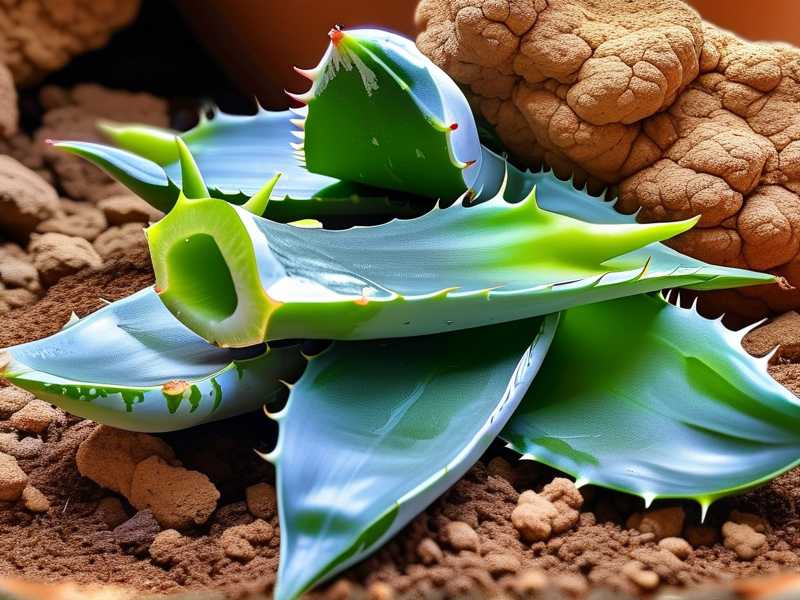
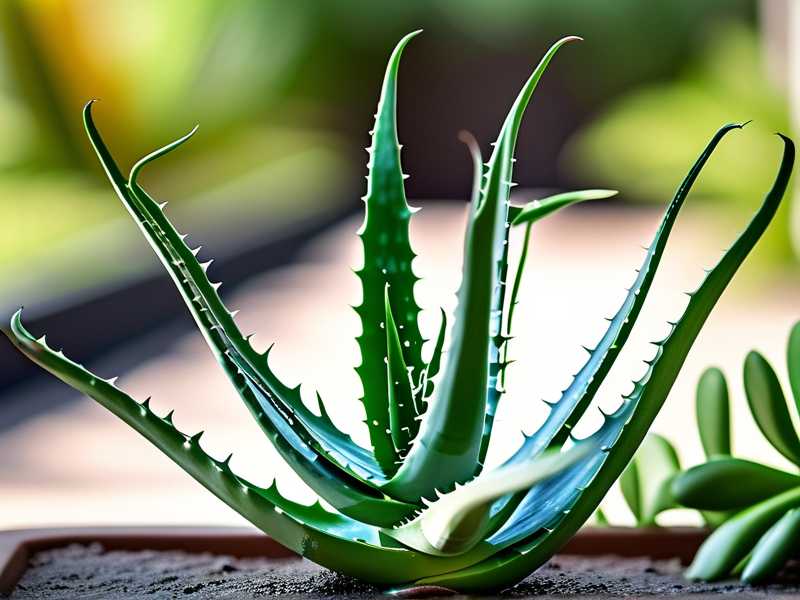
I waited until the soil was completely dry. Then I grabbed a clean, sharp knife. I identified the oldest leaves—the ones at the bottom that were yellowing, curling, or had brown tips. I cut them as close to the base as possible, but I left a small stub. You don't want to cut into the main stem. I removed three to four leaves at a time, never more than a third of the total foliage. After cutting, I let the cuts dry for a day before watering. This prevented rot.
What I Saw After Two Weeks
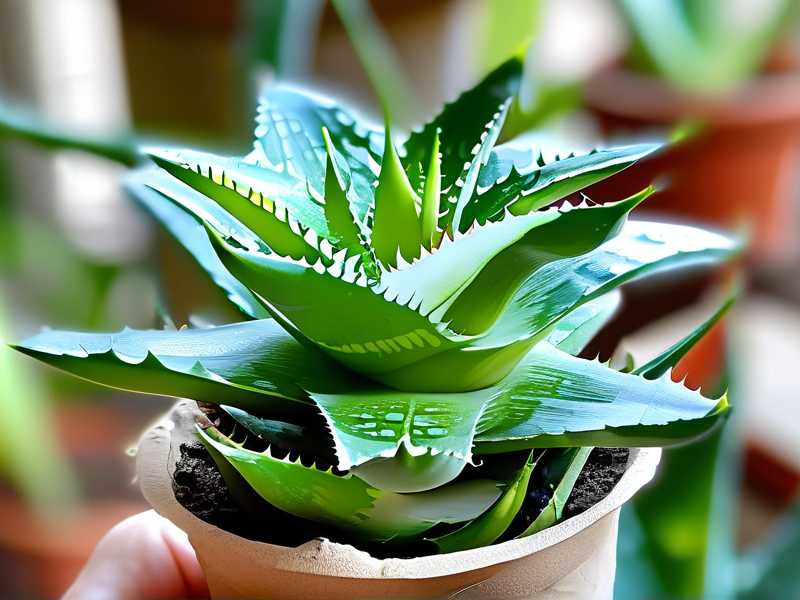
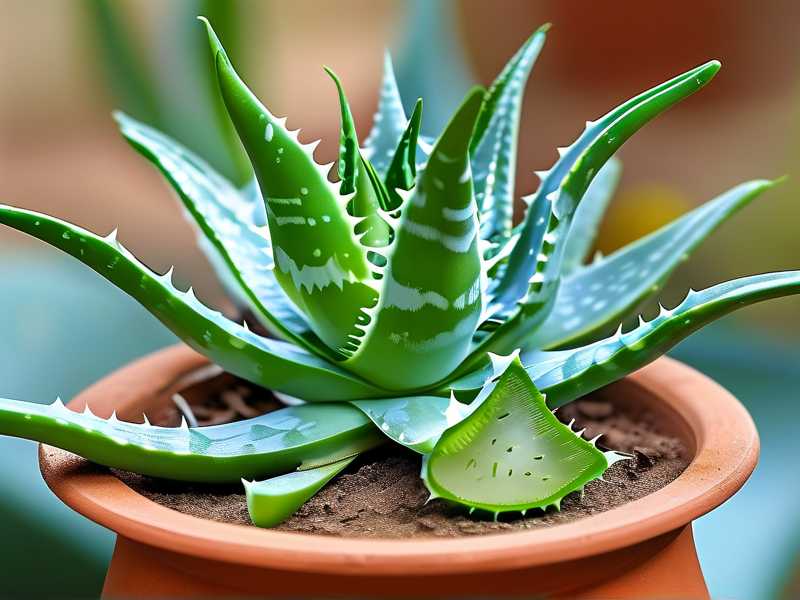
Day one: nothing. Day three: the cuts had calloused over, and the plant looked slightly smaller but healthier. Day seven: I noticed the center of the rosette seemed more open. The remaining leaves angled upward, reaching for light. Day ten: I spotted a tiny green nub near the edge of the pot. Day fourteen: that nub had grown into a small pup, about the size of a marble. Another pup was forming on the opposite side. I couldn't believe it. All I did was remove old leaves, and the plant responded by making babies.
Three Deadly Mistakes Every Newbie Makes
Mistake 1: Overwatering
I already mentioned this, but it deserves its own section. Aloes store water in their leaves. They don't need frequent watering. In fact, they prefer to be ignored. I water my aloe once every two to three weeks in summer, and once a month in winter. That's it. If you water more than that, the roots rot and the pups never form. I've seen so many people drown their aloes out of love. Stop it. Let the soil dry out completely between waterings.
Mistake 2: Wrong Light Exposure
I used to keep my aloe in a dark corner of my living room. It looked fine for a few weeks, but then it started stretching toward the window. The leaves became thin and pale. No pups appeared. I moved it to a south-facing windowsill, and within a month, the leaves thickened and turned a deeper green. The pups followed shortly after. Aloes need bright, indirect light. Direct sun can burn them, but too little light stops growth entirely. Find a spot that gets at least six hours of bright light per day. Your aloe will thank you.
Mistake 3: Using the Wrong Pot
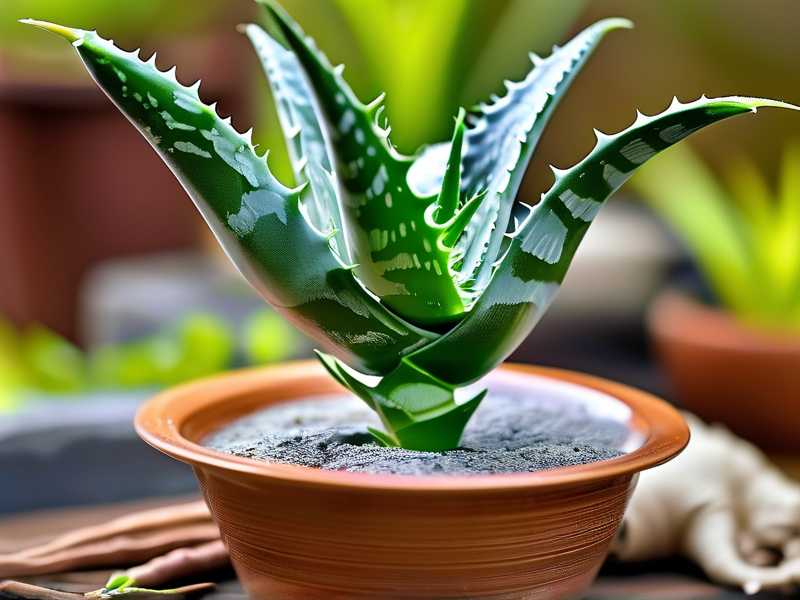
I bought a beautiful ceramic pot with no drainage holes. It looked great, but it was a death trap. Water pooled at the bottom, and the roots rotted within weeks. I switched to a terracotta pot with a drainage hole. Terracotta lets the soil breathe and dries out faster. Plastic pots trap moisture, and glazed ceramic pots can do the same. Stick with unglazed terracotta. It's cheap, functional, and works every time. Also, don't use a pot that's too big. Aloes like being slightly root-bound. A snug pot encourages pup production.
The Science Behind Trimming Old Foliage
According to the RHS, pruning old or damaged leaves redirects the plant's energy toward new growth and offsets. The RHS suggests removing leaves that are more than 50% damaged or yellowed. This balances the plant's canopy and improves air circulation. I also checked the AHS recommendations, which emphasize that trimming encourages the plant to allocate resources to developing pups rather than maintaining dying leaves. Both sources agree that less is more when it comes to aloe maintenance.
What I Learned After Killing My Fourth Aloe
I thought I had it figured out, but I made one more mistake. I trimmed too many leaves at once. I removed about half the foliage, thinking it would speed up growth. Instead, the plant went into shock. It stopped growing for three weeks, and no pups appeared. I learned that you should never remove more than 30% of the leaves at a time. The plant needs those leaves for photosynthesis. Remove a few, wait two weeks, then remove a few more. Patience is key.
How to Identify Which Leaves to Trim
Look for leaves that are yellowing, browning, or curling at the edges. These are the oldest and least productive. Also, remove any leaves that are damaged or have soft spots. Soft spots indicate rot, and you need to cut those off immediately to prevent it from spreading. Healthy leaves are firm, plump, and upright. Those are the ones you want to keep. I usually start with the bottom row of leaves and work my way up. If a leaf is more than 50% damaged, it's a goner. Cut it off.
The Role of Soil and Fertilizer in Pup Growth
I used a standard potting mix for my first aloe. Big mistake. It held too much moisture. I switched to a cactus and succulent mix, which drains quickly. I also added perlite for extra drainage. For fertilizer, I use a diluted succulent fertilizer once a month during the growing season. I stop fertilizing in winter. Over-fertilizing can burn the roots and stunt pup growth. Less is more. I've found that a light feeding in spring and summer gives the plant enough energy to produce pups without stressing it.
What I Do After Trimming
Once I've removed the old leaves, I let the cuts dry for 24 to 48 hours. Then I water the plant lightly. I don't soak the soil. I just moisten the top layer. After that, I place the pot back in its bright spot. I check on it every few days. Within two weeks, I usually see new growth. Sometimes the pups appear within a week, sometimes it takes three. It depends on the plant's health and the season. Spring and summer are the best times for trimming and pup production. Winter is a dormant period, so don't expect much.
My Personal Observation: Trimming Changes the Plant's Shape
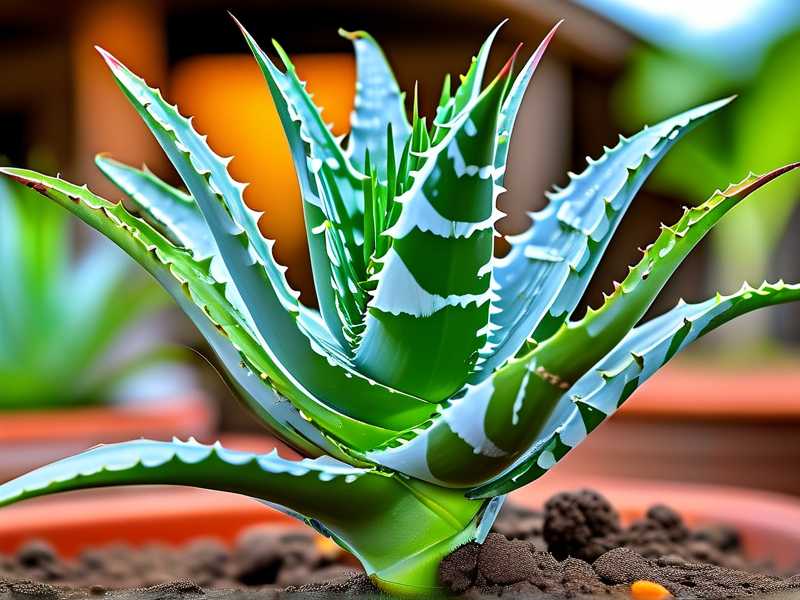
After I trimmed the old leaves, my aloe looked completely different. It went from a sprawling, messy rosette to a compact, upright plant. The center became more visible, and the pups had room to grow. I actually prefer the trimmed look. It's cleaner and more aesthetic. The plant looks healthier and more intentional. If you're worried about ruining the shape, don't be. The new leaves will fill in, and the pups will spread out. It's a transformation worth waiting for.
Common Questions I Get From Other Plant Owners
People often ask me how often they should trim. I tell them: once every few months, or whenever you see old leaves. Don't trim on a schedule. Trim when the plant needs it. Another question is whether to cut the pups off. I say: leave them attached until they're about three inches tall. Then you can separate them and pot them up. Trimming the mother plant's old leaves actually helps the pups grow faster because they get more light and air. It's a win-win.
My Final Thoughts on Trimming and Pup Growth
I honestly believe that trimming old foliage is the number one thing you can do to encourage aloe pup growth. It's simple, it's effective, and it's free. You don't need fancy tools or expensive products. Just a clean knife and a little patience. If you're struggling with an aloe that won't produce pups, try this. Cut off the oldest, worst-looking leaves. Give it two weeks. You'll be amazed at what happens. I was. And I've never looked back.
FAQ
1. How often should I trim old aloe leaves?
I trim every 2 to 3 months, or whenever I see leaves that are yellowing, browning, or damaged. Don't trim too often. Give the plant time to recover between sessions. Over-trimming can stress the plant and stop pup growth.
2. Can I trim aloe leaves in winter?
Technically yes, but it's better to wait until spring or summer. Aloes are dormant in winter, so they don't recover as quickly. If you must trim, remove only one or two leaves. I've done it in winter, and the pups appeared later than usual.
3. What if my aloe still won't produce pups after trimming?
Check your light, water, and soil. If those are fine, the plant might need more time. Some aloes take years to produce pups. Also, make sure you're not over-fertilizing. Too much nitrogen can stop pup production. I've had a stubborn aloe that took six months to produce a pup. Patience is part of the process.