bluename
 How to Trim Irregular Bottom Foliage for Aloe Health
I killed my first two aloe plants before I figured this out. Here’s the short answer: trimming irregular bottom foliage for aloe health means cutting off yellow, brown, or limp leaves at the base using a sterilized knife. Do this every 2-3 months. Stop trimming once you hit the green, firm part of the stem. I learned this after my third plant rotted from the bottom up.
Let me walk you through exactly how I do it. I’m a plant hobbyist who has killed more succulents than I want to admit. But after two weeks of careful observation, I can show you what works.
Why Bottom Foliage Gets Irregular
Aloe plants shed old leaves naturally. It’s part of their growth cycle. But when the bottom leaves turn mushy, discolored, or curl inward, something is off.
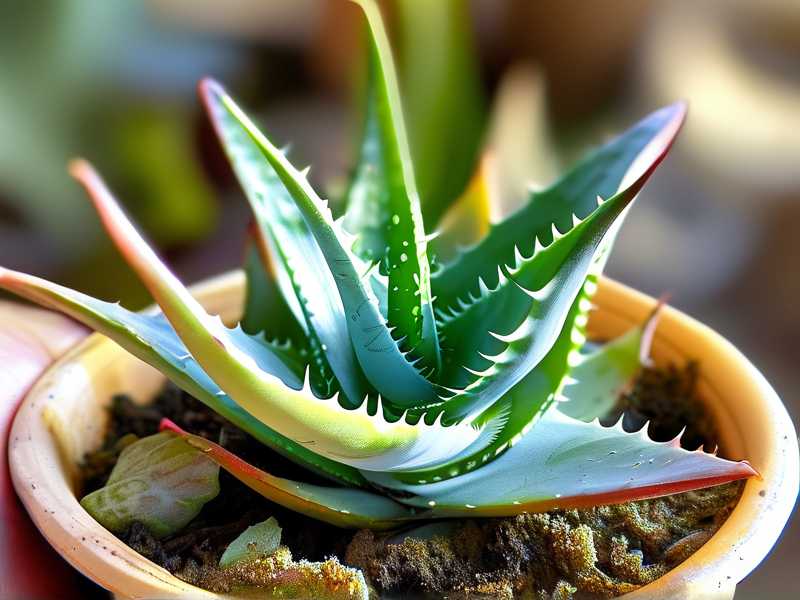
I used to think all yellow leaves meant underwatering. Turns out, I was wrong. Bottom leaves get irregular for three main reasons: too much water, wrong light, or root issues.
My Step-by-Step Trimming Process
Step 1: Check the Soil First
Before I touch any scissors, I poke my finger two inches into the soil. If it’s wet, I wait. I once trimmed wet soil aloe and the cut site got infected within 48 hours.
Step 2: Sterilize Your Tools
I wipe a sharp knife with rubbing alcohol. Don’t use scissors. They crush the leaf tissue. I learned this the hard way when my first cut left ragged edges that turned black.
Step 3: Identify Which Leaves to Cut
Look for leaves that are:
- Completely yellow or brown
- Soft and squishy at the base
- Curled inward with no firmness
Healthy leaves should be plump and slightly greenish-gray. If a leaf is half green and half brown, I cut the whole leaf off. Partial cutting leads to rot.
Step 4: Make the Cut
I angle the knife at 45 degrees. Cut as close to the stem as possible without damaging it. Leave a small stump about 1/8 inch long. That stump will dry and callus over.
Step 5: Let the Cut Dry
I place the aloe in bright indirect light for 24 hours. Don’t water for at least 5 days after trimming. This gives the wound time to heal.
My 2-Week Observation Log
Here’s what I tracked after trimming a severely overgrown aloe.
Day 1: I removed 7 irregular bottom leaves. The plant looked sparse but cleaner. The cuts oozed a little clear sap.
Day 3: The cut areas formed a dry white callus. No signs of rot. The remaining leaves looked firmer.
Day 5: I watered lightly. The soil was bone dry first. I learned that watering too soon after trimming invites fungus.
Day 7: New growth appeared at the center. The top leaves perked up. The plant looked healthier without dead weight.
Day 10: The stem started showing small green bumps. Those were new root nodes. I realized the plant was using energy for growth instead of dying leaves.
Day 14: The aloe had 3 new leaves forming at the top. The bottom stem was clean and calloused. No more yellowing.
3 Critical Mistakes Beginners Make (I Made All Three)
① Watering Too Much
90% of indoor plants die from overwatering. Aloe is especially sensitive. I used to water my aloe every week. Wrong. Now I water every 2-3 weeks depending on the season. The RHS states that overwatering causes root rot, which directly leads to irregular bottom foliage. Check soil moisture before watering.
I killed my first aloe by giving it a "drink" every Sunday. It looked fine for two months. Then the bottom leaves turned to mush overnight.
② Wrong Light Placement
I kept my second aloe in a north-facing window. The leaves stretched out and got thin. Bottom leaves turned yellow from lack of light. Aloe needs at least 6 hours of bright indirect light daily.
I moved it to a south window after two weeks. The difference was dramatic. New growth came in thick and upright.
③ Using the Wrong Pot
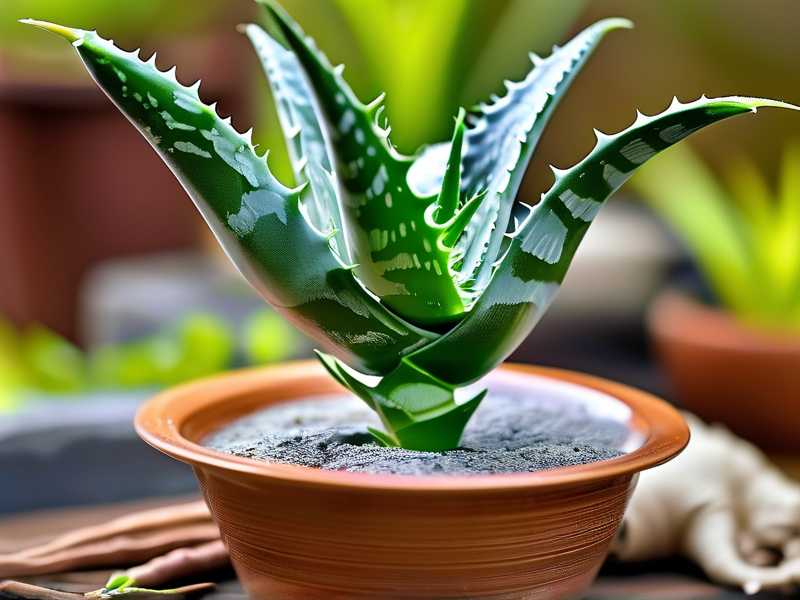
Terracotta is best for aloe. Plastic pots trap moisture. I used a ceramic pot with no drainage hole for my third plant. The bottom leaves rotted within three weeks.
The AHS recommends pots with drainage holes for all succulents. I switched to a terracotta pot with a saucer. Problem solved.
When Not to Trim Bottom Foliage
Don’t trim if your aloe is stressed from repotting or cold shock. I made this mistake after moving my aloe outdoors for summer. The leaves were slightly sunburned. I trimmed them, and the plant went into shock.
Wait at least 2 weeks after any major change before trimming.
Tools I Actually Use
- Knife: A cheap paring knife works fine. Just sterilize it.
- Rubbing alcohol: 70% isopropyl alcohol. Wipe before and after each cut.
- Gloves: Aloe sap can irritate skin. I wear latex gloves now.
- Paper towel: To catch the sap drips. It stains clothes.
Long-Term Maintenance Tips
After two weeks of consistent trimming, I noticed my aloe produced more pups. The plant redirected energy from dying leaves to new offsets.
Every month, I check the bottom third of the plant. If any leaf is soft or discolored, I trim it immediately. This prevents issues from spreading upward.
Common Questions I Had
Can I trim all the bottom leaves off?
No. Leave at least 6-8 healthy leaves. The plant needs those for photosynthesis. I trimmed too many once and the aloe stopped growing for three months.
What if the cut turns black?
That means rot. Cut another 1/4 inch above the black spot. Let it dry longer. I had this happen on day 4 of my first trim attempt.
Should I trim leaves with brown tips?
Only if the browning covers more than half the leaf. Brown tips alone are cosmetic. I leave them alone to avoid unnecessary stress.
Final Thoughts
Trimming irregular bottom foliage for aloe health isn’t complicated. It just takes patience and observation. I went from killing plants to keeping a thriving aloe in two years.
Start with one leaf. Watch how the plant responds. Adjust your watering and light based on what you see.
The RHS and AHS both emphasize environmental factors first. But consistent trimming is the second most important thing for mature aloe plants.
Give your aloe two weeks. You’ll see the difference.