bluename
How to Save Aloe Plants Suffering from Scale Insect Pest Infestation at Home
You need isopropyl alcohol, a soft toothbrush, and patience. Dab a cotton swab in 70% alcohol, wipe every brown scale you see, then spray the whole plant with neem oil solution once weekly for two weeks. I learned this the hard way after losing my first aloe to these sap-sucking pests.
I remember the day I noticed tiny brown bumps on my aloe leaves. At first, I thought they were just dirt spots. I tried wiping them off with water. Nothing happened. Then I scraped one off with my fingernail. It left a sticky, gooey mess underneath. That’s when I realized I had scale insects. Let me walk you through exactly what I did, what went wrong, and how I finally saved my plant after two full weeks of treatment.
What Exactly Are Scale Insects on Aloe Plants?
Scale insects look like small brown or tan bumps. They attach themselves firmly to leaves and stems. They suck the sap right out of your aloe. This weakens the plant slowly. If you ignore them, your aloe will turn yellow, droop, and eventually die.
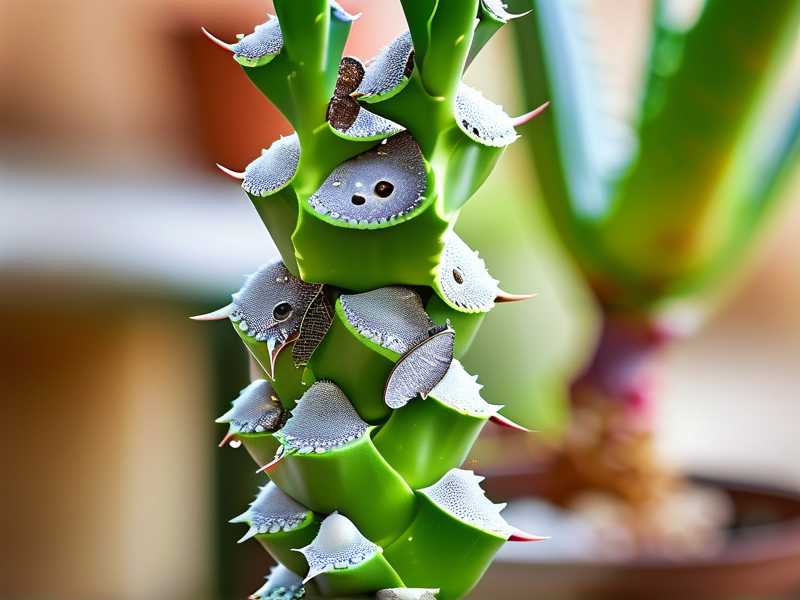
The tricky part? Most beginners don’t notice them early. I certainly didn’t. The bumps blend in with the aloe’s natural texture. You might think your plant is just getting older or developing spots. But no — those are bugs.
The Three Deadly Mistakes Beginners Make with Scale on Aloe
Mistake #1: Overwatering the Infested Plant
90% of indoor plants die from overwatering, and aloe is no exception. When I first saw scales, I panicked. I thought maybe my aloe was thirsty. So I watered it more. Big mistake. The wet soil created a perfect environment for the scales to multiply. They thrive in humidity. I made things ten times worse.
What I learned: Aloe is a succulent. It stores water in its leaves. It needs dry soil between waterings. When you see scale, reduce watering, don’t increase it.
Mistake #2: Putting the Plant in the Wrong Light
My second mistake? I moved my aloe into a dark corner, thinking the bugs would go away. Wrong again. Scale insects actually prefer weak, struggling plants. Low light stresses aloe out. A stressed aloe produces less sap, but it also becomes weaker overall. The scales kept feeding anyway.
The Royal Horticultural Society (RHS) notes that healthy plants resist pests better. Light is crucial for aloe health. You need bright, indirect sunlight. Direct scorching sun can burn the leaves, but too little light invites trouble.
Mistake #3: Using the Wrong Pot
My third mistake was keeping my aloe in a pot without drainage holes. I thought I was being clever — no water spills on my table. But scale insects love stagnant conditions. Without drainage, moisture builds up in the soil. The roots start rotting. Weak roots mean a weak plant. And a weak plant is a buffet for scale.
According to the American Horticultural Society (AHS), proper container selection is one of the most overlooked aspects of plant care. A pot with drainage holes is non-negotiable.
My Step-by-Step Plan to Save the Aloe in Two Weeks
I followed this routine for exactly 14 days. Here is the process I used, broken down into real steps.
Day 1: Isolation and Inspection
The first thing I did was move my aloe away from all other plants. Scale spreads fast. It can crawl or hitch a ride on your hands. I checked every leaf, top and bottom. I counted about 15 visible scales. Some were tiny, some were bigger than a pinhead.
I used a magnifying glass. That helped me spot the really small ones. If you don’t have one, just use good lighting. Run your fingers gently along each leaf. You’ll feel the bumps.
Day 1: Manual Removal with Alcohol
Here’s the trick that worked best for me. I took a cotton swab, dipped it in 70% isopropyl alcohol, and dabbed each scale individually. The alcohol dissolves their waxy coating. Within seconds, the scale turns brown and shrivels. You can then gently scrape it off with your fingernail or a soft toothbrush.
I brushed each leaf gently. Too hard and you damage the aloe’s skin. Too soft and the scale stays put. It took me about 20 minutes for a medium-sized plant. Be thorough. Miss one scale, and you’ll have a new infestation in a week.
Day 1: Neem Oil Spray
After removing every visible scale, I mixed a neem oil spray. I used one teaspoon of cold-pressed neem oil, half a teaspoon of mild liquid soap, and one quart of warm water. I shook it well in a spray bottle.
I sprayed the entire plant — every leaf, front and back, plus the stem and soil surface. The soap helps the oil stick to the leaves. Neem oil suffocates any remaining eggs or tiny crawlers that I might have missed.
Important: Do not spray in direct sunlight. The oil can magnify the sun’s rays and burn the leaves. I did my spraying in the evening.
Day 3: First Follow-Up Check
After two days, I inspected the plant again. I found three new tiny scales. They were probably eggs that hatched after my first treatment. This is normal. Don’t panic.
I repeated the alcohol dab method. Then sprayed neem oil again. I kept the plant in bright indirect light. I did not water it at all during this period.
Day 5: Second Neem Oil Application
By day five, the plant looked cleaner. Most scales were gone. But I noticed a few sticky spots on the leaves. That’s honeydew — the sugary waste that scale insects excrete. It can attract ants or grow black sooty mold.
I wiped the honeydew off with a damp cloth. Then I sprayed neem oil a third time. Consistency is key here. I did not skip a single scheduled spray.
Day 7: Midpoint Assessment
After one full week, I had almost zero visible scales. The aloe leaves were still a bit pale, but they were firm. No new yellowing. I gently watered the plant — just a small amount. The soil had been dry for seven days, which is what aloe likes.
I also rotated the pot a quarter turn. This ensures all sides get equal light. Even lighting helps the plant recover evenly.
Day 10: The Hidden Eggs Trap
This is where I almost messed up again. I thought the infestation was over. But I decided to check the soil surface and the pot’s rim. I found tiny white specs that looked like dust. Under magnification, they were scale eggs.
I scraped the top inch of soil off and replaced it with fresh, dry succulent mix. I cleaned the pot rim with alcohol. Then I sprayed a fourth neem treatment. Do not forget the soil. Eggs can hide there.
Day 12: Leaf Check and Trim
By day 12, the aloe was looking much healthier. The remaining green leaves were plump. I trimmed off two outer leaves that were completely damaged and yellow. They were not going to recover. Cutting them off helps the plant focus energy on new growth.
Use clean, sharp scissors. Wipe them with alcohol before and after cutting. You don’t want to introduce new infections.
Day 14: Final Treatment and Success
On day 14, I did one last neem spray. I inspected every leaf carefully. No scales. No honeydew. The plant had two new tiny leaves growing from the center — a great sign of recovery.
I moved the aloe back to its regular spot near a south-facing window. I water it only when the soil is bone dry, usually every two to three weeks. I also check it once a week for any signs of returning pests.
Products That Actually Worked for Me
Let me be honest. I tried several products before finding what worked.
Isopropyl Alcohol (70%)
This is the cheapest and most effective option. Do not use 90% alcohol — it evaporates too fast and can burn the plant. 70% is the sweet spot. I bought mine at a local drugstore for under three dollars.
Neem Oil (Cold-Pressed)
You want pure neem oil, not a pre-mixed spray. Pre-mixed sprays often contain other chemicals that can hurt succulents. I mixed my own solution each time. I stored the unused portion in a dark bottle for up to two weeks.
Soft Toothbrush
A hard bristle brush will scratch the aloe’s leaves. I used an old soft toothbrush dedicated only for plant care. It helps gently dislodge stubborn scales after alcohol treatment.
Rubbing Alcohol Wipes
These are great for quick spot treatments. I keep a pack near my plants. If I see a single scale, I just grab a wipe and dab it. No need to mix sprays for one or two bugs.
What to Do If the Infestation Is Severe
Sometimes the scale is everywhere — covering every leaf, even the roots. If you see that, you need to repot the plant completely.
I had to do this once with a severely infested aloe. I took the plant out of its pot. I shook off all old soil. I inspected the roots. If you see white fuzzy stuff on the roots, that’s root mealybugs, not scale. But sometimes they appear together.
I rinsed the roots gently with water. Then I dipped the entire root ball in a solution of water and a few drops of neem oil. I let it soak for 15 minutes. Then I repotted in fresh, sterile succulent soil and a clean pot with drainage holes.
I threw the old soil away. I did not compost it. Scale can survive in soil for a while.
Preventing Scale from Coming Back
Once you’ve saved your plant, you want to keep it safe. Here is what I do now.
Quarantine New Plants
Every new plant I bring home stays in a separate room for two weeks. I inspect it daily. This is the most common way scale enters a home. I learned this after bringing home a “healthy” aloe from a nursery that had hidden scales under its bottom leaves.
Keep Leaves Clean
Dust can hide early signs of scale. I wipe my aloe leaves with a damp cloth once a month. It keeps the plant looking nice and lets me spot problems early.
Proper Watering Schedule
I stick to a strict watering routine. Aloe in my climate needs water every two to three weeks in summer, and once a month in winter. I always check soil moisture with my finger before watering.
Good Air Circulation
Scale loves stagnant, humid air. I keep my aloe in a room with gentle airflow. I do not crowd plants together. Giving them space reduces pest problems.
Regular inspection is your best defense. I check my aloe every Sunday morning. It takes less than a minute. If I catch a single scale early, I can deal with it in seconds.
Common Questions People Ask About Scale on Aloe
Can scale insects spread to other plants in my home?
Yes, absolutely. Scale crawlers can move to nearby plants. They can also hitch a ride on your hands, tools, or clothing. I once found scale on my snake plant after treating my aloe. Keep infested plants isolated for at least two weeks after the last visible scale is gone.
Is it safe to use the aloe gel for skin after a scale infestation?
I would not use it. The gel might contain traces of neem oil or alcohol. Plus, scale insects leave behind waste and honeydew. It is safer to wait until the plant grows completely new leaves. That usually takes a few months. Commercial aloe gel is a better option for skin use during recovery.
What if the leaves are already turning yellow and mushy?
Yellow, mushy leaves usually mean overwatering combined with scale. The scale weakens the plant, and then too much water finishes it off. You need to stop watering immediately. Remove the mushy leaves. Let the soil dry completely. If the roots are rotting, cut away dead roots and repot in dry soil. The plant may lose most of its leaves but can still recover with proper care.
Final Thoughts from Someone Who Has Been There
I killed my first aloe plant because I ignored the scale. I thought they were just weird spots. By the time I acted, it was too late. The second time, I panicked and overwatered. That also failed.
The third time — the time I just described — I followed this two-week plan step by step. It worked. My aloe is now thriving with new leaves and no pests.
Scale is stubborn, but it is not invincible. You need patience, consistency, and the right tools. Alcohol, neem oil, a soft brush, and good watering habits will save your plant. Do not skip treatments. Do not water too much. And inspect your aloe weekly even after the problem seems solved.
I still check my aloe every Sunday. Old habits stick. But honestly, I prefer catching one tiny scale early over dealing with a full-blown infestation again. Your plant will thank you.